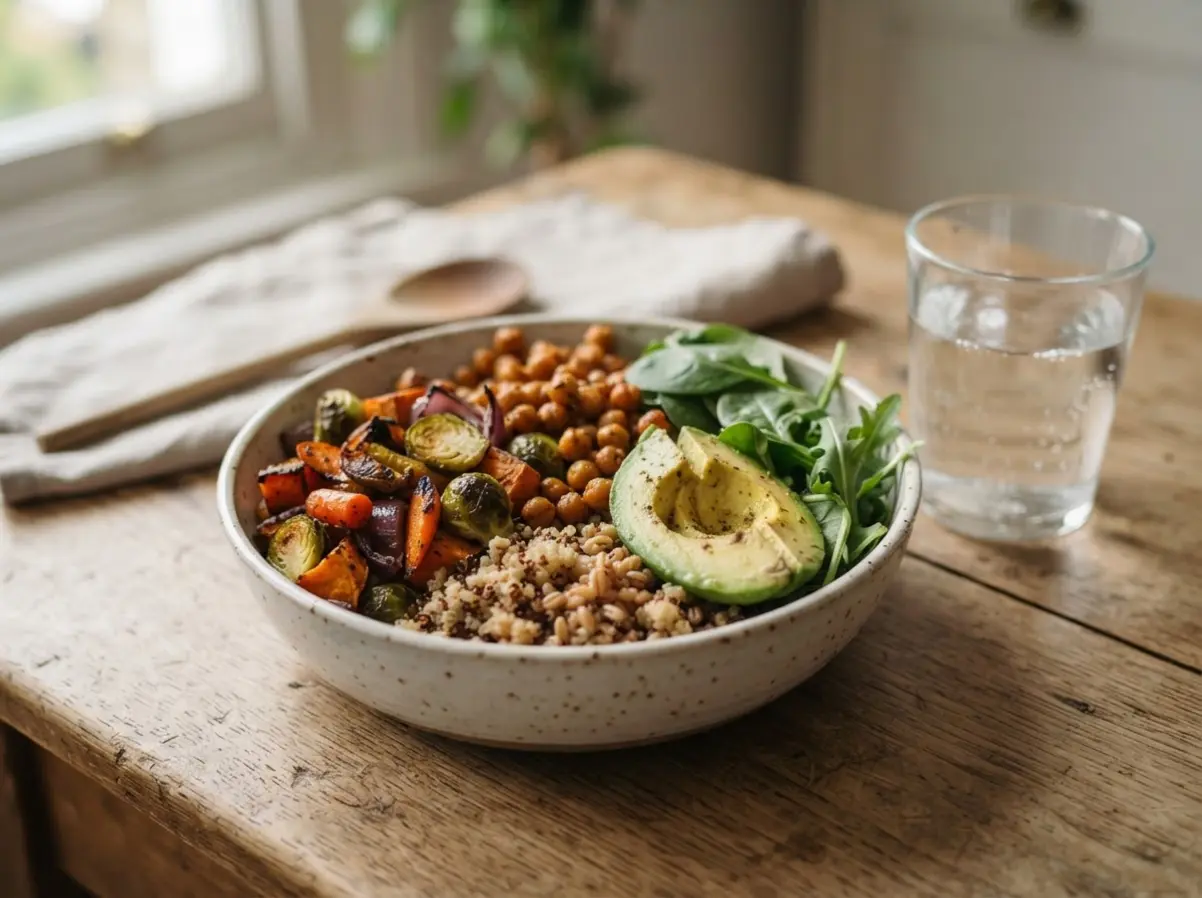
Essential tips on how to improve your eating habits start with small changes you will repeat often. You can share essential tips on how to improve your eating habits with anyone starting out. Build meals around vegetables, fruit, whole grains, protein foods, and water. Plan a few meals, keep useful foods nearby, eat without rushing, and notice your hunger and fullness. These steps support steady progress without strict rules or guilt.
I know busy days make food choices harder. You might skip breakfast, eat quickly, or rely on whatever is nearby. This guide breaks healthy eating into nine practical steps. You will learn how to review your current routine, plan meals, shop with purpose, read labels, manage portions, and stay hydrated. Let’s make your next food choice feel easier. Start with the first step today.
Building A Sustainable Food Routine
A written meal plan for three or four days reduces last-minute reliance on takeout and snack foods. It also gives you a clear place to include vegetables, fruit, whole grains, protein foods, and unsaturated fats. Following essential tips on how to improve your eating habits helps you keep meals familiar, affordable, and easy enough for your schedule. A grocery list based on those meals limits impulse buys and helps you use fresh ingredients before they spoil.
Batch cooking beans, lentils, brown rice, or chopped vegetables saves time during busy evenings. Store portions in clear containers, while leaving room for flexible swaps when plans change. A planned snack such as fruit with yogurt or nuts supports steady energy between meals. Check your plan against your budget and cultural food preferences each week.
Adapting Meals To Personal Needs
A plate with half non-starchy vegetables, one quarter protein, and one quarter whole grains offers a useful starting point, not a fixed rule. Your age, activity level, budget, culture, allergies, medicines, and health needs might call for different portions or food choices. Review essential tips on how to improve your eating habits when adjusting meals for specific conditions.
Someone with diabetes, kidney disease, digestive symptoms, or food allergies needs personal advice from a registered dietitian or qualified clinician. Choose water as the default drink, since sugary beverages add sugar without the fiber found in whole fruit. Include beans, lentils, oats, nuts, and seeds gradually if your current diet contains little fiber. This slower change often reduces gas and bloating. Use unsaturated fats such as olive oil, avocado, and nuts in portions suited to your needs.
1. Assess Current Food Intake Patterns With a Simple Log
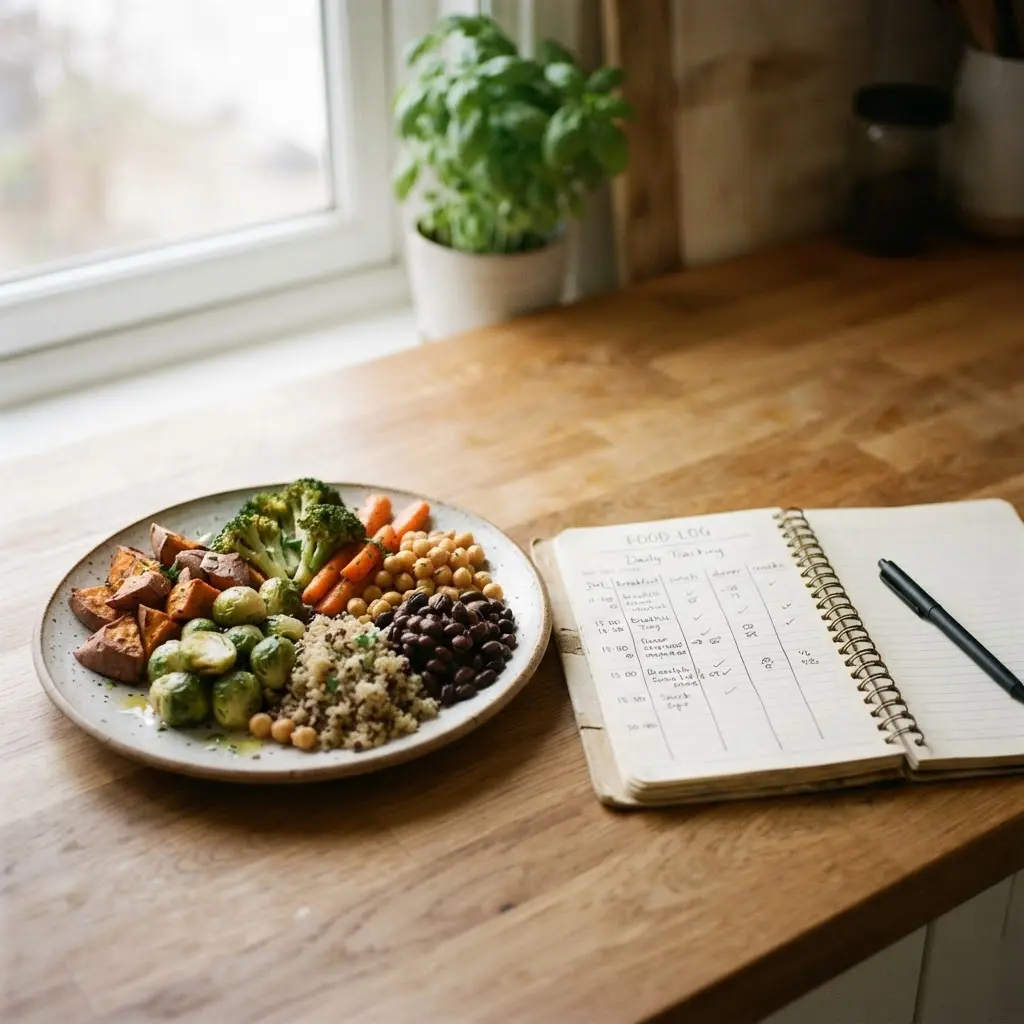
A common mistake is recording only planned meals and leaving out snacks, drinks, sauces, or bites taken while working. Correct this by keeping a one-week food log covering weekdays and weekends. Applying essential tips on how to improve your eating habits means recording normal eating habits rather than changing food choices to create a better-looking record.
Choose a notebook, phone app, or notes file. Write down each food and beverage as soon as possible. Include the time, estimated portion, brand, and whether the item was homemade or purchased. Add oils, butter, dressings, condiments, and other small extras.
Use familiar estimates, such as a cup, fist-sized portion, or deck-of-cards-sized serving, when a scale is unavailable. Add the location, activity, mood, hunger level, and any symptoms. Review essential tips on how to improve your eating habits to spot repeated patterns in your daily log.
Note afternoon snacking, eating in front of television, large portions after stressful work, or differences between weekdays and weekends. Research suggests food records make eating patterns easier to observe because memory often misses small items and delayed details. A record also shows habits already supporting your health goals.
Choose one manageable change after the review, such as preparing a balanced afternoon snack or eating away from a desk. Avoid labeling foods or judging yourself. A log identifies routines, triggers, and possible food-related symptoms, but it does not prove a food caused a symptom. Always consult a healthcare professional before making changes to your health routine, especially for persistent, severe, or concerning symptoms.
2. Create a Weekly Meal Plan for Easier Choices
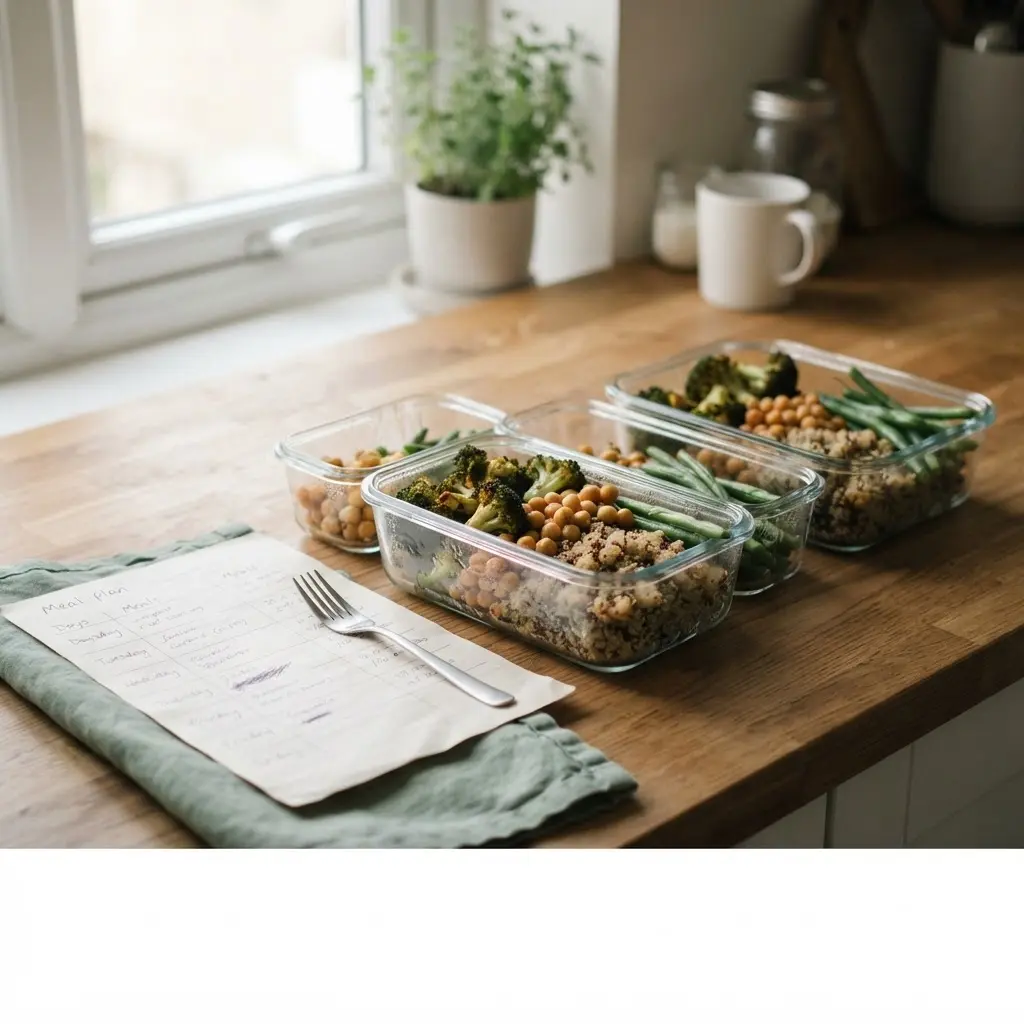
Write a seven-day meal plan before grocery shopping. List a simple breakfast, lunch, and dinner for each day. Match cooking time to your schedule, using one-pan meals on busy evenings and slower recipes on days with more time. A written plan reduces daily decisions and keeps meals aligned with your eating goals. Following essential tips on how to improve your eating habits makes planning simpler.
Build leftover portions into the schedule. Roast chicken on Monday, then use the extra meat in Tuesday’s salad or sandwich. Lentil soup, salmon with quinoa, and turkey meatballs can serve as next-day lunches. Reusing food reduces preparation time and helps limit food waste.
Prepare staple ingredients during the weekend. Cook quinoa or brown rice, wash fruit, chop onions and peppers, and prepare a protein for quick meals. Create a detailed grocery list from the planned dishes, then add planned snacks using smart everyday snack swaps to reduce impulse purchases between meals.
Keep the plan flexible. Swap Tuesday’s meal with Thursday’s option when your schedule changes, or turn taco fillings into a salad or grain bowl. Store prepared food in reusable containers and vary flavors with herbs, spices, sauces, and different meal formats. Research suggests meal planning supports healthier choices by making nutritious food easier to select when time is limited. A flexible schedule is easier to follow than a rigid one.
3. Stock the Pantry With Healthy Everyday Staples
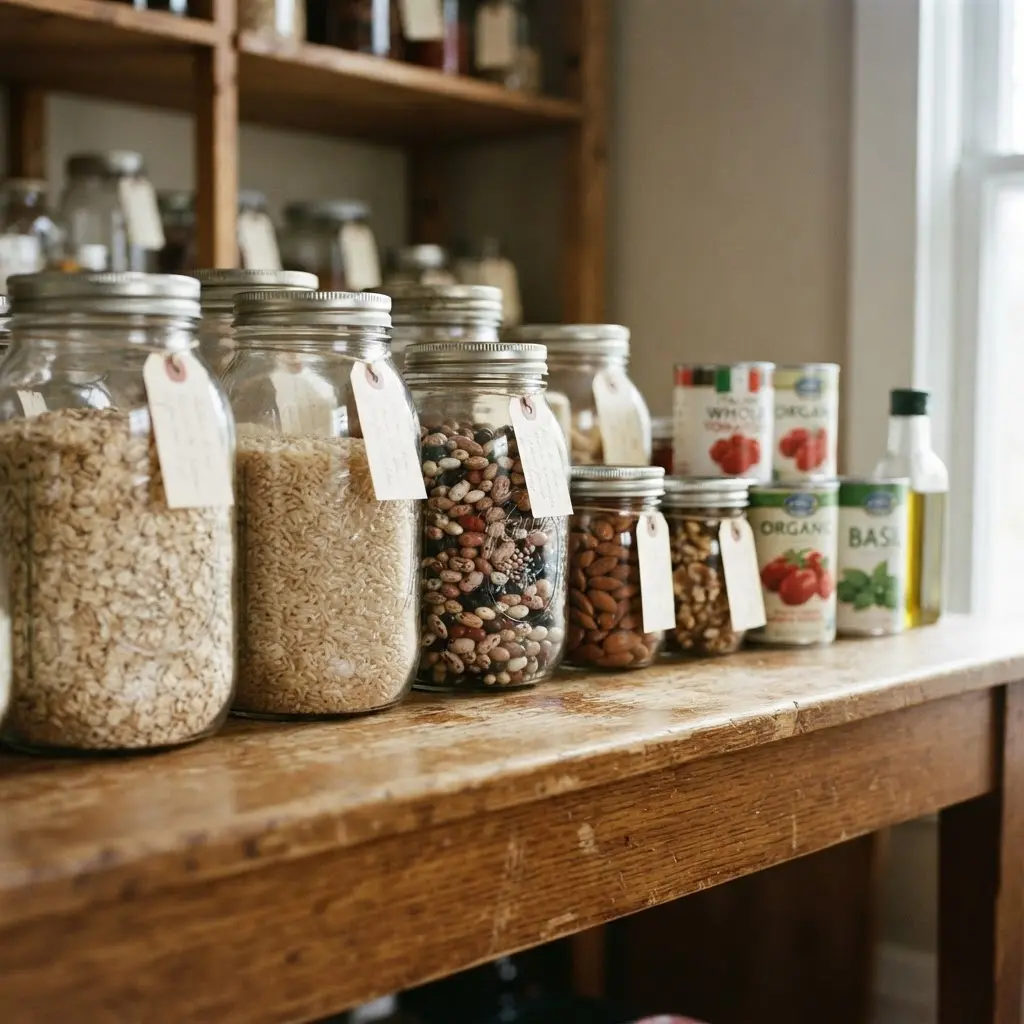
At 6 p.m., a stocked shelf turns a rushed dinner into a simple meal. Keep whole-grain bases such as oats, brown rice, quinoa, and whole-wheat pasta ready for use. Add beans, lentils, canned fish, nuts, or natural nut butter for protein. Pair these foods with canned tomatoes, carrots, apples, sweet potatoes, or citrus fruit. Essential tips on how to improve your eating habits always include a stocked pantry.
Build each meal around daily essential food groups, then add flavour with olive oil, vinegar, garlic, onions, herbs, spices, salsa, or pasta sauce without added sugar. Keep low-sodium broth and fortified shelf-stable milk available for soups, sauces, and quick breakfasts. Research suggests convenient access to balanced ingredients supports more consistent meal choices.
Check the nutrition facts panel before buying low-sodium products. Compare canned beans, soups, fish, fruit, crackers, and snack bars for sodium, added sugar, fibre, and protein. Select fruit packed in water or 100% juice. Rinse canned beans under running water to remove some of the packing liquid and reduce salt. Store unopened foods in a cool, dry, dark place.
Choose a small group of versatile staples rather than filling shelves with specialty foods. Keep portions in mind because oils, nuts, seeds, nut butters, dried fruit, honey, and maple syrup contain concentrated energy. Check plant-based milk labels for calcium when dairy is absent from your eating pattern. Follow personalised advice from a qualified healthcare professional for kidney disease, diabetes, allergies, or prescribed sodium or sugar limits.
4. Master Basic Kitchen Cooking Skills One Step at a Time

Many beginners believe healthy cooking requires advanced recipes and expensive equipment. The truth is simpler: build confidence through basic knife skills first. Practise holding a knife safely, then chop an onion into even pieces. Repeating one small task creates control before more demanding recipes enter the routine.
Learn food safety and recipe reading next. Wash hands, separate raw meat from ready-to-eat foods, and follow safe storage instructions. Read the ingredient list and preparation steps before turning on the stove. Start with boiling eggs or vegetables, then sauté onions in a small amount of oil. These short sessions teach heat control without creating unnecessary pressure.
Add roasting, pan-steaming, and poaching after those methods feel familiar. Practise rice, pasta, grains, simple soups, basic sauces, and safely cooked proteins. Season in small stages with salt, herbs, spices, fat, or acid. Taste as the dish develops, since each ingredient changes the balance. Use a food thermometer for meat, fish, and poultry when safe doneness is uncertain.
Research suggests repeated practice supports stronger cooking confidence and more consistent meal preparation. Schedule one focused skill per week, such as roasting vegetables or preparing broth. Use batch cooking to prepare grains, vegetables, or protein for several meals. Flexible meal templates then reduce reliance on strict recipes. Expect mistakes during practice, and correct one problem at a time rather than abandoning the process.
5. Practice Mindful Eating Techniques During Daily Meals

How do you eat more mindfully during a busy day? Start with one meal free from screens, then give each bite your full attention. Turn off the television, put away your phone, and step away from the computer. A calm setting makes hunger, taste, and fullness easier to notice. Begin with a brief hunger check and rate your hunger from 1 to 10.
Look at the food before eating. Notice its color, smell, temperature, and texture. Chew slowly and place your fork down between bites. Take occasional sips of water if helpful. Focus on how the flavor changes as you chew instead of rushing toward the next bite. These pauses create space to notice satisfaction before your stomach feels overly full.
Pay attention to body signals throughout the meal. Stop when you feel comfortably satisfied rather than stuffed. Use the hunger scale as a prompt, not a strict rule. Hunger levels vary by activity, sleep, stress, and meal timing. Research suggests mindful eating supports awareness of appetite and helps some people identify eating linked to boredom, stress, or habit.
Notice thoughts and emotions without criticism. Ask whether physical hunger is present or whether another feeling is guiding the urge to eat. Practise gratitude by acknowledging the food, preparation, and people involved in bringing it to your plate. Start with three mindful bites or one distraction-free meal each day. Consistent attention matters more than perfect focus.
6. Read Nutrition Labels to Compare Foods Clearly
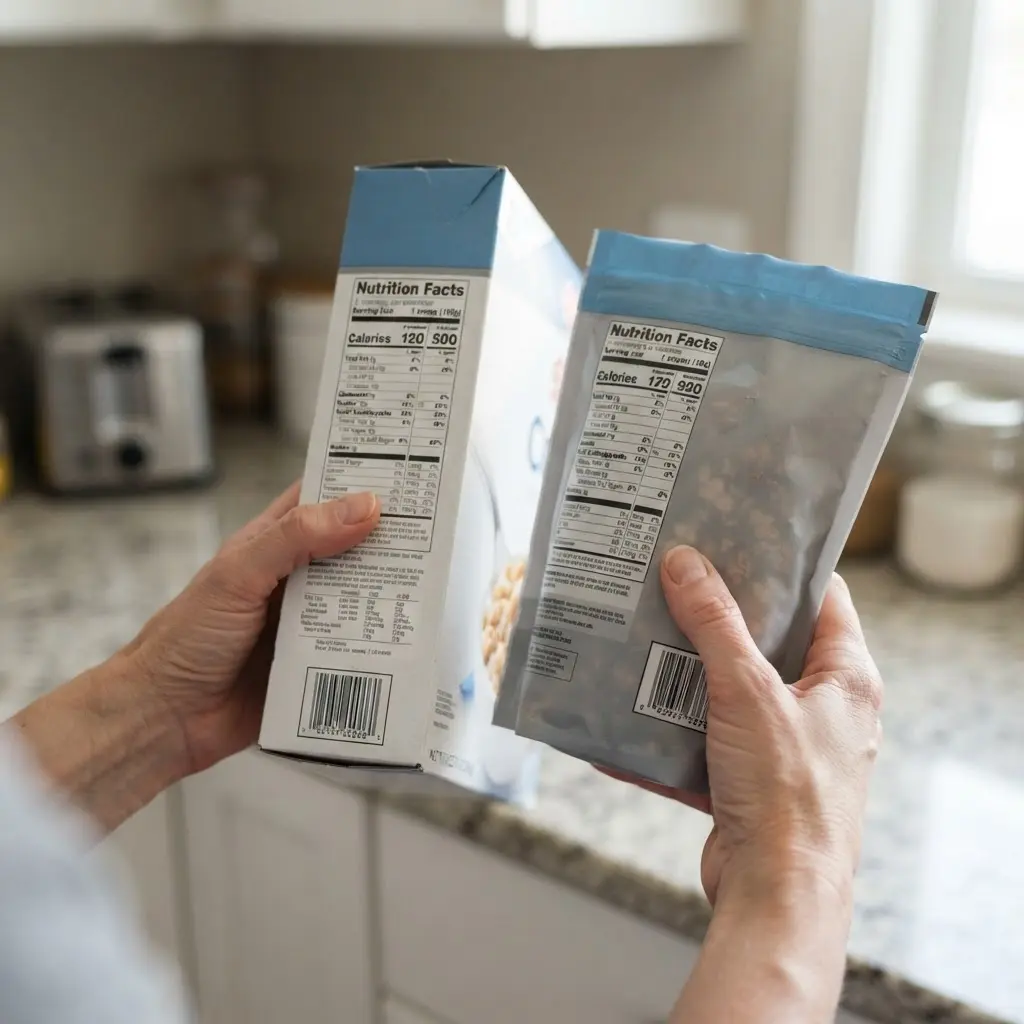
A cereal with fewer calories is not automatically a better choice than one with more calories. Start with the serving size, then compare equal amounts. One package might contain two or more servings, while another lists a larger or smaller portion. Check the serving count before eating directly from the package. Essential tips on how to improve your eating habits always include clear label reading.
Compare calories first, then review saturated fat, trans fat, sodium, total sugars, and added sugars. Use the % Daily Value as a quick guide. A value of 5% DV or less is low, while 20% DV or more is high. For foods with similar calories, favor more dietary fiber and protein.
Read the ingredient list along with the nutrition panel. Ingredients appear by weight, so the first few entries reveal the main parts of the product. Use nutrition labels to spot common healthy food traps, such as products with little fiber or large amounts of added sugar. Check for whole, recognizable ingredients near the beginning.
Research supports comparing more than calories alone because foods with similar energy values often differ in fiber, vitamins, minerals, and fat types. Choose the product with more useful nutrients and less sodium, saturated fat, or added sugar when the serving sizes match. A careful label check takes less than a minute and supports more informed choices.
7. Use Portion Control Strategies Without Strict Rules
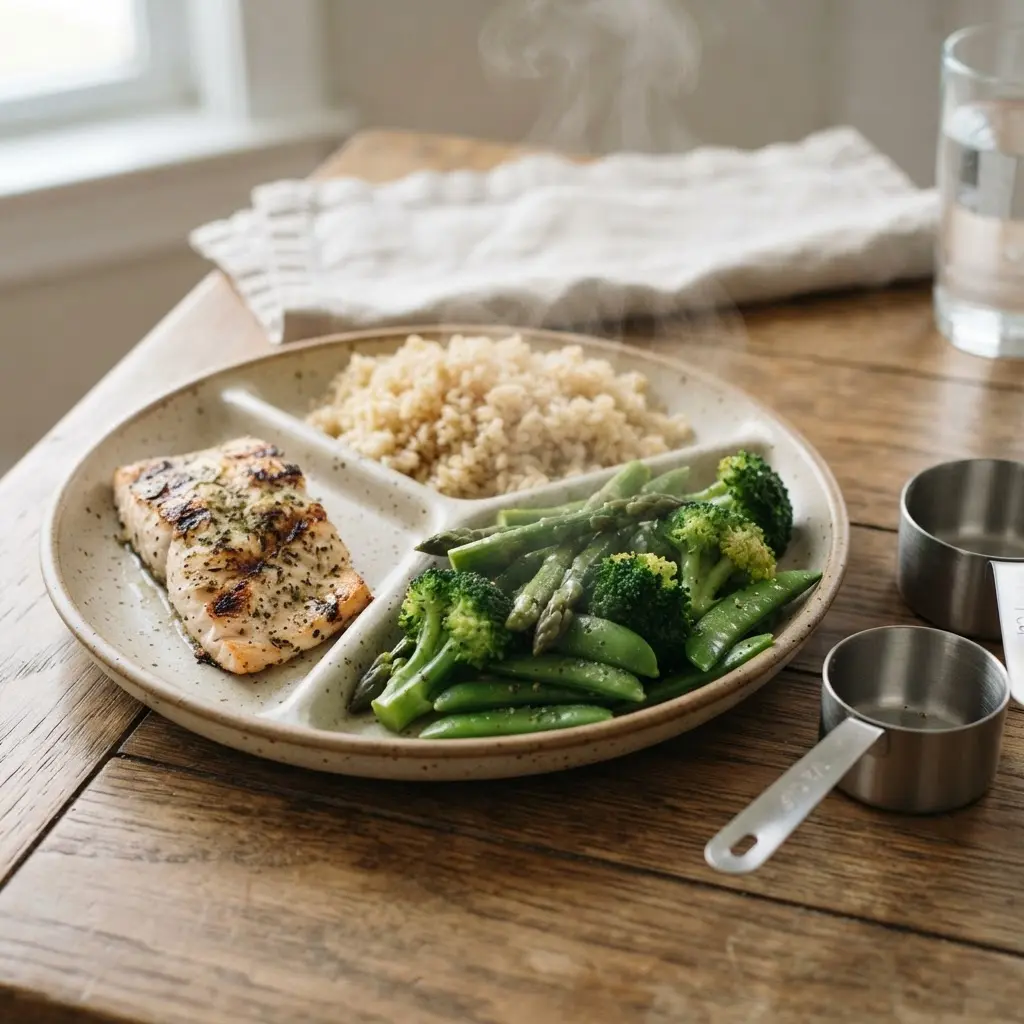
Treating portion control as strict restriction is a common mistake. Flexible portions do not require banning favorite foods or eating identical amounts each day. Start with physical hunger, then stop when your body feels comfortably full. Appetite changes with activity, sleep, and daily needs.
Use smaller plates and bowls to create a clear visual guide. Fill about half the plate with non-starchy vegetables, such as leafy greens, broccoli, peppers, carrots, or cauliflower. Add a serving of whole grains and a protein source. Include protein-packed superfood options alongside fiber-rich foods for a more satisfying meal.
Portion snacks into a bowl instead of eating from a large package. A container creates a visible serving and makes mindless eating less likely. Slow the meal pace enough to notice taste, smell, texture, and fullness. Put the fork down between bites when eating feels rushed. Research suggests attentive eating and fullness awareness support better control over food intake.
Adjust portions for the day rather than following a fixed rule. Increase food when activity or hunger is higher, and choose less when appetite is lower. Drink water before and during meals so thirst does not get mistaken for hunger. Nutrient-dense foods, including fruits, vegetables, lean proteins, and whole grains, keep the focus on food quality as well as quantity. Leave food on the plate when comfortable fullness arrives.
8. Prioritize Adequate Daily Hydration With Simple Reminders

Fill a reusable water bottle each morning and keep it within reach. Visible water is easier to choose during work, travel, or household tasks. Set an alarm every one to two hours so drinking does not depend on thirst alone. Essential tips on how to improve your eating habits rely on steady hydration habits.
Link water with routines you already follow. Drink after waking, before meals, after using the restroom, and before starting a new task. A bottle with time markers gives you clear checkpoints across the day. Regular intake supports normal hydration more effectively than drinking a large amount at once.
Choose water as your primary drink. People who dislike plain water can add lemon, cucumber, or berries for light flavor. Use hydrating beverage alternatives as part of a sensible drink plan, while keeping water at the center. Research suggests external reminders and habit cues make repeated health behaviors easier to maintain.
Track intake with a phone app or smartwatch when visual progress keeps you consistent. Do not treat a generic daily target as suitable for every person. Hydration needs vary with activity, climate, medications, and health conditions. People with fluid restrictions should follow guidance from a qualified healthcare professional. Always consult a healthcare professional before making changes to your health routine.
9. Monitor and Adjust Habits for Sustainable Progress
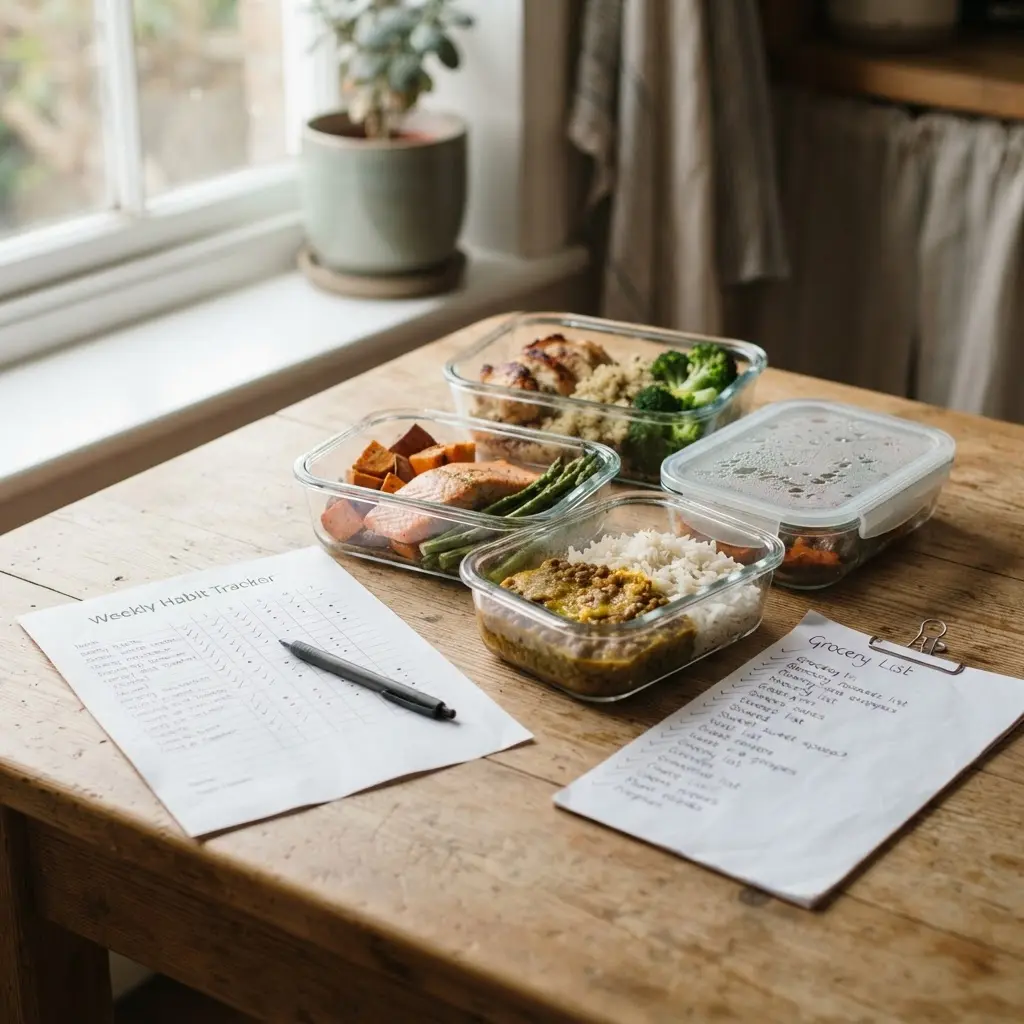
At 8 p.m., review the day before deciding the plan failed. Use a daily checklist to record one clear action, such as eating breakfast or adding a vegetable to lunch. Mark the action as completed or missed, then note the setting, stress level, and preparation involved. Objective notes show what happened without turning food choices into a judgment.
Choose one or two habits first. A short weekly review reveals patterns, such as skipped meals during busy mornings or unplanned snacks after a stressful workday. Use the review to identify harmful daily habits before choosing one small change. Research suggests specific, observable goals are easier to assess than broad aims like eating healthier.
Adjust the plan when the same obstacle appears repeatedly. Break a demanding goal into a smaller step, prepare food the evening before, or create a response for stressful situations. A mood log links eating patterns with emotions and routines, which can reveal whether planning, fatigue, or stress is causing difficulty. Missed days provide useful feedback rather than proof of failure.
Review progress every week or two, and keep the method quick enough to maintain. People with a history of disordered eating or anxiety around food tracking should discuss a suitable approach with a qualified healthcare professional. Tracking should remain a source of information, not a rigid rule.
Tracking Progress Without Perfection
A weekly food note tracking hunger, energy, digestion, and meal patterns gives you better feedback than a single weigh-in. Record what you ate, your hunger before and after meals, and any symptoms without assigning moral labels to food. Review the notes after seven days, looking for skipped meals, low vegetable intake, or frequent sugary drinks. Change one small habit at a time, such as adding a vegetable to lunch or replacing one sweetened drink with water. Keep treats in your routine if they fit your health needs and budget. Progress also includes steadier energy, easier meal planning, and fewer episodes of eating past fullness. A hunger scale from zero to ten helps you notice fullness before discomfort begins. Ask for dietitian support if symptoms persist or your condition requires individualized guidance.
Conclusion
Healthy eating does not need to look perfect to support your daily life. A few steady choices, such as adding produce to lunch or preparing breakfast ahead, give you a helpful starting point. The essential tips on how to improve your eating habits work best when they fit your schedule, budget, and food preferences.
Choose one step from this guide today. Write down what you eat, plan tomorrow’s meals, or fill a water bottle before bed. Keep the change small enough to repeat, then add another step when your routine feels comfortable. If a meal does not go as planned, return to your next choice without guilt. Your goal is a pattern of care, not a perfect record. Start with one practical change today and let your daily meals become easier over time.
FAQs
Q: How do I start eating healthier without changing everything at once?
A: Pick one small change for the next week. Add a fruit or vegetable to one meal, drink more water, or plan one simple breakfast. Small steps are easier to repeat.
Q: How often should I plan my meals?
A: A weekly plan works well for many people. Write down a few breakfasts, lunches, dinners, and snacks before shopping. Leave room for leftovers and changes in your schedule.
Q: How do I know how much food belongs on my plate?
A: Fill about half the plate with vegetables or fruit. Add a protein food and a grain or starchy food to the rest. Adjust the amount based on your hunger and daily needs.
Q: What should I look for on a nutrition label?
A: Check the serving size first. Then review fiber, added sugars, sodium, and protein. Compare similar foods using the same serving size.
Q: How much water should I drink each day?
A: Fluid needs differ by body size, activity, weather, and health. Drink water through the day and use thirst, urine color, and activity as useful guides. Ask a health professional for personal guidance when needed.