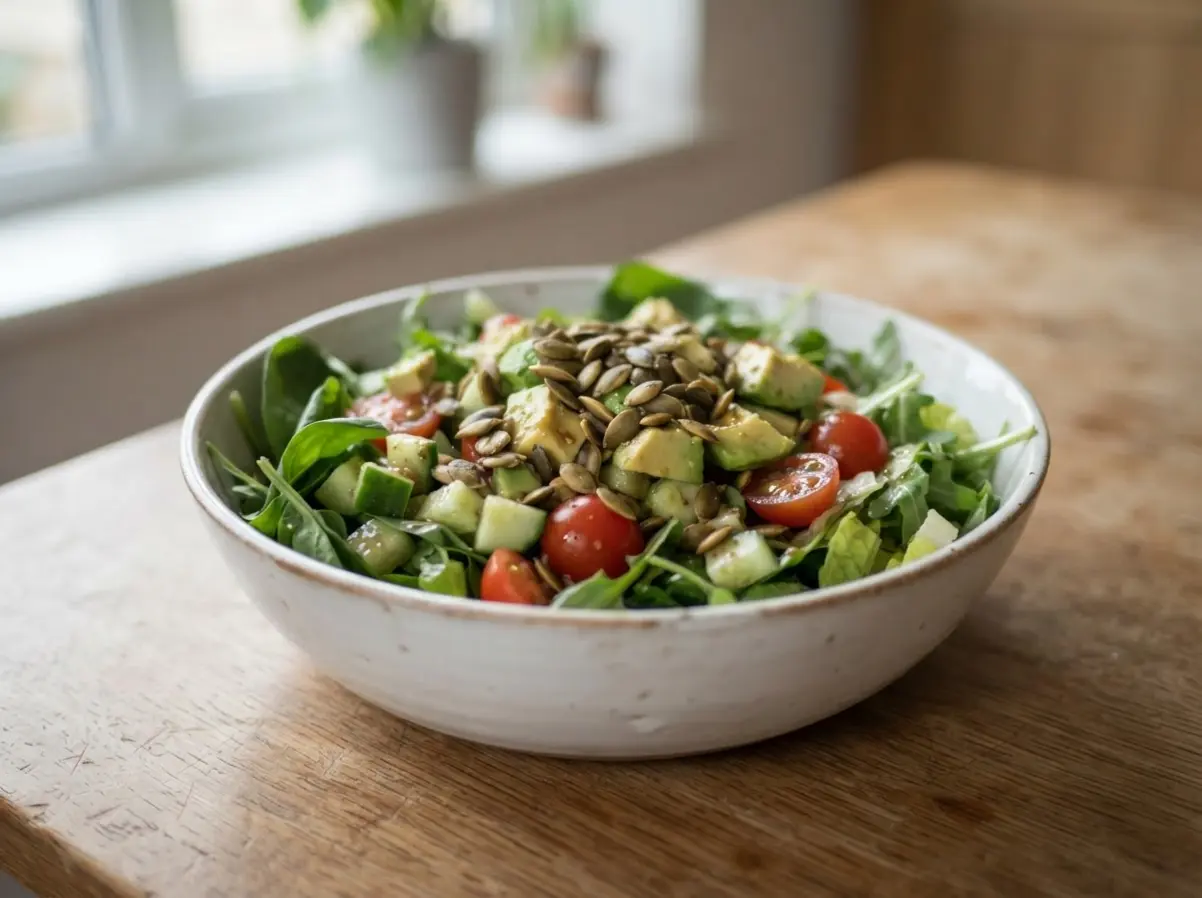
Notice how you feel, then add another serving when digestion feels comfortable. You do not need an all-raw plan.
Food Safety Rules For Uncooked Ingredients
Wash every fruit and vegetable under potable running water before cutting, even when you plan to peel it. Clean hands before prep and after touching raw meat, eggs, or animal food, since germs move from fingers to ready-to-eat produce. Use one clean cutting board for produce, and keep it away from raw animal ingredients.
Refrigerate cut salads, berries, and blended drinks within two hours, then use them soon for better quality. Raw sprouts, unpasteurized milk, and raw animal foods carry higher food poisoning risk, so choose safer cooked versions when needed. Remember these basics when learning how to eat more raw foods. Wash knives and counters with hot soapy water after each session, especially after slicing melons or leafy greens. People who are pregnant, older, or immunocompromised need extra caution with uncooked foods.
Nutrient Planning Beyond Fresh Produce
Add a reliable vitamin B12 supplement or fortified food when fresh produce replaces animal foods regularly. Whole fruits and vegetables provide fiber, water, and many vitamins, yet juice removes much of the fiber and leaves portions easy to overdrink. Tracking your nutrients matters when figuring out how to eat more raw foods.
Pair leafy greens and peppers with nuts, seeds, beans, or tofu for protein, iron, and zinc. Calcium and vitamin D need attention when dairy or fortified alternatives disappear from meals. Ground flaxseed, chia, walnuts, and algae-based foods supply plant omega-3 fats, while selenium sources vary by food. Cooked beans, lentils, and potatoes often digest better than their raw forms, so a fresh-focused routine need not exclude cooked staples. Keep portions varied rather than relying on one smoothie or salad each day.
1. Assess Your Current Digestive Tolerance Before Adding Raw Foods

A common mistake is adding a large amount of raw fibre in one day. Correct this by starting with small portions and tracking your response. Knowing how to eat more raw foods means taking it slow. A sudden increase in raw vegetables, sprouts, or fruit often brings bloating, gas, abdominal discomfort, or diarrhoea. Use a food-and-symptom record to note each raw food, portion size, meal time, and any symptoms during the next several hours.
Increase portions slowly over several days. When deciding how to eat more raw foods, record changes in energy levels, body weight, bowel habits, and comfort. Stop increasing raw foods when symptoms become disruptive. People with digestive conditions often tolerate cooked vegetables better than raw vegetables or sprouted foods.
Research suggests personal tolerance depends on symptoms, diet history, overall intake, and health status rather than one test for raw-food suitability. Cooking softens plant tissue and often improves digestibility. You also learn how to eat more raw foods by understanding that some uncooked foods contain antinutrients that interfere with nutrient absorption.
Persistent bloating, gas, diarrhoea, pain, falling body weight, or low energy needs professional review. A doctor or registered dietitian might assess your diet and request blood work for iron, vitamin B12, or vitamin D when indicated. Always consult a healthcare professional before making changes to your health routine. If you wonder how to eat more raw foods, keep cooked options available while you assess your response.
2. Assemble Simple Raw Breakfast Bowls With Healthy Fats

Start with a creamy base for a raw breakfast bowl, and use this setup when practicing how to eat more raw foods. Use unsweetened coconut yogurt, mashed avocado, natural almond butter, or chia pudding. Add berries or sliced banana for natural sweetness, then include one seed or nut for texture. A simple bowl needs only four parts: one base, one fruit, one fat source, and one flavor accent.
Build the bowl with ground flaxseed, chia, hemp, pumpkin seeds, walnuts, or almonds. Avocado, nuts, seeds, and nut butters provide dietary fat, while fruit and seeds add fiber. Finish with cinnamon, cacao nibs, nutmeg, or cardamom. This approach shows how to eat more raw foods without extra steps. Use honey or maple syrup sparingly when fruit does not provide enough sweetness.
Prepare chia pudding overnight by mixing chia seeds with almond or coconut milk and a small amount of sweetener. Refrigerate the mixture, then add berries, banana, nuts, or cacao nibs in the morning. Pre-slice firm fruit the previous evening to shorten breakfast preparation on busy days. Planning how to eat more raw foods ahead saves morning stress. Keep granola separate unless the label suits your eating plan, since many varieties contain added sugar and are baked.
Research suggests meals combining fiber with dietary fat often feel more satisfying than fruit alone. Mastering how to eat more raw foods means keeping portions suited to your dietary needs because nuts, seeds, avocado, and coconut products vary in energy density. Choose unsweetened packaged products where possible. People with allergies, diabetes, digestive disorders, or other dietary requirements should select ingredients and portions with guidance from a healthcare professional.
3. Prepare Vegetable Noodles for a Balanced Lunch
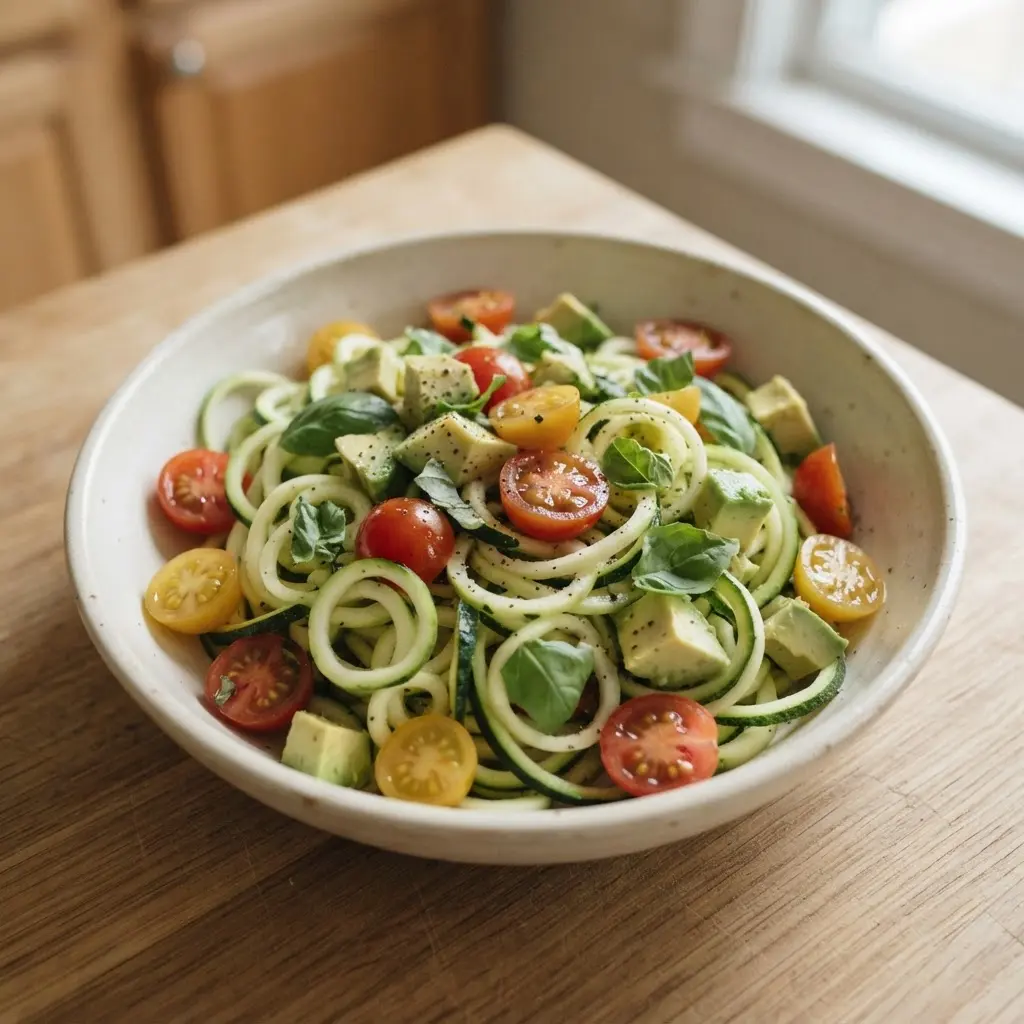
At noon, a container of plain zucchini noodles often leaves lunch feeling incomplete. This is where learning how to eat more raw foods becomes useful. Build the meal around fresh vegetable noodles, then add protein, healthy fat, and strong flavors. Zucchini, carrots, cucumbers, yellow squash, and jicama provide different colors and textures.
Wash and trim the vegetables before cutting them with a spiralizer, julienne peeler, mandoline, or knife. Use a spiralizer for long strands, or make thin matchsticks with a knife. Serve the noodles raw for a crisp meal. Sauté them with olive oil, garlic, and seasoning for 2–3 minutes, until slightly tender but still firm.
Complete the plate with grilled chicken, shrimp, tofu, eggs, beans, lentils, or edamame. Add avocado, nuts, seeds, olive oil, or vinaigrette for fat. Finish with lime juice and herbs, tahini, pesto, tomatoes, olives, or cheese. Research suggests meals with vegetables, protein, and fat offer a more complete structure than plain vegetable noodles alone.
Blanch noodles for 1–2 minutes if you prefer a softer texture, then transfer them to ice water. Avoid overcrowding the pan because crowded noodles steam and become soft. Keep dressing in a separate container during packing to prevent sogginess. Handle mandoline blades carefully and follow the tool maker’s safety guidance.
4. Create Raw Snacks for the Afternoon With Fiber
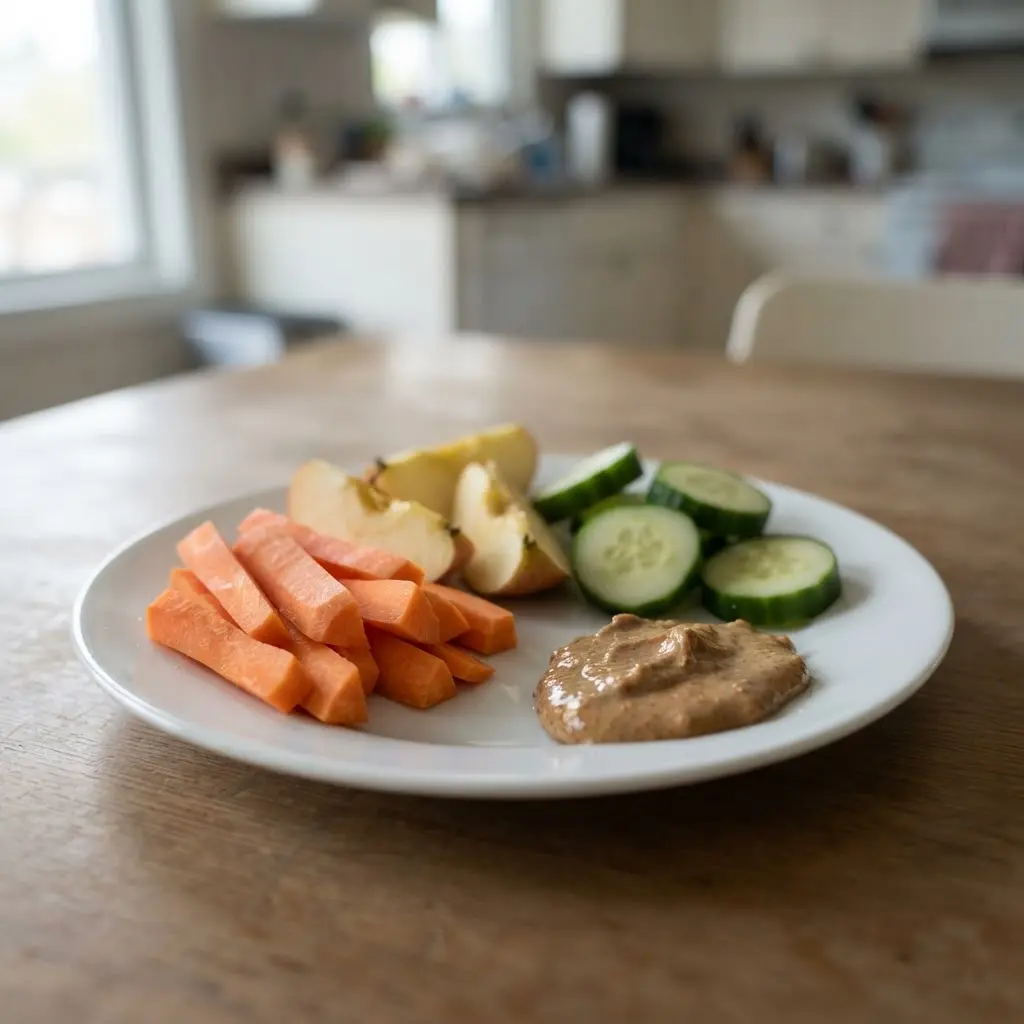
Raw snacks do not need to mean a bowl of fruit by itself. Pair produce with protein or healthy fat for a steadier, more filling afternoon option. Choose fiber-rich pairings such as apple slices with almond butter, pear slices with walnuts, or banana with peanut butter.
Prepare a snack in about 5 minutes by washing and cutting carrots, celery, bell peppers, or snap peas. Serve the vegetables with hummus or guacamole. Chickpeas in hummus add fiber and protein, while avocado in guacamole provides fiber and monounsaturated fat. Unsalted nuts and seeds add crunch, healthy fats, and minerals.
Berries offer another simple choice. Combine blueberries, raspberries, strawberries, or blackberries with almonds, walnuts, pumpkin seeds, or sunflower seeds. For a softer option, soak chia seeds in unsweetened almond milk or water until a gel forms. Add a small amount of berries for extra flavor and fiber.
Research suggests pairing fiber with protein or healthy fats makes an afternoon snack more satisfying than choosing fruit alone. Introduce higher-fiber foods gradually because large changes can cause digestive discomfort for some people. Choose unsalted nuts and seeds, and remember that steamed or dry-roasted edamame is cooked rather than raw.
5. Add Sprouts to Dinner Salads Safely and Gradually
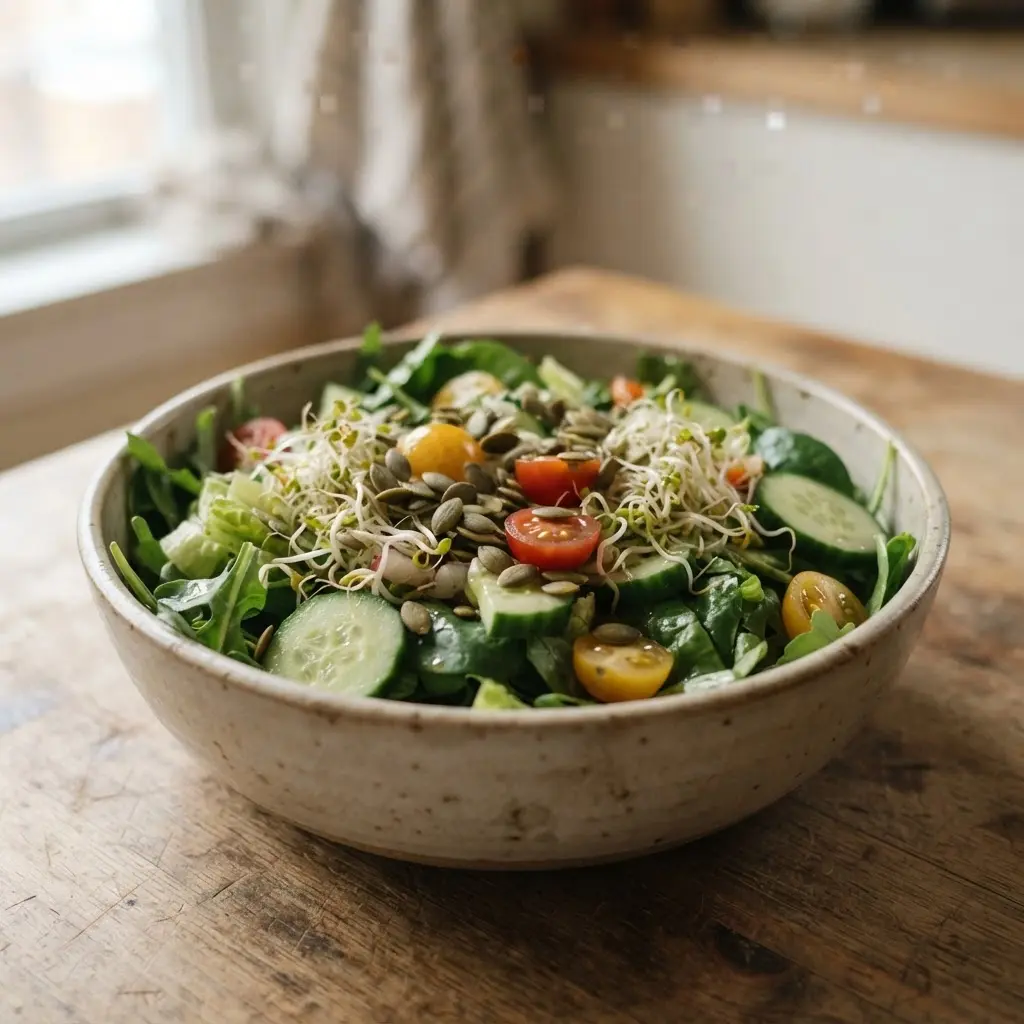
How should you add sprouts to a dinner salad? Start with a small portion, such as a spoonful mixed into your usual greens. Sprouts grow in warm, moist conditions, so bacteria can multiply during growing, harvesting, transport, or home sprouting. Raw sprouts have been linked with foodborne illness outbreaks.
Choose sprouts kept under refrigeration with fresh-looking leaves or stems. Reject any package with limp, slimy, or moldy sprouts. Store them in a clean container in the coldest part of the refrigerator at 40°F or below. Wash your hands before handling them, then rinse the sprouts under cool running water immediately before use. Rinsing supports safer handling, but rinsing does not remove every contamination risk.
Watch your digestion after the first serving. Sprouts add fiber, and a large portion can lead to gas, bloating, or discomfort for some people. Eat slowly and chew thoroughly. Increase the portion in small steps only after your body responds well. Research suggests gradual fiber increases produce fewer digestive complaints than sudden changes.
People with weakened immune systems, children, older adults, and pregnant women should use extra caution with raw sprouts. Choose cooked sprouts in stir-fries, soups, or omelets when foodborne illness risk needs special attention or raw sprouts cause discomfort. Cooking helps kill harmful bacteria and often makes sprouts easier to digest. Always consult a healthcare professional before making changes to your health routine.
When Professional Dietary Guidance Matters
Book a registered dietitian before adopting a fully raw or raw-vegan pattern, especially if you take medication or manage a health condition. Restricted menus need a nutrient review for protein, iron, calcium, vitamin D, zinc, selenium, omega-3 fats, and vitamin B12. Children, pregnant people, older adults, and people with digestive disorders often need individual advice before removing cooked staples.
A clinician helps assess weight changes, fatigue, stomach symptoms, and food safety concerns without treating raw eating as a cure. Keep cooked foods in the plan when raw legumes, tubers, or large amounts of rough produce cause discomfort. Professional review also matters when food allergies, diabetes, kidney disease, or a history of disordered eating affects meal choices. Bring a few days of meals and snacks to the appointment so gaps show clearly.
Conclusion
Fresh food often feels easier to enjoy when it fits your usual routine. You do not need to replace every cooked meal or follow strict rules. A few raw vegetables at lunch, fruit with breakfast, or a small salad at dinner adds variety without making food feel difficult.
As you practice how to eat more raw foods, pay attention to flavor, fullness, and digestion. Wash produce well under running water, keep cut foods cold, and start with portions your body handles comfortably. Pair fiber-rich produce with avocado, nuts, seeds, or yogurt for a more satisfying meal. Pick one idea from this guide and use it during your next meal. Small changes give you room to learn what tastes good and feels right for your daily life.
FAQs
Q: Is eating raw food safe for everyone?
A: Raw produce fits many healthy eating plans. People with a weakened immune system, pregnancy, or certain health conditions need extra food safety care and personal medical guidance.
Q: How should I wash raw fruits and vegetables?
A: Rinse produce under cool running water and rub firm surfaces with clean hands. Keep raw produce away from uncooked meat and store cut pieces in the refrigerator.
Q: Why do raw foods cause bloating?
A: Raw fruits and vegetables contain fiber, which often causes gas when portions rise too fast. Smaller servings and slower changes help your body adjust.
Q: How do I make raw meals filling?
A: Pair produce with avocado, nuts, seeds, beans, eggs, or yogurt. These foods add protein or fat and help meals feel satisfying.
Q: Should I eat only raw foods to be healthy?
A: No. A mix of raw and cooked foods supports variety and enjoyment. Choose the preparation style that feels good and fits your daily routine.