I know healthy eating often feels expensive or confusing. Seasonal foods make the process more practical because local prices, available produce, and simple meal ideas guide your choices. You do not need to change everything at once.
Start with one fruit or vegetable in season, then build a meal around it. This article explains five health benefits of eating seasonally, from nutrient quality and gut health to food costs, farming choices, and transport impacts. Let’s look at easy ways to bring these benefits into your weekly meals.
Reading Regional Growing Calendars Accurately
Check your region’s growing calendar before planning meals, since harvest dates differ even within the same country. A coastal area might offer tomatoes in early summer, while a colder inland area waits several weeks. Use the calendar’s planting, harvest, and peak-season dates rather than assuming every item marked local is ready now.
Local sourcing and seasonal availability overlap sometimes, yet they describe different facts. Food grown nearby might sit outside its natural harvest period after greenhouse production or storage.
Conversely, imported produce might be in season where it grew while local fields lie dormant. Check weekly market signs and farm updates when weather shifts the expected window. Those details help you choose fresher produce without treating one calendar as universal, and you can see the health benefits of eating seasonally when you track local harvest dates carefully.
Balancing Fresh, Frozen, And Preserved Foods
Frozen peas and berries often retain useful nutrients because processors freeze them soon after harvest. A bag of frozen produce also gives you steady access when fresh supplies cost more or look tired. Fresh foods bring crisp texture and peak flavor, while canned beans and tomatoes offer dependable pantry staples.
Drying, pickling, and freezing extend harvest foods into colder months and help reduce kitchen waste. Read labels for added salt or sugar, especially with canned fruit, vegetables, and sauces. Rinsing canned beans lowers some surface sodium without removing their fiber or plant protein.
Keep frozen vegetables plain when possible, then season them during cooking to control flavor and salt. Rotating fresh, frozen, and preserved foods gives your meals varied colors, textures, and nutrients throughout the year, which brings out the health benefits of eating seasonally.
1. Increased Nutrient Density and Bioavailability in Seasonal Produce
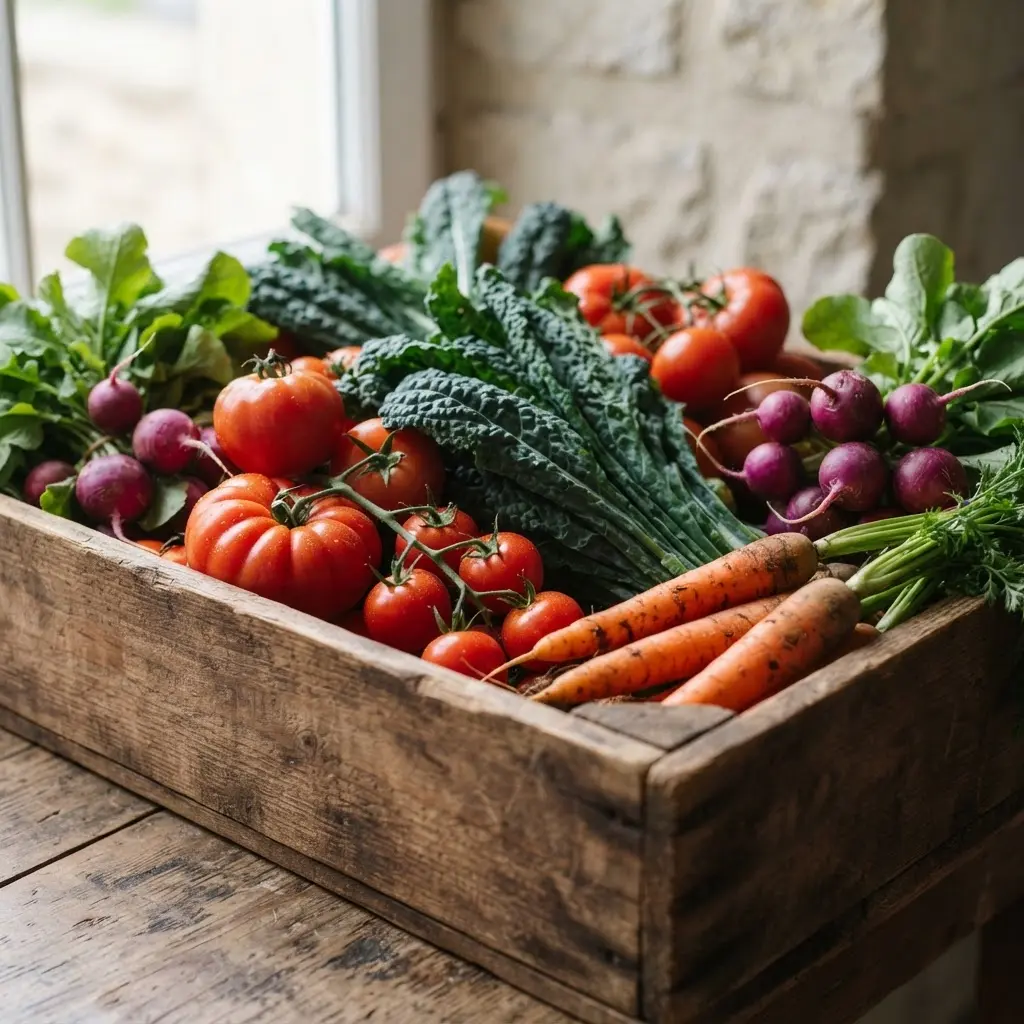
A common mistake is assuming every seasonal food is automatically more nutritious. Peak ripeness matters, yet crop variety, soil, climate, harvest timing, transport, storage, and cooking also shape nutrient levels. Seasonality supports better nutrition when produce reaches maturity close to the time you eat it, and tracking this timing shows the health benefits of eating seasonally.
Plants respond to daylight, temperature, soil conditions, and frost. These changes influence vitamin C, phenols, tocopherols, and other plant compounds. Fall-grown broccoli in one comparison contained nearly twice as much vitamin C as spring-grown broccoli.
Spinach grown around the winter solstice in subtropical regions also showed higher levels of several vitamin E forms, total phenols, and antioxidant capacity than spinach grown around the summer solstice in the subarctic. Frost exposure has been linked with changes in vitamins and other compounds in fermented cabbage and carrots, and many gardeners notice the health benefits of eating seasonally through these crop changes.
Bioavailability describes how much of a nutrient your body absorbs and uses. A higher nutrient level does not always mean your body receives a higher amount. Tomato research suggests seasonal eating affects circulating metabolites linked with tomato polyphenols, though tomato origin and daylight exposure also shaped the findings.
Research suggests seasonal produce provides a broader mix of plant compounds as growing conditions change. Choose fresh, locally available foods naturally in season, then store and prepare them carefully to protect nutrient content. Pair seasonal choices with a varied pattern of daily nutrient-rich food choices. Treat seasonality as one useful factor, not a guarantee of superior nutrition for every crop, so you can measure the health benefits of eating seasonally by focusing on fresh harvest windows.
2. Dietary Diversity and Gut Health Across Each Season
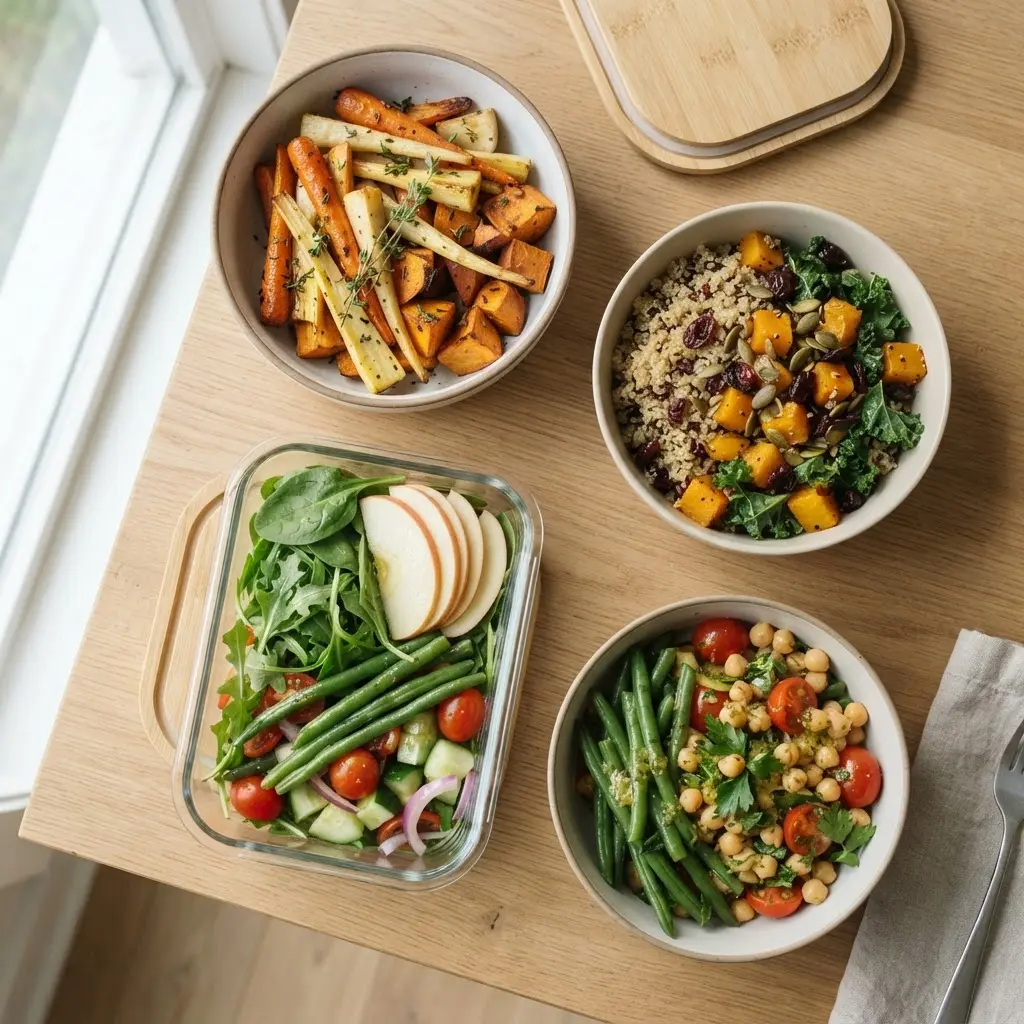
Rotate plant foods across each season instead of repeating the same produce all year. Choose different fruits, vegetables, nuts, seeds, and complex starches across a week. This broad approach highlights the health benefits of eating seasonally when you judge variety across the whole diet, not from one meal or one season.
Different foods supply different nutrients to the gut microbiome, the community of microorganisms living in the digestive tract. These nutrients influence which microbial groups thrive. A broad diet is linked with a more diverse and adaptable microbiome, although an association does not prove that dietary variety prevents disease, and understanding this balance supports the health benefits of eating seasonally.
Seasonal research shows why simple claims do not fit every population. Indian agrarian communities, Hutterites, and the Hadza of Tanzania showed microbiome changes as food availability shifted through the year. Among Hutterites, diversity was lower in summer than in winter, even with greater access to fresh produce.
Some bacteria might outcompete others when complex starches become more common. A Spanish study found no significant seasonal effect on intake or microbiome diversity. Build variety with locally available produce, whole grains or other complex starches, seeds, and nuts.
Add fermented foods according to personal preference, rather than treating them as a guaranteed gut-health solution. One study linked long-term fermented-food intake with lower microbial diversity in an Indian agrarian population, but this finding does not show that all fermented foods harm gut health.
Geography, age, body mass index, lifestyle, and overall diet shape the results. Seasonal microbiome research is observational and population-specific, so changing food choices does not establish disease prevention or treatment.
3. Reduced Exposure to Synthetic Chemicals in Food Choices

Fresh or frozen produce often offers a simpler option than heavily processed meals. At the grocery store, compare a basket of fresh berries, frozen vegetables, and packaged snack foods. This simple switch supports the health benefits of eating seasonally when you choose foods with fewer added preservatives, artificial colors, and sweeteners.
Read ingredient lists before buying packaged foods. Check less obvious products, including spices with silicon dioxide or dairy foods with polysorbate 80. Replace microwave popcorn with air-popped popcorn, margarine with butter, and flavored yoghurt with plain yoghurt topped with fruit or nuts.
Home cooking gives you direct control over added ingredients. You will notice fewer artificial additives when you follow the health benefits of eating seasonally through careful label reading. Wash fruits and vegetables under running water before eating or cooking.
Store leftovers in glass containers where practical, and avoid heating food in plastic containers. Cast iron, stainless steel, and glass cookware offer alternatives to nonstick pans. Do not treat the word “natural” as proof foods that support healing contains no synthetic chemicals.
Check recognised certifications, such as the USDA Organic seal, while keeping cost and access in mind. A varied diet still supports sound food choices when organic products are not affordable. Research suggests exposure depends on the specific substance, dose, and route of contact, so reducing additives does not guarantee better health outcomes. Maintain a practical focus on simpler foods, careful preparation, and accurate label reading.
4. Financial Savings and Market Prices for Seasonal Foods
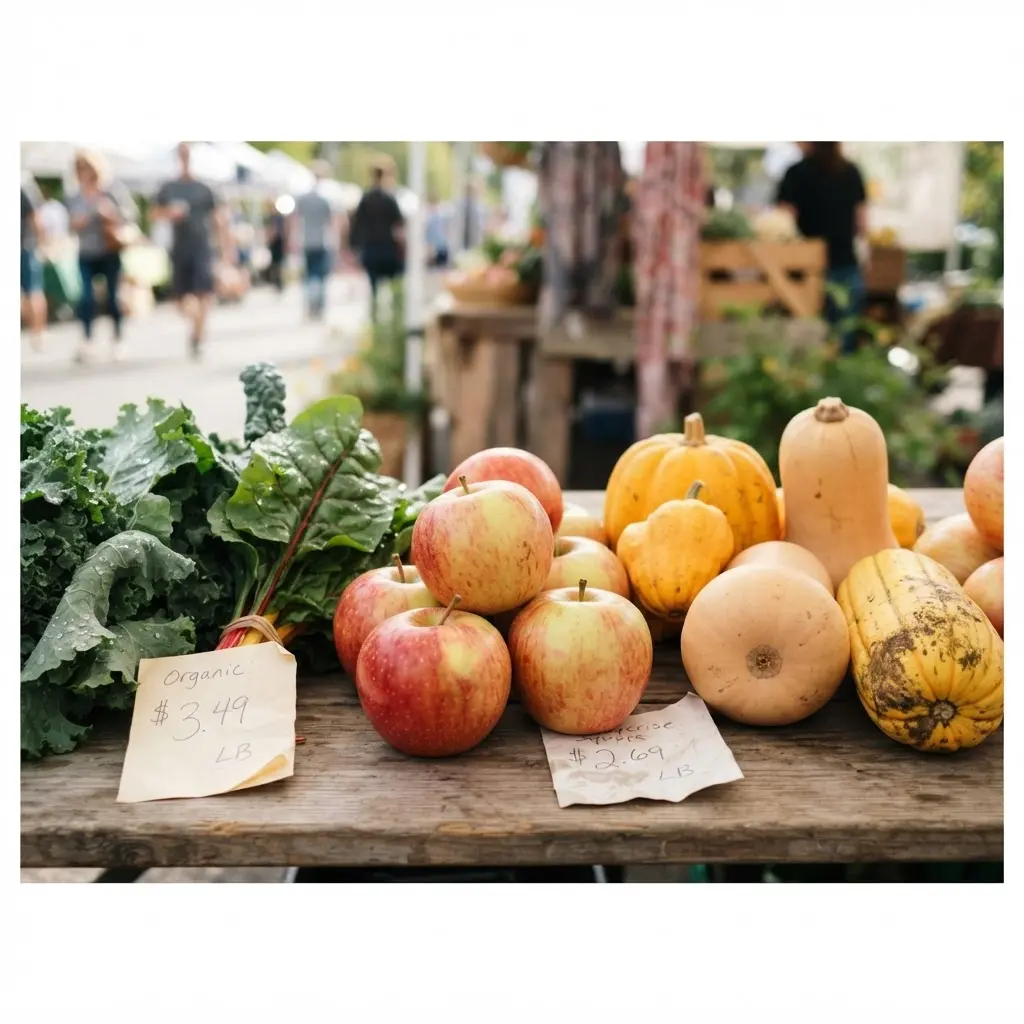
Seasonal produce is not always the cheapest choice. Prices depend on supply, growing conditions, transport distance, labour, and the store selling the food. Peak harvests often increase supply, which may lower prices through competition among growers and retailers.
Foods grown nearby also require less fuel, refrigeration, and long-term storage. These savings do not reach shoppers equally at every outlet. Compare unit prices before buying, and you will start noticing the health benefits of eating seasonally in your grocery budget.
Check supermarkets, roadside stands, farmers’ markets, and community produce schemes during peak harvest periods. Use weekly advertisements and store apps to plan affordable seasonal breakfasts around current produce prices. Buy larger amounts only for foods your household will eat soon or preserve safely.
Freezing, canning, and meal planning extend the value of a low-priced harvest. A bulk purchase saves money only when little food goes to waste. Direct sellers do not always offer the lowest price.
Cantaloupe has sometimes cost less at roadside stands, while carrots and white potatoes have sometimes cost more at farmers’ markets than at supermarkets. Frozen and canned produce provide budget-friendly choices during expensive off-season periods. Research suggests that matching purchases with periods of high supply offers a stronger financial strategy than treating the word “seasonal” as a guarantee of low cost.
Track local prices for several weeks to identify genuine bargains, and you will fully grasp the health benefits of eating seasonally through your spending habits.
5. Environmental Impact of Food Miles and Seasonal Shopping
Does buying local always create the lowest environmental impact? No. Food miles measure distance, not the full footprint of production, storage, transport, or shopping travel.
Start with the whole supply chain before judging a food choice. A crop grown during its natural season usually avoids some energy-intensive production methods. A locally grown crop produced out of season often uses more energy than seasonal produce imported from a suitable growing region.
Seasonal shopping therefore matters alongside local sourcing, not beneath it. Transport mode changes the result sharply. Air-freighted food deserves particular scrutiny because air travel creates high transport emissions.
One orange case study found trucked oranges from Mexico to New York produced six times more transport-related emissions than oranges shipped by containership from Chile, despite the shorter route. Research suggests transport efficiency often matters more than distance alone. Storage, refrigeration, and consumer travel add further effects.
Driving to a farm shop for one purchase raises the footprint, while buying food during an existing trip spreads the travel cost across several errands. Choose foods in season, avoid air-freighted items, and compare how each product was grown, stored, and delivered.
Combine shopping trips with existing travel when possible. Review land and water use alongside greenhouse-gas emissions, since one choice can perform better on one measure and worse on another.
Planning Flexible Meals Around Market Availability
Plan two or three interchangeable dinners around the produce listed at your local market each week. A flexible meal plan lets you swap spinach for kale, or peaches for apples, when supply or price changes. Choose recipes built around broad formats such as soups, grain bowls, sheet-pan meals, or salads.
So one missing ingredient does not derail dinner. Compare market prices with supermarket prices before buying large quantities, since local supply and farming costs affect value. Buy delicate berries in small amounts, while sturdy carrots, cabbage, and squash suit longer storage.
Freeze extra portions when quality is high, and mark containers with dates to guide later use. Flexible planning also reduces food waste because leftover greens, herbs, and cooked grains fit new meals.
Conclusion
Choosing food by season gives your meals a natural rhythm and helps you notice more variety throughout the year. It also connects health goals with practical choices at the market or grocery store. You do not need a perfect plan or a strict food list.
Pick one seasonal item during your next shopping trip and use it in a meal you already enjoy. Add a new fruit, vegetable, bean, or whole grain when it fits your budget. Frozen and canned options also have a place when fresh food costs more or is hard to find.
The health benefits of eating seasonally grow from small choices repeated over time. Keep a short list of favorites for each season, then return to it when meal planning feels tiring. Start with one change this week, and let your meals become more varied, affordable, and nourishing at a comfortable pace.
FAQs
Q: Does seasonal produce have more nutrients?
A: Fresh produce often has strong nutrient value when picked close to peak ripeness. Storage time, handling, and cooking also affect nutrient levels.
Q: Is eating seasonally cheaper?
A: Seasonal foods often cost less when local supply is high. Compare prices, buy what fits your budget, and use frozen options during costly months.
Q: How does seasonal eating support gut health?
A: Eating with the seasons encourages more variety across the year. A varied diet gives gut microbes different types of fiber from fruits, vegetables, beans, and whole grains.
Q: Does seasonal food reduce pesticide exposure?
A: Seasonal eating does not remove pesticide exposure. Wash produce under running water, scrub firm items, and ask local growers about their growing methods.
Q: How do I start eating more seasonal foods?
A: Choose one seasonal fruit or vegetable during each shopping trip. Plan one meal around it, then add more items as the habit feels easy.