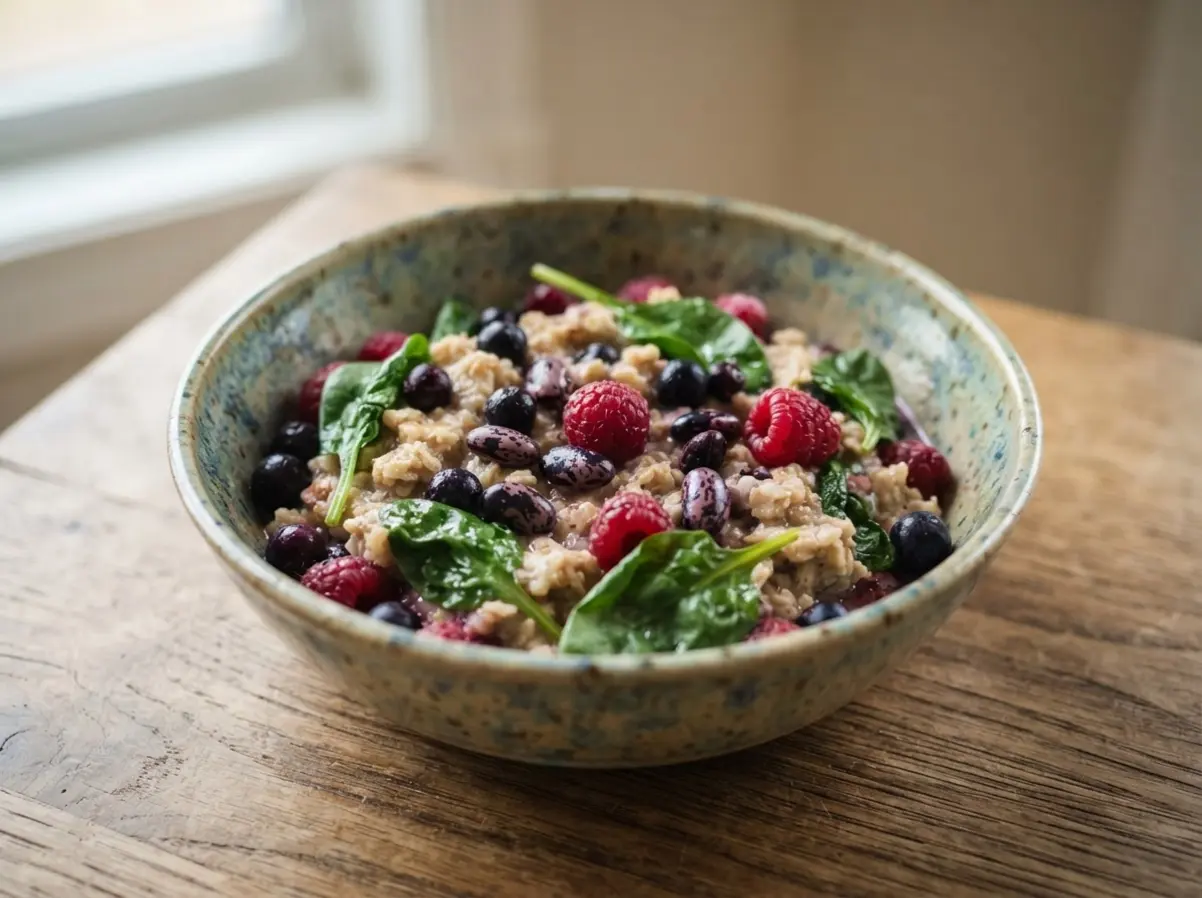
Do you deal with bloating, irregular bowel movements, or a heavy feeling after meals? The must follow tips for digestive health include eating fiber-rich foods, drinking fluids through the day, adding fermented foods, moving often, and slowing down at meals. These habits support smoother bowel movements and help ease common bloating for many people.
Digestive comfort often changes with food choices, meal timing, stress, and activity. Small shifts often feel easier than strict food rules. I keep the Must follow tips for digestive health in mind when planning meals.
Fiber from oats, beans, fruit, vegetables, and seeds supports healthy gut function. Soluble fiber absorbs water, while insoluble fiber adds bulk. Drink fluids as fiber intake rises.
Fermented foods such as yogurt with live cultures, kefir, sauerkraut, and kimchi fit many eating styles. Stress relief and regular walking also support comfortable digestion. I know daily routines feel personal, so this guide keeps changes practical.
Let’s build a simple plan you feel good about starting today. The Must follow tips for digestive health make that process simple.
Pairing Fiber Changes With Adequate Fluids
Pair each added serving of fiber with a full glass of water to help your bowel movements stay comfortable. Water supports soluble fiber from oats, beans, apples, and citrus as it forms a softer gel in the gut. Insoluble fiber from vegetables, whole grains, and wheat bran adds bulk. Keep fluids steady through the day rather than drinking a large amount with one meal. The Must follow tips for digestive health keep hydration steady.
Urine that stays pale yellow often suggests adequate hydration, while thirst, dry lips, or hard stools signal a need to drink more. People with kidney, heart, or liver conditions should ask a clinician about personal fluid limits before making a large diet change. Your body needs time to adjust.
Recognizing Normal Versus Concerning Digestive Symptoms
Blood in your stool, unexplained weight loss, or severe ongoing pain needs prompt medical care. Occasional gas after beans, lentils, or a sudden fiber increase often settles as your gut adjusts. Persistent diarrhea, constipation, vomiting, fever, or recurring pain deserves a clinician’s review, especially when symptoms disrupt sleep or daily tasks.
Keep a food and symptom diary for several days, recording meals, bowel changes, stress, sleep, and timing. This record helps your clinician check patterns without pushing you toward needless food restrictions. Seek urgent help for black stools, heavy bleeding, dehydration, or sudden intense pain. The Must follow tips for digestive health guide these daily checks. Do not blame every symptom on a single food before getting proper advice.
1. High-Fiber Whole Foods for Regular Bowel Movements
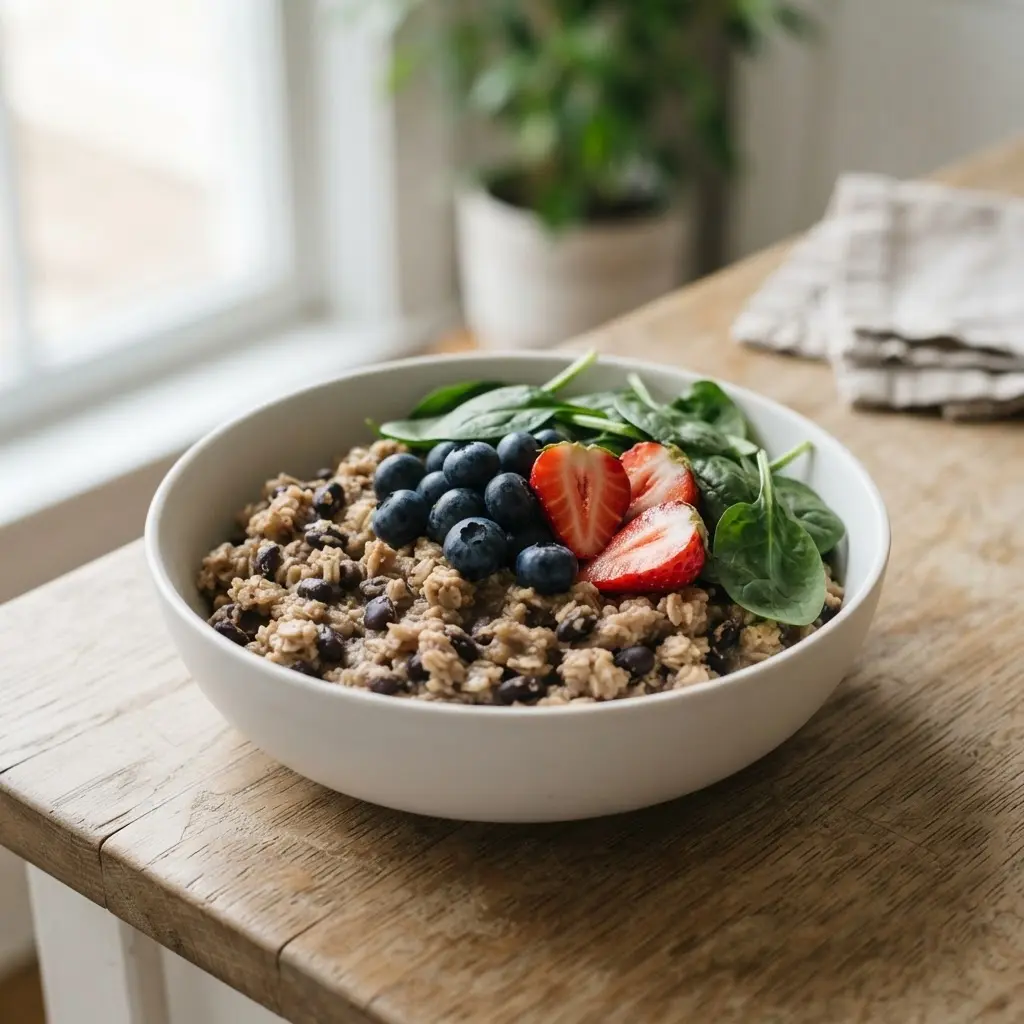
A common mistake is adding a large serving of high-fiber food overnight and expecting immediate regularity. The Must follow tips for digestive health warn against rushing changes. Increase fiber slowly across several meals instead. Choose oats, lentils, beans, pears, apples with skin, vegetables, and whole-grain bread.
Build meals around whole-food fiber rather than relying on heavily processed products. Add oats at breakfast, lentils to soup, or a pear as a snack. You will notice the Must follow tips for digestive health support steady habits. Keep portions moderate at first, then add more as your body adjusts. Regular bowel movements depend on consistent eating habits, not one unusually large serving.
Pair fiber-rich foods with regular fluid intake. The Must follow tips for digestive health stress steady fluid habits alongside fiber. Fiber absorbs water as food moves through the digestive tract. Adequate fluid supports softer stool, while a sudden increase in fiber without enough fluid might worsen discomfort for some people. Drink fluids throughout the day and increase high-fiber foods step by step.
No verified research source was supplied for this chapter, so avoid treating one food, serving size, or timeframe as a guaranteed fix. The Must follow tips for digestive health rely on patient tracking. Keep a food-and-symptom log for several days. Record meals, bowel patterns, bloating, and discomfort. Use those observations to guide gradual changes, and seek medical advice for persistent constipation, blood in the stool, severe pain, or unexplained weight loss.
2. Daily Hydration Requirements for Comfortable Digestion

Make plain water your main drink and spread fluids across the day. Aim for about 8–12 cups, or 2–3 liters, as a general daily target for most adults. Adequate fluid availability supports comfortable digestion. Research supports regular fluid intake as part of a balanced digestive health routine.
Do not treat 2–3 liters as a fixed requirement for every person. Activity level, hot weather, and personal health change affordable healthy daily foods. Increase fluid intake during strenuous activity or time spent in a hot climate, while keeping personal health guidance in view.
Include water-rich foods in meals and snacks. Fruits and vegetables contribute fluid alongside their other nutrients. Herbal teas also count toward daily fluid intake, especially when plain water becomes repetitive. Keep water as the default beverage, then use suitable foods and drinks to support a steady routine.
Drink moderate amounts at regular points, such as with meals and between meals, rather than relying on one large amount late in the day. A consistent pattern gives the body ongoing access to fluids and supports more comfortable digestion. People with individual health considerations need advice suited to their circumstances. Always consult a healthcare professional before making changes to your health routine.
3. Probiotic and Prebiotic Sources for Gut Support
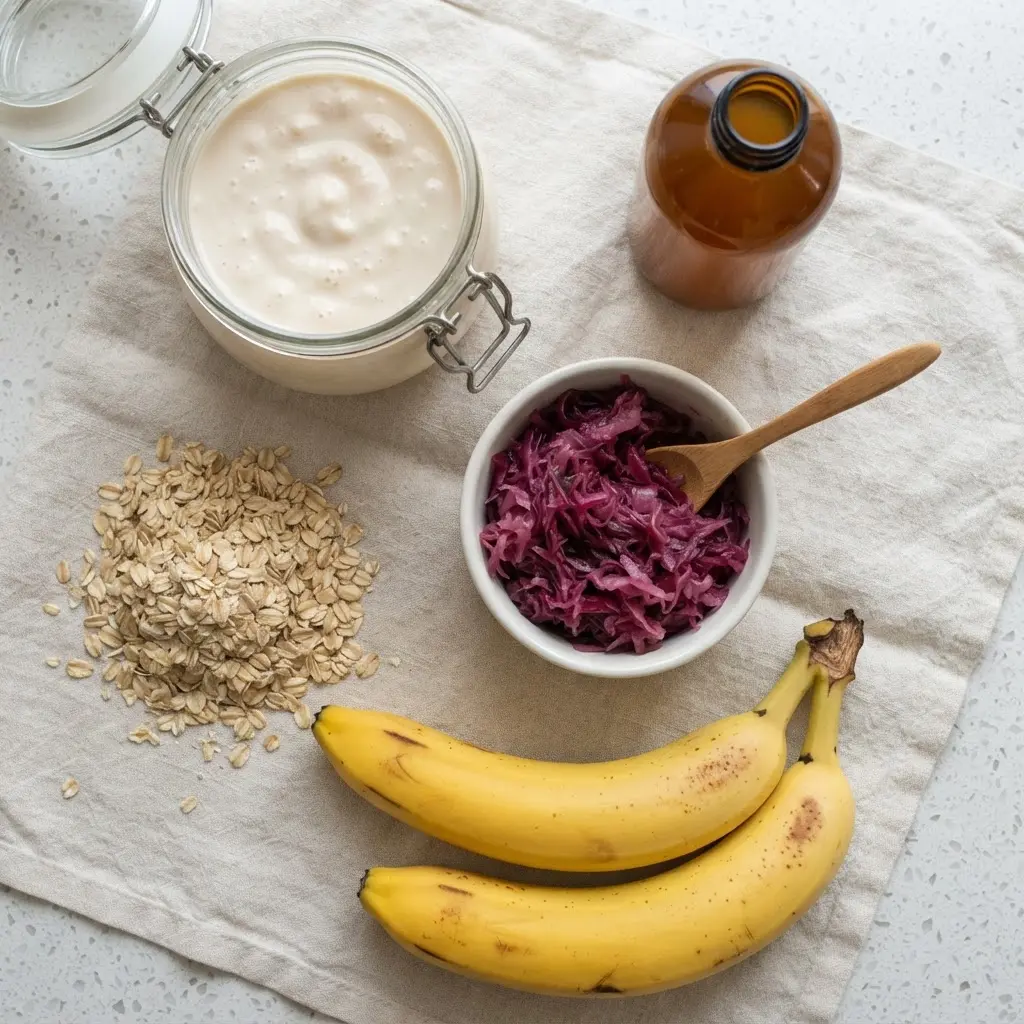
At breakfast, pair plain yogurt with oats and sliced banana. Choose yogurt marked live and active cultures, since heating after fermentation reduces living microorganisms. Kefir, kimchi, naturally fermented pickles, miso, tempeh, and unpasteurized sauerkraut provide other probiotic food sources. The health benefits of kefir depend on its microorganisms, processing, and your individual digestive health.
Check labels and storage details before buying fermented foods. Vinegar-pickled vegetables are not the same as naturally fermented vegetables. Refrigerated sauerkraut and pickles often preserve live cultures, while pasteurized products might not. Probiotic effects differ by microorganism, strain, dose, and product quality, so treat supplements as specific products rather than interchangeable options.
Feed the gut microbiome with prebiotic fiber from oats, beans, lentils, whole grains, onions, garlic, asparagus, artichokes, green bananas, and fruit. Resistant starch also comes from potatoes boiled and cooled before eating. Increase these foods gradually over several days and drink enough fluid. A sudden fiber increase often causes gas, bloating, or constipation.
Combine a probiotic food with a prebiotic food in one meal, such as yogurt with oats or kimchi with cooled rice. This pairing is sometimes called a synbiotic. Research suggests a varied diet supports beneficial gut microorganisms more reliably than relying on one supplement. Probiotic supplements require careful label review, including strain details, storage instructions, and serving information. Digestive responses vary. People with irritable bowel syndrome, inflammatory bowel disease, significant food intolerances, weakened immune systems, or other medical conditions need individualized advice before substantially increasing fermented foods, fiber, or probiotic supplements. Always consult a healthcare professional before making changes to your health routine.
4. Mindful Eating and Movement for Easier Digestion

Myth: easier digestion requires a strict diet or complete rest after meals. In truth, mindful eating supports practical habits without banning specific foods.
Begin meals with physical hunger rather than extreme hunger. Sit at a table, put away screens, and take small bites. Chew each bite thoroughly before swallowing. Notice taste, aroma, texture, and temperature. Pause midway to assess hunger and fullness. Use this approach to improve your eating habits and reduce automatic eating. Research suggests slower eating gives the brain more time to register satisfaction.
Take a gentle, 10 to 15 minute walk after a meal. Light movement supports regular gut motility and reduces prolonged sitting. Choose regular moderate activity, such as brisk walking or yoga, as part of your routine. Avoid strenuous exercise immediately after eating if physical discomfort follows. Perform poses such as Child’s Pose, Wind-Relieving Pose, or a seated spinal twist only within a comfortable range. Stop gentle movement if pain, reflux, or dizziness develops.
Drink water throughout the day, including before and after meals. Ordinary amounts during meals are not established as harmful to digestion. Persistent bloating, constipation, abdominal pain, vomiting, unexplained weight loss, blood in the stool, or ongoing bowel changes require medical evaluation. Always consult a healthcare professional before making changes to your health routine.
Building A Sustainable Daily Digestive Routine
Set a regular meal window and take a ten-minute walk after eating to support comfortable digestion. Similar meal times help your gut expect food, while gentle movement supports bowel regularity without intense exercise. Chew slowly, put your fork down between bites, and notice fullness before reaching for more. Keep a water bottle nearby, include fiber-rich foods across meals, and avoid making sudden changes after one uncomfortable day.
Stress, poor sleep, smoking, and heavy alcohol use often worsen digestive comfort, so track these habits beside symptoms. A steady routine leaves room for personal tolerance, social meals, and medical guidance when symptoms continue. Small adjustments tend to last longer than strict rules, especially when your routine fits work, family, and rest.
Conclusion
The Must follow tips for digestive health guide your daily choices. Your everyday food choices and routines shape how you feel after meals. A calm meal, enough fluid, steady movement, and a mix of fiber often support comfortable digestion. These must follow tips for digestive health work best when they fit your life, not when they feel like strict rules.
Start with one small change today, such as adding oats at breakfast or taking a short walk after dinner. Add fiber slowly if your meals have been low in it, and drink fluids through the day. Notice how your body responds without judging one meal or one bowel movement. If discomfort lasts, worsens, or comes with bleeding, fever, vomiting, or unexplained weight loss, speak with a health professional.
A gentle routine built over time often feels easier to keep. Choose one step now, then repeat it tomorrow before adding another habit.
FAQs
Q: What foods support regular bowel movements?
A: Oats, beans, lentils, fruit, vegetables, nuts, and seeds supply useful fiber. Increase fiber slowly and drink fluids through the day.
Q: How much water should I drink for digestion?
A: Fluid needs vary with body size, activity, weather, and food choices. Regular sips through the day support softer stools and help fiber work well.
Q: Is soluble or insoluble fiber better for digestion?
A: Both types support bowel health in different ways. Soluble fiber holds water, while insoluble fiber adds bulk and supports regular movement.
Q: Which probiotic foods fit daily meals?
A: Yogurt with live cultures, kefir, sauerkraut, kimchi, and other fermented foods fit many meal plans. Choose products with low added sugar when possible.
Q: When should ongoing bloating get medical attention?
A: Contact a health professional when bloating lasts or worsens. Seek prompt care for bleeding, fever, vomiting, severe pain, or unexplained weight loss.