
Want softer, tastier cookies with more nourishing ingredients? Healthy flour substitutes when making cookies include oat flour, almond flour, whole wheat flour, spelt flour, chickpea flour, coconut flour, and cassava flour. Each one changes moisture, spread, flavor, and softness. Start with a tested ratio instead of swapping cup for cup, especially with coconut, chickpea, or cassava flour.
I know it feels disappointing when a healthier batch turns dry, crumbly, or heavy. Flour does more than fill the bowl. It helps shape the cookie, hold moisture, and create a pleasant bite.
Let’s make the swap easier by looking at each flour’s taste, baking behavior, and best uses, because finding healthy flour substitutes when making cookies takes some practice. You’ll also find simple ways to handle extra moisture, add binding power, and keep strong flavors balanced. Choose a flour for your next batch and use these tips to bake with confidence.
Moisture Planning For Fiber Rich Flours
Coconut flour needs far more liquid than wheat flour, so a full cup-for-cup swap often leaves cookie dough dry and crumbly. Use it as a small portion of the blend, while eggs, milk, yogurt, or nut butter supply moisture without making the dough loose.
Whole wheat and oat flour also absorb more water because their fiber holds moisture. Give mixed dough a short rest before judging its texture, since bran and oat particles need time to soften.
If the dough still feels stiff, add liquid by the teaspoon rather than pouring in a large amount. When working with healthy flour substitutes when making cookies, patience with hydration prevents dry results. Almond flour contributes fat and tenderness, so blends with high-fiber flour often need less added oil. A small baked sample reveals whether cookies need more moisture or a firmer structure.
Allergen Checks For Nut And Seed Ingredients
Shared milling equipment often leaves wheat traces on oats and seed flours, so choose certified gluten-free oats when cross-contact matters. Almond flour and other tree-nut flours need separate checks for almond, walnut, pecan, and cashew allergies, even when a recipe names only one flour.
Sunflower seed flour offers a nut-free option, yet some people with seed allergies still need to avoid it. Read package labels for statements about shared equipment, then keep opened bags sealed and clearly marked in your pantry.
For gluten-sensitive households, use certified gluten-free grains rather than ordinary rolled oats or homemade oat flour. Keep nut and seed flours away from wheat flour during measuring, since loose particles transfer through scoops, containers, and work surfaces. When evaluating healthy flour substitutes when making cookies for family gatherings, checking labels protects everyone.
Tell anyone eating the cookies which flour blend you used, especially when serving children or guests with known allergies.
1. Almond Flour Nutrients and Texture in Cookies
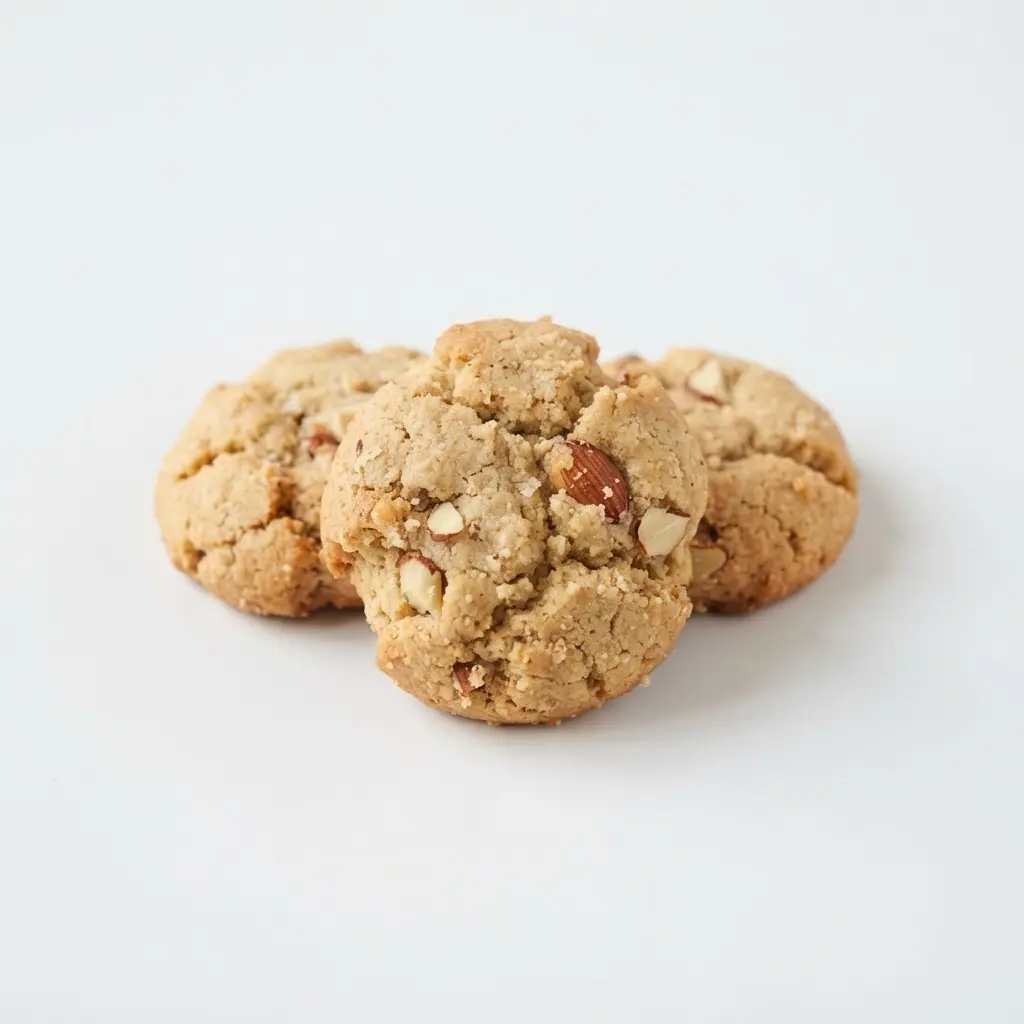
Treating almond flour as a one-for-one replacement for wheat flour is a common mistake. Start with fine-ground almond flour as roughly 25% of the total flour in a cookie recipe, a reliable starting point for healthy flour substitutes when making cookies. Almond flour lacks gluten, so dough develops less stretch and cookies often spread more during baking.
A 1/4-cup serving provides about 3 grams of fiber, 6 grams of protein, 9 grams of monounsaturated fat, and about 19% of the recommended daily magnesium intake. Understanding the nutrition in healthy flour substitutes when making cookies helps plan balanced treats.
One ounce also supplies about 35% of the recommended daily vitamin E intake. Almond flour contains no gluten and adds calcium, iron, potassium, manganese, copper, and phosphorus.
Natural almond oils retain moisture during baking. This produces a tender, moist, and sometimes chewy cookie with a mild nutty taste. Lower starch levels and natural oils also encourage faster browning. Baking research links these differences to softer texture, more spreading, and a greater risk of fragile cookies.
Choose blanched almond flour for a lighter color and smoother crumb. Keep eggs, butter, and sugar balanced because these ingredients support moisture and structure. Monitor the oven closely near the end of baking, especially around the edges. Almond flour is nutrient-rich, but it is not lower in calories or fat than wheat flour, since whole almonds supply much of its fat.
2. Oat Flour for Chewy Cookies and Gentle Flavor

Replace up to 20% of the wheat flour with oat flour rather than swapping the full amount. Start with about 1¼ cups all-purpose flour and ¼ cup oat flour. This balance adds a chewy, tender texture while wheat flour supplies much of the structure. Testing healthy flour substitutes when making cookies works best with partial swaps first.
Oat flour brings a mild sweetness, subtle nuttiness, and a warm toasted note without overpowering chocolate, spices, or dried fruit. Mill rolled oats into fine oat flour when preparing it at home.
Process the oats until the powder looks close to confectioners’ sugar. Coarse pieces weaken the dough and leave cookies more likely to crumble. Mix the oat flour evenly with the other dry ingredients before adding them to the wet mixture. Some formulas include cornstarch to support cohesion.
Chill the dough before baking. Cold dough spreads more slowly, so the cookies keep a fuller shape instead of turning flat. After baking, leave the cookies on the tray for about 10 minutes. The centers continue setting during this time, which gives the finished cookies a firmer surface and a chewier middle.
Judging texture straight from the oven often leads to unnecessary extra baking. Many bakers find partial oat flour replacement improves tenderness without sacrificing the familiar structure of a wheat-based cookie. Choose certified gluten-free oat flour when gluten exposure is a concern, since ordinary oat products can face cross-contact during processing. Keeping notes on healthy flour substitutes when making cookies saves time later.
Keep the first batch within the 20% limit, then adjust only after checking spread, cohesion, and chew.
3. Coconut Flour Absorption and Moisture Balance
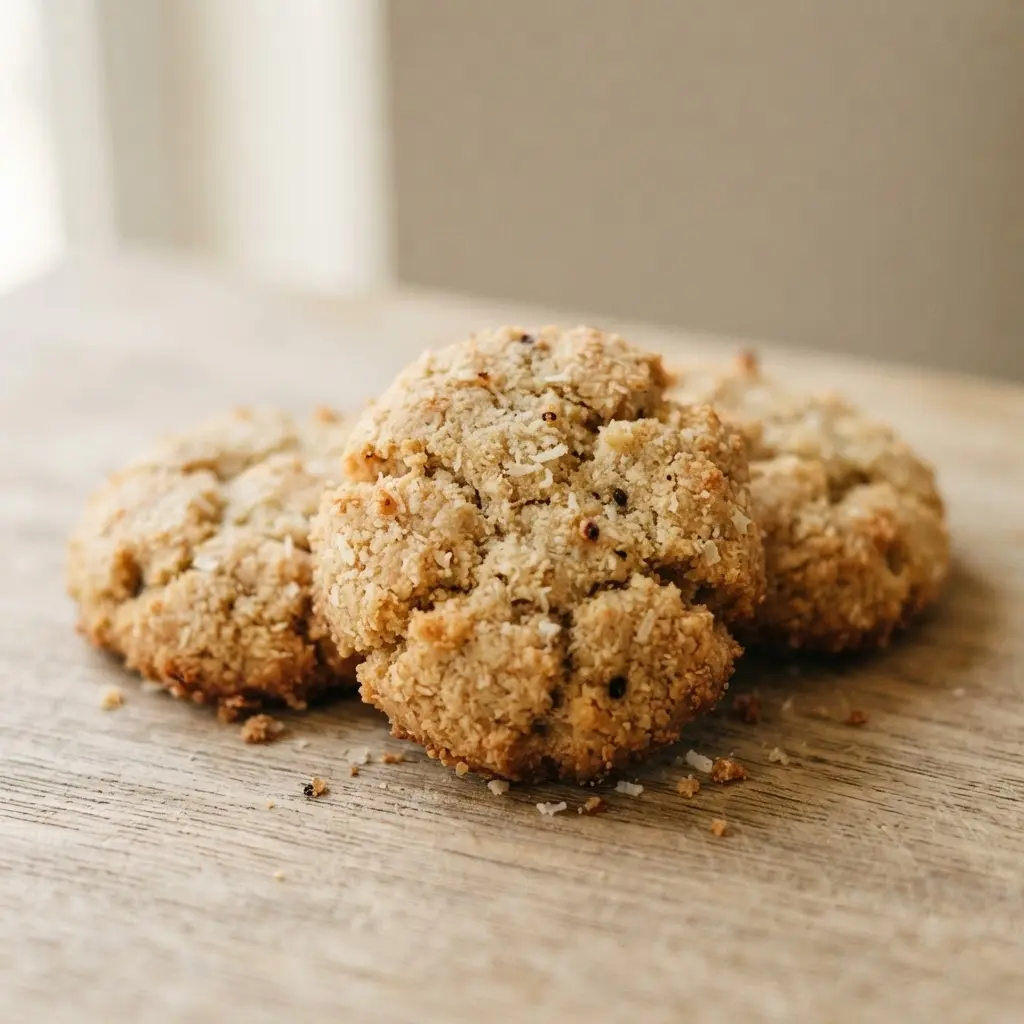
At 7 a.m., a cookie dough made with coconut flour can turn thick within minutes. Learning about healthy flour substitutes when making cookies prevents morning baking frustration.
Add liquid gradually as the flour absorbs water quickly through its high fiber content. A workable dough should hold together without feeling powdery or stiff.
Defatted dehydrated coconut flour absorbs about 11.73 grams of water per gram of flour. Wheat flour absorbs about 9.00 grams per gram. Finer particles, especially those smaller than 150 micrometers, often take up more water. Research suggests this difference strongly affects cookie dough viscosity and final texture.
Use extra water, milk, or another suitable liquid instead of relying on a direct flour-for-flour swap. Add small amounts, mix, then wait briefly before judging the dough. Adjusting moisture is a daily task when baking healthy flour substitutes when making cookies for family.
Coconut flour absorbs oil less readily than wheat flour, with reported oil absorption near 1.03 to 1.07 milliliters per gram versus about 1.40 milliliters per gram for wheat flour. Extra oil does not correct a dough lacking enough water.
During baking, some moisture escapes while some stays bound within the flour fibers and carbohydrates. Cookies containing coconut flour might lose more weight through evaporation while still retaining higher final moisture. This moisture retention often supports softer storage texture, while poor adjustment produces dense or crumbly cookies.
Keep the dough cohesive before baking, then monitor spread and firmness as the cookies cool.
4. Whole Wheat Flour Baking Ratios for Cookies

A common belief says whole wheat flour works exactly like all-purpose flour in cookies. Testing healthy flour substitutes when making cookies reveals different absorption rates right away.
Whole wheat flour absorbs more liquid because the bran and germ remain in the flour. The result is a nuttier flavor and a denser, chewier texture. Replace flour by weight, not by volume, for a more reliable dough.
Start with a 50/50 blend when adapting a familiar recipe. For 250 g of flour, use 125 g all-purpose flour and 125 g whole wheat flour. Mix the dough gently, then check its texture before adding liquid. Add 1 to 2 tablespoons of milk or water only if the dough feels dry or crumbly.
A full substitution creates a heartier cookie. Use 250 g whole wheat flour in place of 250 g all-purpose flour, then add additional liquid gradually, beginning with 2 tablespoons and adding up to 4 tablespoons as needed. Refrigerate the dough for at least 30 minutes. Overnight resting gives the flour more time to hydrate and often improves the finished texture.
Common cookie ratios include fat at 50 to 75 percent of flour weight, sugar at 75 to 100 percent, eggs at 25 to 50 percent, and leavening and salt at 0.5 to 1 percent each. One large egg weighs about 50 g. Research suggests higher-fiber ingredients support a more filling eating pattern, though cookie portions still matter. Tracking results for healthy flour substitutes when making cookies leads to better batches.
Weigh the flour and adjust slowly rather than pouring in all the liquid at once.
5. Spelt Flour Digestion and Mild Nutty Flavor

Does spelt flour change the taste of cookies? Yes. Spelt adds a mild nutty flavor with a slight sweetness. Observing flavor changes in healthy flour substitutes when making cookies guides your recipe choices.
The taste brings whole-grain depth without covering chocolate, spices, or dried fruit. Spelt is an ancient grain related to modern wheat. The flour provides carbohydrates, dietary fiber, iron, magnesium, phosphorus, zinc, and niacin.
Fiber supports regular bowel movements, though digestive responses differ from person to person. Research suggests some people tolerate spelt more easily than modern wheat because of its gluten structure and higher fiber content.
Start with a one-to-one swap for all-purpose flour in many cookie recipes. Spelt often absorbs less liquid, so the dough might become sticky if the recipe uses the full liquid amount. Hold back a small portion of the liquid, then check the texture before adding more.
Mix only until the ingredients combine. Excess mixing produces tougher cookies. Keep one gluten warning in mind. Spelt is not gluten-free and does not suit people with celiac disease or gluten intolerance.
Some people with irritable bowel syndrome also react to spelt because the flour may contain FODMAPs. Fermented spelt, such as sourdough preparations, has reduced FODMAP levels, though personal tolerance still varies. Always consult a healthcare professional before making changes to your health routine, especially when exploring healthy flour substitutes when making cookies for sensitive stomachs.
6. Chickpea Flour Protein and Cookie Structure
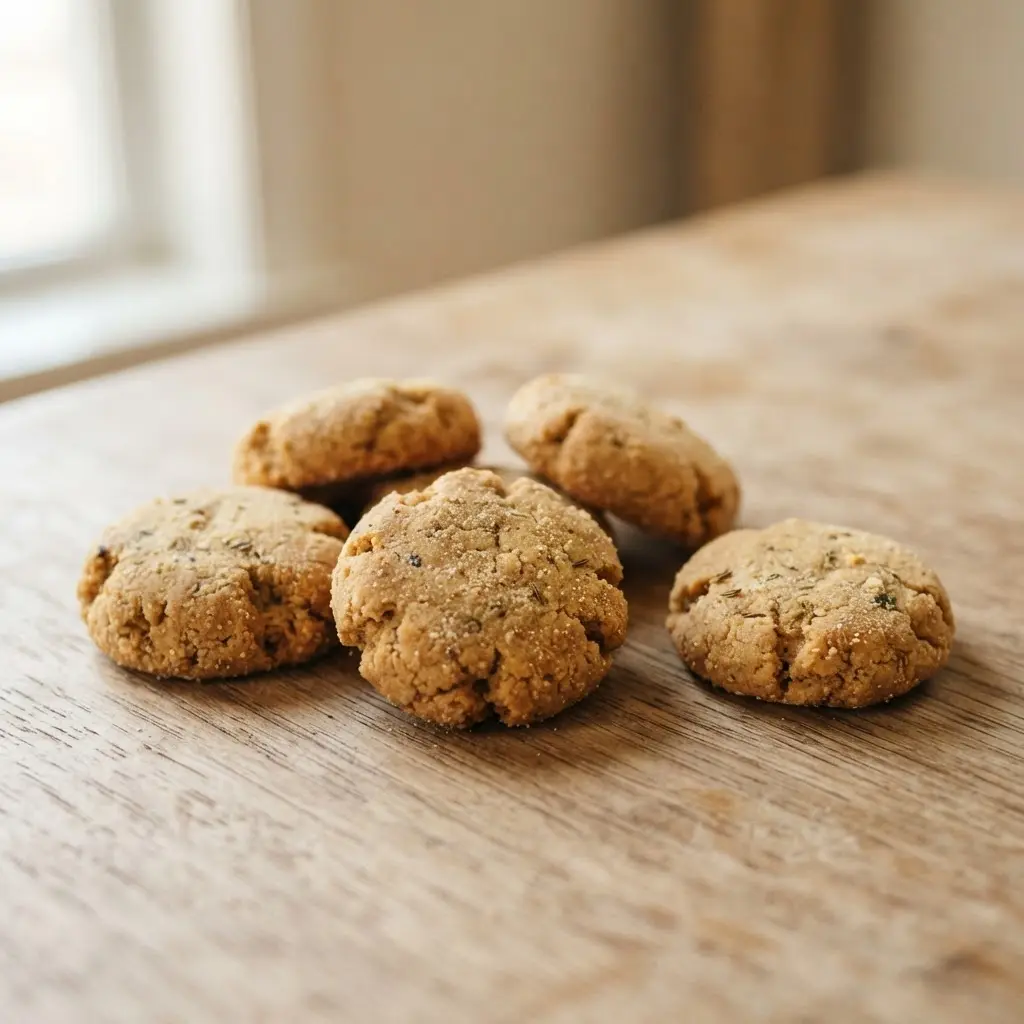
Unlike wheat flour, chickpea flour adds legume protein without forming the same gluten network. Use chickpea flour as a functional ingredient, not as a neutral one-to-one swap. Chickpea proteins include globulins, vicilin, and legumin, while wheat relies mainly on gliadin and glutenin. Noting these traits helps master healthy flour substitutes when making cookies.
These differences change dough strength, water retention, spread, and finished texture. Protein and fat from chickpeas help hold starch within the dough during baking. This limits starch gelatinization and changes the cookie structure.
A study reported an approximately 50 percent rise in cookie protein after complete wheat-flour replacement with chickpea flour. Higher protein does not guarantee a softer cookie. Dough often becomes thicker, and baked cookies may turn denser or harder.
Choose raw chickpea flour for different dough behavior from cooked or germinated flour. Cooked chickpea flour retains more water and often produces firmer, thicker, more cohesive dough. Preparing healthy flour substitutes when making cookies requires testing each type first.
Stickiness can make mixing, portioning, and shaping harder. In gluten-free cookies, chickpea flour often reduces spread. In wheat-based formulas, hardness varies with the other flour and the total recipe balance.
Research suggests chickpea protein and fat also reduce starch digestibility measured in laboratory tests, increasing slowly digestible and resistant starch portions. Adjust liquid carefully, chill sticky dough before portioning, and expect less spread during baking. Treat chickpea flour as both a protein source and a structure-changing ingredient.
7. Cassava Flour Gluten-Free Baking for Tender Cookies

Packing cassava flour into a measuring cup is a common mistake. The extra flour absorbs more moisture and leaves cookies dry and crumbly. Measuring accurately matters most when using healthy flour substitutes when making cookies at home. Use a kitchen scale for the most reliable amount.
Without a scale, spoon the flour lightly into a cup and level the top without pressing it down. Cassava flour gives gluten-free cookies a soft, tender crumb. Combine it with softened butter rather than melted butter, since melted fat often causes excessive spreading.
Use one egg for a tender, slightly chewy texture. More than one egg often produces a cakey or rubbery result. A blend of granulated sugar and honey also supports a chewier center.
Follow the recipe order closely by whisking dry ingredients before adding them to the wet mixture. Chill the dough for 10 to 15 minutes when the mixture feels loose or difficult to handle. Bake at 350°F (180°C) for about 8 to 10 minutes, or use 375°F for thicker cookies.
Remove them when the edges or bottoms show light browning. Do not judge cassava flour cookies while they are hot. The cookies often feel fragile straight from the oven, then firm as they cool. Leave them on the baking sheet until fully set, since moving them too soon increases breakage.
Research suggests careful measuring, restrained egg use, and thorough cooling support the soft texture many home bakers want. Use full cooling time before transferring the cookies to a storage container.
Texture Adjustments After The First Test Batch
A cookie that spreads too far needs colder, firmer dough or a little more flour, while a thick, dry cookie needs added moisture. Compare the baked sample with the raw dough before changing the whole batch, because a stiff dough often signals excess coconut flour or oat fiber.
For dry centers, an extra egg yolk adds fat and binding without the extra water found in a whole egg. For thin, greasy edges, reduce added fat slightly or chill the dough longer before baking another sample. Almond flour cookies usually need gentle handling because their low gluten level gives them delicate structure and more breakage.
Whole wheat cookies often benefit from a little extra liquid, while oat flour usually creates a tender crumb with mild sweetness. Record the flour blend, dough weight, oven temperature, and spread so your next adjustment has a clear reference.
Conclusion
Healthier cookies still deserve a pleasant bite, familiar flavor, and a recipe you feel good serving. Healthy flour substitutes when making cookies work best when you treat each flour as its own ingredient, not as a perfect cup-for-cup match. Oat flour suits soft, chewy cookies, while almond flour adds richness. Coconut flour needs extra moisture, and whole wheat or spelt flour brings a heartier taste.
For your next batch, pick one substitute and change only one part of the recipe. Check the dough before baking. Add a little liquid if it feels dry, or chill it if it spreads too much. A small test batch gives you useful feedback without using a full bowl of dough.
Keep notes on the flour, liquid, bake time, and texture. With a few calm adjustments, healthier cookies fit easily into your usual baking routine. Start with the flour best matched to the cookie you want.
FAQs
Q: Which flour substitute gives cookies the most familiar texture?
A: Oat flour often gives cookies a soft, chewy bite with a mild taste. A blend with whole wheat or all-purpose flour creates a closer match to classic cookies.
Q: Is coconut flour a one-to-one swap for wheat flour?
A: No. Coconut flour absorbs a large amount of liquid, so recipes need less flour and extra moisture.
Q: Are nut flours a good choice for healthier cookies?
A: Nut flours add protein, fiber, and a rich taste. Almond flour also makes cookies tender, though the dough spreads differently from wheat-based dough.
Q: How do I stop gluten-free cookies from crumbling?
A: Use a binder such as an egg or ground flaxseed mixed with water. Let the baked cookies cool fully before moving them from the tray.
Q: Do whole-grain flours make cookies dry?
A: Whole-grain flours absorb more liquid than refined flour. Extra moisture, a short mixing time, and careful baking help keep the cookies tender.