When planning weekly meals, remember the Best foods for strengthening your immune system include citrus fruits, leafy greens, fish, eggs, beans, whole grains, nuts, seeds, and fermented dairy. These foods supply vitamin C, vitamin D, zinc, protein, healthy fats, and helpful bacteria. Eating a varied mix supports normal immune function.
Good nutrition does not depend on one special food. Your body benefits from regular meals with different colors, textures, and nutrient sources. Citrus adds vitamin C, fish supplies omega-3 fats and vitamin D, and yogurt with live cultures supports gut health. Beans, seeds, and whole grains add protein, zinc, and fiber. Sleep, water, movement, and stress care matter too. I’ll walk you through five food groups and easy ways to add them to meals. Let’s make your next grocery trip simple and useful.
Nutrient Absorption And Meal Pairing
Pairing beans or lentils with bell peppers helps your body absorb more plant-based iron because vitamin C improves iron uptake. Citrus, kiwi, strawberries, and broccoli supply vitamin C alongside meals built around legumes, tofu, or tempeh. Adding a small amount of olive oil, avocado, nuts, or seeds to spinach, kale, carrots, or sweet potatoes helps your body use carotenoids, plant pigments linked with vitamin A activity.
The Best foods for strengthening your immune system naturally pair well on a plate. Fat from eggs, yogurt, or fish also supports absorption of vitamins A, D, E, and K. Whole grains, beans, and seeds provide fiber, so increase them gradually and drink enough water to support comfortable digestion. A varied plate works better than chasing one nutrient, especially when allergies or a restricted diet limit certain pairings.
Food Safety For Fermented Products
Keep opened kimchi, sauerkraut, and miso refrigerated, with clean utensils used each time to limit contamination. Choose packages with clear dates, intact seals, and storage directions, then follow the label rather than assuming every fermented food contains live cultures. Pasteurization and heat processing reduce or remove some living microbes, while probiotic effects vary by strain and product.
The Best foods for strengthening your immune system require proper handling to stay safe. Discard anything with fuzzy mold, a rotten smell, a swollen container, or an unusual texture. Do not taste food showing spoilage, since harmful microbes sometimes leave no obvious warning. Fermented vegetables often contain considerable sodium, so compare labels if high blood pressure or salt sensitivity affects your eating plan. Refrigerated yogurt and kefir need the same attention to dates and cold storage, especially after opening.
1. Vitamin C Rich Citrus Fruits for Daily Variety
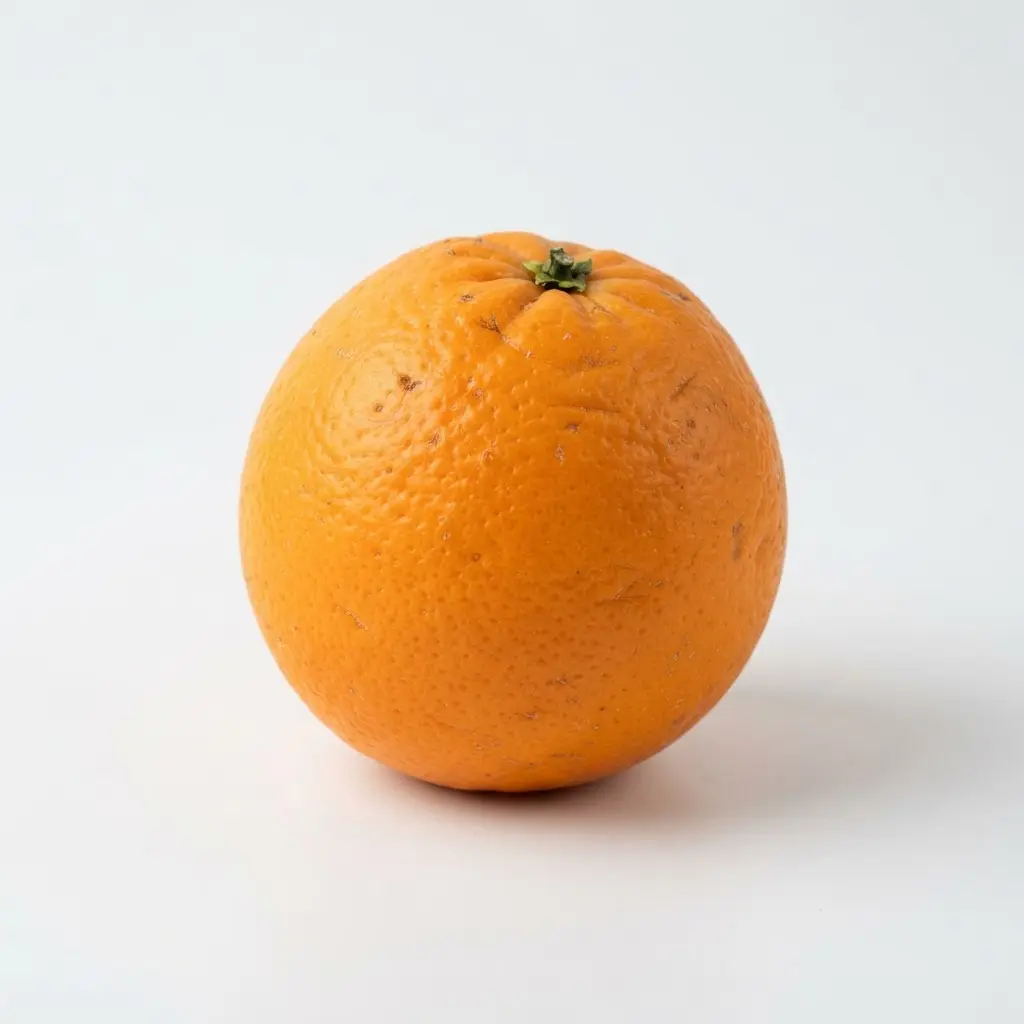
A common mistake is assuming every citrus fruit provides the same amount of vitamin C. Choose citrus variety instead. The Best foods for strengthening your immune system appear in seasonal aisles. One orange supplies about 70 to 90 milligrams, while one grapefruit provides about 80 to 100 milligrams. Lemons offer roughly 30 to 40 milligrams per fruit, and limes provide about 20 to 30 milligrams. Fruit size, variety, ripeness, and storage history change these amounts.
Use whole citrus fruit in portable snacks, fruit salads, meals, or toppings. Eat oranges and clementines between meals. Clementines are often sweetest and juiciest from November through January. Add lemon or lime juice to water, dressings, marinades, and cooked foods. Choose 100% grapefruit juice when using juice as a vitamin C source.
Vitamin C supports normal immune-system function and contributes to skin and bone health. Research suggests that using citrus fruits for glowing health gives meals a practical source of this nutrient while adding different flavors and textures. The Best foods for strengthening your immune system show up clearly in seasonal guides. Seasonal choices include oranges from November through April and ruby red grapefruit from October through April.
Protect fresh citrus storage from prolonged heat and extended storage. Vitamin C levels can decline over time, while storage around 15°C for up to 56 days helped limit loss under the referenced conditions. Use fruit while fresh, and treat citrus as nutritional support rather than guaranteed protection from infection or disease. Always consult a healthcare professional before making changes to your health routine.
2. Zinc-Dense Whole Grains and Proteins for Immune Support

Choose a zinc-containing whole grain for one meal each day, then add a protein source. Oats, quinoa, brown rice, spelt, and wheat germ supply zinc along with fiber and other nutrients. Stir wheat germ into yogurt or cereal, or serve quinoa with lentils for a balanced plant-based meal. Many shoppers look for the Best foods for strengthening your immune system when filling their pantry.
Build lunch or dinner around zinc-rich protein sources, then add a whole grain or legume. Oysters provide exceptionally high amounts of zinc. Beef, lamb, pork, chicken, turkey, cheese, and yogurt offer additional options, with zinc from animal foods generally absorbed more easily than zinc from plants. Lentils, chickpeas, beans, pumpkin seeds, hemp seeds, and cashews support plant-based eating. Soak, sprout, or ferment legumes and grains before cooking when practical. These steps reduce phytates, which bind minerals and limit zinc absorption.
Research suggests a varied diet supports normal immune function more reliably than relying on one food. Combine oats with pumpkin seeds, brown rice with poultry, or yogurt with hemp seeds. Add citrus fruit, bell peppers, or broccoli for vitamin C and greater meal variety. The Best foods for strengthening your immune system shine when combined wisely. Zinc-rich foods do not guarantee protection from illness or replace medical treatment. Always consult a healthcare professional before making changes to your health routine.
3. Probiotic Fermented Dairy Products for Gut Health
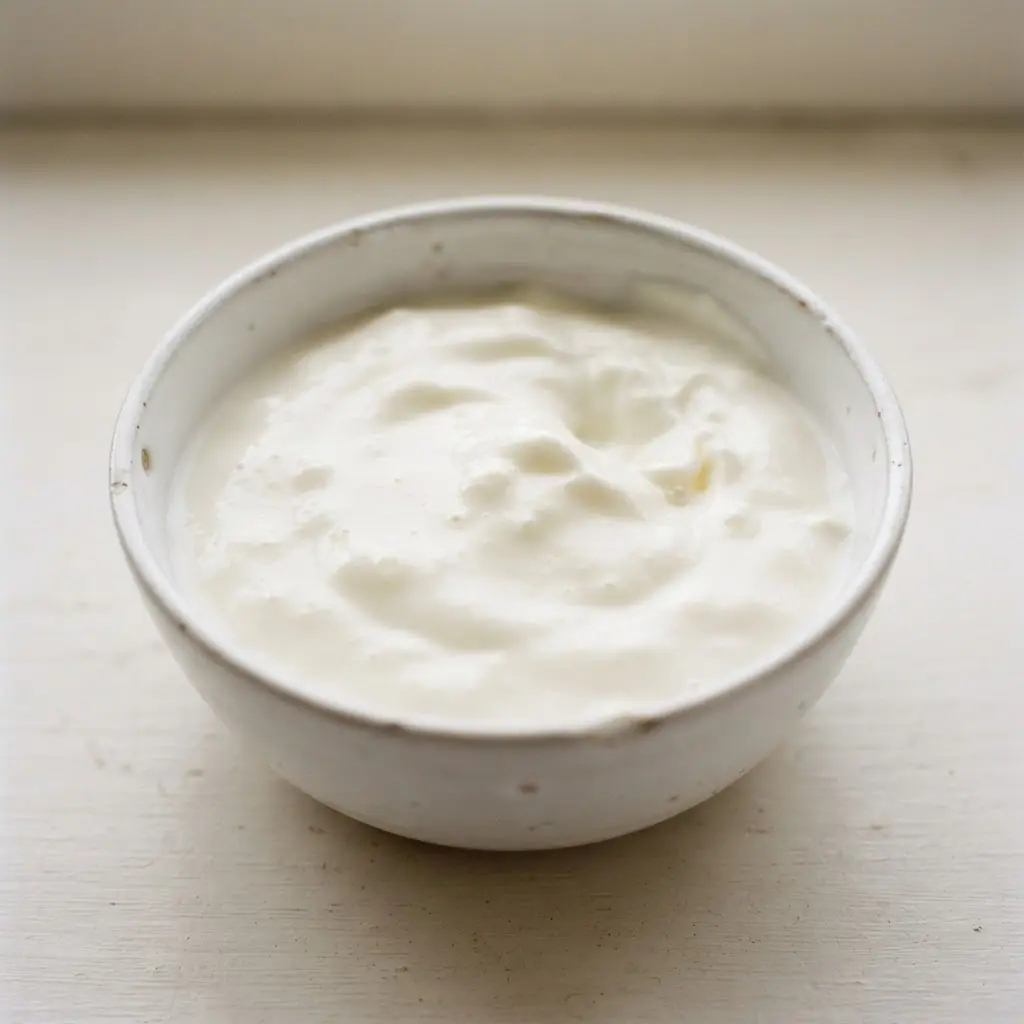
At breakfast, choose plain yogurt with live cultures instead of assuming every dairy product offers the same gut support. Yogurt, kefir, and cultured milk drinks are fermented with live microorganisms. Some finished products contain active cultures, while others do not. Read the label for live microorganisms or named probiotic strains.
Fermentation changes parts of the dairy food and creates compounds that interact with the gut environment. Certain strains may support Lactobacillus and Bifidobacterium, microbial diversity, the intestinal barrier, and immune signaling. The Best foods for strengthening your immune system often include cultured dairy. Choosing a fermented dairy drink requires checking live-culture labeling because the probiotic benefits of kefir vary by strain.
Use strain-specific labeling when comparing products. Benefits linked to Bifidobacterium longum BB536 in fermented milk do not automatically apply to every yogurt or cultured drink. Fermentation conditions, serving size, storage, and individual tolerance all shape the response. Microbial activity also produces short-chain fatty acids, compounds associated with intestinal health.
Research suggests fermented dairy intake may ease some digestive symptoms, including abdominal discomfort, flatulence, and constipation, while studies have linked intake with lower TNFα levels. These findings show possible gut and immune support, not a guaranteed treatment for disease. Start with a product you tolerate and avoid versions high in added sugar. The Best foods for strengthening your immune system fit naturally into breakfast bowls. Always consult a healthcare professional before making changes to your health routine.
4. Omega-3 Fatty Acids from Fish for Balanced Nutrition

Many people believe all fish provide the same amount of omega-3 fats. The truth is different. The Best foods for strengthening your immune system often feature cold-water catches. Fatty cold-water fish such as salmon, mackerel, sardines, and herring generally provide more EPA and DHA than lean fish such as cod, tilapia, or bass. EPA supports healthy triglyceride levels, while DHA is concentrated in the brain and retina.
Choose one to two seafood servings weekly, especially in place of less healthful foods. A serving equals about 4 ounces raw or 3 ounces cooked. Fish supplies EPA and DHA directly, while the body converts plant-based ALA into these forms only in limited amounts. Research links regular seafood intake with better heart health and normal immune function.
Check mercury levels alongside omega-3 content. During pregnancy, breastfeeding, or pregnancy planning, eat 8 to 12 ounces of low-mercury fish each week. Select salmon, sardines, herring, or trout. Limit albacore tuna, snapper, and grouper to one serving weekly. Avoid shark, swordfish, king mackerel, marlin, orange roughy, and tilefish from the Gulf of Mexico.
Choose whole fish when possible. Fish provides high-quality protein, iron, and B vitamins along with omega-3 fats. Research links seafood intake with lower triglycerides and support for cell membranes, brain function, and inflammatory control. These links do not guarantee a specific health outcome. Always consult a healthcare professional before making changes to your health routine.
5. Antioxidant-Packed Root Vegetables and Spices for Colorful Meals
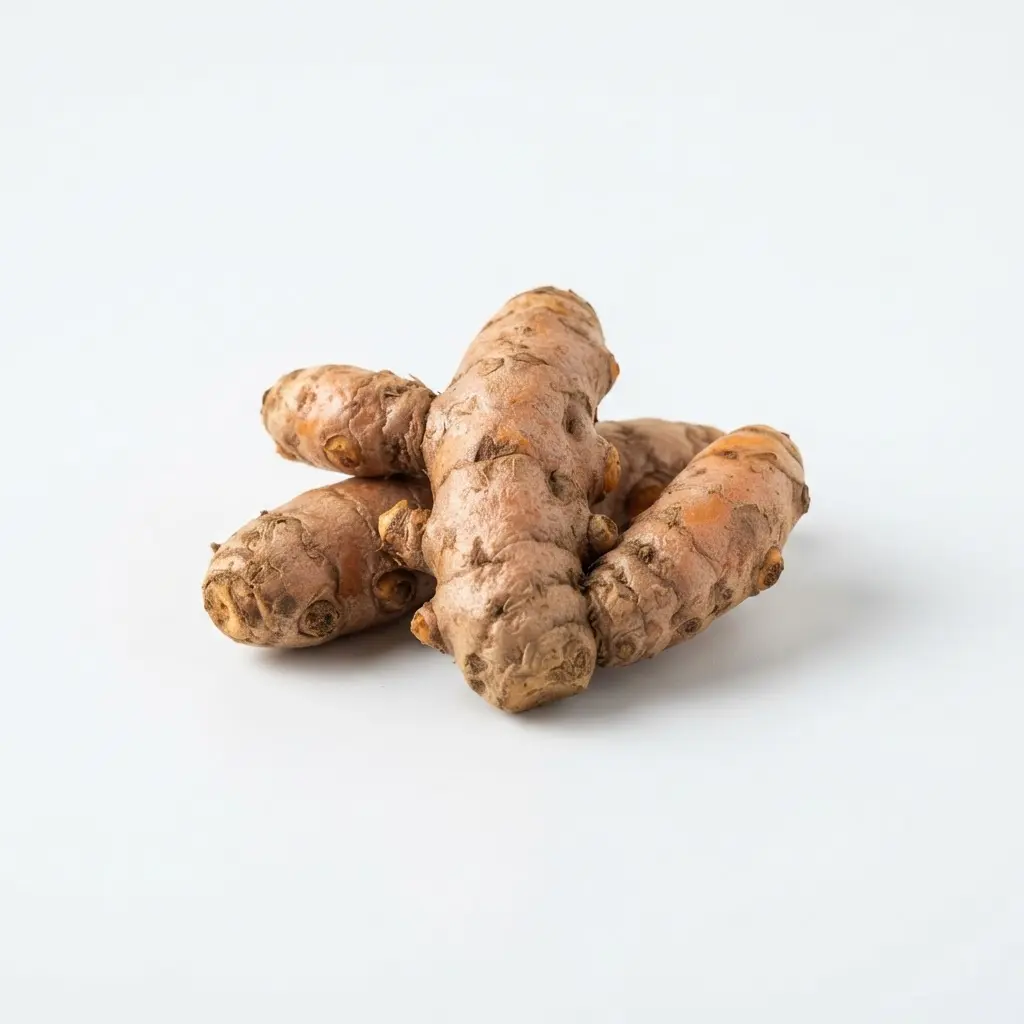
Which colorful foods belong in a meal for immune support? Choose several roots and spices rather than relying on one ingredient. The Best foods for strengthening your immune system add bright colors to your kitchen. Orange carrots and sweet potatoes provide beta-carotene, which the body converts to vitamin A for normal immune function. Purple sweet potatoes add anthocyanins, while red and purple beets contain betalains.
Build a plate with contrasting root vegetables. Roast carrots, beets, parsnips, and turnips together, or add them to soup with onions and garlic. Radishes bring a crisp texture to salads, while steaming produces softer roots for grain bowls. Pair these vegetables with beans, eggs, fish, poultry, or whole grains for a balanced meal.
Layer flavor with turmeric, ginger, paprika, cumin, or cinnamon. Turmeric contains curcumin, ginger contains gingerol, and cinnamon provides polyphenols. Garlic and onions add sulfur compounds and flavonoids. Research suggests varied plant foods provide a wider mix of compounds than one so-called superfood.
Use modest spice amounts at first, especially with turmeric, cumin, and ginger. Add more after tasting. Normal culinary use is different from concentrated supplements, whose safety and effects require separate evaluation. Always consult a healthcare professional before making changes to your health routine.
Building Balanced Meals Across The Week
A weekly meal plan with two or three protein sources helps you cover immune-supportive nutrients without repeating the same foods every day. Rotate poultry, eggs, beans, lentils, tofu, tempeh, fish, and seafood across meals, choosing fatty fish such as salmon when omega-3 fats fit your diet. The Best foods for strengthening your immune system work best when rotated. Fill other meals with colorful produce, whole grains, nuts, and seeds so vitamin C, carotenoids, fiber, vitamin E, zinc, and selenium appear across the week. Yogurt, kefir, kimchi, sauerkraut, and miso add fermented options, though their live cultures differ by product and strain. Portion balance matters, so pair protein and produce with a whole grain rather than treating one food as a cure. Food allergies require safe substitutions, and severe nutrient deficiencies call for professional assessment instead of self-prescribed supplements.
Conclusion
Your daily meals do not need to be perfect to support your health. Small choices, repeated often, give your body a steady mix of nutrients. The Best foods for strengthening your immune system fit into familiar meals, such as berries with yogurt, salmon with greens, or beans with whole grains. Aim for variety across the week instead of focusing on one ingredient. Choose fresh or frozen produce, add a protein source, and keep a few simple staples ready for busy days. Pair these habits with enough sleep, regular water, and time to unwind. For your next meal, add one colorful fruit or vegetable, one protein food, and one whole-food carbohydrate. That small step gives you a practical start and keeps healthy eating manageable from one meal to the next.
FAQs
Q: Which foods support a healthy immune system?
A: Citrus fruits, leafy greens, fish, eggs, beans, whole grains, nuts, seeds, and fermented dairy fit well in a balanced eating pattern. Each group brings different nutrients, so variety matters more than one featured food.
Q: How often should I eat fermented foods?
A: Include fermented dairy or other fermented foods as part of regular meals if they suit your preferences. Check labels for live cultures and choose lower-sugar options when possible.
Q: Do citrus fruits contain enough vitamin C for daily needs?
A: Citrus fruits supply vitamin C along with water and fiber. Include oranges, grapefruit, mandarins, or lemons with other fruits and vegetables for a broader nutrient mix.
Q: Which fish supports immune health through omega-3 fats?
A: Salmon, sardines, trout, and mackerel are rich in omega-3 fats. Serve fish with vegetables and whole grains for a balanced meal.
Q: Are supplements better than immune-supporting foods?
A: Food first is a sensible choice for most healthy adults because meals bring several nutrients together. Supplements suit specific needs, so discuss them with a qualified health professional before use.