
Navigating The Complexity Of Metabolic Health
Your body actively fights weight loss by lowering its basal metabolic rate in a process called metabolic adaptation. Think of it as your internal thermostat turning down to conserve fuel, which highlights several reasons why you cant lose weight. This explains why eating the same number of calories that once caused weight loss can suddenly stop working. Your hormonal balance, especially with leptin and ghrelin, shifts to signal more hunger and less fullness. Research suggests chronic stress and poor sleep worsen this by raising cortisol, which directly encourages fat storage. Your genetic predisposition sets a unique starting point for this entire system, making some paths harder than others. Understanding this internal resistance is the first step to working with your body, not against it.
Identifying Barriers Beyond Basic Calorie Counting
The biggest technical mistake is misjudging your true energy balance, where you consistently take in more calories than you burn without realizing it. We tend to overestimate calories burned from exercise and underestimate calories in foods, especially sauces and drinks. Your insulin sensitivity also plays a key role. When cells resist insulin, your body prioritizes storing fat instead of burning it for energy. Your gut microbiome influences how you extract calories from food and can affect cravings. Many people find that hidden systemic inflammation from food intolerances or other issues creates another barrier. This is why the simple advice to eat less and move more often fails to address the full picture of your physiology, leaving us with more reasons why you cant lose weight.
1. Inaccurate Calorie Tracking

A common mistake is relying on visual estimates for portion sizes, which leads to one of the most common reasons why you cant lose weight. You may think you are eating one serving of peanut butter but actually consume two or three. This underestimation adds hundreds of unaccounted calories daily. The same error applies to cooking oils, dressings, and restaurant meals.
Calorie tracking apps use user-submitted data, and that inaccuracy creates clear reasons why you cant lose weight. A listed item for grilled chicken might not specify the cooking method or added fats. Forgetting to log snacks, beverages, and condiments creates a significant gap between recorded and actual intake. Studies show people consistently underestimate their consumption by 20 percent or more.
This discrepancy is one of the primary reasons why you cant lose weight when you believe you are in a deficit, even if you track carefully. To improve accuracy, use a digital food scale for solid foods and measure liquids precisely. Always check food labels for serving size details.
unexpected reasons for weight gain often stem from these small tracking errors. You need to be honest with your logs to see real progress. Many people skip this step and wonder why results stall.
2. Insufficient Daily Protein Intake

Calculate your daily protein target using your current keys to healthy, sustainable weight loss, and you will quickly see why low protein intake gives you reasons why you cant lose weight. The recommended daily allowance for a sedentary adult is 0.8 grams per kilogram. This requirement increases with activity level or age. For example, a moderately active 70 kg individual needs 70 to 84 grams per day.
Protein is essential for preserving muscle mass, and dropping below that threshold explains many reasons why you cant lose weight. Your metabolism depends on this muscle. Without adequate protein, your body may break down muscle for energy. This process slows your metabolic rate and stalls weight loss progress.
Protein also provides superior satiety compared to carbohydrates or fats. This helps control hunger and prevents overeating. Understanding the recommended daily allowance is one of the foundational keys to healthy, sustainable weight loss. Always consult a healthcare professional for personalized dietary advice.
Tracking your macros daily will show you where gaps appear. Adding a lean source to each meal fills those holes. You will feel fuller longer and avoid snacking.
3. Consuming Hidden Liquid Calories

You finish a large, sweetened coffee drink in the morning. It feels like a small treat, but the calories add up without making you feel full, adding more reasons why you cant lose weight. Your body processes liquid calories differently from solid food. Drinks like soda, juice, and specialty coffees do not trigger strong satiety signals. They are digested quickly, which can lead to blood sugar spikes and increased cravings later.
These beverages often contain high amounts of added sugars. A single 12-ounce soda can deliver more than 150 calories. Many people underestimate the caloric impact of their daily drinks. For sustainable weight management, addressing liquid calories is a straightforward and effective step. Before you try a restrictive diet, understand the solid reasons to avoid fad diets that often fail to address these simple habits.
Make water your primary beverage to avoid hidden traps. Check nutrition labels for serving sizes and added sugar content. Choose unsweetened versions of tea, coffee, and plant-based milks.
Switching to sparkling water with lemon removes sugar spikes. You will notice less bloating after a few days. Your hydration levels will also improve without the extra load.
4. Chronic Sleep Deprivation Factors

Many believe that cutting sleep to exercise more will help weight loss, but this myth creates obvious reasons why you cant lose weight. The opposite is true. Chronic sleep deprivation disrupts hormones that regulate hunger and fullness. It elevates ghrelin, which increases appetite, and suppresses leptin, which signals satiety. This hormonal shift can lead to consuming hundreds of extra calories per day without conscious effort.
Irregular sleep schedules and excessive evening screen time are common culprits. The blue light from devices suppresses melatonin production. This makes it harder to fall asleep and reduces overall sleep quality. A consistent lack of sleep also lowers your metabolic rate and reduces energy for physical activity.
If you struggle with stubborn weight, improving your sleep should be a primary focus. Start by establishing a fixed bedtime and wake time, even on weekends. Create a wind-down routine that excludes screens for at least one hour before bed. For those experiencing persistent issues, reading about strategies for losing belly fat often highlights the foundational role of proper sleep.
Turn off bright alarms and dim your room lights early. Try reading a physical book instead of scrolling. Your body will thank you with deeper rest.
5. Elevated Cortisol Stress Levels

Have you been eating right and exercising consistently but still seeing the scale creep up, which points to one of the top reasons why you cant lose weight? Chronically high cortisol levels could be the culprit. When stress is constant, your HPA axis remains activated, flooding your system with this hormone. This triggers a cascade of metabolic changes, including increased appetite and cravings for sugary foods, that directly block weight loss. Research suggests persistent stress can lead to fat storage specifically around the abdomen.
To manage this, focus on reducing your overall stress load. Establish a consistent sleep schedule and incorporate daily relaxation practices. Many people find that prioritizing workouts over starvation is a more effective long-term strategy for metabolic health. Always consult a healthcare professional for diagnosis and treatment of elevated cortisol or any health concerns.
6. Low Non-Exercise Activity Levels

Think of your daily movement as a savings account. Depositing small amounts throughout the day often yields a bigger return than one large, occasional deposit. Your non-exercise activity thermogenesis accounts for the calories you burn through all your daily motions outside of the gym.
Prolonged sitting reduces this energy expenditure, which builds up clear reasons why you cant lose weight. Research suggests this can significantly lower your total daily calorie burn. A low activity level also negatively impacts insulin sensitivity and blood sugar regulation.
Increasing your daily movement is a practical way to support your weight management efforts. Simple actions like taking phone calls while standing, parking farther away, or doing light chores can make a substantial difference. Before focusing solely on intense workouts, you can explore effective ways to boost metabolism through these foundational daily habits.
Set timer alerts to stand every hour. Walk around the block during your lunch break. These tiny movements compound quickly over weeks.
7. Inadequate Fiber Consumption Patterns

A common mistake is assuming all carbohydrates hinder weight loss, so you cut out fiber-rich foods like fruits and whole grains. Dietary fiber adds bulk to food, which promotes a feeling of fullness. Soluble fiber slows sugar absorption to prevent cravings. Many people consume only 10 to 15 grams of fiber daily, far below the recommended 25 to 38 grams.
This deficit matters because consistent fiber intake directly supports satiety and blood sugar stability, two pillars of weight management. Research links a healthy gut microbiome, fed by fiber, to better metabolic health. Before attempting a major diet overhaul, read about how to avoid common gym mistakes to ensure your overall routine supports your goals.
Gradually increase your intake with whole foods like beans, berries, and oats. This steady change prevents bloating and builds steady habits. You will notice better digestion within a week.
8. Excessive Refined Carbohydrate Intake
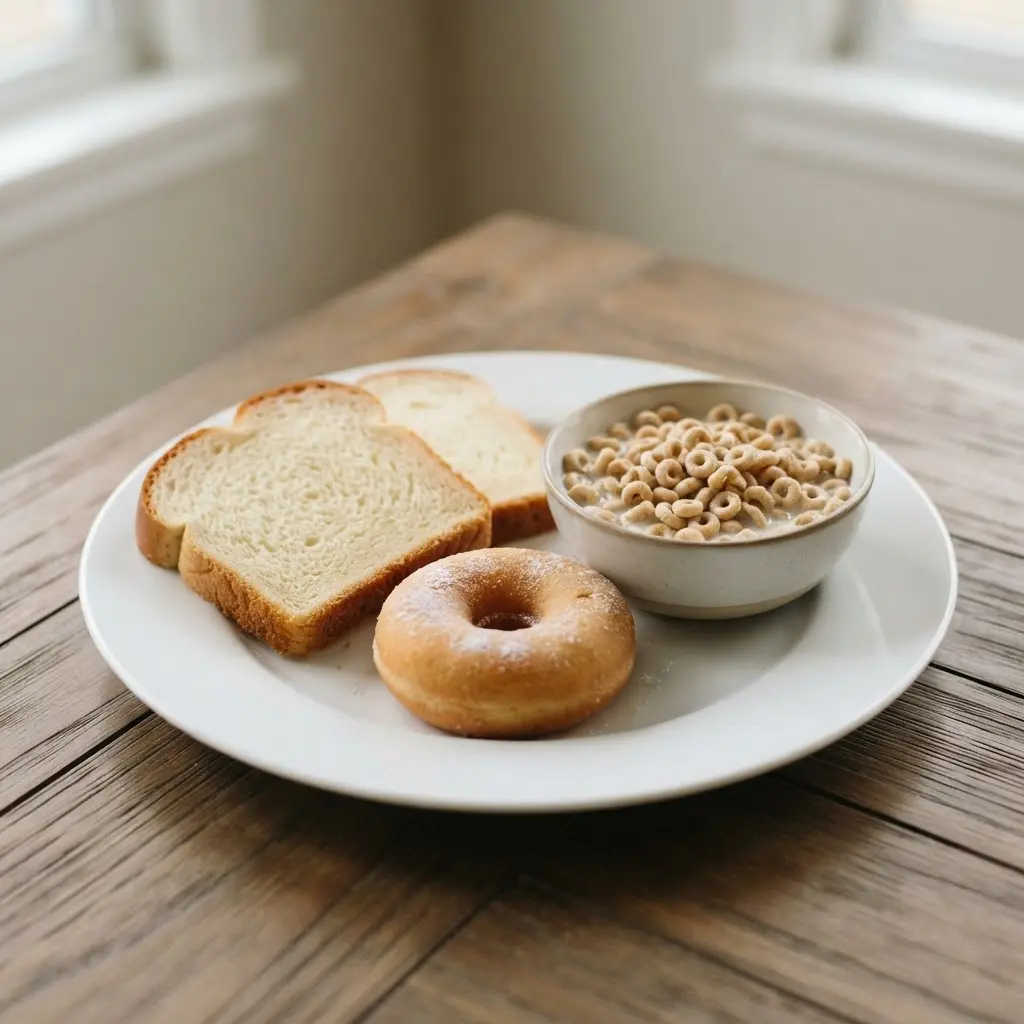
First, identify and reduce your intake of refined carbohydrates. These foods are stripped of their natural fiber. This lack of fiber causes them to digest very quickly. The result is a rapid spike in your blood sugar. Your body then releases a large amount of insulin. This hormone moves the sugar into your cells for storage. This process can cause a subsequent crash in energy. That crash often leads to increased hunger and cravings.
Common examples include white bread, sugary cereals, pastries, and sodas. These items provide little nutritional value. They are often called empty calories. Frequent consumption promotes fat storage. It also makes it difficult to feel full. Many people find that cutting back on these foods is a key step. It helps stabilize energy levels and reduce overall calorie intake.
For sustained results, you must address both diet and activity. A successful plan involves coupling diet with effective workouts. This combination supports better metabolic health and weight management.
Swap refined snacks for whole fruit or nuts. Keep your kitchen stocked with ready-to-eat vegetables. You will feel less sluggish during the afternoon hours.
9. Metabolic Adaptation During Weight Loss

You have been eating in a calorie deficit for months. The scale was moving steadily, but now it has not budged in weeks. You are following the same plan. This is not a failure of willpower. Your body has activated a survival mechanism called metabolic adaptation.
Your body compensates for weight loss by burning fewer calories than predicted. The resting metabolic rate decreases as muscle mass and hormone levels change. Your non-exercise movement, like fidgeting, also drops. The same workout now burns fewer calories because you are moving a smaller, more efficient body. This energy gap can be 50 to 500 calories per day.
Understanding this physiological shift explains why plateaus happen. It is a primary reason sustained weight loss becomes harder over time. To navigate this, ensure your calorie intake matches your new metabolic needs. Also, review common foods to avoid for weight loss to maximize your nutritional quality within your budget.
10. Undiagnosed Underlying Medical Conditions

A common belief is that unexplained weight changes are simply a matter of diet or willpower. What is actually true is that several medical conditions directly interfere with metabolism and energy regulation. This medical overlap gives doctors insight into reasons why you cant lose weight.
For example, an underactive thyroid gland, or hypothyroidism, can slow your metabolic rate by a significant margin. This makes weight loss exceptionally difficult even with strict calorie control. Polycystic Ovary Syndrome (PCOS) creates hormonal imbalances that promote fat storage, particularly around the abdomen.
Research suggests that up to 20 percent of people struggling with weight loss may have an undiagnosed condition affecting their efforts. A practical first step is to discuss persistent symptoms, like fatigue or unexplained weight gain, with a doctor for proper evaluation.
11. Inconsistent Behavioral Lifestyle Habits

Why do you feel stuck despite your best efforts? Inconsistent daily habits sabotage your progress. Your body and metabolism thrive on predictable patterns. Missing meals often creates reasons why you cant lose weight later in the week.
Erratic sleep schedules disrupt hormones that regulate hunger and fullness. Skipping meals or eating at wildly different times confuses your body’s energy systems. A sporadic exercise routine prevents the cumulative adaptations needed for fat loss and fitness gains.
Research suggests that consistency, not perfection, is the true driver of long-term weight management. Focus on establishing small, non-negotiable daily anchors, like a fixed wake time or a scheduled walk, to build a stable foundation. For actionable steps to address one common outcome of inconsistency, read about real ways to reduce belly fat.
Integrating Sustainable Lifestyle Adjustments Moving Forward
The most effective shift is treating these changes as a permanent recalibration of your habits, not a short-term fix. Start by prioritizing consistent, high-quality sleep to help regulate your hunger hormones. Manage your stress with daily practices like walking or meditation to keep cortisol in check. Focus on building meals around whole foods that support stable blood sugar and improve your gut microbiome. This approach supports long-term metabolic health far better than aggressive dieting. Trust me on this. The goal is to create a lifestyle your body can thrive in, which naturally encourages a healthier weight over time. Small, consistent adjustments in these areas yield better results than fighting your biology with restriction alone.
Conclusion
Weight loss is rarely a straight line. Hitting a plateau can feel discouraging, but it is often a sign your body is asking for a slight adjustment, not a complete overhaul. Look back at these eleven points and see which one resonates with your current routine. Maybe it is that evening snack you do not log, or the stress from work that is disrupting your sleep. Pick just one or two areas to focus on this week. Small, consistent changes add up more than any drastic, short-term fix ever will. Be patient with yourself and celebrate the non-scale victories, like having more energy or feeling stronger. Understanding the reasons why you cant lose weight is the first step to moving past them. You have the power to make those tweaks and find what works sustainably for you.
FAQs
Q: Why am I not losing weight even though I am eating less?
A: Your body may have adapted to fewer calories, slowing your metabolism. Hidden calories from drinks, sauces, or larger portions than you think can also add up. Stress and poor sleep play a big role too.
Q: Can stress really stop me from losing weight?
A: Yes. High stress raises cortisol, a hormone that can increase appetite and encourage your body to store fat, especially around the abdomen. Managing stress is a key part of healthy weight management.
Q: How does sleep affect my weight?
A: Poor sleep disrupts hunger hormones like ghrelin and leptin. This makes you feel hungrier and less satisfied after meals. It also lowers energy, making you move less the next day.
Q: What are hidden liquid calories?
A: These are calories from drinks like soda, juice, sweetened coffee, and alcohol. They do not make you feel as full as solid food, so it is easy to consume many extra calories without realizing it.
Q: Should I see a doctor if I cannot lose weight?
A: If you have made consistent lifestyle changes without results, it is a good idea to consult a healthcare provider. They can check for underlying conditions like thyroid issues or hormonal imbalances.