
Building A Balanced Evening Plate
Build a balanced dinner plate with vegetables or fruit, a protein, a whole grain or starchy food, and unsaturated fat, adjusting portions to your appetite and activity, which shows the reasons why you shouldn’t skip dinner for steady energy. This format helps meet daily nutrition needs without treating dinner as a fixed rule for every adult. Vegetables and fruit supply fiber and vitamins, while beans, eggs, fish, tofu, poultry, or yogurt add protein for fullness and tissue repair. Brown rice, potatoes, oats, or whole-grain bread provide carbohydrate, the body’s main fuel source, especially after activity. Olive oil, avocado, nuts, seeds, or fatty fish add unsaturated fat and help make the meal satisfying. A modest plate still counts when hunger is low, while a larger serving fits a demanding training day.
When Personal Schedules Change Meal Timing
A consistent meal window helps people with early bedtimes, evening shifts, or late workouts place dinner where it fits their day. If dinner happens earlier, a later nourishing snack such as yogurt with fruit or whole-grain toast with nut butter supports total energy intake, proving the reasons why you shouldn’t skip dinner. If work delays eating, a modest meal before the shift or during a break often prevents intense hunger by bedtime. Meal timing research still develops, so eating at one exact hour has no proven advantage for every healthy adult. Your appetite, sleep pattern, culture, training schedule, and health goals deserve equal attention when you choose an evening meal. Avoid replacing missed dinner with a huge late-night serving, since reflux, poor sleep, or discomfort might follow. For diabetes medicines or pregnancy, schedule changes need clinician guidance.
1. Blood Sugar Regulation Stability for Balanced Evenings

A common mistake is treating dinner as harmless to skip because the day is almost over. The correction is straightforward: available research does not confirm how missing dinner affects evening blood sugar regulation. Do not treat a broad claim about morning meals as proof about evening meals. These facts support the reasons why you shouldn’t skip dinner. Keep the evidence separate when judging the reasons why you should not skip dinner.
Blood sugar changes after food intake, and meal timing can interact with sleep, activity, medicines, and personal health conditions. Yet the supplied research found no verified result focused on dinner omission or evening stability. No reliable meal size, food combination, timing window, or home monitoring plan was provided for this topic, showing the reasons why you shouldn’t skip dinner. Avoid unsupported meal rules based on this research alone.
Research suggests the available findings are too limited to explain whether skipping dinner causes unstable blood sugar during the structured evening eating, matching the reasons why you shouldn’t skip dinner. A person with diabetes, reactive low blood sugar, or a prescribed glucose-lowering medicine needs individual guidance rather than a general article claim. Always consult a healthcare professional before making changes to your health routine.
Use a consistent eating pattern only after discussing personal needs with a qualified clinician. Record symptoms, meals, activity, and readings only when a healthcare professional advises monitoring. Further clinical research is needed before dinner omission is linked with a specific evening blood sugar outcome. Wait for topic-specific evidence before treating dinner as either essential or safe to remove.
2. Nighttime Metabolic Energy Requirements After Daily Activity

Keep a balanced evening meal in your daily plan after an active day. Sleep lowers energy use, but the body still needs fuel for breathing, blood flow, temperature control, and cell repair, which proves the reasons why you shouldn’t skip dinner. Skipping dinner does not switch these processes off.
Resting energy expenditure continues throughout the night. This timing explains the reasons why you shouldn’t skip dinner. Nighttime energy use is lower than daytime use, with one study reporting overnight expenditure at about 64% of daytime expenditure. The body also follows a circadian rhythm, so energy needs reflect biological timing as well as sleep and activity. Resting energy expenditure often reaches its lowest point during the late biological night or early morning.
Choose an evening meal suited to your full-day needs, rather than judging dinner by nighttime activity alone. Carbohydrate oxidation decreases at night, while fat oxidation increases as the body changes its fuel mix. A balanced meal contributes to daily energy and nutrient intake and helps support nighttime metabolism, linking to the reasons why you shouldn’t skip dinner.
Account for work hours, exercise, sleep timing, and your usual food intake. A night-shift worker may have biological rhythms that do not match clock time. Circadian disruption, such as frequent shift work, is associated with changes in energy use and macronutrient metabolism. These patterns can affect metabolic regulation, but nighttime metabolism alone does not determine body weight or overall health.
3. Nutrient Density and Intake Goals for Evening Meals

At 7 p.m., a plate of salmon, lentils, and steamed bok choy offers more than a quick snack from a packet. Build dinner around nutrient-dense foods, which provide vitamins, minerals, protein, or fiber in relation to their calorie content, confirming the reasons why you shouldn’t skip dinner. Vegetables, fruit, whole grains, legumes, lean proteins, and small amounts of healthy fat form a useful base.
Choose a large serving of vegetables, one portion of lean protein, and a moderate serving of barley, brown rice, or lentils. You can track the reasons why you shouldn’t skip dinner here. Add a small amount of yogurt sauce, olive oil, or another unsaturated fat. Limit added sugar, excess sodium, unhealthy fats, and foods with many calories but few useful nutrients. This structure supports daily intake goals without treating every evening calorie as harmful.
Research using the NRF 9.3 index found higher nutrient density among people who ate more often and consumed more energy earlier in the day. Other research linked a higher share of evening energy with lower diet quality and a higher waist-to-hip ratio, though findings did not show consistent differences in BMI, body weight, or waist size. These associations do not prove dinner causes weight gain or metabolic problems.
Replace fatty-sweet snacks, sugary foods, or alcohol with a balanced meal when practical. Evening snacks tend to have higher energy density and lower nutrient density than main meals. Build a plate from the same categories found in daily nutrient-dense foods, echoing the reasons why you shouldn’t skip dinner. Judge dinner by its ingredients and portion balance, not by timing alone.
4. Sleep Quality and Hunger Regulation Through Dinner
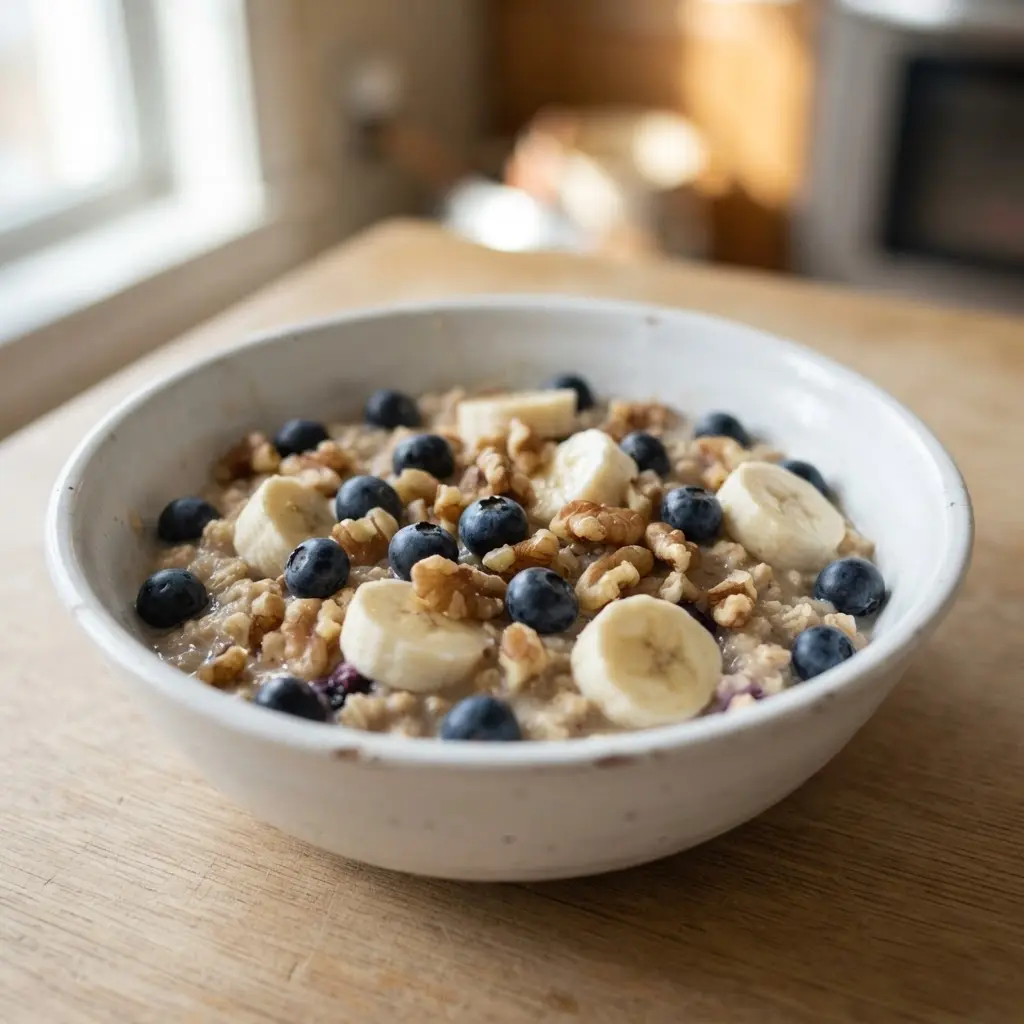
Skipping dinner does not automatically improve sleep. Research points more strongly to dinner timing, especially meals eaten about one hour before bed. In healthy young women, this pattern was linked with shorter total sleep time, lower sleep efficiency, and more wakefulness during the night.
Late meals may change sleep across the night. Some findings show deeper sleep early in the night followed by lighter sleep later, even when standard sleep-stage measures stay similar. A meal close to bedtime also leaves less time between digestion and sleep, which might affect sleep continuity.
Meal timing also shapes hunger signals. Ghrelin helps signal hunger, while GLP-1 supports appetite regulation after eating. Research suggests earlier meal and sleep schedules are linked with lower overnight ghrelin, stronger ghrelin responses after a test meal, and higher GLP-1 levels. These hormone patterns may affect food choices and hunger the next day.
Research suggests allowing more time between dinner and bedtime might support sleep continuity and steadier appetite patterns. Earlier eating has also been associated in some studies with lower energy intake and body weight, though results vary between people. Meal timing might change when the body uses energy without changing total 24-hour energy use.
Schedule dinner at a consistent time with a comfortable gap before bed. Do not treat one hour as a universal rule. Sleep length, meal size, food choices, work hours, and health conditions all matter. People with diabetes, eating disorders, digestive conditions, sleep disorders, or medication-related guide should seek individual advice. Always consult a healthcare professional before making changes to your health routine.
5. Prevention of Reactive Overeating Patterns After Skipped Meals

Why does skipping dinner often lead to overeating later? Regular meals reduce extreme hunger, which often drives fast eating, oversized portions, and impulsive food choices. Maintain regular meal times so long gaps do not build into intense hunger. Keep meal and snack times reasonably consistent, even on busy days. Drink water or another sugar-free beverage between meals to support hydration.
Build each meal around protein-rich foods for satiety, fiber-rich vegetables, and a low-glycemic-index carbohydrate. Protein supports fullness. Fiber and low-glycemic carbohydrates slow glucose absorption. Research suggests balanced food choices and steady meal timing support better appetite control after missed meals. Keep a planned snack available for days when dinner will be delayed.
Use slow-eating techniques during the meal. Focus on the food, chew thoroughly, and place utensils down between bites. A slower pace gives fullness signals time to develop. Pause before taking seconds instead of following a fixed 20-minute rule. The 20-minute idea is a general guide, not a guarantee of fullness at an exact time.
Record the time of eating, foods consumed, hunger level, symptoms, and daily activities in a food diary. These notes can show patterns linked to overeating. Shakiness, sweating, weakness, dizziness, or other symptoms after eating require professional assessment because several conditions can cause them. Dietary changes for suspected reactive hypoglycemia should follow qualified medical guidance. Always consult a healthcare professional before making changes to your health routine.
Recognizing When Professional Nutrition Guidance Helps
Ask a registered dietitian to review dinner timing when diabetes medicine, pregnancy, kidney disease, or a history of disordered eating affects your meals. Some diabetes medicines raise the risk of low blood glucose when food intake changes, so a clinician should match medication timing with meals. Pregnancy increases nutrient needs, while kidney disease often requires specific limits on sodium, potassium, protein, or fluids. A dietitian also helps when skipped dinners lead to repeated overeating, fatigue, dizziness, or trouble meeting daily nutrition needs. One missed meal does not signal an emergency for most healthy adults, yet repeated symptoms deserve attention rather than strict meal rules. Bring a few days of meal times, symptoms, activity, and medication details to an appointment so guidance reflects your real routine.
Conclusion
Food choices often reflect your schedule, mood, budget, and family routines. Dinner does not need to look perfect to support your health. The reasons why you shouldn’t skip dinner make more sense when you view the meal as part of your full day, not as a test of willpower. Start with one easy plate tonight: add a protein food, a vegetable or fruit, and a filling grain or starchy food. If you are not hungry for much, choose a smaller portion and eat slowly. Keep a few quick options nearby, such as eggs, beans, yogurt, frozen vegetables, or whole grain toast. Notice how your energy, sleep, and late-night hunger respond over time. If medical needs affect your eating schedule, ask a qualified health professional for personal guidance. A steady, flexible dinner routine gives you room to care for yourself without strict food rules. Take one small step tonight and let consistency grow from there.
FAQs
Q: Is skipping dinner harmful every night?
A: Skipping dinner often leaves a long gap between meals. Some people then face stronger hunger, low energy, or late-night eating.
Q: Does eating dinner affect sleep?
A: An early, balanced dinner often supports comfortable sleep. Large, rich meals close to bedtime often cause discomfort, so allow time between eating and sleep.
Q: What should a balanced dinner include?
A: A balanced dinner includes protein, vegetables or fruit, and a filling carbohydrate. Add water and a healthy fat when it suits your meal.
Q: Is a small dinner enough after a busy day?
A: Yes, a small dinner still counts as nourishment. Choose foods with protein, produce, and a filling carbohydrate in portions suited to your appetite.
Q: How do I avoid late-night overeating?
A: Eat a balanced dinner before strong hunger builds. Keep simple foods ready, eat without rushing, and notice which meals keep you satisfied.