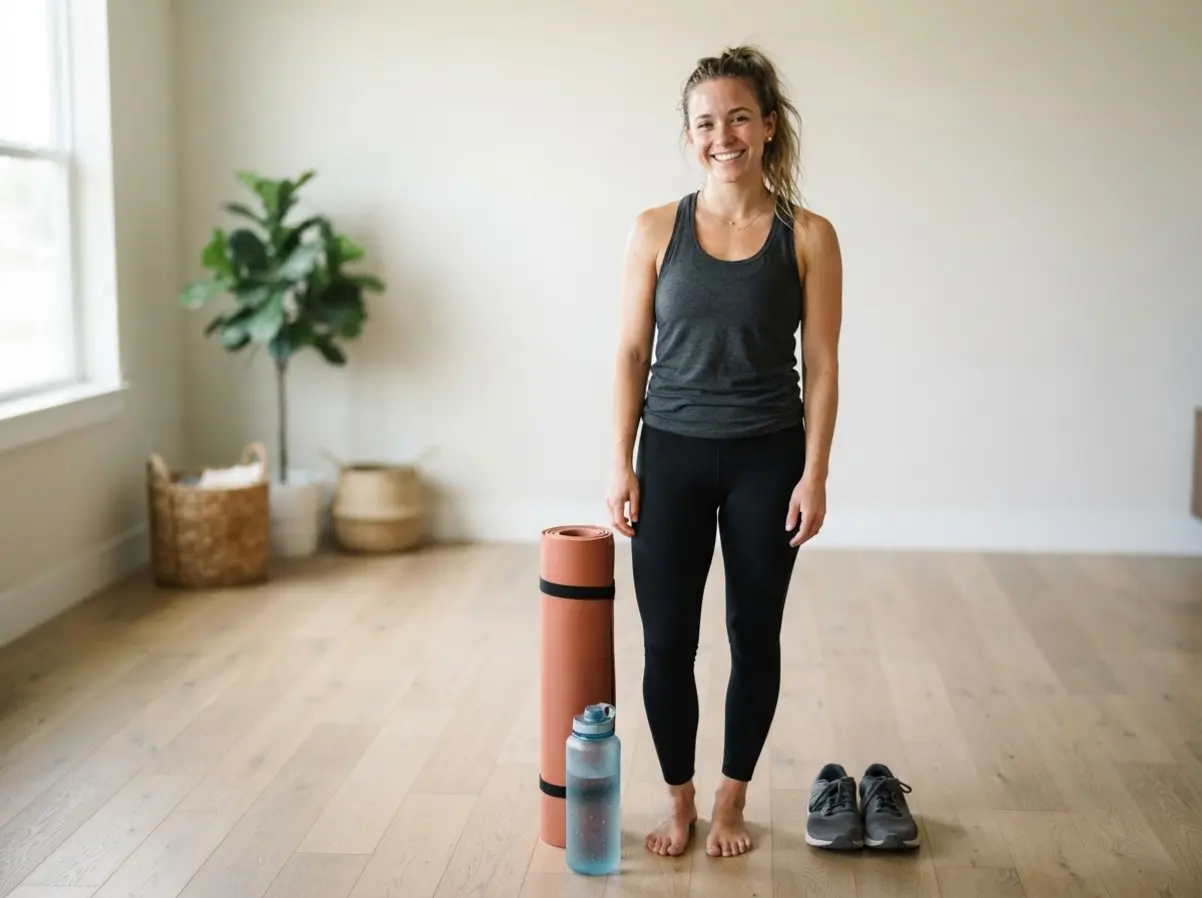
Focus on showing up often rather than pushing hard every time, and treat missed sessions as a normal part of building a lasting habit. Exercise often feels easy to skip when your plan is too strict or takes too much time. A short walk, a few stretches, or a quick home workout still counts. Looking for Ways to stay motivated to exercise means matching routines to your real schedule.
Your routine should fit your real schedule, energy, and interests. These seven ideas help you build steady habits without pressure. Pick one strategy today, give it a fair week, and notice how it feels.
Matching Exercise Choices With Personal Preferences
Choose an activity you would repeat on a tired day, such as brisk walking for 20 minutes, before setting a weekly exercise target. A gym routine suits people who like equipment and clear structure, while a park route fits those who prefer fresh air and changing scenery. Exploring different Ways to stay motivated to exercise starts with picking a space you like.
Group classes add social energy, yet a home workout area saves travel time and privacy. Match the activity to your current fitness level, available space, and comfort with effort. Test how your body feels during and after each session, since sharp pain signals a need to stop and seek guidance. Keep two preferred options ready, such as walking and resistance-band work, so rain, crowds, or low energy do not erase your plan.
Remember, finding reliable Ways to stay motivated to exercise relies on consistency over intensity. Enjoyment supports repetition more reliably than willpower alone.
Removing Practical Barriers From Workout Time
Set a calendar reminder for a 20-minute session during a time you control, such as after morning coffee or before dinner. Keep shoes, comfortable clothing, and a resistance band near the workout area, so preparation takes less effort. Choose a backup time for busy days rather than canceling the session outright. Clearing obstacles is one of the most effective Ways to stay motivated to exercise.
Shorten the planned workout when sleep, stress, or soreness lowers your energy, while keeping a gentle version on the schedule. Remove friction by using a nearby walking route, a ready water bottle, and a phone tracker with a charged battery. Tell a friend your planned time if household duties often interrupt it.
Simple adjustments become key Ways to stay motivated to exercise when life gets busy. A realistic appointment supports consistency better than an ambitious hour you rarely have available.
1. SMART Goal Setting Frameworks for Steady Exercise Progress

Most people make the mistake of setting a vague goal such as “exercise more.” Using specific frameworks for Ways to stay motivated to exercise helps turn ideas into results. Replace it with a specific exercise goal stating the activity, amount, and deadline.
Write, “Complete three 30-minute strength sessions each week for eight weeks.” This wording gives every week a clear target. Measure progress with workout frequency, session duration, distance, repetitions, or weight lifted. Keep the challenge realistic for your current fitness level and available time.
Breaking big targets down is a proven approach for Ways to stay motivated to exercise. A beginner might build toward a one-mile run instead of targeting a marathon within one month. Connect the goal to a wider aim, such as stronger muscles or better cardiovascular fitness.
Review the plan each week through the SMARTER approach. Use WOOP obstacle planning to name a wish, picture the outcome, identify barriers, and create an if-then response. For example, schedule a 15-minute walk when tiredness prevents a full workout. CLEAR goals add social support, personal meaning, smaller milestones, and room for change.
Tracking these steps provides clear Ways to stay motivated to exercise over the long term. Research suggests clear, trackable goals make exercise intentions easier to turn into regular actions. Break a large target into smaller steps, such as adding half a mile to a weekend walk each week.
Track completed sessions and fatigue levels. Adjust training volume or rest days after a plateau, and stop for pain rather than pushing through it.
2. Effective Habit Chaining Techniques for Daily Movement

Choose one reliable daily cue and attach a small movement to it. Use a dependable anchor habit, such as brushing your teeth, making coffee, or finishing dinner. Complete 10 squats after brushing your teeth, stretch for five minutes while coffee brews, or walk for 15 minutes after dinner. Building these chains offers reliable Ways to stay motivated to exercise.
A familiar cue removes the need to wait for motivation. Define the plan before the cue arrives. State the activity, place, and timing in one sentence: “I will walk for 15 minutes in my neighborhood immediately after finishing dinner.” Keep the first version easy enough to complete on a busy day. A short session builds consistency without creating pressure from a demanding workout.
Reduce setup time with visible exercise equipment. Place walking shoes by the door, keep a yoga mat in an open area, or lay out workout clothes the night before. Pair movement with a favorite podcast, audiobook, or music. Preparing your space creates straightforward Ways to stay motivated to exercise.
Home-based exercise also removes travel and changing clothes as barriers. Research suggests linking a new action with an established routine supports automatic behavior over time. Track each completed session on a calendar. A visible record provides immediate reinforcement and shows progress after several days.
Increase duration, repetitions, or intensity only after the routine feels manageable. Missing one day does not end the chain. Resume at the next cue without judgment, and keep varied activities such as walking, dancing, bodyweight exercises, and yoga within the same daily movement plan.
3. Social Accountability Partnerships for Consistent Workouts

At 6:15 a.m., your alarm rings, and your training partner is waiting for a message. Send a quick update before leaving bed, then meet for the planned session or follow the agreed home routine. A training partner turns exercise from a private intention into a shared commitment.
Choose someone with similar goals, availability, and commitment. Set two or three weekly workout times, name the activity, and agree on how each person will report progress. Finding partners creates strong Ways to stay motivated to exercise.
Use daily texts, a weekly summary, or a shared progress journal. Clear plans prevent confusion and reduce the chance of skipping a session without notice. Exercise together at a gym, class, park, or home when schedules match. Use a virtual check-in on other days. Discuss missed workouts without blame, then adjust the plan for work demands, travel, illness, or other changes.
Mutual encouragement should include recognising completed sessions, not only discussing missed ones. Research on gym members found more frequent visits among people who needed to work out with a friend to earn a reward. Researchers linked the result to accountability and enjoyment, rather than to the reward alone.
Social support gives planned workouts a clear reason to happen. Agree on a simple response to missed sessions, such as sending an update within the same day and booking the next workout. Shared responsibility remains one of the most reliable Ways to stay motivated to exercise.
Choose dependable support over intense pressure. A good partnership promotes consistency while respecting each person’s limits.
4. Personal Progress Tracking Systems With Simple Metrics
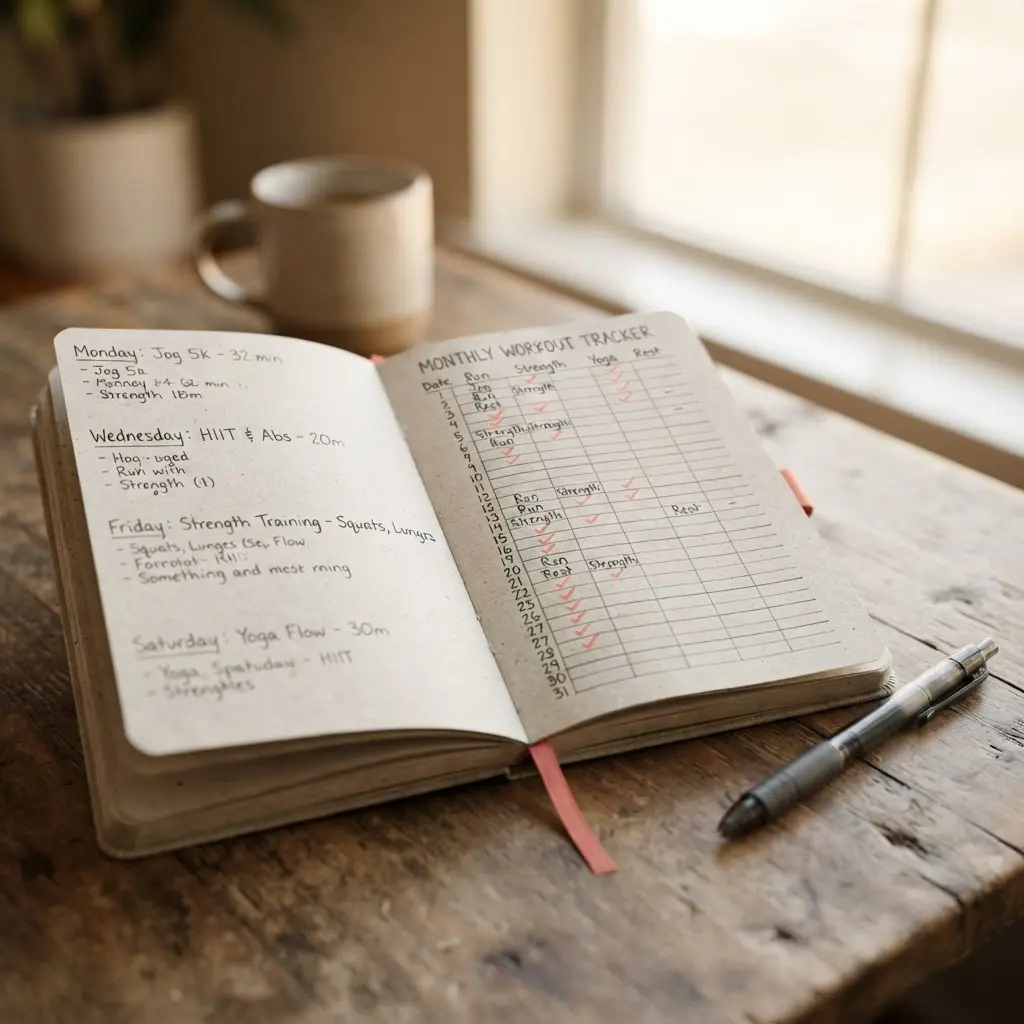
Many people believe motivation improves only after visible body changes. Consistent records show a broader truth: completing planned actions is progress, even before physical results appear. Track a weekly completion rate to see whether your routine matches your goal.
Choose one primary target, such as three workouts each week. Add one activity measure, such as active minutes, steps, or distance. Record details immediately after exercise, while the session is fresh in your mind. Reviewing numbers provides concrete Ways to stay motivated to exercise.
Limit the system to one behavior measure, one activity measure, and one personal response measure, such as mood or perceived energy. Use a calendar checklist for a low-effort record. Mark each planned session as complete or incomplete, then note active minutes and a mood rating from 1 to 5.
A spreadsheet, bullet journal, fitness app, or wearable also works. Treat calorie and energy estimates from wearables as estimates rather than exact measurements. Set a fixed review time each week. A weekly review shows which days support consistency and which workouts are often missed.
Research suggests self-monitoring supports behavior change by making actions visible and guiding practical adjustments. Change the schedule, workout length, or target when records show repeated misses. Regular check-ins give you practical Ways to stay motivated to exercise.
A missed session lowers a streak, but it does not erase earlier work. Use the wider record to judge progress.
5. Enjoyable Activity Variety Exploration for Fresh Workout Ideas
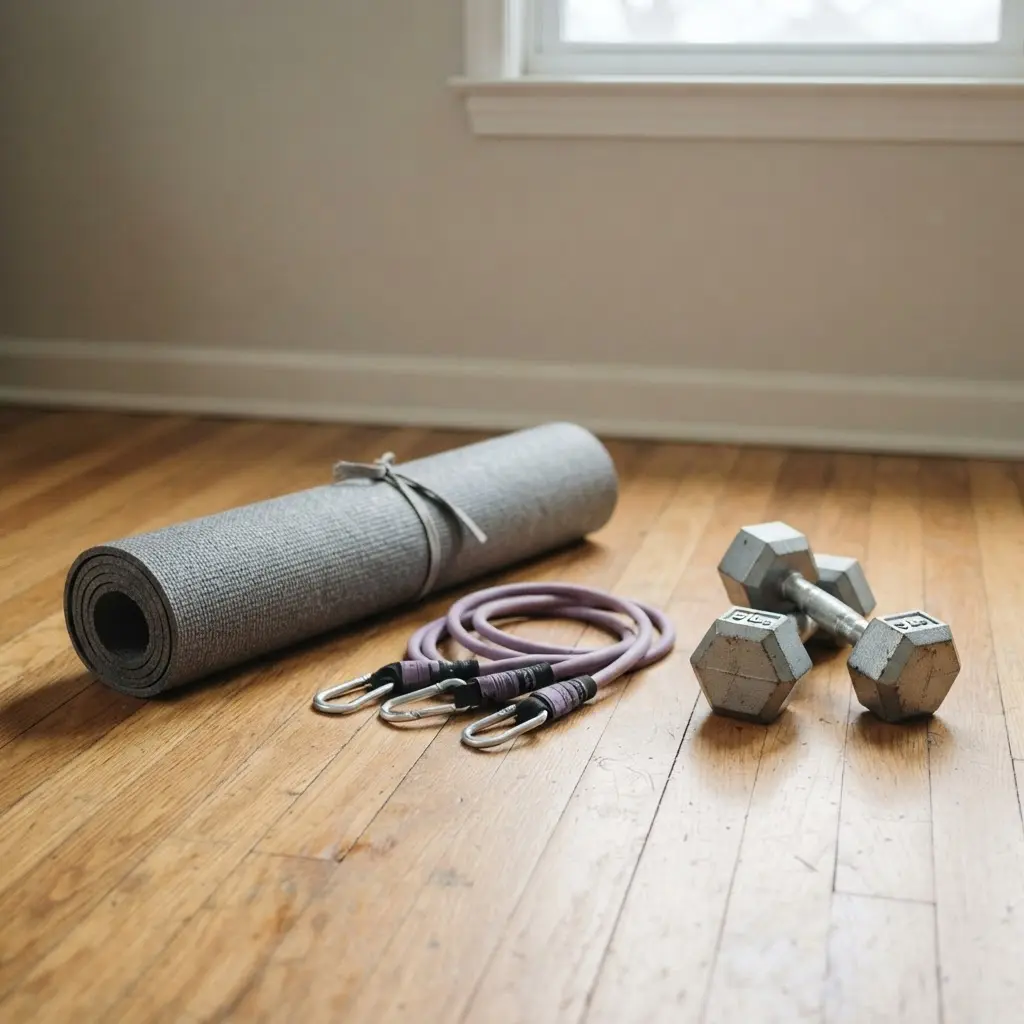
What keeps exercise from feeling repetitive? Trying new combinations reveals fresh Ways to stay motivated to exercise. Rotate movement types across the week instead of repeating one routine. Pair walking, cycling, a dance class, yoga, and a recreational sport across five days.
Plan seasonal movement with outdoor spring workouts, then shift indoors when weather, time, or access changes. Research suggests that enjoyable, varied activities make regular movement easier to maintain. Build a short activity list before the week begins.
Add hiking, gardening, home workouts, bowling, swimming, tai chi, and active games. Match each choice to your available time, budget, location, equipment, and group size. A 20-minute walk on a new route might suit a busy day, while a weekend hike or squash session offers more time for movement. Match activities to conditions so the plan fits real life.
Remove daily guesswork with a simple random method. Write activities on cards, assign options to dice numbers, or use a coin toss to select the session. Create a deck-of-cards workout by assigning one exercise to each suit or number. Keep the movements familiar and adjust repetitions to your fitness level.
Random choices add structure without forcing the same workout format. Use a choice system when deciding feels tiring. Keep brief options ready for limited time. A one-song workout, short dance session, chair yoga flow, or five-minute bodyweight circuit still adds movement to the day.
Adapt exercises for comfort and mobility, and stop if pain develops. Group classes, partner challenges, and playful activities provide social variety. Keep backup options for busy days so one missed session does not end the week.
6. Positive Reinforcement Reward Structures for Exercise Habits
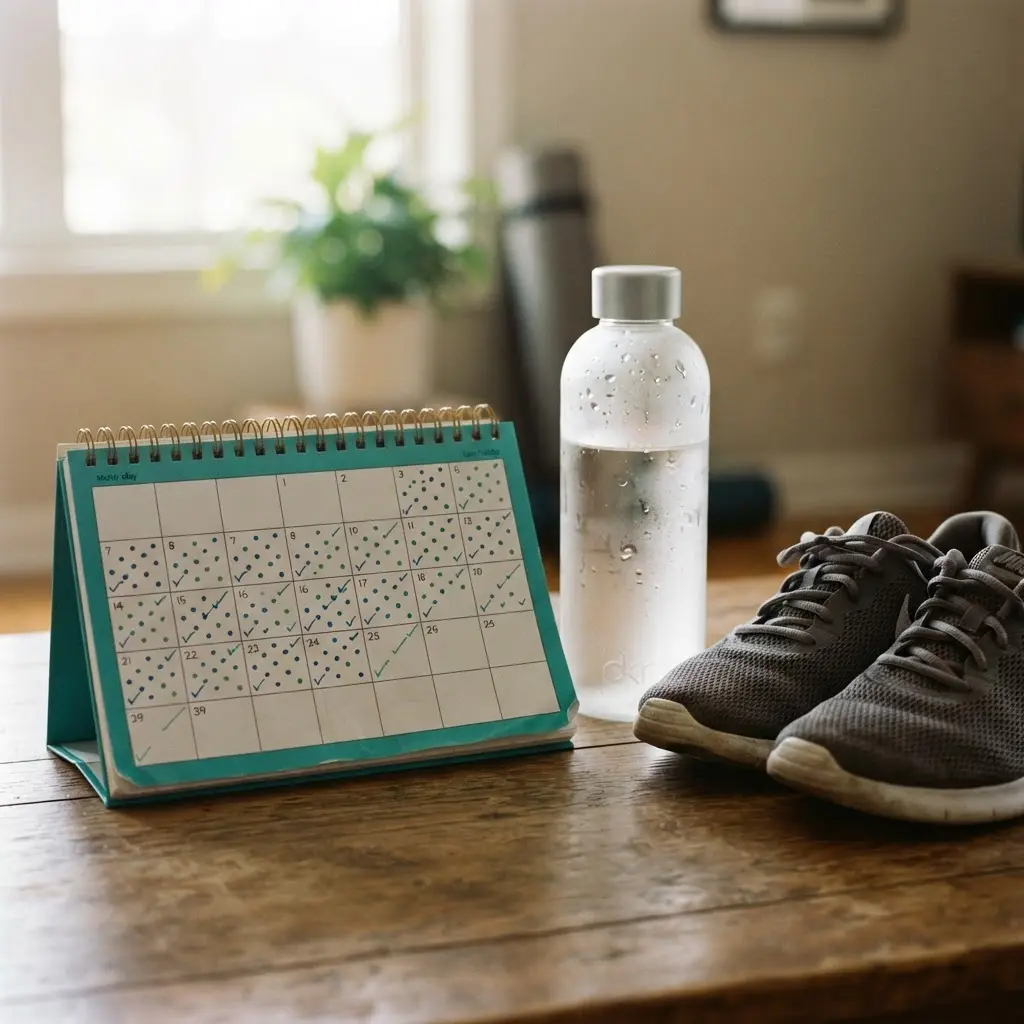
Rewarding importance of post-diet exercise session works better than promising yourself a treat before you begin. Setting up rewards creates lasting Ways to stay motivated to exercise. Choose a specific behavior, such as completing one planned workout or attending a class, then attach a personally meaningful reward to the completed action.
A clear exercise target might be three planned sessions in one week. Keep the target achievable so a busy day does not end the routine. Match the reward to the time frame. After one workout, mark a calendar, listen to a favorite podcast, or enjoy a smoothie. After one or two consistent weeks, schedule a movie night, relaxing bath, or outing with friends.
Reserve a new water bottle, resistance bands, or workout shoes for a monthly goal or several months of steady effort. Deliver each reward only after the exercise occurs. Post-workout timing keeps the behavior and reward connected. Track every completed session in a paper journal, app, or calendar.
Count reasonable effort, not flawless performance. A lower-energy workout still earns recognition when it meets the planned standard. Rotate between relaxation, social time, entertainment, gear, and a new class so the system does not become stale. Share the plan with a friend or family member when accountability supports follow-through.
Progress tracking makes small milestones visible. Many people find immediate rewards useful while long-term benefits are still difficult to notice. Research suggests repeated pairing of a behavior with a positive outcome supports repetition, while intrinsic reasons such as enjoying movement, feeling stronger, or sleeping better help sustain the routine.
Treat improved energy, confidence, sleep, or health markers as possible benefits, not promised results. Vary the rewards as consistency grows, while keeping the exercise target realistic.
7. Mental Resilience Building Strategies After Missed Workouts

Treating one missed workout as total failure is a common mistake. Correct the thought immediately: one interruption does not erase earlier effort. Acknowledge the missed session without blame, then name the reason, such as illness, an unexpected event, low motivation, or a crowded schedule.
Name the real barrier before planning the next move. Reframe the event as a temporary disruption rather than proof of failure. Choose the next practical workout time within the next few days. Record the plan in a calendar reminder so the next step stays visible.
Research on behavior change suggests consistent routines are easier to maintain when actions follow a clear plan. Avoid trying to repay a missed session with an exhausting schedule. Return at a manageable level, such as a 20-minute walk, a shorter strength session, or another activity suited to your current energy. Keep a simple record of completed workouts and missed sessions.
The record shows progress across time and reveals repeated barriers. Create a backup option for busy days, then adjust the routine when the same obstacle appears again. Using calm strategies provides steady Ways to stay motivated to exercise after setbacks. Use kind, factual self-talk instead of criticism. Say, “The session was missed, and the next session is scheduled.”
Ask an exercise partner, friend, or family member to support your return when motivation feels low. When illness or unusual fatigue caused the missed workout, treat rest as a possible part of recovery rather than a moral failure. Always consult a healthcare professional before making changes to your health routine.
Reviewing Results And Adjusting Future Routines
Record duration, distance, repetitions, or weight lifted after each session so a weekly progress review uses facts instead of mood. Compare the measure across a month, since one missed workout says little about your pattern. If walking time rises from 15 to 25 minutes, keep the pace steady before adding more distance. Tracking these details gives you reliable Ways to stay motivated to exercise.
If repetitions increase while form stays controlled, raise resistance in small amounts. Persistent pain, dizziness, or breathlessness calls for medical advice rather than a harder plan. Treat normal muscle soreness as feedback about recovery, not proof you failed. Review your schedule when sessions keep slipping, then shorten the workout, move its time, or switch activities to fit demands.
A routine earns its place when its records show steady practice and your body handles it well.
Conclusion
Your exercise routine should support your life, not make each day feel harder. The best Ways to stay motivated to exercise often begin with a small choice you feel ready to repeat. Pick a walk after lunch, two short strength sessions, or a favorite class each week. Put it on your calendar and keep your workout clothes easy to reach.
If you miss a day, speak to yourself with patience and return at the next planned time. Track how you feel, not only what you complete. More energy, better sleep, and a calmer mood all count as progress. Invite a trusted friend to check in once a week if support helps you stay steady.
Choose one small action before the day ends, then give yourself room to build from there.
FAQs
Q: How do I stay motivated when exercise feels boring?
A: Choose activities you enjoy and change your routine from time to time. Music, a scenic walk, or a short class adds variety without making workouts harder.
Q: What should I do after missing several workouts?
A: Start again with a short session at a comfortable pace. Avoid trying to make up for every missed workout in one day.
Q: How often should I track my exercise progress?
A: Record workouts once or twice each week. Note time, activity, energy, and mood so your progress includes more than distance or weight.
Q: How do small exercise goals help with motivation?
A: Small goals give you a clear next step and make progress easier to notice. A goal such as walking for ten minutes after dinner feels easier to repeat than a broad fitness target.
Q: Does having an exercise partner help with consistency?
A: A partner adds a planned check-in and friendly support. Choose someone with a similar schedule and agree on a simple weekly plan.