Better sleep, calmer digestion, and steadier evening eating often start with what sits on your plate after dinner. Foods you should avoid at late evening hours often include caffeine, heavy fried meals, spicy or acidic foods, sugary snacks, and alcohol. These choices might delay sleep, worsen heartburn, or leave you hungry again overnight. The best choice depends on your body, meal size, and bedtime.
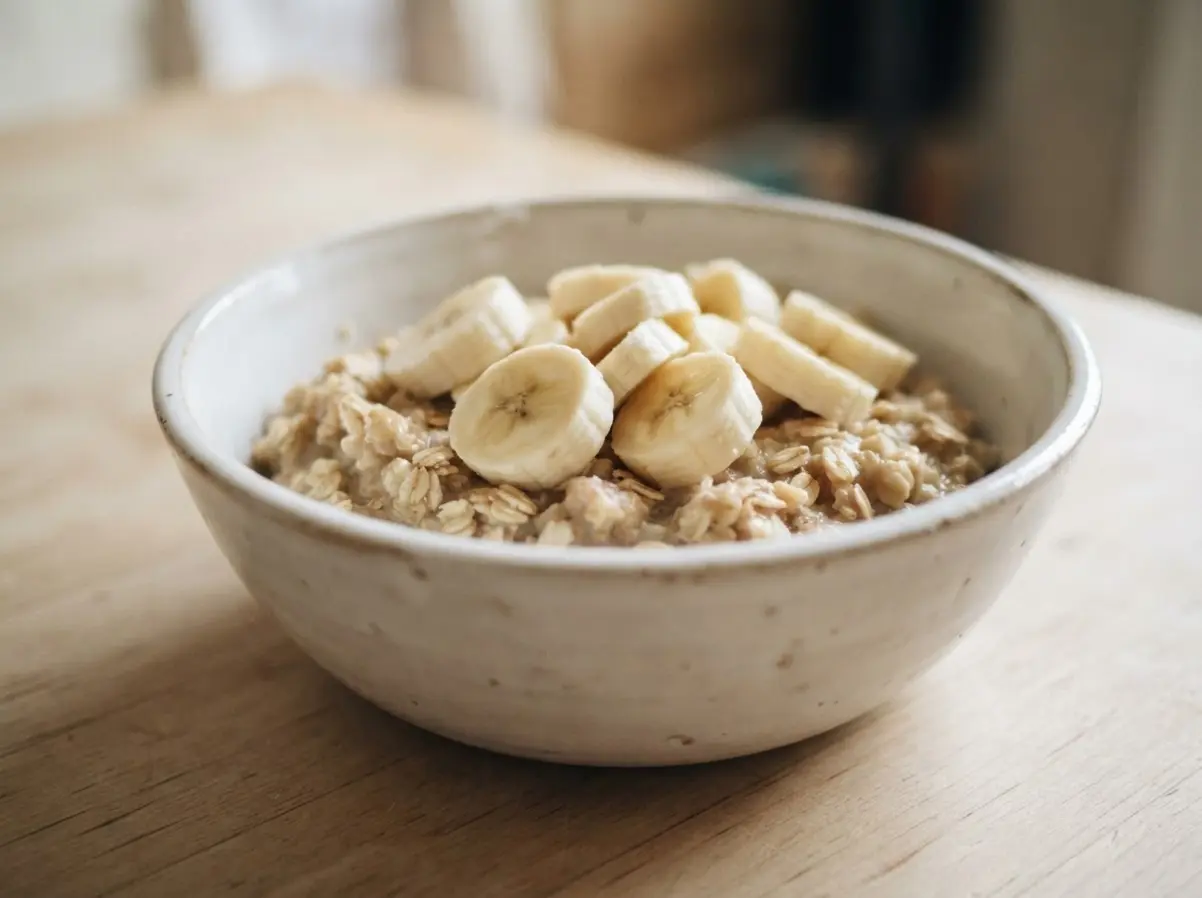
If evening hunger is common, you do not need to skip food, and keeping track of foods you should avoid at late evening hours makes planning much easier. A small serving of plain yogurt, oats, banana, or whole-grain toast often feels easier to digest.
Eating earlier also gives your stomach more time before you lie down. I know evening cravings feel strongest after a long day, so this guide keeps the advice practical rather than strict. You will see why each food group causes trouble, what to choose instead, and when to seek help for ongoing symptoms.
Let’s make your evening routine calmer, one simple swap at a time.
Late Meal Timing And Reflux Risk
Finish a substantial meal at least two to three hours before lying down when reflux bothers you, and always remember the foods you should avoid at late evening hours. This two-to-three-hour gap gives the stomach more time to move food onward before gravity stops helping.
Fried meals and creamy dishes often sit longer because high fat slows gastric emptying, the process of moving food from the stomach into the intestine. Acidic tomato sauce, citrus, and hot spices often trigger burning when stomach contents move upward. Carbonation adds pressure inside the stomach, while alcohol relaxes the valve between the stomach and esophagus.
A modest portion helps reduce fullness, especially after a late dinner. If symptoms keep returning, discuss patterns with a healthcare professional.
Personal Trigger Tracking Before Bedtime
Write down the food, portion size, eating time, bedtime, and symptoms for several evenings before cutting whole food groups, particularly when tracking the foods you should avoid at late evening hours. A food-symptom journal helps link burning, sour taste, bloating, or restless sleep with specific meals rather than guesses.
One person might react to tomato sauce, while another notices symptoms after chocolate or coffee. Track drinks too, since coffee, energy drinks, cola, and alcohol bring stimulants or liquid calories close to bedtime.
Note whether you reclined soon after eating, since posture often separates a comfortable evening from nighttime reflux. A pattern repeated across several nights deserves more attention than a single uncomfortable evening. Use this record to test one suspected trigger at a time, while keeping portions and bedtime fairly steady.
1. Caffeinated Beverages and Stimulants for Evening Sleep
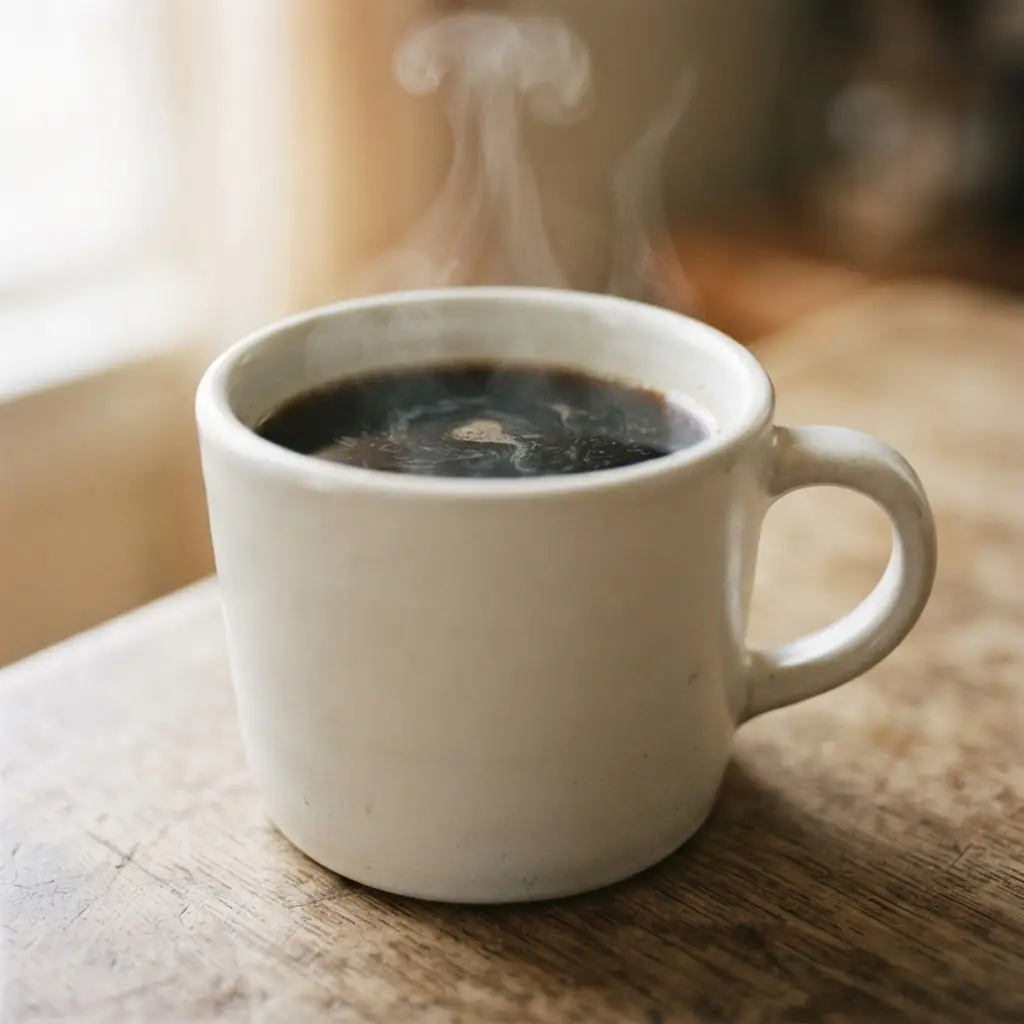
A common mistake is assuming coffee is the only evening source of caffeine, which makes it useful to know the foods you should avoid at late evening hours. Tea, cola, energy drinks, chocolate, nicotine, and some medicines can also keep the brain alert. Set an evening caffeine cutoff at least 6 to 8 hours before bedtime.
People with high sensitivity might need an earlier cutoff. Caffeine blocks adenosine receptors in the brain, and pairing this fact with a clear list of foods you should avoid at late evening hours makes planning simpler. Adenosine builds sleep pressure during the day.
Blocking this signal can delay sleep, increase wakefulness in bed, and lead to more night awakenings. Energy drinks deserve extra care because guarana and taurine often appear alongside caffeine.
Read caffeine labels on coffee drinks, teas, sodas, energy drinks, and over-the-counter products, since doing so helps you spot more of the foods you should avoid at late evening hours. Black, green, and oolong teas contain caffeine, while chamomile, peppermint, and valerian root teas are typically caffeine-free.
Dark chocolate supplies a smaller amount, yet several evening sources together can affect sleep. Decongestants and weight-loss products sometimes contain stimulants, so ask a pharmacist about possible sleep effects.
Research suggests reducing evening stimulants supports better sleep continuity and less next-day tiredness, particularly when you cross off the foods you should avoid at late evening hours. Choose water or caffeine-free herbal tea after the cutoff.
Reduce nicotine during the hours before bed, and do not change prescribed medicine without medical guidance. Always consult a healthcare professional before making changes to your health routine.
2. High-Fat and Fried Meals: Digestive Comfort
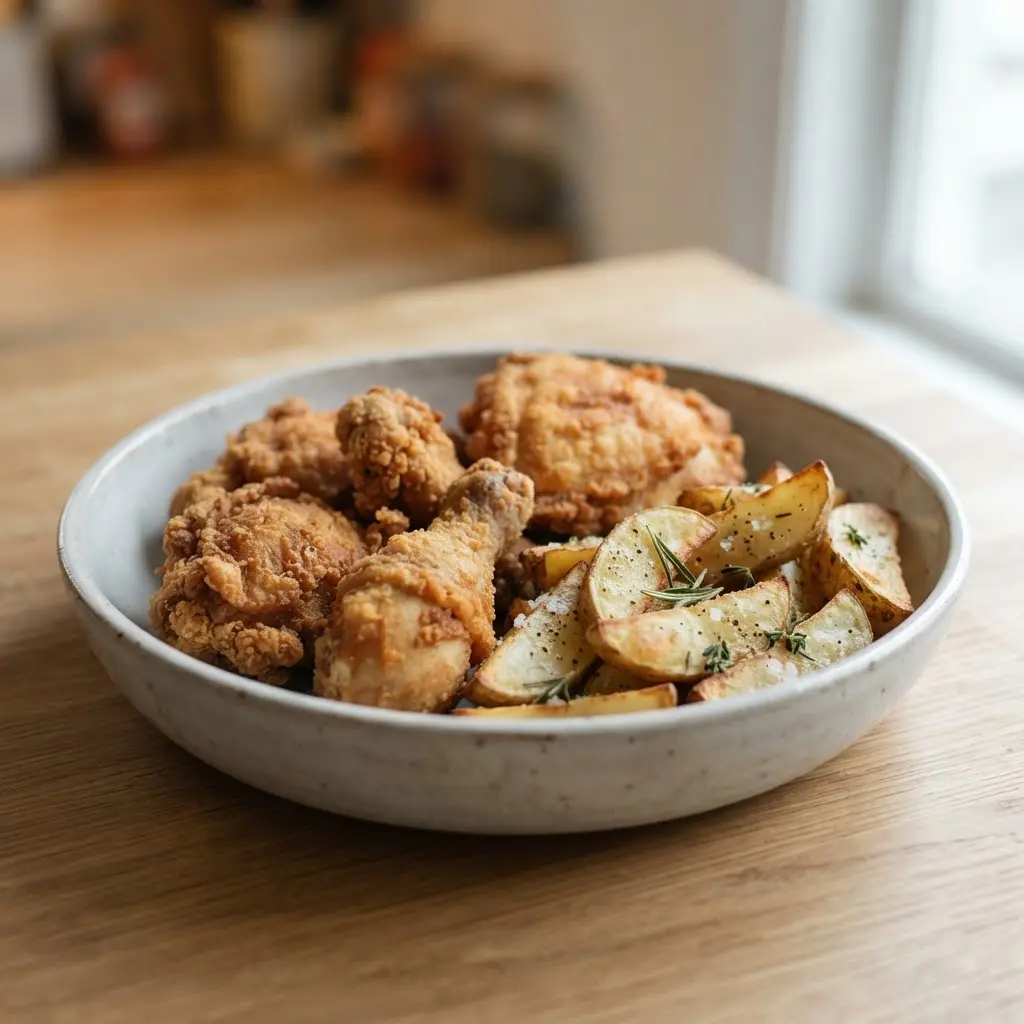
Avoid fried evening meals and choose a lighter option instead, since that simple swap highlights why foods you should avoid at late evening hours often include heavy items. High-fat foods require bile and digestive enzymes to break down fat.
This process often takes longer than digestion after a lower-fat meal. Eating a heavy portion close to bedtime may leave you feeling overly full while digestion continues.
Fried foods bring an added concern, and cooking oil enters the food during frying, which shows one reason why foods you should avoid at late evening hours often feel heavy. High heat also changes the structure of some fats, which may make fried food harder to digest.
A large serving of fried chicken, chips, or battered food late at night places more digestive work on the body than a modest serving of grilled food. Focus on both portion size and cooking method, rather than portion size alone.
A small fried snack still contains added cooking fat, while a large meal with little fat may feel different from person to person. Research suggests that fatty and fried meals are linked with indigestion in some people, while tolerance varies widely.
Choose steamed, baked, grilled, or lightly cooked foods during the evening. Keep added oils modest, and track whether fatty meals lead to bloating, discomfort, or prolonged fullness.
Persistent indigestion, significant pain, or recurring symptoms require medical attention. Always consult a healthcare professional before making changes to your health routine.
3. Spicy and Acidic Ingredients Linked to Heartburn
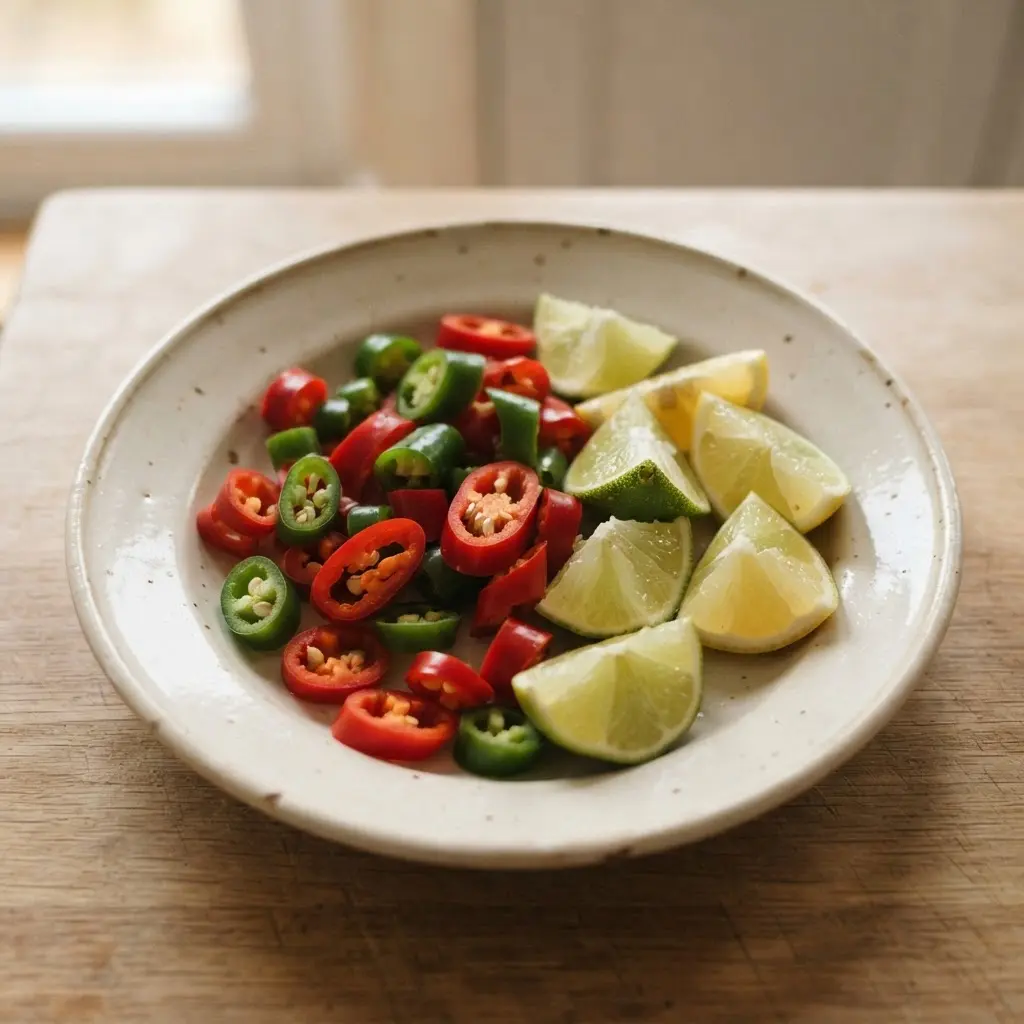
At 10 p.m., a bowl of chili with tomato sauce can leave a burning feeling behind the breastbone, especially when you have not yet reviewed the foods you should avoid at late evening hours. Capsaicin-rich chili peppers often worsen symptoms in people with a sensitive esophagus.
Capsaicin may irritate the esophageal lining directly and might slow stomach emptying, allowing reflux discomfort to last longer. Skip late servings of hot sauce, salsa, tomato-based pasta sauce, vinegar-heavy foods, lemons, oranges, grapefruit, and acidic juices when these foods repeatedly cause symptoms.
Acid touches an already irritated lining and increases the burning sensation. Orange juice and grapefruit juice have been linked with heartburn in some studies, although results differ between people. Track your own response instead of treating every spicy or acidic food as a universal trigger, and keep your list of foods you should avoid at late evening hours nearby for quick checks.
Keep a simple food record for one to two weeks. Write down the food, the time eaten, portion size, and any symptoms.
Include related triggers such as caffeine, chocolate, alcohol, carbonated drinks, onions, peppermint, and fatty or fried foods. Fatty meals often stay in the stomach longer and might add to reflux symptoms. Research suggests individual triggers vary, so removing foods without a clear pattern can create unnecessary limits.
Choose milder evening meals and leave enough time between dinner and bedtime. Always consult a healthcare professional before making changes to your health routine.
4. Refined Sugar and Processed Snacks at Night
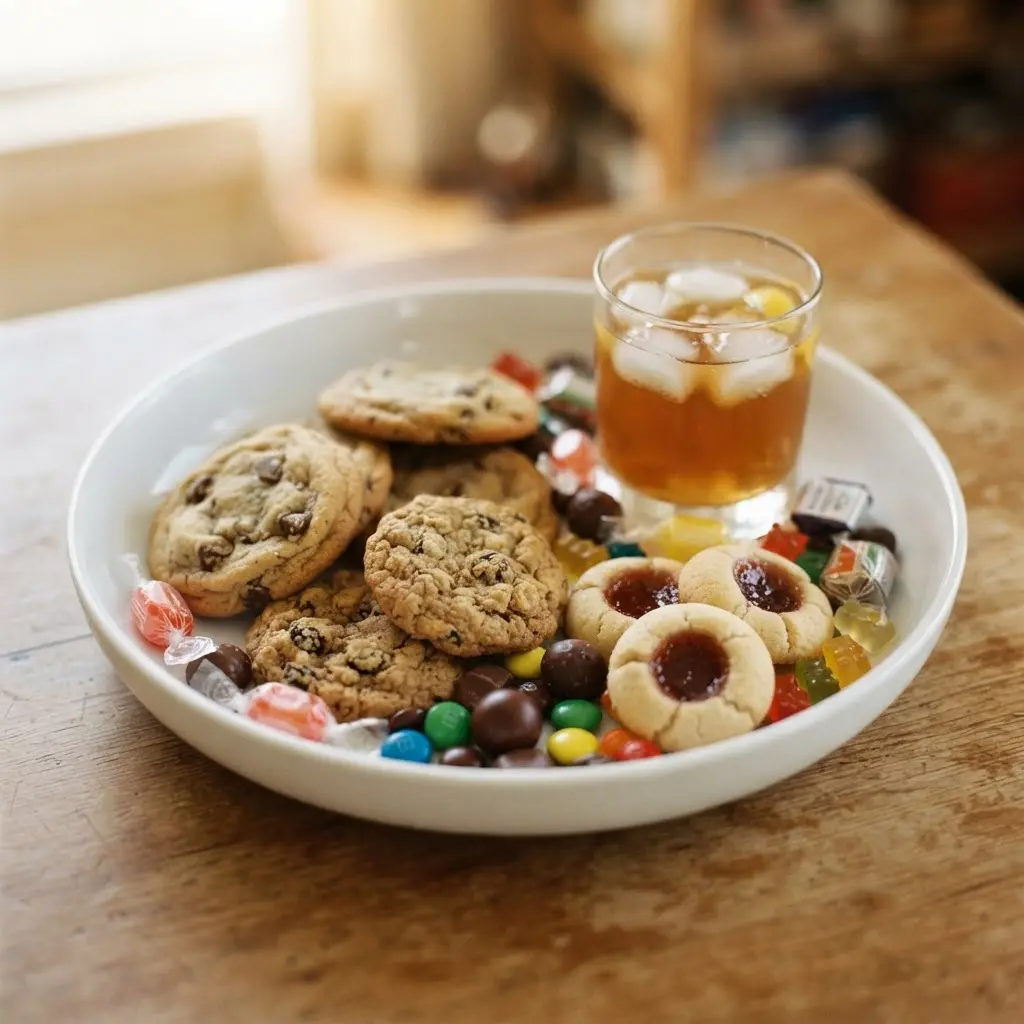
A common belief says every evening snack harms sleep and weight, but you will see clearer results when you separate real meals from foods you should avoid at late evening hours. The truth is more specific. Refined sugar and highly processed snacks create greater concern when portions are large, energy density is high, or eating happens close to bedtime.
Candy, pastries, sweetened cereal, chips, snack cakes, and sugary drinks fit this pattern. Refined carbohydrates digest quickly. Blood glucose rises fast, then drops as insulin moves glucose into cells.
In some people, this change triggers restlessness or an adrenaline response. Nighttime insulin sensitivity is also lower than daytime sensitivity, so the body handles the same meal differently in the evening. Eating close to sleep can add excess energy to the daily total.
Finish eating about three hours before bedtime, especially after a large snack. Research suggests late-night eating and ultra-processed foods are each linked with poorer sleep quality. Combined effects may involve higher cortisol, higher ghrelin, lower melatonin release, circadian misalignment, and changes in normal sleep patterns.
These effects differ according to portion size, activity, metabolic health, and personal sleep timing. Check ingredient labels for added sugar, refined carbohydrates, high fat content, and dense calorie loads. Choose a smaller, lower-energy-density food when eating before 11 PM is unavoidable.
Night eating of high-energy-density foods is associated with higher risks of diabetes, cancer, and death from all causes, but these findings do not prove one snack causes disease. Always consult a healthcare professional before making changes to your health routine, especially since people with diabetes or insulin resistance need personalised advice.
5. Alcoholic Drinks and Nightcaps: Sleep Quality Concerns

Does a nightcap improve sleep? Usually, no. Alcohol may cause early drowsiness, yet knowing the foods you should avoid at late evening hours helps explain why the first sleepy feeling does not guarantee restful sleep.
Alcohol suppresses REM sleep during the first half of the night. REM sleep supports memory and emotional balance. Choose a non-alcoholic bedtime drink instead when sleep quality matters.
As alcohol leaves the bloodstream, sleep often becomes lighter and more broken. Later-night awakenings can make falling back asleep difficult. Alcohol also relaxes throat muscles.
This effect can worsen snoring and increase the risk or severity of obstructive sleep apnea. People with loud snoring or repeated breathing pauses need medical guidance. Alcohol creates other problems near bedtime.
Increased urine production can interrupt sleep and contribute to dehydration. Blood vessel widening can lead to night sweats. Stomach irritation can trigger heartburn or indigestion, adding discomfort during the night.
Research links these disruptions with less restorative sleep, even after a person falls asleep quickly. Stop drinking 3 to 4 hours before bedtime to give the body more time to process alcohol.
Drink water alongside alcoholic beverages if you choose to drink earlier in the evening. Warm herbal tea, including chamomile or valerian root tea, offers a non-alcoholic alternative. Individual responses differ, but moderate intake still carries a meaningful risk of sleep disruption.
Always consult a healthcare professional before making changes to your health routine.
Smaller Evening Snacks For Genuine Hunger
When hunger keeps you awake, choose a small snack with protein or fiber instead of eating a full second dinner. A few spoonfuls of plain Greek yogurt, a small bowl of oatmeal, or half a banana often feels easier to digest than a rich dessert.
Pairing a modest portion with water helps limit liquid calories close to bedtime. Whole grains and fruit still fit an evening eating pattern, so cutting all carbohydrates is unnecessary. Weight change reflects total daily intake and eating habits, not one food eaten after dark.
Skip oversized servings, since fullness itself often disrupts sleep and raises the chance of reflux when you lie down. If hunger appears often at night, review daytime meals, protein, fiber, and hydration.
Conclusion
Your evening meal is part of your daily rhythm, not a test of willpower. Small changes often feel easier when they fit your real schedule. For your next evening, look at portion size and timing before labeling a food as forbidden.
Choose a lighter option, eat slowly, and leave some time between eating and lying down. If heartburn, poor sleep, or stomach discomfort keeps returning, share a simple food and symptom note with a health professional. Foods you should avoid at late evening hours differ from person to person, so notice your own patterns without blame.
A cup of herbal tea, plain yogurt, oats, or a banana is a gentle starting point for many people. Pick one evening swap tonight, keep it easy, and build from what feels comfortable. Your next morning gives you useful feedback, so use it to guide the next small choice.
FAQs
Q: Is eating close to bedtime always a problem?
A: Not for everyone. A small, balanced snack often suits people with evening hunger, while a large meal close to lying down often feels uncomfortable. Notice how timing affects sleep and digestion.
Q: What foods help with evening hunger?
A: Plain yogurt, oats, banana, and whole-grain toast are simple choices for many people. Keep the serving moderate and choose foods with protein, fiber, or both for longer-lasting fullness.
Q: Why does caffeine affect sleep at night?
A: Caffeine stays active in the body for several hours. It often delays sleep and makes rest feel lighter, even when a person falls asleep without trouble.
Q: Which foods often worsen nighttime heartburn?
A: Spicy foods, acidic foods, fried meals, rich sauces, and alcohol often worsen heartburn. Lying down soon after eating also adds pressure and discomfort for some people.
Q: Does eating late cause weight gain?
A: Meal size and total intake matter more than the clock alone. Large, energy-dense snacks add extra intake, especially when eaten without hunger. A regular meal pattern often supports steadier choices.