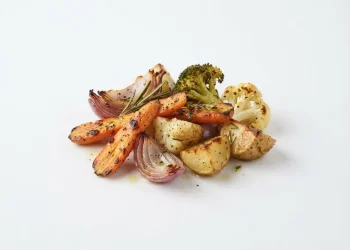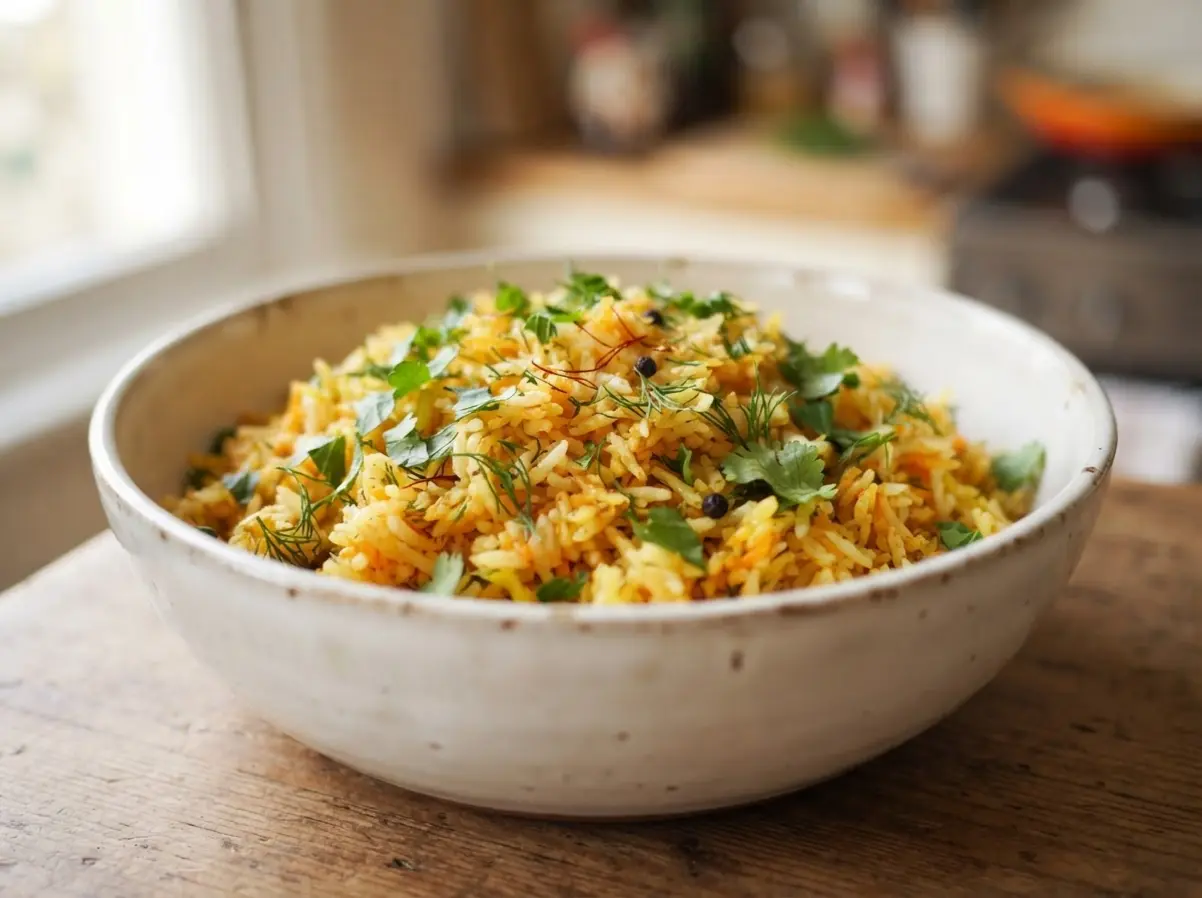
Want more flavor and better nutrition from everyday meals? Healthy spices that deserve more attention include turmeric, garlic, ginger, cayenne, and saffron. Each brings a distinct taste and a different area of nutrition support.
Use them as part of balanced meals, not as replacements for medical care or prescribed treatment. When adding healthy spices that deserve more attention, turmeric contains curcumin, garlic brings sulfur compounds, ginger suits digestion, cayenne contains capsaicin, and saffron contains plant pigments studied for brain support. Cooking affects these compounds, so gentle heat, short cooking times, and adding spices near the end often help preserve flavor and some plant compounds.
I know spice jars often sit unused because it is hard to know where to begin. Let’s make it easy with simple food pairings, cooking ideas, and clear notes on supplement limits. Pick one spice today, add it to a meal, and start tasting the difference.
Using Seasonings To Reduce Added Salt
Replacing half the salt in a lentil soup with ground cumin, turmeric, or sage keeps savory depth while lowering sodium in the bowl. Earthy cumin suits beans and roasted vegetables, while sage fits mushrooms, chicken, and creamy sauces. As you explore healthy spices that deserve more attention, watch texture too.
Turmeric brings color and a mild bitter note, so small amounts work best with garlic, lemon, or yogurt. Freshly ground spices often taste stronger than old powders, giving you room to reduce salt without making dinner bland. Cumin seeds add a gentle crunch when toasted, while powdered spices blend smoothly into broth.
Taste before adding extra salt, since beans, tinned tomatoes, and stock each bring their own sodium. This approach supports heart healthy eating without treating any spice as a cure.
Culinary Amounts Versus Concentrated Supplements
Curcumin capsules deliver a concentrated dose unlike the small amount found in a spoonful of turmeric used in cooking. Research on curcumin often uses standardized extracts, while home meals vary in spice quality, fat, heat, and serving size. Before testing healthy spices that deserve more attention, black cumin contains thymoquinone, and early research explores its antioxidant and other effects without proving disease treatment. Concentrated products also raise more questions about stomach irritation, heartburn, allergies, pregnancy, and medicine interactions.
People taking blood thinners, diabetes medicine, or blood pressure drugs should ask a clinician before using curcumin capsules. For most cooks, culinary amounts offer a sensible starting point and keep flavor central.
1. Curcumin-Rich Turmeric Benefits for Everyday Anti-Inflammatory Meals
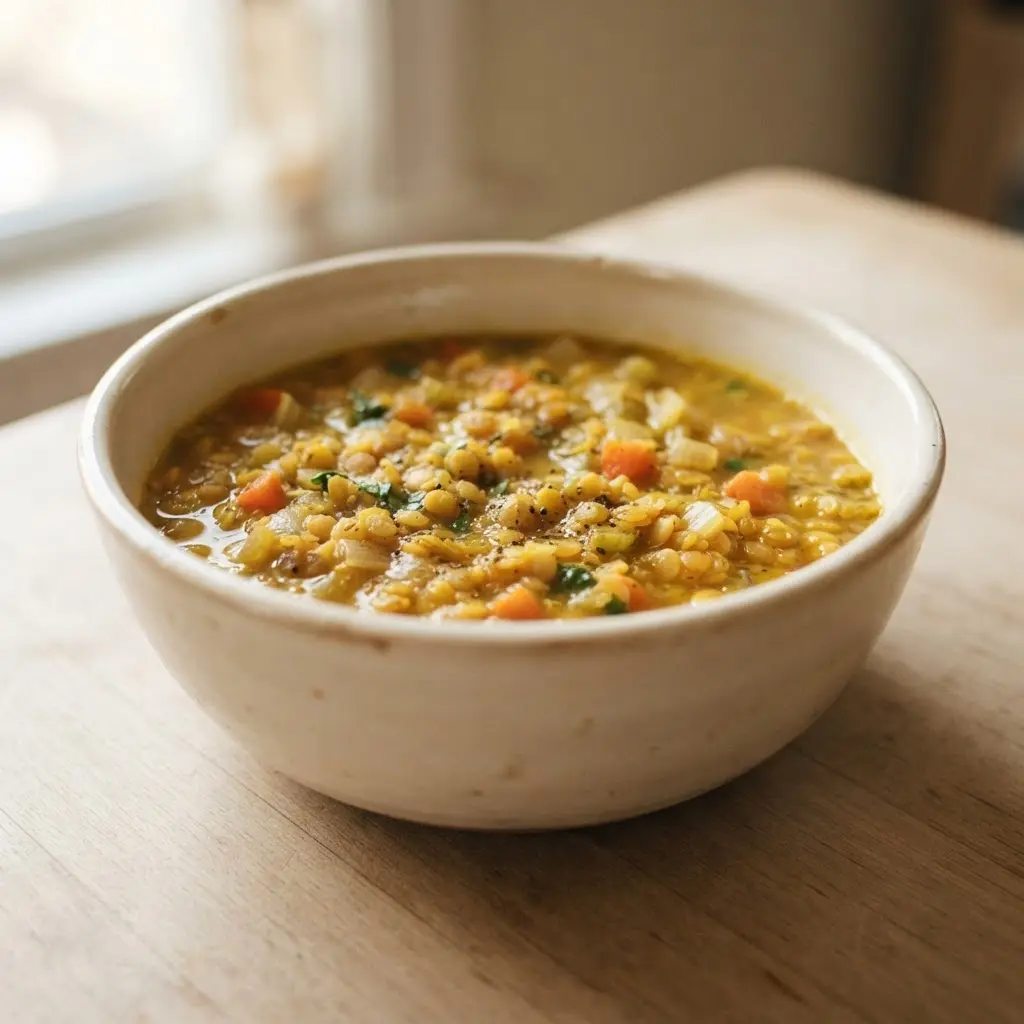
Common mistake: using turmeric alone and assuming the body absorbs all its curcumin. Pair turmeric with black pepper and a source of healthy fat, such as olive oil, avocado, or coconut milk. Understanding healthy spices that deserve more attention shows black pepper contains piperine, which research has linked with a possible increase in curcumin absorption of up to 2,000 percent.
Curcumin has antioxidant and anti-inflammatory activity. Research suggests turmeric might support people managing chronic inflammatory conditions or joint discomfort, though food amounts are not guaranteed treatments. Stir powdered turmeric into lentil soup, scrambled eggs, rice, or roasted carrots during cooking.
Fresh turmeric root works well in tea after simmering and straining. Because healthy spices that deserve more attention fit many recipes, research suggests golden milk offers a simple way to combine turmeric, warm dairy or plant-based milk, black pepper, cinnamon, and a small amount of honey or maple syrup. Turmeric also fits into curries, stews, dressings, marinades, smoothies, oatmeal, and vegetable seasonings. These uses add warm flavor and golden color across the day without relying on high-dose supplements.
Choose food-based portions for routine meals. Avoid assuming higher amounts bring better results, since concentrated supplements might cause abdominal pain, nausea, or diarrhea. Turmeric is generally safe in food, but use caution with high-dose products. Always consult a healthcare professional before making changes to your health routine.
2. Cardiovascular Health Benefits of Garlic in Savory Meals
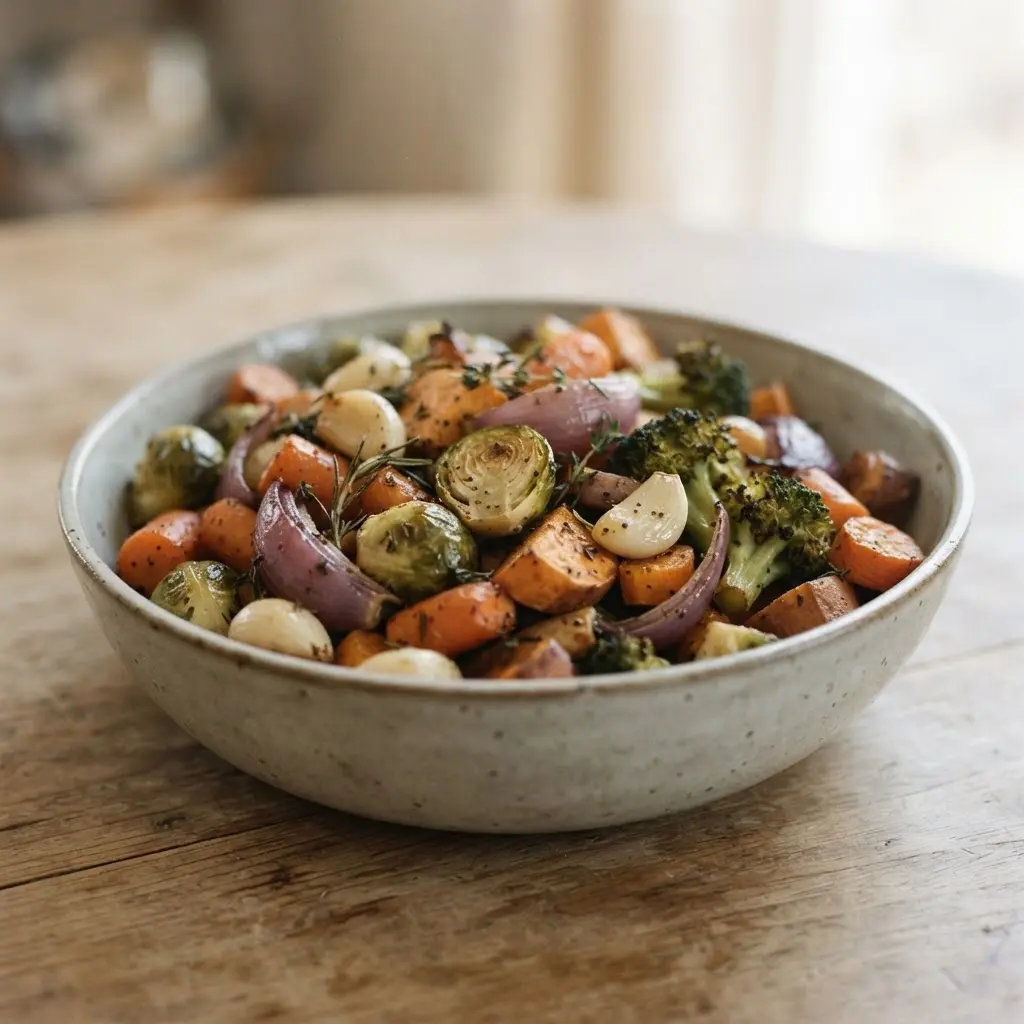
Add minced fresh garlic to savory meals several times each week. While studying healthy spices that deserve more attention, garlic brings strong flavor without relying on extra salt. Research has linked garlic intake with healthier cholesterol and triglyceride levels, lower blood pressure, improved blood sugar control, and lower signs of inflammation and oxidative stress.
Studies have examined fresh cloves, dried garlic powder, garlic oil, and aged garlic extract. Reported changes include lower total cholesterol, LDL cholesterol, and triglycerides, along with higher HDL cholesterol. Some trials also found lower systolic and diastolic blood pressure. When using healthy spices that deserve more attention, use garlic in soups, stews, sauces, roasted vegetables, whole grains, and legumes.
A simple meal of beans, vegetables, and garlic provides flavor within a broader heart-conscious eating pattern. Research suggests these benefits relate to several pathways, including lipid regulation, blood sugar control, inflammation, and protection from oxidative stress. The amount used in everyday cooking does not automatically match the studied dose of an extract or supplement. Healthy spices that deserve more attention require careful use. Treat garlic as a supportive food, not as a treatment for heart disease. Aged garlic extract has been studied for blood-pressure support, yet garlic should not replace prescribed medicine. Always consult a healthcare professional before making changes to your health benefits of garlic.
Avoid assuming every form works in the same way, and do not pair garlic with heavily processed or high-sodium meals while overlooking the rest of the diet.
3. Digestive Aid Properties of Ginger for Daily Cooking
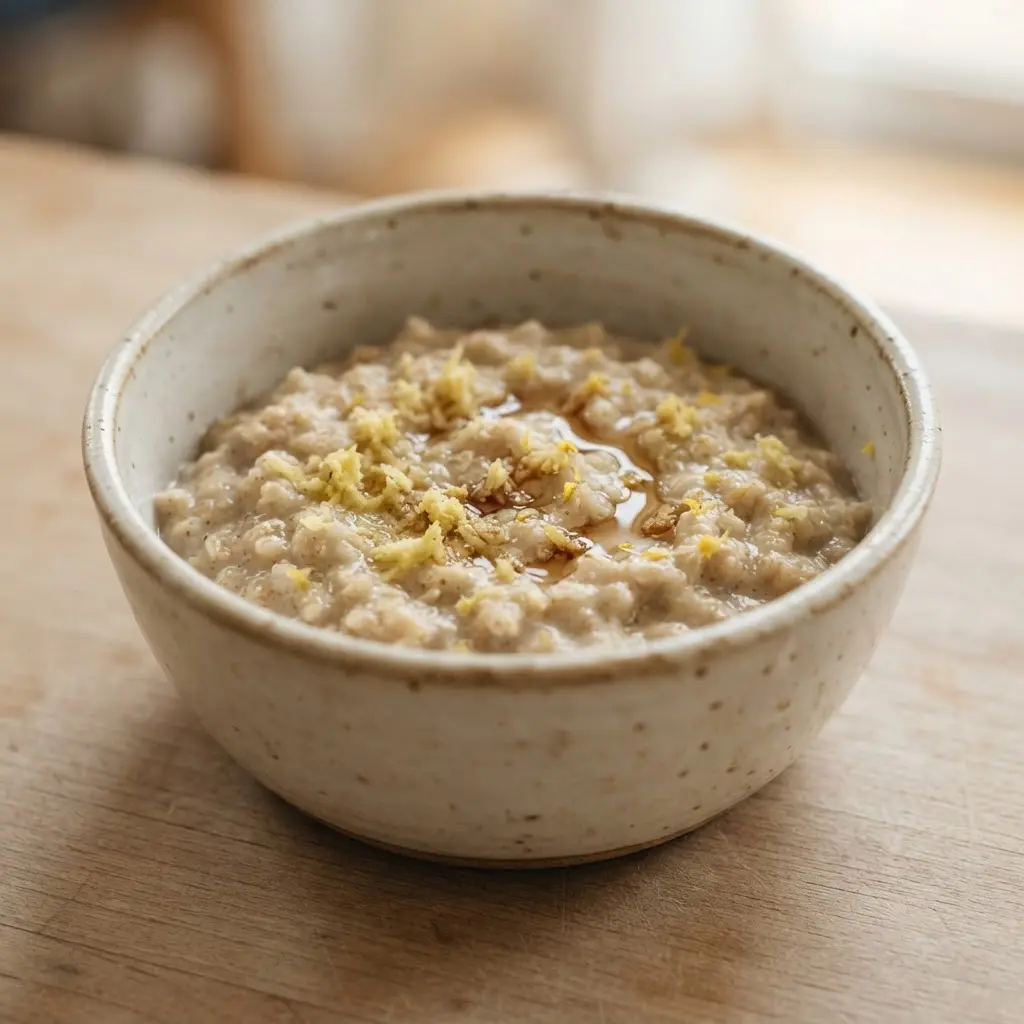
After a heavy 7 p.m. meal, grate a little fresh ginger root into hot water or soup. Ginger contains gingerol, a compound linked with digestive activity. Ginger may support gastric motility, which moves food through the stomach and intestines. Preparing healthy spices that deserve more attention means research suggests ginger also supports relief from nausea, including motion sickness and some treatment-related nausea.
Serotonin receptors in the gut influence the vomiting reflex, and ginger appears to affect those signals. Steep sliced ginger in boiling water for at least 10 minutes for a simple drink. While learning about healthy spices that deserve more attention, people managing morning sickness or chemotherapy-related nausea should seek medical guidance before using ginger as a treatment.
Use minced or grated ginger in stir-fries, soups, stews, marinades, salad dressings, smoothies, and baked goods. Powdered ginger suits spice blends, dry rubs, and baking because storage and measuring are easy. Pickled ginger offers a ready-to-eat option, though preparation methods vary. Research suggests ginger might ease bloating and gas by supporting digestion and limiting some gut fermentation, though results differ among people.
Choose culinary amounts rather than concentrated shots or supplements for routine meals. Large amounts can cause heartburn, nausea, or diarrhea. Commercial ginger drinks often contain added sugar, so check the label or prepare homemade tea. Ginger does not replace care for ulcers, reflux, persistent vomiting, or suspected Helicobacter pylori infection. Persistent stomach pain, reflux, black stools, or suspected ulcers require medical evaluation. Always consult a healthcare professional before making changes to your health routine.
4. Pain Relief from Cayenne Pepper in Balanced Meals
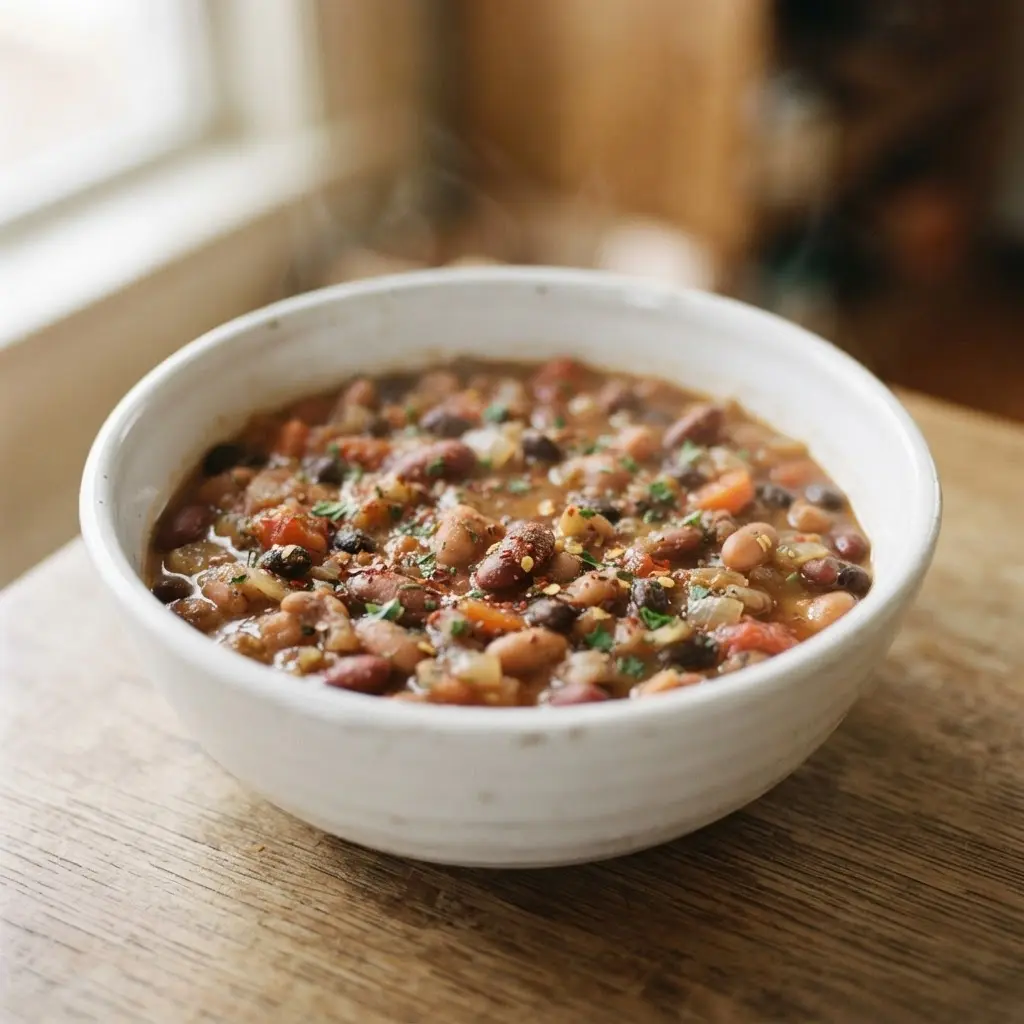
Many people believe eating cayenne works like a pain-relief cream. Exploring healthy spices that deserve more attention, the clearest evidence involves topical capsaicin, not ordinary dietary use. Capsaicin affects nerve endings involved in pain signals. Creams, gels, and patches containing capsaicin are used for some nerve pain, arthritis pain, muscle spasms, and other musculoskeletal problems. Burning or irritation often appears after application, then lessens with regular directed use.
Dietary cayenne brings heat and flavor to a balanced meal, but research on oral pain relief remains ongoing. Add a small pinch to soup, eggs, roasted vegetables, a sauce, or a stir-fry. Pair the spice with vegetables, protein, and whole grains. A larger amount offers no proven extra benefit and often causes discomfort. The meal remains the main source of nourishment, while cayenne serves as a flavoring ingredient.
Start with a modest amount and increase only within personal digestive tolerance. Sudden or heavy use may cause burning, heartburn, stomach pain, nausea, or diarrhea. People with acid reflux or sensitive digestion should reduce cayenne or avoid the spice when symptoms worsen. Research suggests dietary cayenne might support pain comfort for some people, yet the finding does not match the clinical role of topical products.
Follow product directions for topical capsaicin. Keep creams, gels, and patches away from eyes, mucous membranes, and broken skin. Never apply food-grade cayenne directly to painful skin. Persistent or unexplained pain requires medical evaluation. Always consult a healthcare professional before making changes to your health routine.
5. Cognitive Function Support of Saffron in Small Portions
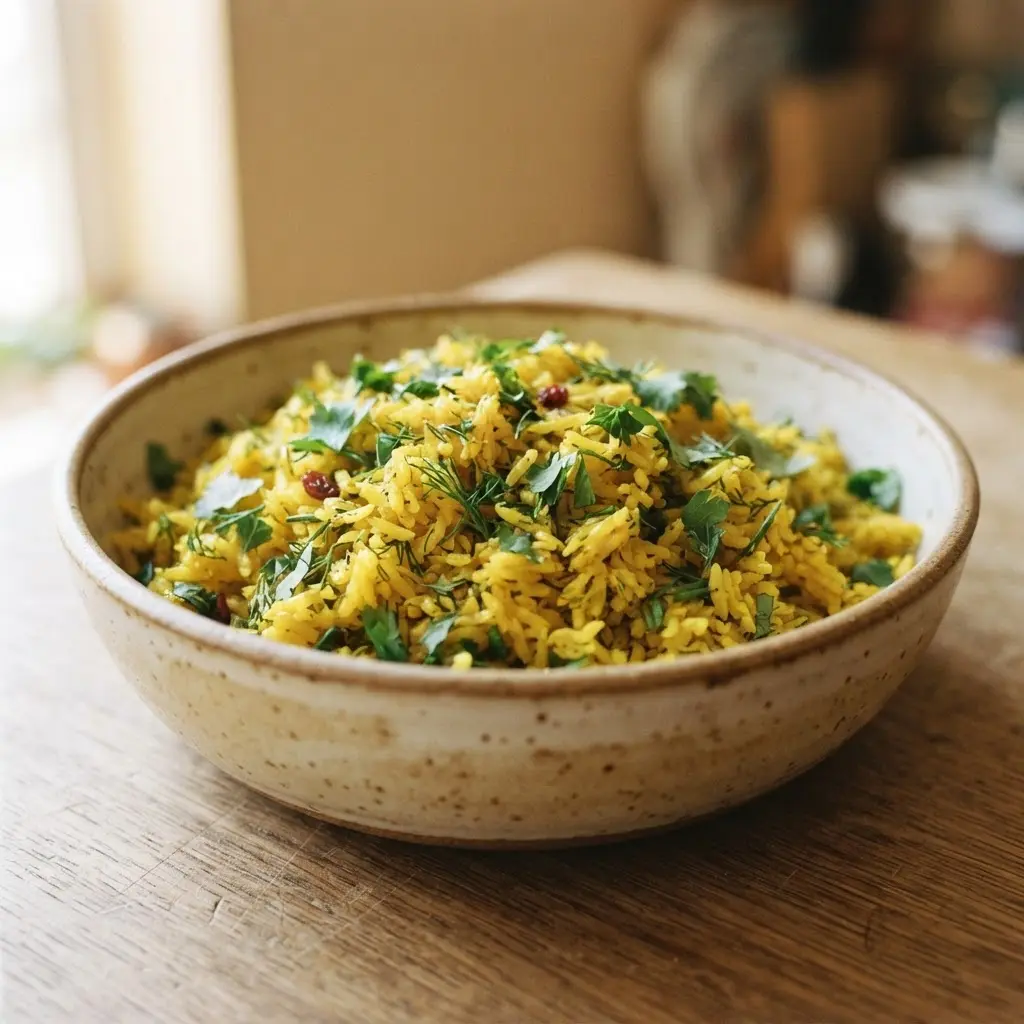
Does a small amount of saffron support memory? Research suggests possible support for cognitive function in people with mild cognitive impairment or mild to moderate Alzheimer disease. Clinical studies commonly used about 30 mg per day, usually as a measured extract rather than a cooking pinch.
Some trials reported results similar to donepezil or memantine, though saffron is not a replacement for either medicine. Researchers often study extracts standardized for crocin and safranal. These compounds give researchers a more consistent way to compare preparations across trials. Improvements have involved memory and thinking skills, with some reports of better daily living activities.
Research quality is still limited, and larger trials are needed before firm treatment claims are made. Do not assume a few saffron threads provide the same amount as a clinical extract. Culinary saffron varies in active compounds, so measure it by threads or a small pinch for food rather than trying to copy a research dose. The toxic dose of saffron powder is considered above 5 grams per day, far beyond the amount used in cognitive studies.
Use saffron as an area of research, not as a cure or prevention method for dementia. Nausea, vomiting, fatigue, vertigo, and hypomania have been reported, although these effects were not more common than with placebo in the cited research. Keep prescribed cognitive treatment in place and discuss concentrated supplements with a clinician. Always consult a healthcare professional before making changes to your health routine.
Building A Rotation Of Flavor Profiles
A weekly rotation of warm, earthy, herbal, and peppery spices gives meals varied flavor without relying on extra salt. Use cinnamon with oats, apples, and unsweetened yogurt for a warm, woody note. Cumin brings nutty depth to chickpeas, rice, and roasted carrots, while black cumin adds a sharper edge through its small dark seeds. Sage offers a gray-green, savory profile for squash, poultry, and bean dishes.
Whole spices often keep their aroma longer than ground versions, so an airtight jar away from heat helps preserve quality. Freshly ground cumin or black cumin brings more fragrance than stale powder, though texture matters in sauces and drinks. Keep whole spices visible in your pantry, and rotate them before aroma fades.
Conclusion
Your spice rack often holds jars you bought with good intentions. A small pinch changes the taste of beans, eggs, soups, rice, or roasted vegetables. These choices also add plant compounds without depending on extra salt or sugar. Turmeric, garlic, ginger, cayenne, and saffron each bring a different flavor and nutrition focus.
Healthy spices that deserve more attention fit into daily meals when you use them in realistic amounts. Start with one jar. Add turmeric to lentil soup, ginger to oats, garlic to vegetables, cayenne to beans, or saffron to rice. Keep heat moderate when possible, and add delicate spices near the end of cooking.
Food remains the main source of nourishment, while supplements need extra care. Pick one meal today, season it with purpose, and keep the habit going. Small steps like this make healthy eating feel familiar, flavorful, and easy to repeat through the week.
FAQs
Q: What does turmeric add to a healthy meal?
A: Turmeric brings earthy flavor and curcumin. Black pepper and some dietary fat often pair well with turmeric in cooking, though food amounts differ from supplement doses.
Q: Are garlic and ginger useful in everyday cooking?
A: Garlic adds savory flavor and sulfur compounds. Ginger brings warm flavor and often suits soups, stir-fries, and oatmeal.
Q: Does cayenne relieve pain?
A: Capsaicin in cayenne is linked with pain relief, mainly in topical products and studied doses. Food use adds heat, but it is not a substitute for treatment.
Q: Is saffron good for brain health?
A: Saffron contains plant compounds studied for cognitive function. Research on supplements does not equal results from small culinary amounts.
Q: Are spice supplements better than cooking with spices?
A: Supplements contain concentrated amounts and need more caution than culinary use. Read labels and ask a qualified health professional about interactions or personal concerns.