Selecting Spring Produce at Peak Freshness
Choose green asparagus with firm spears and tightly closed tips, particularly when selecting healthy dishes you must try this spring, since limp stalks signal lost freshness. At a farmers’ market, look for smooth skin, crisp ends, and a clean grassy scent. Peas should sit plump inside bright green pods, which aligns with healthy dishes you must try this spring, while spinach needs crisp leaves without yellow edges. Pick radishes with sturdy roots and leafy tops, then remove the tops at home so they do not draw moisture from the bulbs. Strawberries should smell sweet and show an even red color, with no soft patches. New potatoes need unwrinkled skin and firm flesh, especially when preparing healthy dishes you must try this spring. Wash produce under cool running water before cutting, and dry delicate leaves well so salads stay crisp.
Balancing Protein, Fiber, And Healthy Fats
Add half a cup of cooked lentils to a spring plate for plant protein and filling fiber. Pair lentils with salmon, chicken, eggs, or beans when you want a meal with more protein, much like healthy dishes you must try this spring, and balance your portions carefully. Brown rice, quinoa, or golden new potatoes supply complex carbohydrates, which provide longer-lasting energy than refined grains. Olive oil, avocado, walnuts, and pumpkin seeds bring unsaturated fats and help vegetables feel satisfying. Lemon juice, vinegar, spring onions, dill, and parsley add sharp flavor without heavy sauces. Keep portions balanced by giving vegetables the largest share of the plate, then adding a moderate amount of protein and grain. Taste grains before serving, since plain rice or quinoa often needs salt, pepper, citrus, or fresh herbs, especially when exploring healthy dishes you must try this spring.
1. Seasonal Spring Produce Benefits for Balanced Meals
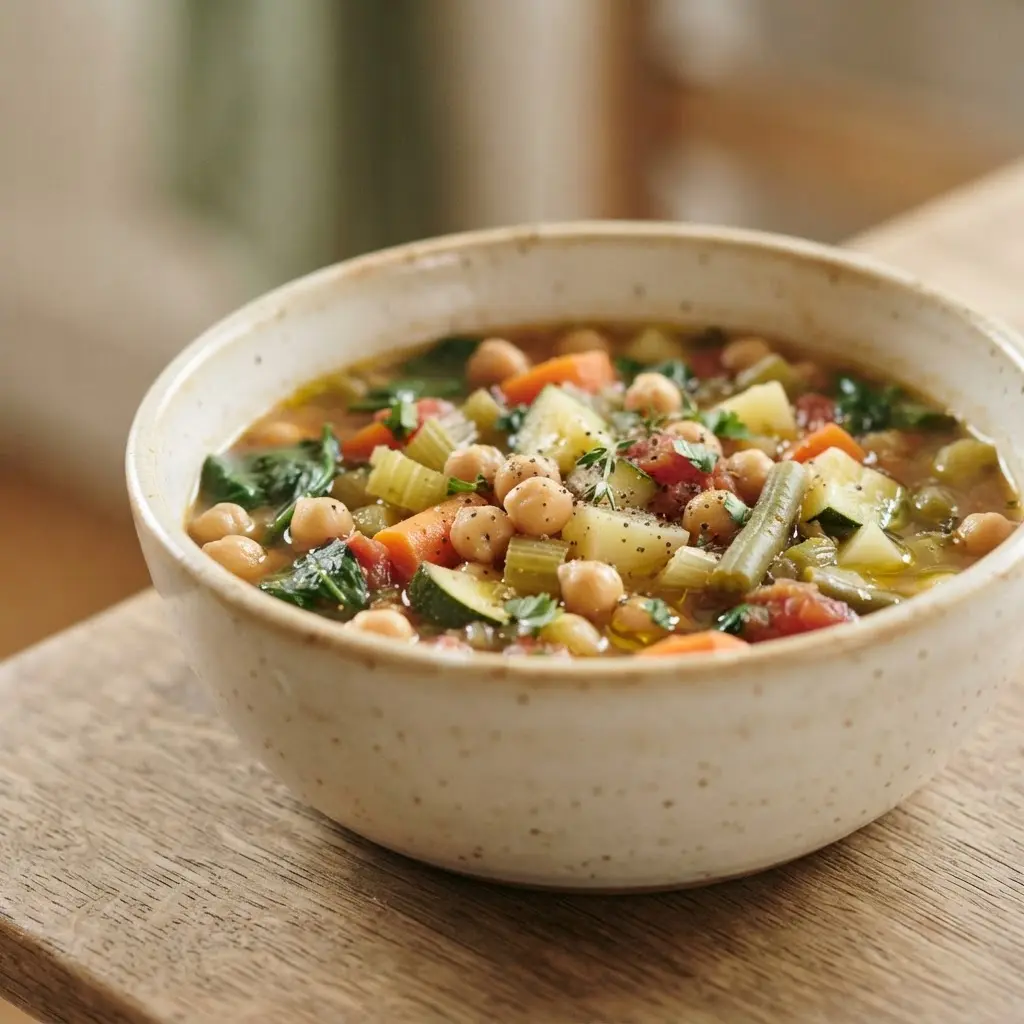
A common mistake is treating one spring ingredient as a complete meal. Correct this by combining several spring vegetables across the day, which mirrors healthy dishes you must try this spring, and pair spinach or asparagus with peas or fava beans, then add whole grains or another suitable staple for a more balanced plate.
Use spinach for folate, iron, and vitamins A, C, and K. Add peas or fava beans for plant-based protein and fiber, just as seen in healthy dishes you must try this spring. Include radishes for peppery crunch and spring onions for fresh savory flavor. Strawberries supply vitamin C, manganese, and antioxidants, while artichokes add fiber and antioxidants. These choices support a varied eating pattern without relying on one food. They also provide useful ingredients for wholesome spring brunch dishes.
Research on balanced eating supports variety because different foods provide different nutrients, textures, and flavors. Build meals around two or three types of produce, then adjust portions for personal energy needs, allergies, and medical guidance. Nutritional benefits vary with portion size and preparation, so general food advice does not replace personalised dietary care.
2. Refreshing Strawberry Spinach Salads With Fresh Herbs
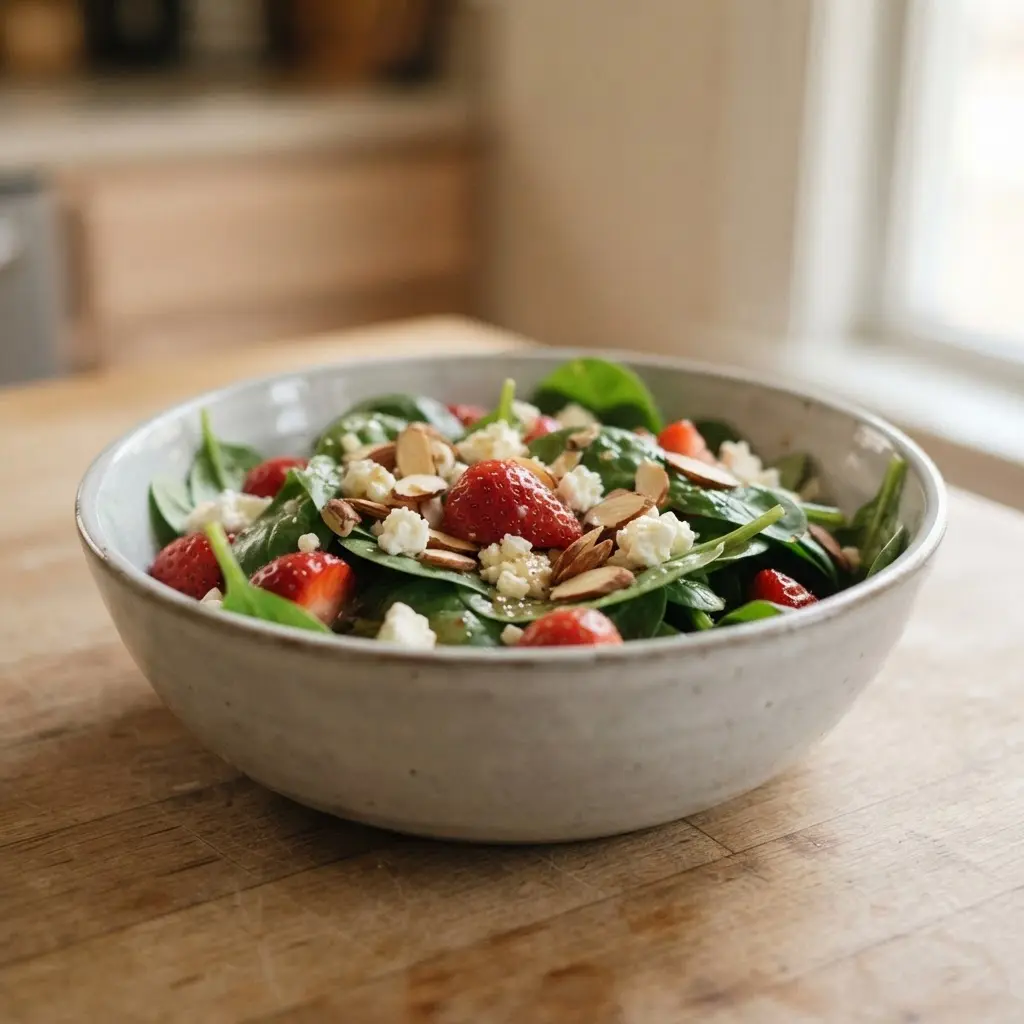
Start by rinsing and thoroughly drying baby spinach, strawberries, and herbs. Quarter 1 cup of strawberries, then combine the fruit with basil, mint, parsley, or dill. Dry leaves matter because water weakens the dressing and leaves the salad unevenly coated, which is key for healthy dishes you must try this spring.
Whisk balsamic vinegar or lemon juice with minced shallot, Dijon mustard, salt, and black pepper. Add honey for a softer edge. Gradually whisk in 5 tablespoons of extra-virgin olive oil to form a smooth vinaigrette. A balsamic vinaigrette gives the sweet fruit enough acidity, particularly for healthy dishes you must try this spring.
Toss the greens and herbs with the strawberries shortly before serving. Add crumbled goat cheese or feta, then finish with toasted almonds. Toast sliced almonds in a skillet over medium heat until golden and fragrant, then cool them fully. Warm nuts soften the greens and reduce their crunch.
Research suggests that contrasting textures and fresh herbs provide flavor without a heavy dressing. Add a small amount of vinaigrette first, toss gently, and add more only as needed. Serve the salad at once to keep the spinach crisp.
3. Green Vegetable Soups With Peas and Mint
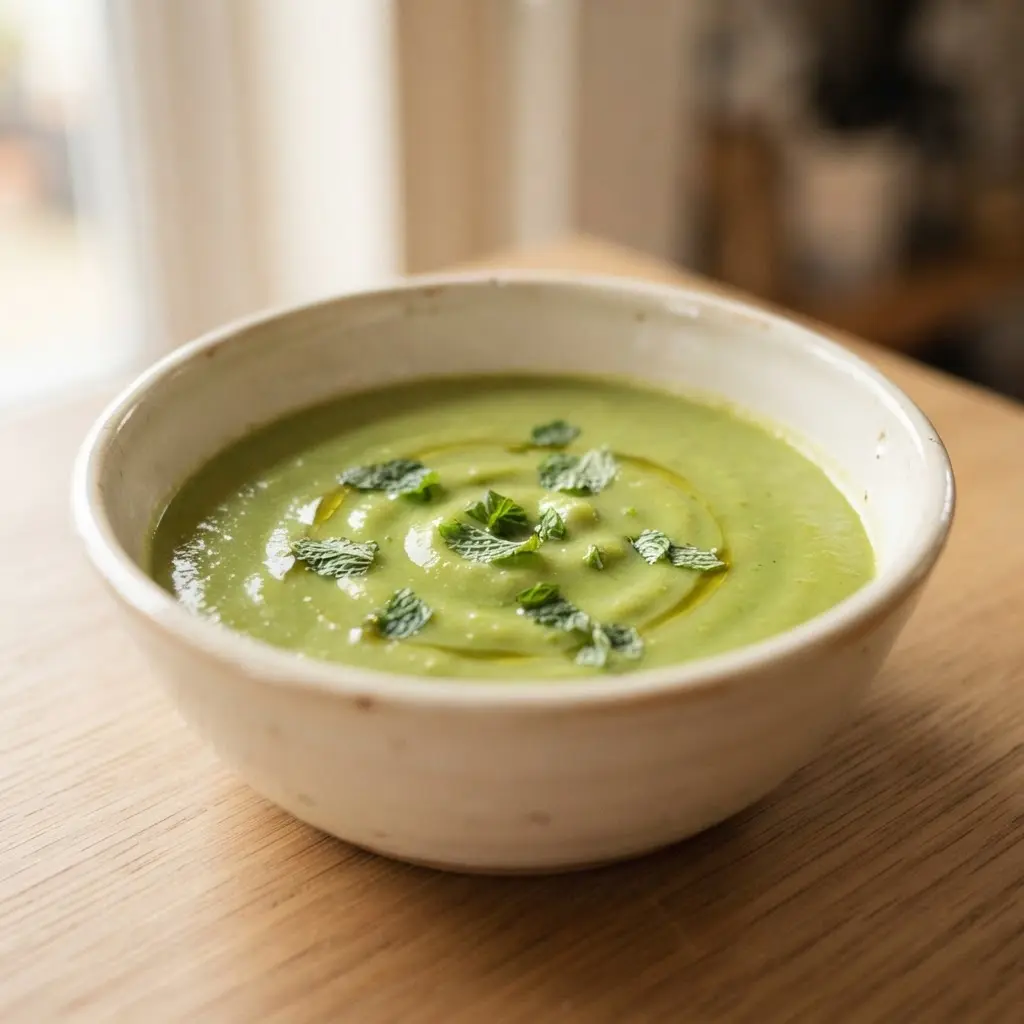
On a cool spring evening, serve a warm bowl of pea and mint soup as a light lunch or starter. Build the base with 500 g frozen peas, 750 ml vegetable broth, one softened onion, and two garlic cloves. Simmer the peas for 5–10 minutes, until tender, then blend until smooth.
Add fresh mint near the end to keep its clean flavor. Stir in 100 ml heavy cream or coconut milk, then warm the soup gently without boiling. For a chilled version, blend thawed peas with cucumber, green apple, zucchini, lemon juice, mint, and cold water. Refrigerate the soup for at least 30 minutes before serving.
Choose tender-crisp asparagus for a more textured bowl, matching healthy dishes you must try this spring. Cook the asparagus for 3–4 minutes, add 200 g peas for another 2–3 minutes, then finish with mint and lemon juice. Research suggests combining these vegetables with herbs and broth provides a simple way to add variety without a complicated cooking process. Transfer hot soup carefully when using a countertop blender.
4. Roasted Rainbow Carrot Dishes With Simple Seasoning
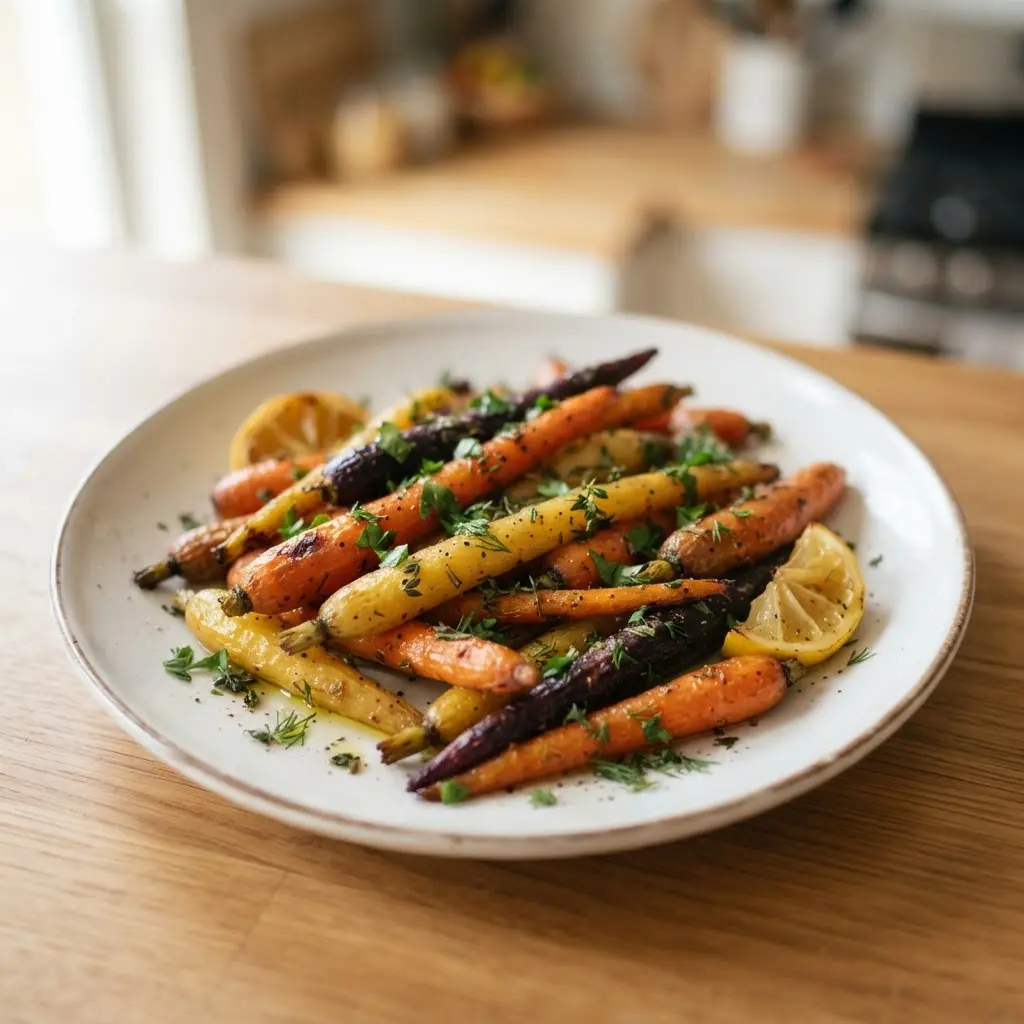
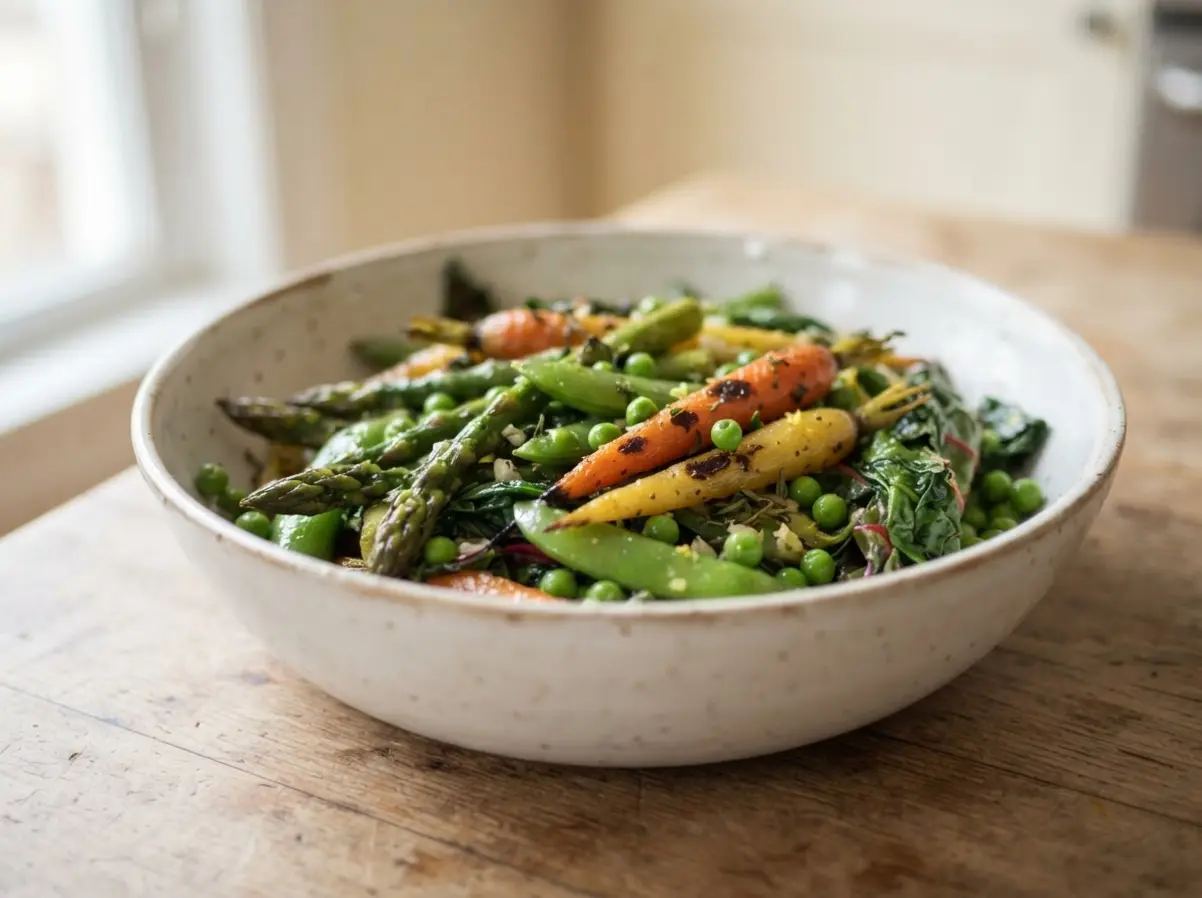
Rainbow carrots do not need a complicated sauce to taste special. Their different colors provide visual variety, while size and thickness determine cooking time. Trim and halve wide carrots, then keep smaller ones whole or split once. Spread them apart on a metal baking sheet so heat reaches each piece.
For a basic side, toss the carrots with 1 tablespoon olive oil, salt, and black pepper. Place cut sides down and roast at 350°F (175°C) for 30 to 35 minutes, until fork-tender. A garlic-herb version uses avocado oil and finishes with minced garlic, rosemary, or thyme during the final 10 to 15 minutes. This timing protects the herbs from burning, which helps when making healthy dishes you must try this spring.
A lemon-tahini dressing adds a creamy, tangy finish after a 400°F roast. Whisk tahini with lemon juice, warm water, salt, and pepper. Research suggests colorful presentation makes nutritious foods more appealing, while simple seasoning keeps the dish practical for weeknight meals. Reserve the honey-butter glaze for occasions calling for extra sweetness, since honey and butter add sugar and saturated fat. Choose the unsweetened herb version when managing blood glucose, calorie intake, or dietary restrictions, and adjust ingredients with professional guidance.
5. Lean Asparagus Main Courses for Spring Dinners
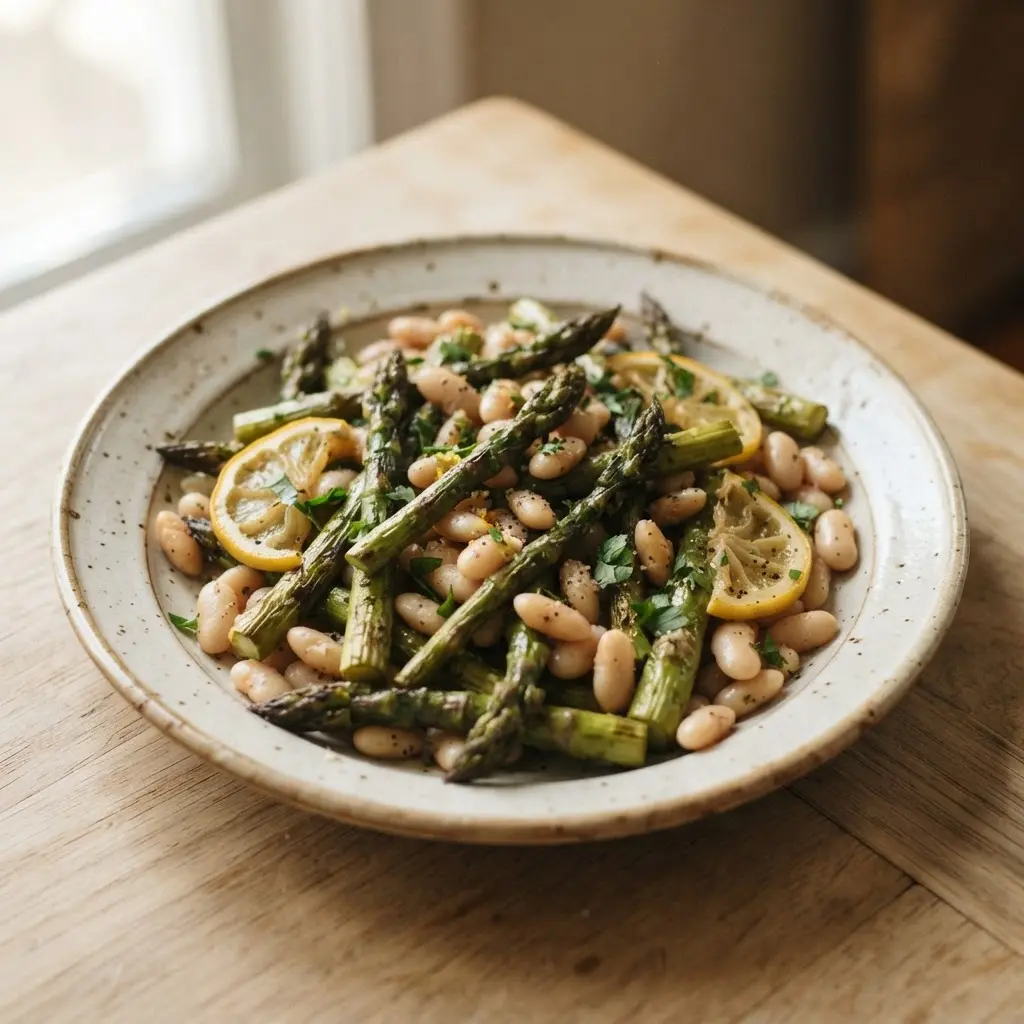
Need a light spring dinner centered on asparagus? Choose baked salmon and asparagus with cherry tomatoes. Arrange salmon fillets, asparagus spears, and tomatoes on one baking sheet. Add olive oil, lemon juice, dill, salt, and pepper. Bake until the salmon is cooked through and the asparagus is tender, keeping the meal simple and balanced.
Prepare a quicker plate by blanching asparagus before making shrimp scampi. Sauté shrimp with garlic, white wine, lemon juice, and red pepper flakes. Toss in the asparagus and zucchini noodles until heated through. Treat zucchini noodles as a vegetable rather than dried pasta. Stop cooking once they soften slightly to protect their texture, which matters for healthy dishes you must try this spring.
Build a plant-forward option with quinoa, roasted asparagus, feta, red onion, and lemon-Dijon vinaigrette. Add chickpeas for more protein, or serve grilled chicken beside the salad. Risotto offers another route. Stir asparagus tips and peas into Arborio rice near the end of cooking, rather than at the start. Research suggests these lighter combinations provide varied ways to make asparagus the center of dinner. Keep spears tender-crisp instead of soft.
6. Fresh Pea and Mint Combinations for Light Meals
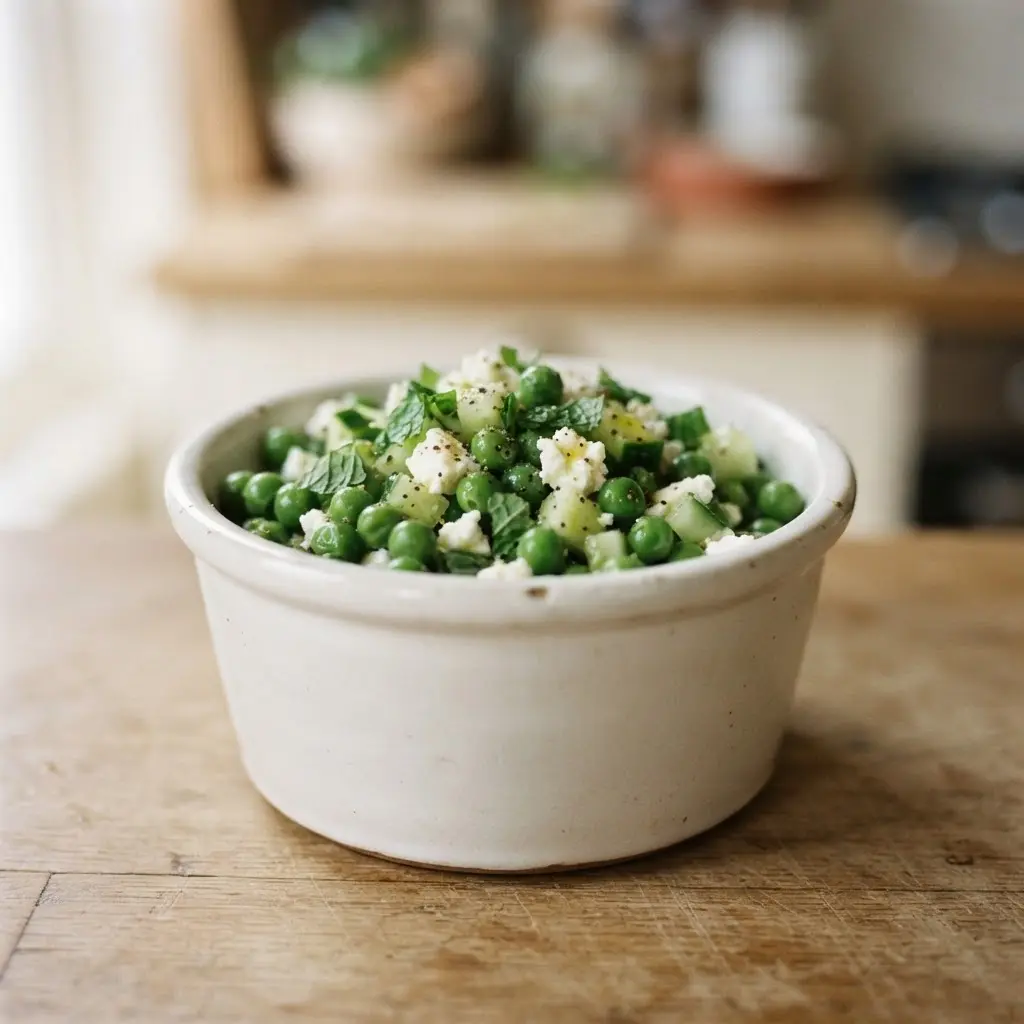
Compared with a heavy grain bowl, a pea and mint salad offers a lighter spring meal with crisp, fresh flavor. Toss peas with feta, red onion, cucumber, lemon juice, and olive oil. Add quinoa for more substance, or fold the mixture through arugula with a small amount of prosciutto and balsamic glaze. Research on balanced meal planning supports using vegetables, grains, and modest amounts of healthy fats together for satisfying meals, just like healthy dishes you must try this spring.
Blanch fresh peas for one to two minutes when you want brighter color and a softer texture. Transfer them straight into ice water to stop the cooking process. Stir chopped mint into pasta, risotto, sautéed zucchini, or soup near the end. Early cooking dulls the herb’s cool flavor. Begin with a small amount of mint, then add more gradually.
Blend peas with vegetable broth, garlic, mint, and lime juice for a chilled soup. Combine peas, mint, ricotta, and lemon zest with pasta for a light entrée. A chilled salad also fits naturally among no-cook healthy lunch options on warm spring days. Keep the peas tender and let acidity balance their sweetness.
7. Light Mediterranean Pasta Salads With Spring Produce
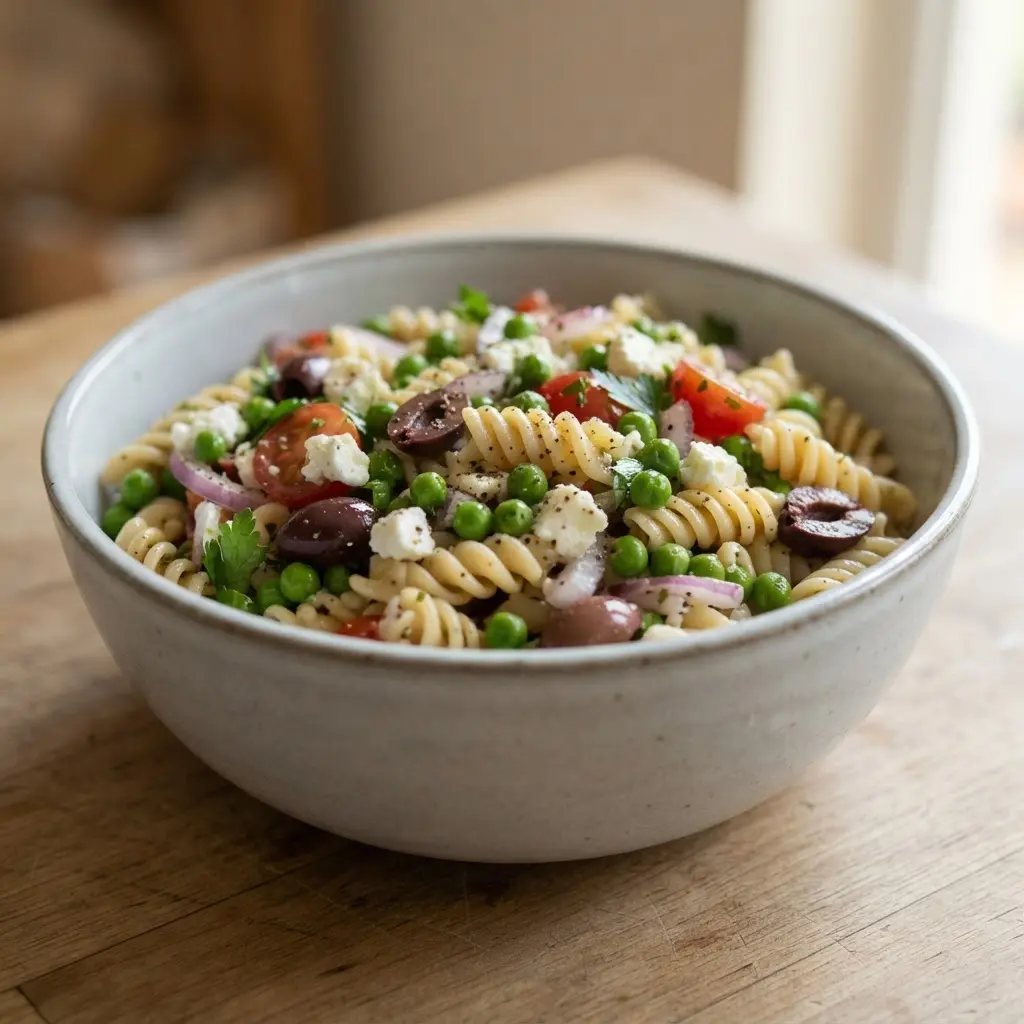
Overcooking the pasta is a common mistake. Soft noodles turn mushy after absorbing dressing, so cook al dente pasta according to the package directions, then cool it before mixing. Briefly blanch asparagus, peas, broccoli, or snap peas for about 1 to 2 minutes. Cool the vegetables quickly to preserve their texture and color, which is essential for healthy dishes you must try this spring.
Use orzo for finely chopped vegetables, or choose rotini or fusilli to hold a lemon or vinegar dressing. Combine cherry tomatoes, cucumber, radishes, bell peppers, artichoke hearts, and fresh herbs such as parsley, mint, basil, or chives. Whisk olive oil, lemon juice, garlic, Dijon mustard, oregano, salt, and pepper into a lemon vinaigrette. Add the dressing gradually, since too much can overpower the produce.
Research suggests meals built around vegetables, olive oil, legumes, and herbs support a balanced eating pattern. Add feta, olives, chickpeas, grilled chicken, shrimp, or toasted pine nuts according to your needs. Choose whole-wheat pasta or legume-based pasta for more fiber or plant protein. Add fresh herbs after the salad has cooled, then serve chilled or at room temperature.
8. Sheet Pan Chicken Recipes With Seasonal Vegetables
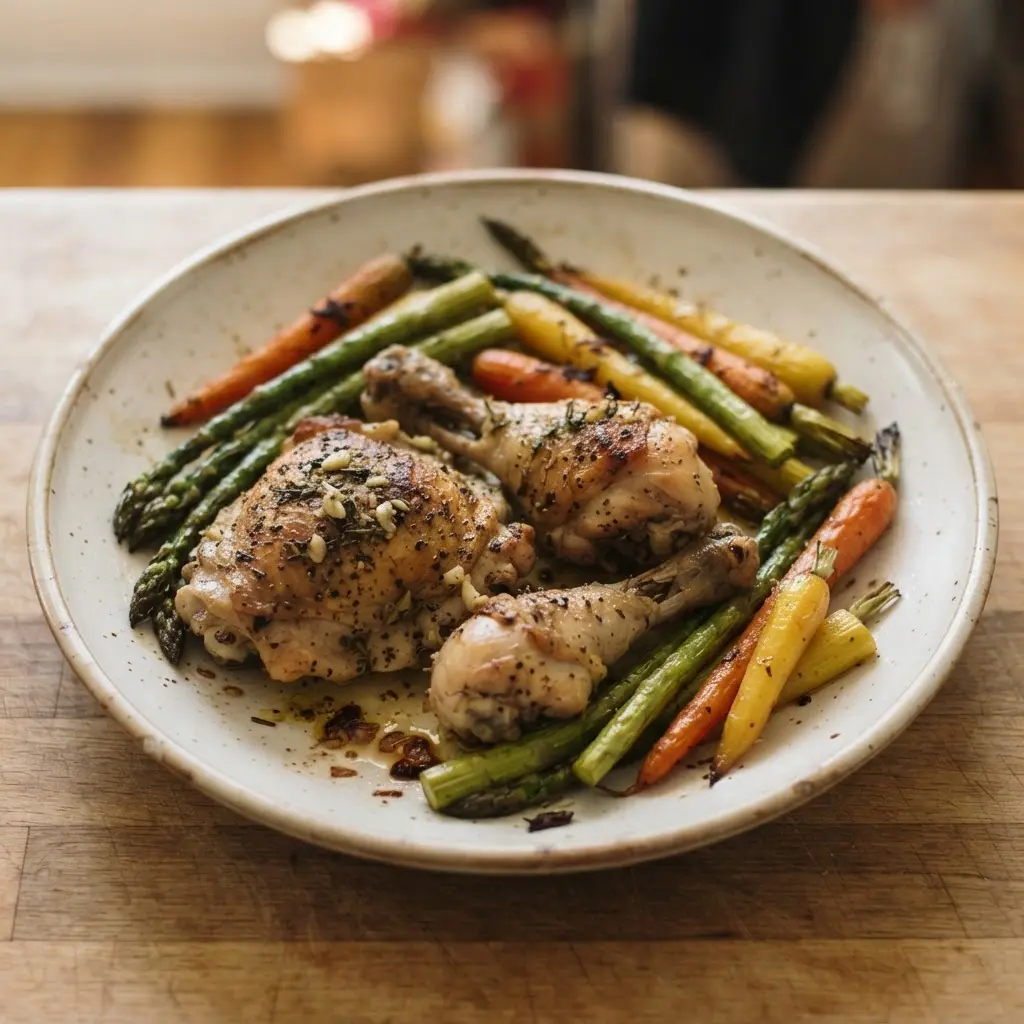
Start with uniform vegetable pieces so each ingredient roasts at a similar pace. Cut carrots, potatoes, Brussels sprouts, or squash into pieces close in size. Pre-roast dense vegetables for about 15 minutes before adding chicken breasts and tender produce. This timing keeps the vegetables from staying firm while the chicken dries out, much like healthy dishes you must try this spring.
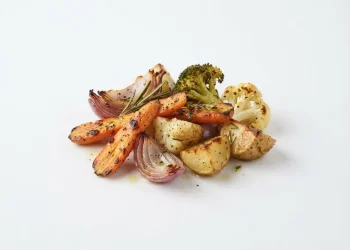
Build the tray around the season and the chicken cut. Pair chicken thighs with carrots and cauliflower, or combine chicken with sweet potatoes, red onions, and Brussels sprouts. Add green beans, peppers, or apples when they suit the meal. Use Greek lemon seasoning, maple-Dijon dressing, harissa, Parmesan, or fresh herbs for different flavor profiles. Chicken breasts often cook faster than thighs, so check the recipe sequence before placing every ingredient on the pan.
Check the thickest part of the chicken and confirm the vegetables are tender before serving. Many people find one-pan meals easier to prepare on busy weeknights because the method reduces active cooking and leaves one baking sheet to wash. Adjust the roasting order whenever a seasonal substitute has a different density.
9. Spring Radish Culinary Uses for Fresh Plates
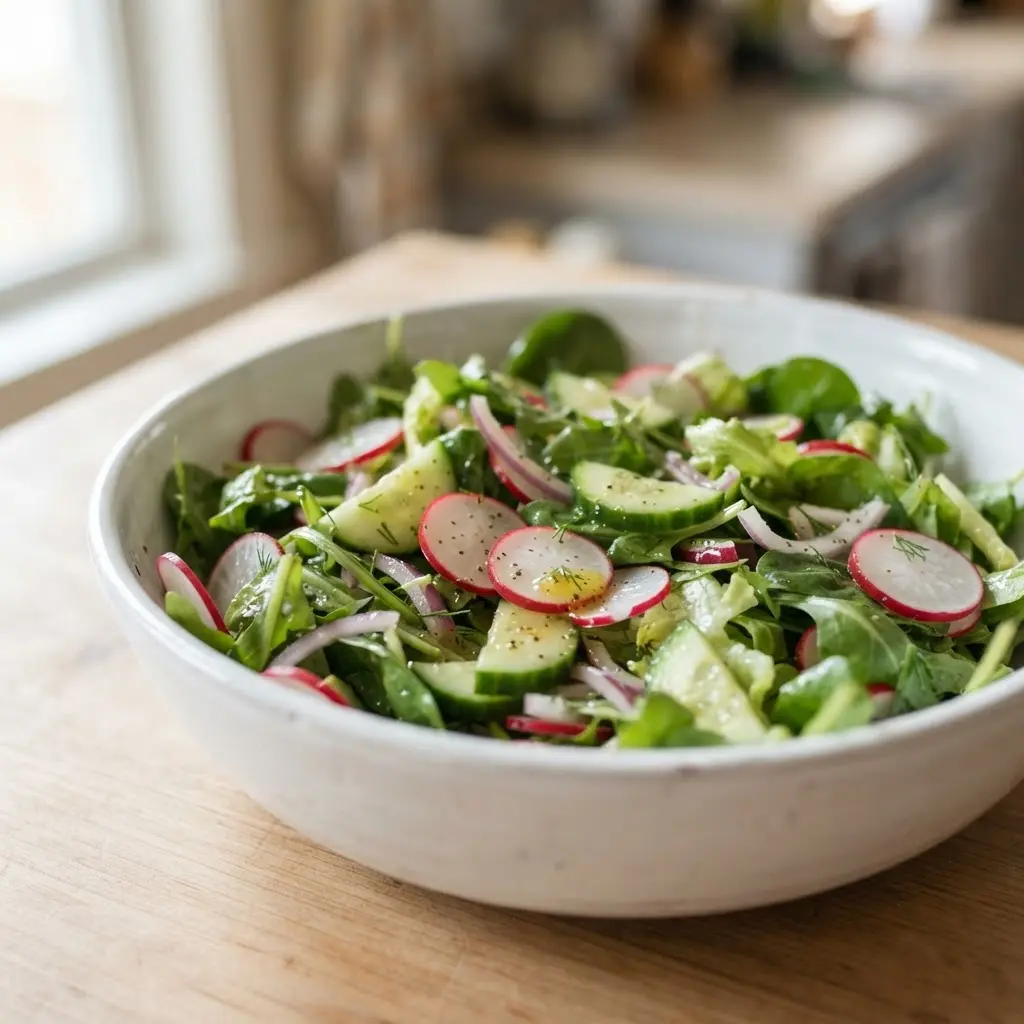
At Saturday lunch, wash a bunch of radishes, trim the roots, and separate the greens. Use a sharp vegetable peeler for thin shavings in salads, grain bowls, or slaws. Serve halves with whipped feta, tzatziki, butter and salt, or fresh goat cheese. Keep watermelon radishes raw to protect their bright color and crisp texture, especially for healthy dishes you must try this spring.
For dinner, roast or sauté radishes until the peppery bite softens and the centers turn tender. Braise them in butter and stock, or poach them in chicken stock for a light, brothy side dish. Beef stock gives a deeper savory taste. Quick-pickled radishes add acidity and crunch to tacos, sandwiches, and salads within a short preparation time. Research suggests varied preparation improves dietary variety by making one vegetable useful across several meals.
Do not discard the tops. Add mild greens to salads, sauté sturdier leaves like kale, or stir them into soups and stews near the end of cooking. Blend tender tops with toasted almonds, garlic, and lemon zest for pesto. Separate roots from greens during preparation, then use each part while fresh.
10. Artichoke and Pea Preparations for Family Meals
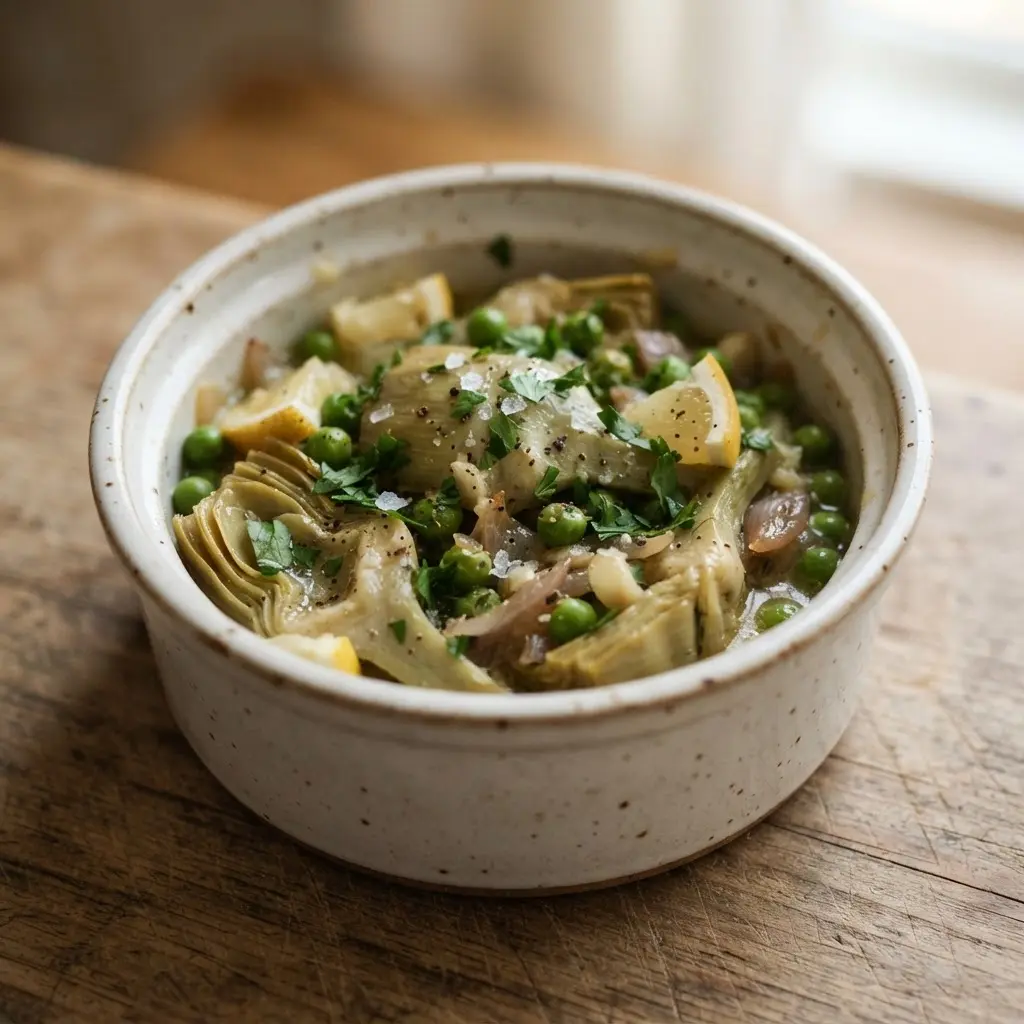
Many people believe artichokes and peas belong only in side dishes. In fact, a wide saucepan turns them into a filling family meal, especially when serving healthy dishes you must try this spring, and works especially well with rice or bread. Use canned or frozen vegetables for a quick version, or trim fresh artichokes and cut them into ½-inch pieces.
Start with onion, scallions, leeks, or garlic in olive oil or butter. Add artichokes and stock or water, then simmer gently. Add peas late in the cooking time so they keep their shape. Quick versions finish in under 30 minutes. Fresh artichokes, carrots, or a tomato sauce often need about 45 minutes. Use a covered pan to soften the vegetables without losing too much liquid, and stir gently to protect the tender artichoke hearts.
Vegetable-rich meals give families a practical way to serve more produce in one dish. Finish with lemon and fresh dill for a Greek-style preparation, or stir in ricotta for a creamy version. Drain canned artichokes well to prevent a watery sauce. Choose olive oil and vegetable stock for a vegan meal.
11. Healthy Rhubarb Dessert Options With Strawberries
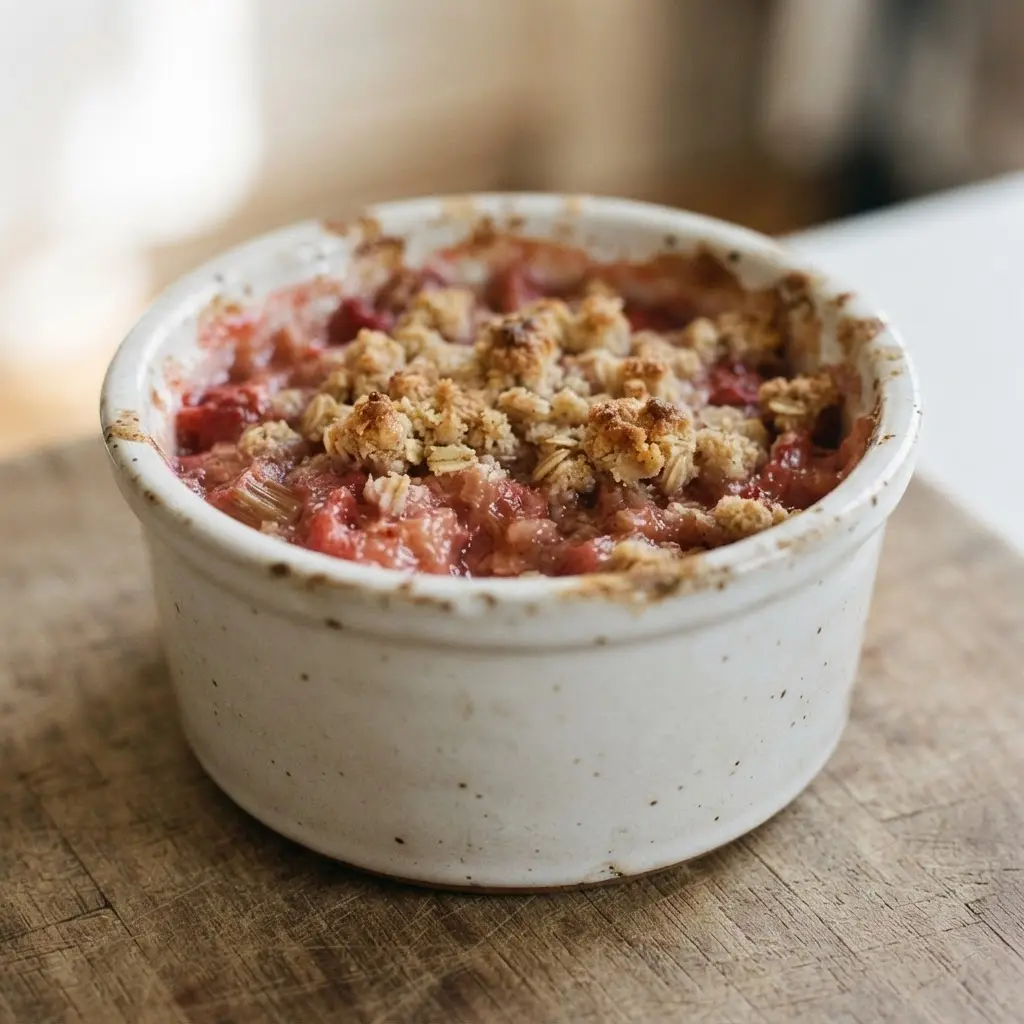
Need a lighter way to serve strawberries and rhubarb? Yes. Choose a fruit-forward crisp or crumble with a modest sweetener and an oat-based topping. The berries soften rhubarb’s sharp taste, while cornstarch or arrowroot starch gives the filling a thicker texture. Arrowroot starch suits a gluten-free version, just as seen in healthy dishes you must try this spring.
Combine chopped fruit with honey or pure maple syrup, lemon or orange juice, vanilla, and a small pinch of salt. Mix old-fashioned oats with oat flour or almond flour, cinnamon, butter, and coconut sugar. Spread the topping evenly, then bake at 350°F for 40 to 45 minutes, until the fruit bubbles and the surface browns. Certified gluten-free oats are necessary for a gluten-free dish.
Research suggests these fruit-based desserts provide a lighter option than many traditional baked sweets. One recipe-specific estimate provides about 180 calories, 8 grams of fat, 26 grams of carbohydrates, and 3 grams of fiber per serving. Serve the crisp with plain yogurt or frozen yogurt. A low-sugar version keeps rhubarb tangy and uses honey as the main sweetener. Check serving size before comparing nutrition estimates.
12. Fresh Herb Vinaigrette Pairings for Spring Dishes
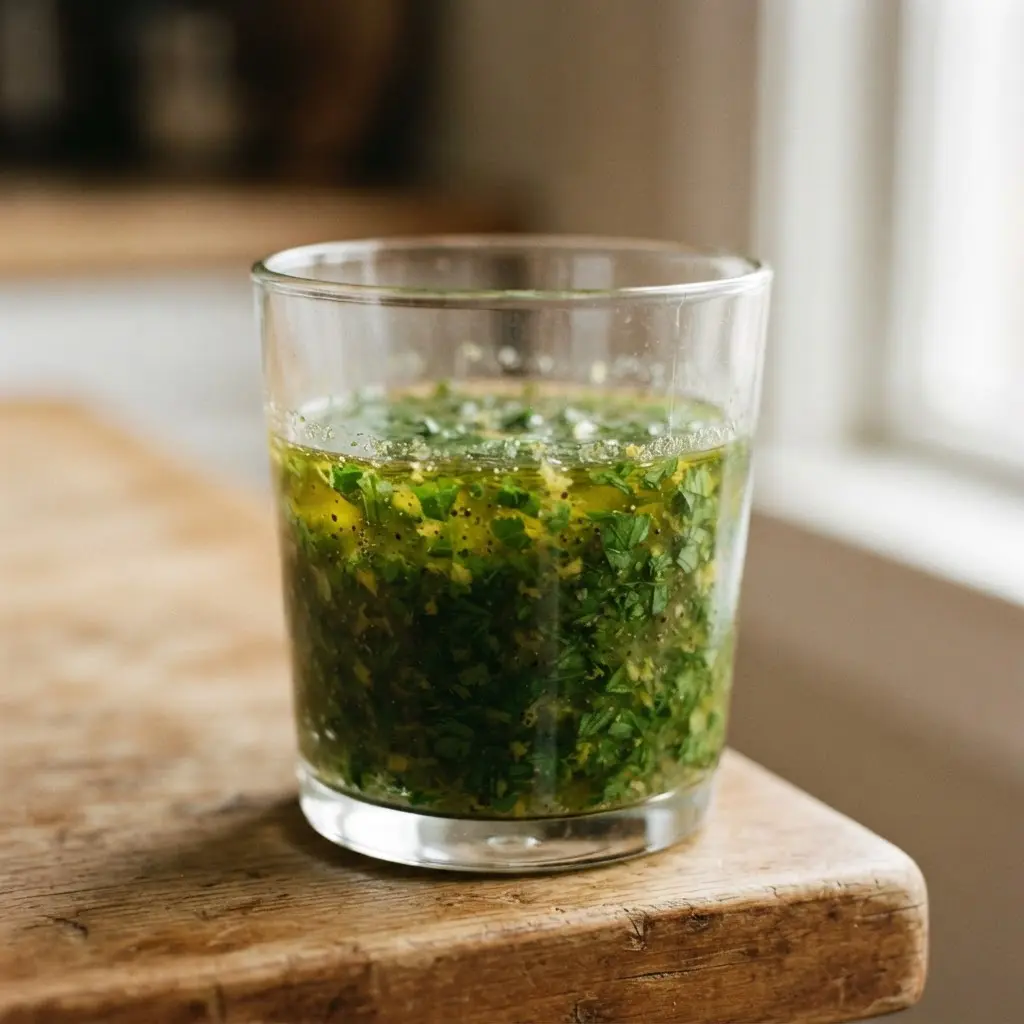
Unlike a bottled dressing, a fresh herb vinaigrette lets you match flavor to each refreshing spring juice recipes. Start with a three-to-one oil-to-acid ratio: three parts extra-virgin olive oil to one part lemon juice or vinegar. Whisk in Dijon mustard, minced shallot, salt, and pepper. The mustard helps keep the oil and acid blended.
Choose basil, parsley, and chives for tomato, mozzarella, or green salads. Pair dill, mint, and a small amount of tarragon with cucumber, salmon, or warm new potatoes. Use coriander, mint, and chives for slaws and noodle salads. Stir chopped tender herbs into the finished dressing so their fresh flavor stays clear, which matters for healthy dishes you must try this spring. Research on culinary preparation suggests matching herb strength to the main ingredient improves balance across a dish.
Give roasted vegetables, grain bowls, and roast chicken salad a deeper savory note with rosemary, thyme, and sage. Warm whole sprigs in oil over low heat for five to ten minutes, cool the oil, and strain before completing the dressing. Add basil, parsley, or chives after mixing. Reserve tarragon for small amounts because its anise flavor is strong. Taste before serving, then adjust acid, salt, or a little honey. Straining keeps tough herb pieces out of the final dressing.
Cooling And Storing Leftover Spring Meals
Place cooked food in shallow airtight containers within two hours of cooking so it cools quickly in the refrigerator, which aligns with healthy dishes you must try this spring. Divide large portions before chilling, since a deep pot holds heat in the center for too long. Set the refrigerator below 40°F, and keep leafy greens, herbs, and dressing separate when you want better texture. Eat refrigerated leftovers within three to four days, and mark the container with the cooking date. Discard food left at room temperature beyond two hours, or beyond one hour on a hot day. Reheat soups, grains, poultry, and fish until the center reaches 165°F, checking thick portions with a food thermometer before serving.
Conclusion
Spring meals feel easier when fresh produce does most of the work. A handful of simple ingredients, a few herbs, and a gentle cooking method often create a satisfying plate without extra fuss. The healthy dishes you must try this spring give you choices for busy lunches, relaxed dinners, family sides, and light desserts. Pick one recipe with a vegetable you enjoy, then shop for only the ingredients needed. Wash leafy greens, trim produce, and cook a small batch so the next meal feels easier. Add beans, eggs, chicken, fish, yogurt, or whole grains when you want more staying power. Taste as you go and adjust herbs, lemon, or seasoning to suit your table. Let spring produce guide your next meal, with simple steps and colors you will want to serve again soon.
FAQs
Q: Which spring vegetables work well in healthy meals?
A: Asparagus, peas, leafy greens, radishes, carrots, and artichokes fit many meals. Pair them with beans, eggs, chicken, fish, or whole grains for a filling plate.
Q: How do I keep spring salads filling?
A: Add protein such as beans, eggs, chicken, tuna, or cheese. Include whole grains, nuts, seeds, or avocado for more staying power.
Q: Are frozen peas a good choice for spring recipes?
A: Yes. Frozen peas often have a sweet taste and soft texture after brief cooking. Rinse them under cool water for salads or warm them in soups and pasta.
Q: What is a simple way to use fresh herbs?
A: Stir chopped parsley, mint, basil, dill, or chives into salads, soups, grains, and dressings. Add delicate herbs near the end of cooking to keep their fresh taste.
Q: How should I store fresh spring produce?
A: Keep leafy greens dry and chilled in a breathable bag or container. Store herbs with a little moisture, and use cut produce in a clean, covered container.