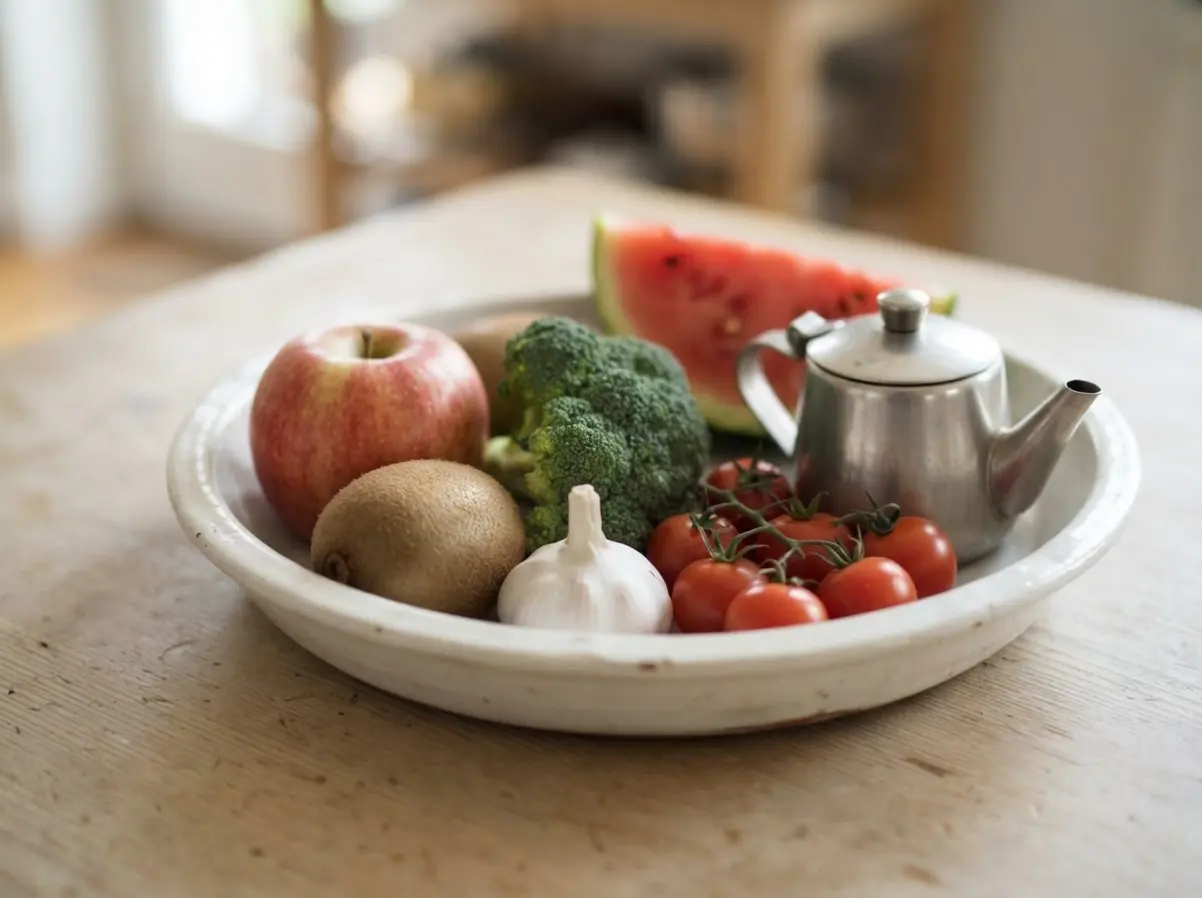
I know healthy eating advice often feels harder than it needs to be, especially when learning about foods which you are probably eating wrong. One small kitchen change at a time feels more useful. This guide explains why garlic needs a short rest, how gentle broccoli steaming protects nutrients, and why tomato needs a little fat for better lycopene use. You will also find easy ideas for honey, bananas, potatoes, watermelon, burgers, and tea. Each tip fits into regular cooking without special tools. Check the notes if you have food allergies, digestive concerns, or other health needs. Let’s make your next meal work a little better.
Fat Pairings For Carotenoid Absorption
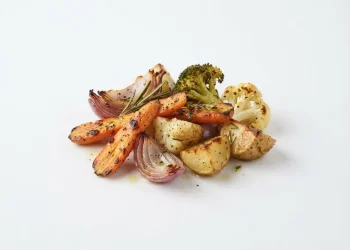
Add a teaspoon of olive oil to cooked tomatoes or carrots because dietary fat helps your body absorb more carotenoids, a common fix for foods which you are probably eating wrong. Cooking softens plant tissue, making some lycopene in tomatoes and beta-carotene in carrots easier to access, but it does not create new nutrients. Choose roasting or gentle sautéing when you want deeper flavor, while a small fat pairing still supports absorption with boiled vegetables. Keep the portion modest if you track calories, since oil adds energy even when the serving looks small. Spinach, kale, and other greens also supply fat-soluble compounds, yet their needs differ from tomato and carrot cooking. A balanced meal matters more than forcing every vegetable into one preparation style. People with gallbladder or fat-digestion conditions should ask a clinician for personal advice before changing fat intake.
Produce Washing And Storage Timing
Wash delicate berries immediately before eating, not when you bring them home, to limit softening and mold growth. Keep them dry and refrigerated in a shallow, ventilated container so air moves around intact skins. Rinse under cool running water, then drain well and pat gently with a clean towel, a basic tip for foods which you are probably eating wrong. Soaking berries leaves extra water in crevices, which speeds spoilage and weakens their texture. Remove crushed fruit when you see it, since damaged spots spread decay through nearby berries. Use clean hands and a clean colander, especially when rinsing raspberries or blackberries with fragile surfaces. Wash firm produce, such as apples and carrots, under running water before cutting, even when you plan to peel it. Refrigerate cut fruit within two hours, and keep the refrigerator at 40°F or colder.
1. Apple Core Consumption Techniques for Less Food Waste
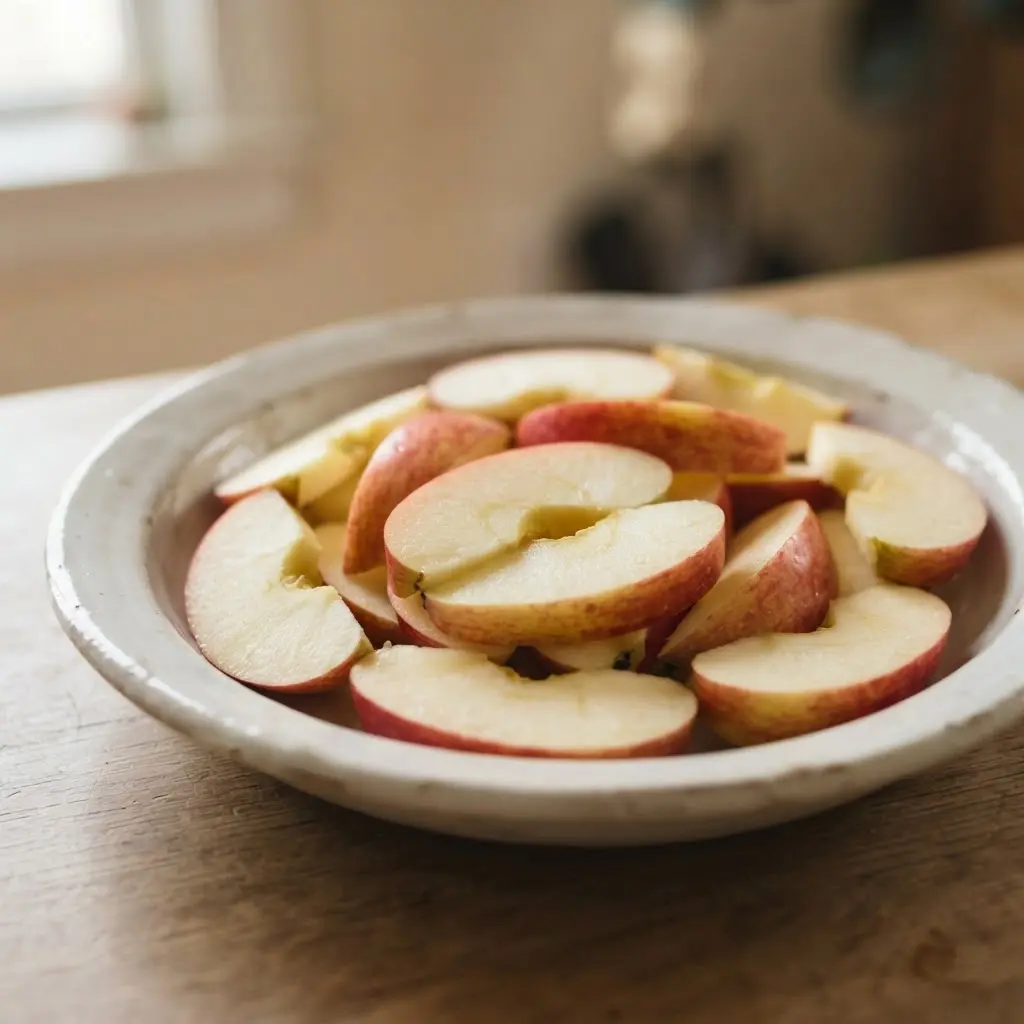
Many people eat around an apple in a circle and leave a thick ring of flesh attached to the core. Use pole-to-pole eating instead, which helps correct foods which you are probably eating wrong. Start at the blossom end, opposite the stem, and bite upward while rotating the apple. Stop at the stem and remove any hard pieces.
For neat slices, halve the apple and use a melon baller to remove the seed area. Trim the stem and blossom end with a small knife, a method that fits guides on foods which you are probably eating wrong. This method preserves surrounding flesh and suits anyone who prefers prepared pieces rather than biting near seeds.
Research on food waste suggests using peels and cores in cooking retains more of the edible fruit. Simmer scraps in water for about 30 minutes, then strain the liquid for juice, jelly, or syrup. This reduces waste from foods which you are probably eating wrong. Chop cooked peels into applesauce, or freeze clean peels for smoothies and baked goods.
Apple seeds contain amygdalin, which forms cyanide when seeds are crushed or chewed. Ordinary apple eating poses little concern, but avoid deliberately consuming large quantities of seeds or using crushed seeds as an ingredient, which matters for foods which you are probably eating wrong. Always consult a healthcare professional before making changes to your health routine.
2. Inverted Burger Handling Method for Cleaner, Easier Bites
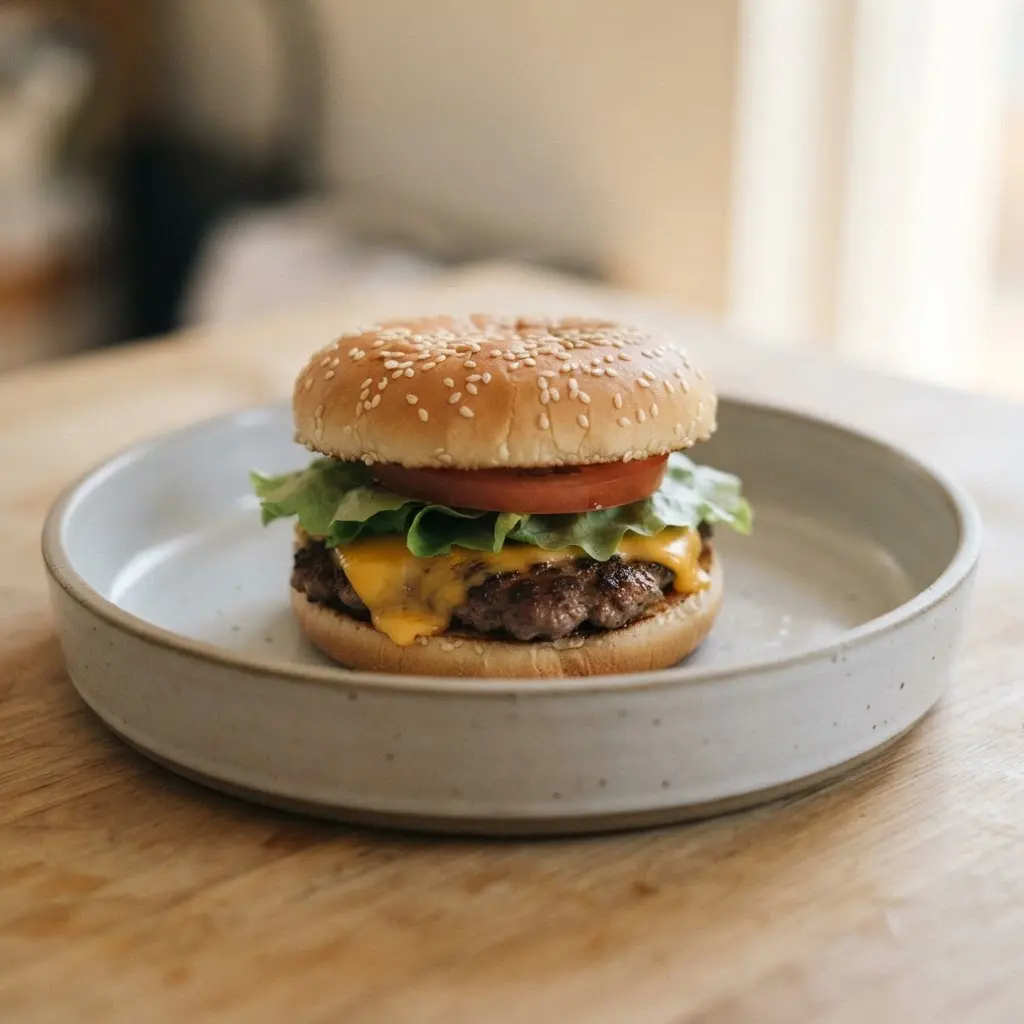
Flip the assembled burger soon after receiving it. Use the inverted burger method by placing the thicker crown underneath the patty and fillings, with the thinner heel on top. Turn the burger carefully so the layers stay aligned, a useful trick for foods which you are probably eating wrong. Let the flipped burger rest for one to two minutes before eating.
Hold the burger with your thumbs on top and fingers underneath. The crown provides a firmer base for a juicy patty, wet condiments, and loose toppings. Understanding foods which you are probably eating wrong makes this clear. This extra support reduces pressure on the lower bun, which often becomes soggy first. Resting briefly gives the fillings time to settle and allows some juices and sauce to spread through the bread.
Many people find this position easier to manage because fewer juices reach the hands and wrists. The flipped arrangement might change how toppings and condiments meet the taste buds, a known point about foods which you are probably eating wrong, but the flavor effect is subjective. Do not expect a mess-free meal. Overfilled burgers and runny sauces still require careful handling.
3. Optimal Garlic Rest Periods for Better Flavor
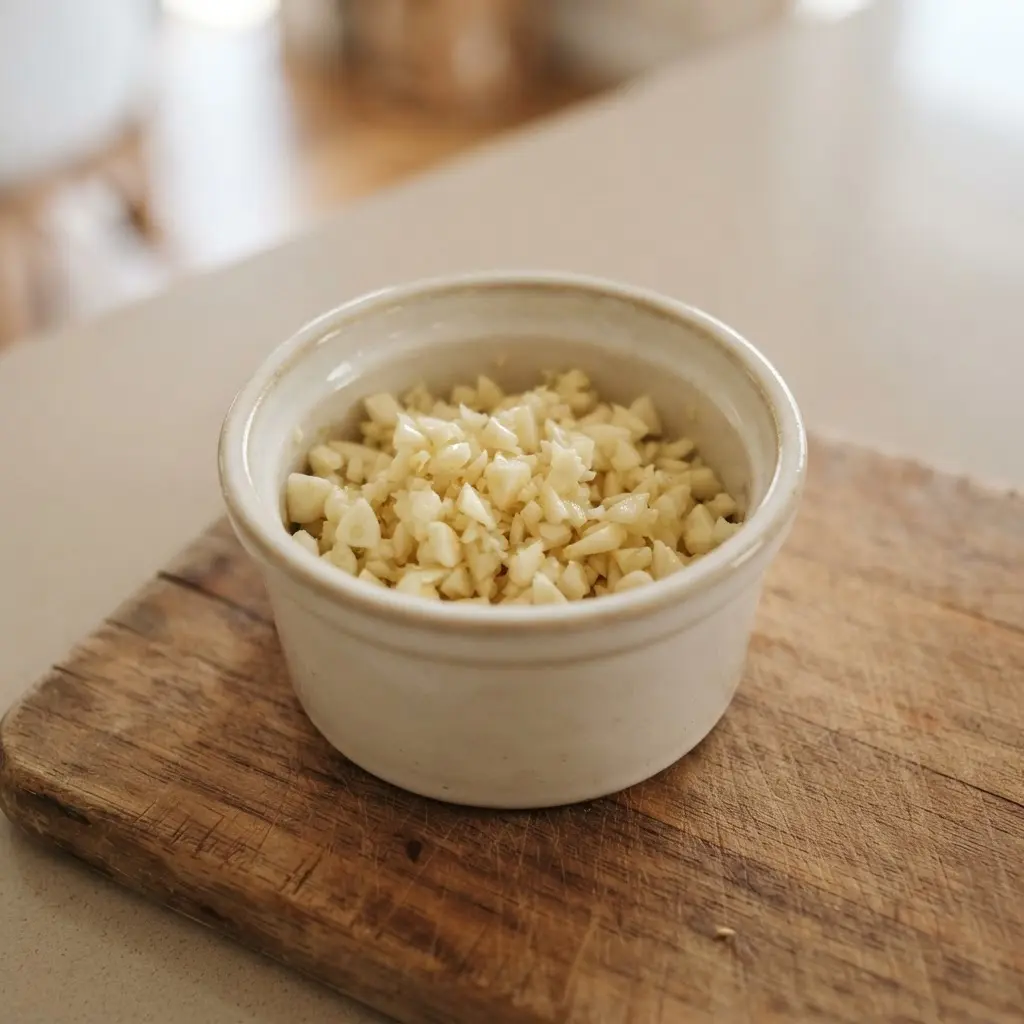
At 6 p.m., you mince garlic for a quick pasta sauce and drop the pieces straight into the pan. Pause first, since checking foods which you are probably eating wrong shows why. Rest minced garlic for 5 to 10 minutes before raw uses such as pesto or dressing. Chopping breaks garlic cells, allowing alliinase to change alliin into allicin, which creates stronger flavor.
Match the pause to the cooking method. Allow 2 to 3 minutes for minced garlic before sautéing or stir-frying, and 8 to 10 minutes before roasting. Give smashed garlic 2 to 5 minutes for fast cooking and 5 to 10 minutes before soups, stews, or braises, aligning with advice on foods which you are probably eating wrong. Shorter rests protect flavor before high heat.
Whole cloves need more time: set them aside for 20 to 30 minutes before oven roasting, or 30 minutes to 1 hour before a slow-cooker dish. health benefits of garlic 5 to 10 minutes before searing and immediate use for a quick oil infusion. Research on foods which you are probably eating wrong shows allicin declines over time, so avoid indefinite resting and prolonged air exposure. Use a small bowl while garlic stands, then add the garlic to the recipe at the planned time.
4. Kiwi Skin Nutritional Benefits and Easy Serving Ideas
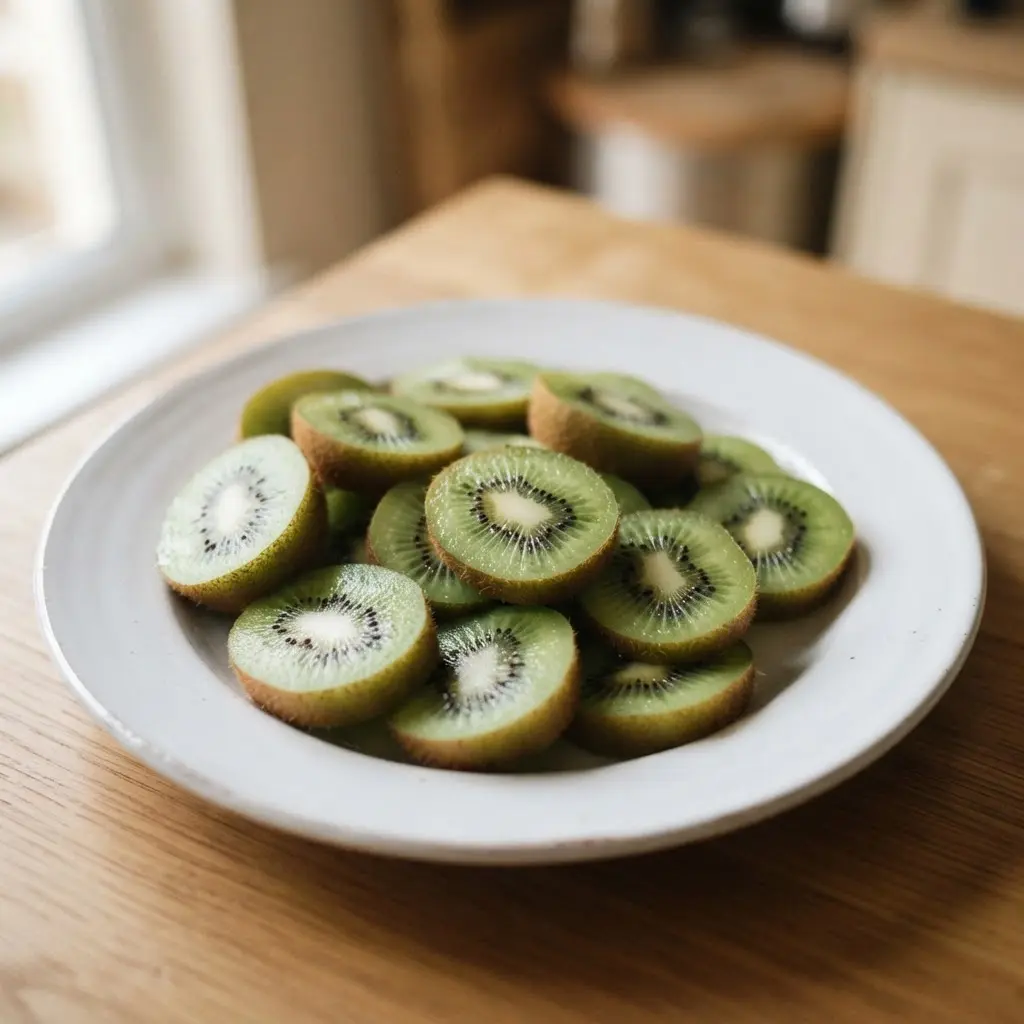
Many people believe every kiwi needs peeling, but kiwi skin is edible. Green kiwi skin feels fuzzy, while golden kiwi skin has a smoother, less noticeable texture. Wash the whole fruit under running water before eating or preparing it, a reminder for foods which you are probably eating wrong. Wash whole kiwis before slicing, blending, or juicing to remove surface dirt.
Kiwi skin adds dietary fiber and supplies vitamin C, vitamin E, antioxidants, folate, and potassium. Research suggests keeping the skin helps you use more of the fruit and retain fiber otherwise discarded with the peel, which applies to foods which you are probably eating wrong. Kiwi belongs among fruits for glowing skin because vitamin C and antioxidants support normal skin health. Chop kiwi finely into yogurt, oatmeal, fruit salad, or green salad to spread the skin through each bite. Keep the skin when you want the whole-fruit serving.
Blend a washed whole kiwi into a smoothie or juice. Strain juice for a smoother drink, but expect less pulp and fiber, a detail for foods which you are probably eating wrong. Retain the pulp for a thicker drink with more fruit texture. Choose golden kiwis when fuzzy green skin feels unpleasant, or chop green kiwi finely before serving. Peeling is optional, not a required step.
5. Broccoli Steam Cooking Methods for Nutrient Retention
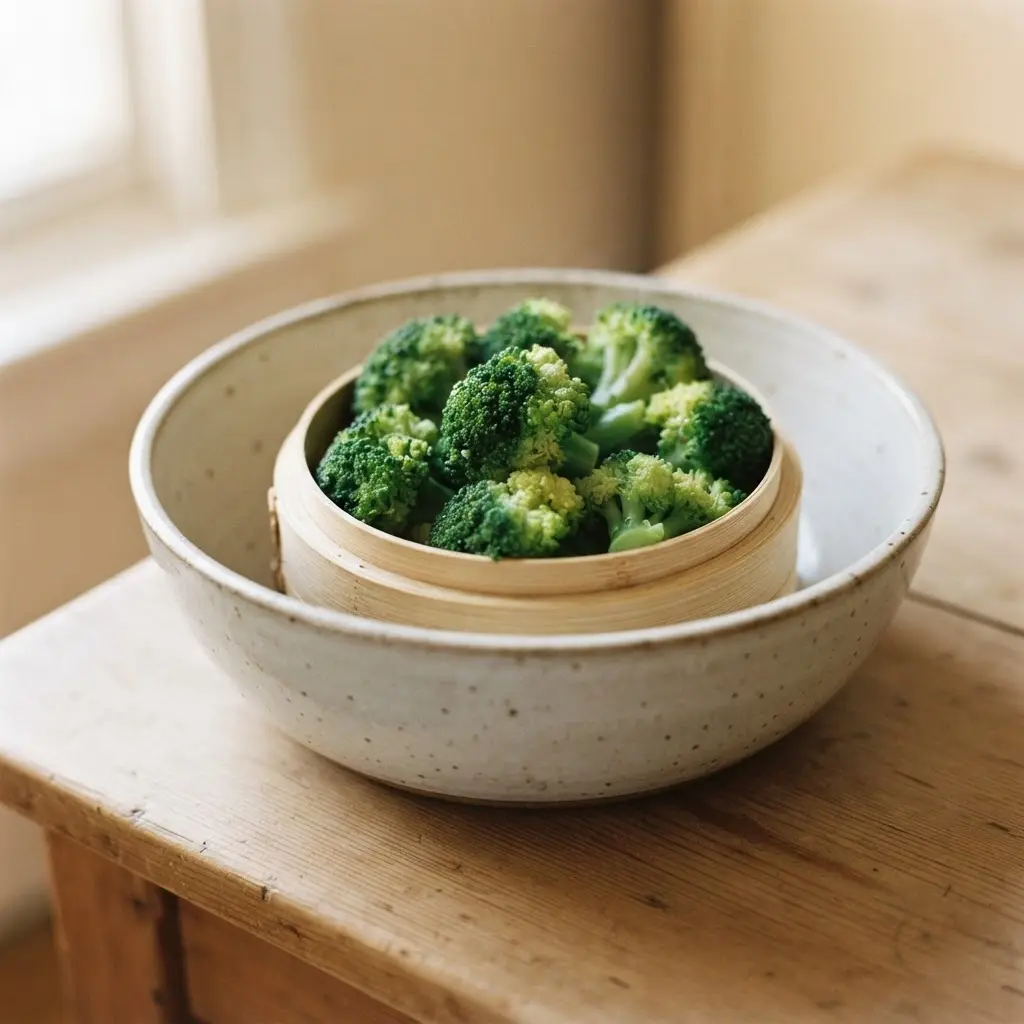
Should broccoli go into boiling water? No, since most lists of foods which you are probably eating wrong warn against it. Keep broccoli above water in a steamer basket, allowing steam to cook the florets without direct soaking. Steam until tender, using your preferred doneness, since research does not set one universal time or temperature.
Cut broccoli into florets or similar pieces so steam circulates around each piece, avoiding mistakes with foods which you are probably eating wrong. Avoid crowding the basket and prevent water from touching the vegetables. Boiling sends water-soluble vitamin C and glucosinolates into cooking water, often discarded. Steaming also preserves more soluble proteins, soluble sugars, and chlorophyll than boiling, stir-frying, or microwaving in the compared research.
Research identifies steaming as the strongest choice among these methods for nutrient retention. Choose a steaming rack or basket, keep the broccoli above the water line, and serve it after cooking rather than rinsing it, a standard rule for foods which you are probably eating wrong. This method helps preserve more of the nutrients found in broccoli.
6. Honey Temperature Sensitivity Issues and Safe Heating
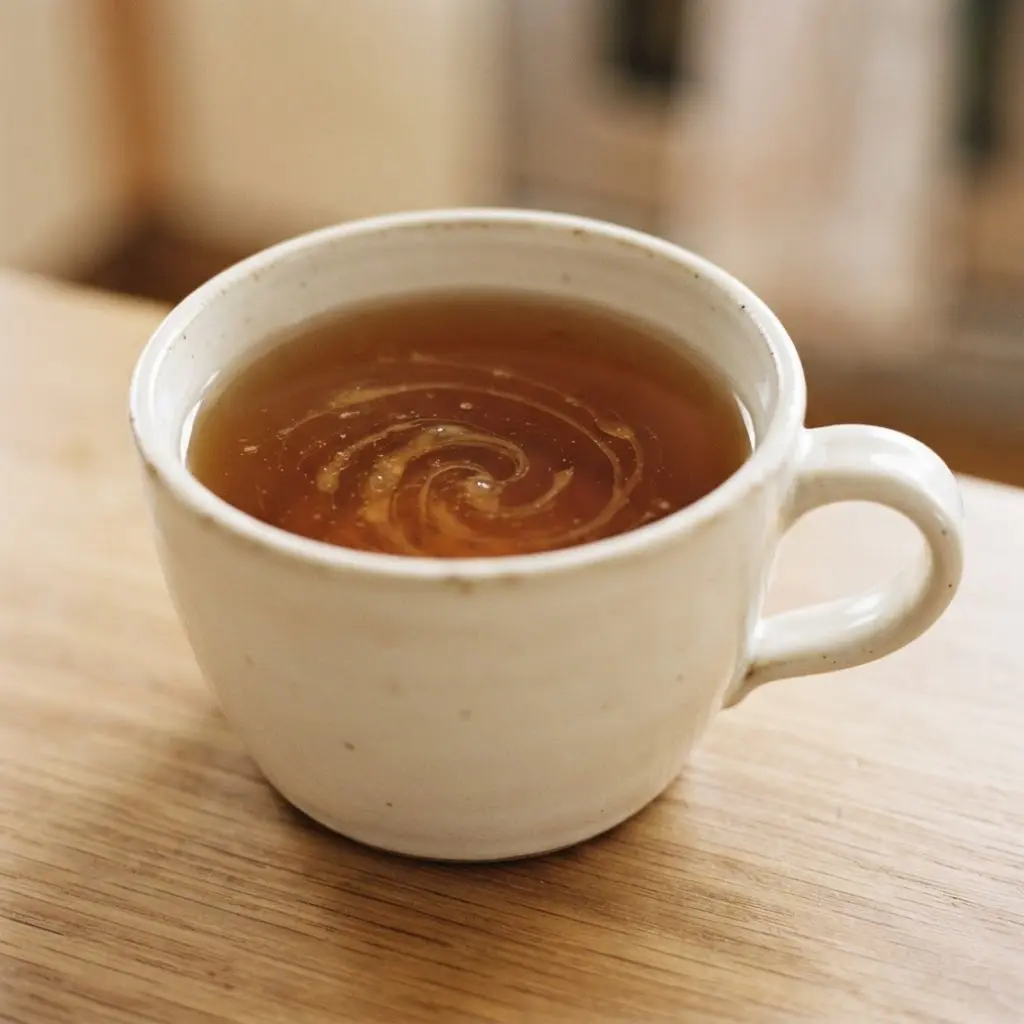
A warm water bath is safer for honey than boiling water or direct heat, which matches notes on foods which you are probably eating wrong. Place the jar in a water bath and keep the honey near 40°C for routine liquefaction. Stir gently to spread heat through the jar, then remove the honey as soon as the crystals melt.
Heating honey changes more than its thickness. Higher temperatures and longer exposure reduce delicate aromas, lower diastase activity, and raise hydroxymethylfurfural, or HMF, a marker of heat-related quality loss. Maintain the 40°C limit for the gentlest treatment, as required for foods which you are probably eating wrong. Larger containers need extra care because honey heats unevenly.
Reserve temperatures near 70–80°C for controlled processing rather than household warming, keeping foods which you are probably eating wrong safe. Pasteurization reduces some yeasts and fungi, but bacterial spores resist this treatment. Research links prolonged heating with higher HMF and weaker enzyme activity, so match the heat to the task. Use warmed honey as an ingredient after exposure above gentle processing temperatures.
7. Banana Bottom Peeling Practice for Easier Snacking
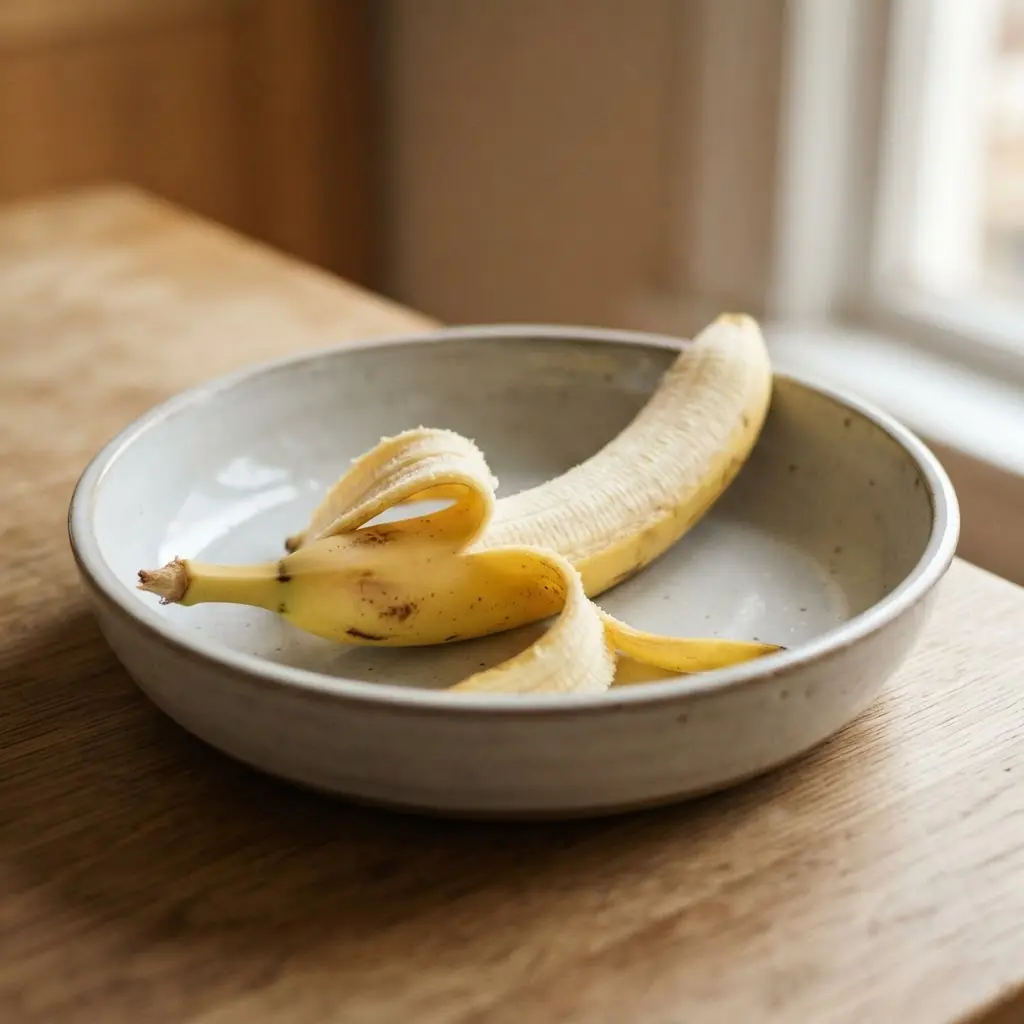
Pulling hard on the stem is the common mistake. Start at the opposite end instead, a fix for foods which you are probably eating wrong. The stem is tougher and often resists, so extra force may bruise the fruit. Use a gentle pinch on the small bottom tip to split the peel.
Hold the banana upside down with the tip facing upward. Pinch the tip between your thumb and index finger until the peel opens, which aligns with tips for foods which you are probably eating wrong. Pull each section back slowly rather than squeezing the fruit. Gradual peeling keeps the banana intact and often leaves stringy strands attached to the peel instead of the edible portion.
Research on this simple eating habit is limited, but many people find the bottom-first method cleaner and easier, matching notes on foods which you are probably eating wrong. The approach avoids wrestling with the stem and reduces pressure on the soft fruit. Use secure fingers without compressing the banana, then remove the remaining peel by hand. This method suits a quick snack at home, work, or school.
8. Raw Potato Storage Environment for Better Freshness
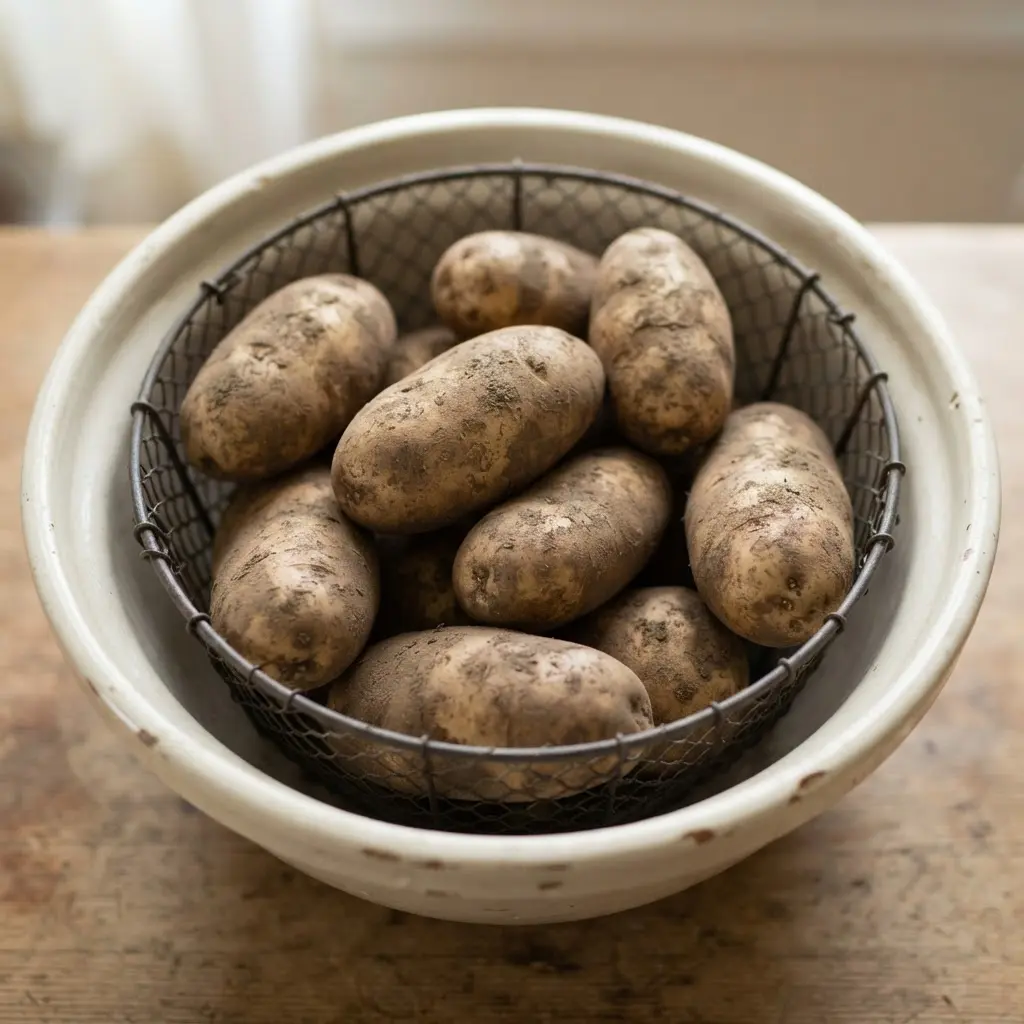
Store raw potatoes in a cool, dark, ventilated place before worrying about recipes, a key step for foods which you are probably eating wrong. Keep the temperature near 40–46°F (4–8°C), such as in a cool basement, insulated garage, or dark pantry. Use a mesh bag, wire basket, or perforated bag so air moves around each potato. Avoid sealed containers, which trap moisture and encourage decay.
Leave potatoes unwashed during storage. Brush away loose soil, and dry them fully after any necessary rinse. High humidity, around 90–95%, slows water loss because potatoes contain about 80% water. Check the batch every few days and remove injured, soft, diseased, or sprouting tubers before decay spreads. Light exposure causes green areas and solanine formation, so discard potatoes with extensive greening.
Keep potatoes away from light. Light exposure causes green areas and solanine formation, so discard potatoes with extensive greening. Avoid temperatures below 38°F (3°C), which raise sugar levels and lead to a sweeter taste and darker color during frying. Newly harvested potatoes need 7–10 days of curing in darkness with airflow before longer storage. Research suggests proper temperature, humidity, darkness, and ventilation preserve freshness better than a single storage adjustment.
9. Tomato Lycopene Absorption Factors in Everyday Meals
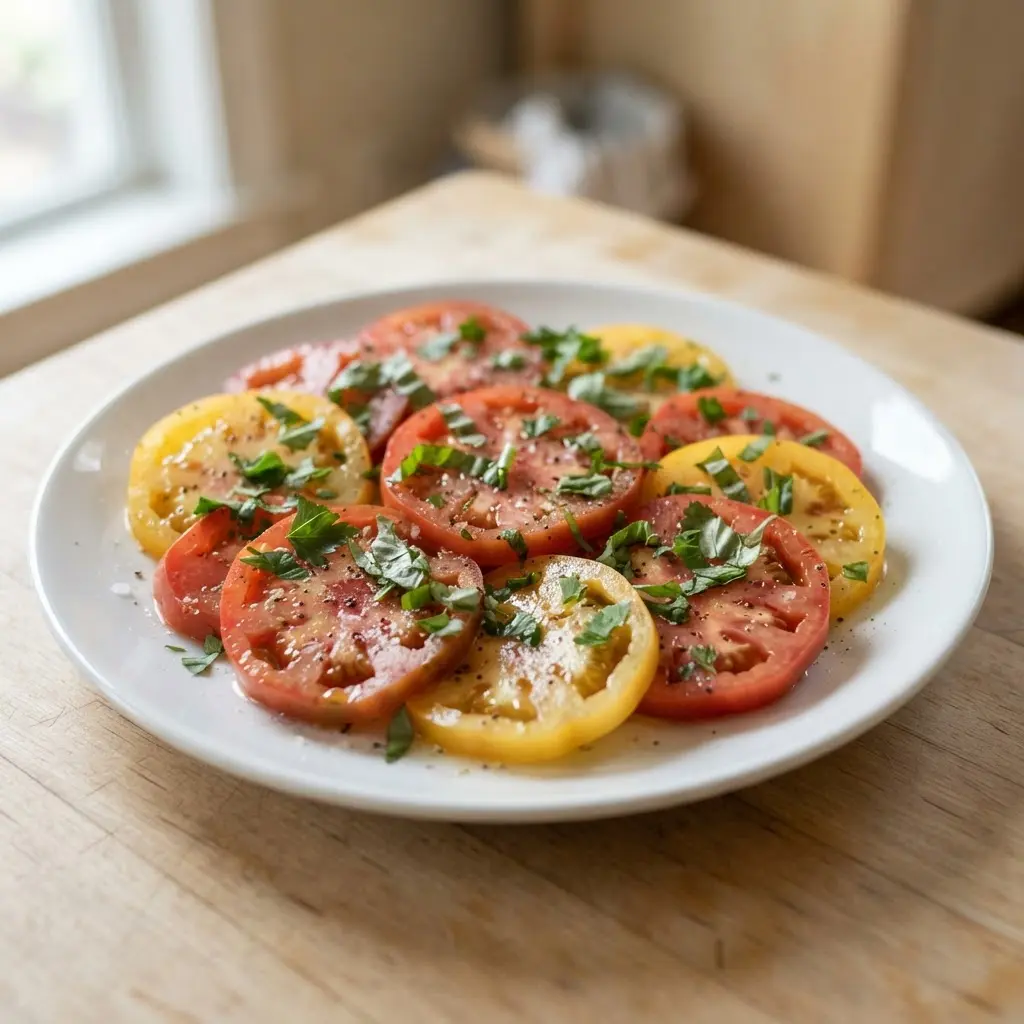
At dinner, a bowl of tomato soup, a fresh salad, and pasta sauce may look like useful examples for comparing lycopene absorption. Choose a tomato preparation based on taste, texture, and meal needs rather than an assumed nutrient effect. Verified nutrition guidance is not available in the supplied research for comparing raw tomatoes, cooked tomatoes, sauces, or meals containing added fat.
Do not treat cooking time, serving temperature, oil, or food pairing as proven absorption tools here. The research record provides no verified timeframe, serving condition, meal combination, or preparation method for this chapter. Avoid firm claims about one tomato preparation being superior until evidence from a recognized nutrition or clinical authority supports the comparison.
Research gaps matter because confident advice turns a plausible kitchen idea into a health claim without support. Keep meals practical by eating tomatoes in forms you enjoy and tolerate. Always consult a healthcare professional before making changes to your health routine, especially when a diet decision relates to a medical condition.
10. Watermelon Stick Cutting Technique for Neater Serving
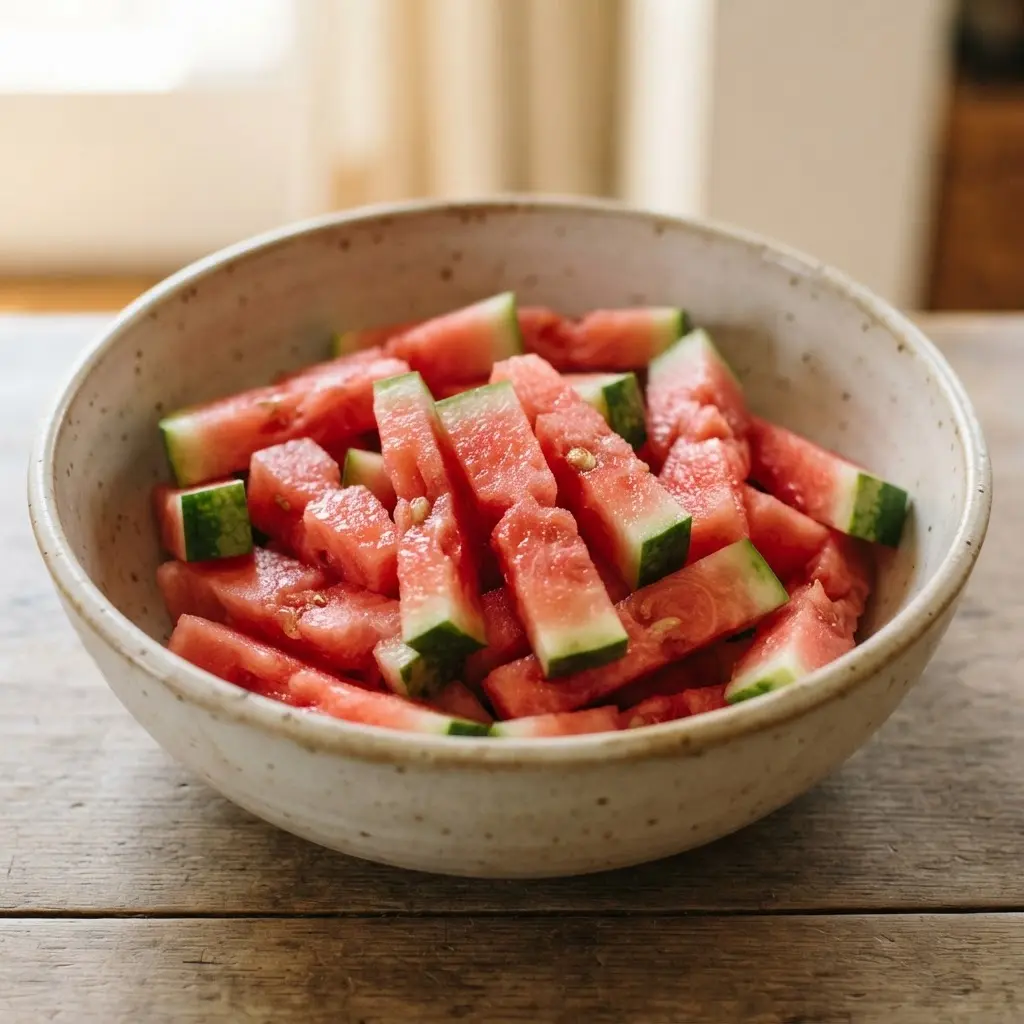
Myth: neat watermelon sticks require a special cutter. A large sharp knife and a stable board are enough. Wash the whole watermelon under running water, then dry the rind with a clean towel. Cut the melon in half lengthwise or crosswise. Place one half cut-side down on a large, stable cutting board.
Make vertical slices about 1 inch apart, moving from the stem end toward the blossom end. Rotate the board 90 degrees. Make a second set of perpendicular cuts, also about 1 inch apart, across the first cuts. This grid separates the flesh into long sticks. Keep the rind attached to each piece. Parallel cuts alone create strips rather than sticks. Use a knife sized for the melon, and keep fingers away from the blade.
Many people find the rind handle easier to grip than loose chunks, especially during children’s parties or outdoor meals. The shape also keeps a serving platter orderly and limits sticky hands. Serve the sticks immediately, or cut grid pieces into cubes for salads and containers. Use a board with enough room for the melon half, and stop if the surface shifts.
11. Tea Brewing Time Guidelines for Balanced Flavor
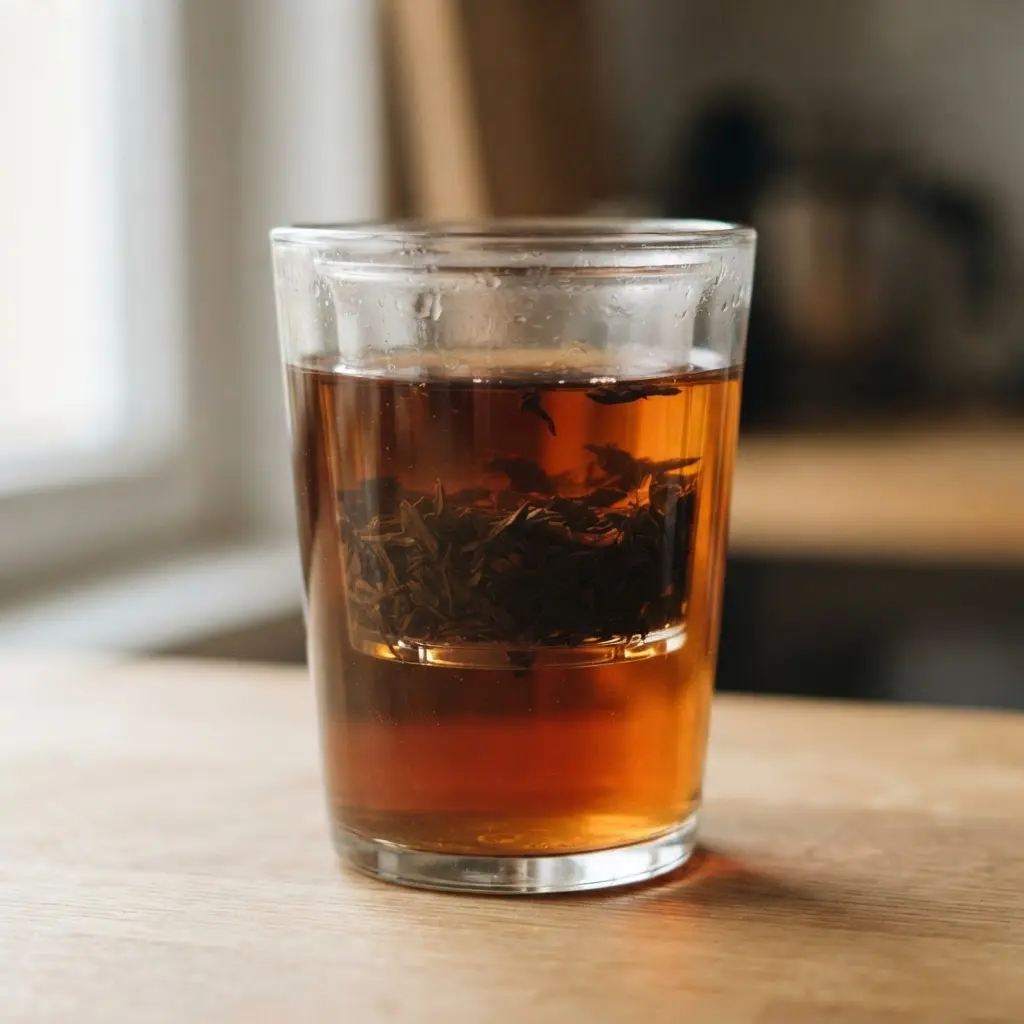
Why does tea taste bitter even when the leaves seem fresh? Match temperature to tea type and keep the first steep short. Green tea suits 70–80°C (160–175°F) for 1–3 minutes, while black tea suits 90–100°C (195–212°F) for 3–5 minutes. Hotter water extracts flavor faster, so boiling water often makes delicate leaves harsh.
Start at the lower end, then taste before extending the next brew by 30 seconds. White tea usually needs 75–85°C (170–185°F) for 3–5 minutes. Oolong tea suits 85–95°C (185–205°F) for 2–5 minutes. Herbal infusions tolerate boiling water and need 5–10 minutes, while rooibos often tastes balanced after 5–7 minutes. Research on extraction supports adjusting time alongside temperature for better control of strength and bitterness.
Rinse pu-erh leaves first, then brew at 95–100°C (205–212°F) for 2–4 minutes. Remove leaves once the flavor reaches the desired balance. For loose-leaf resteeping, keep the water temperature similar and add 30–60 seconds with each infusion. Cold brewing uses refrigerated water for about 6–12 hours. Change either temperature or duration during testing, not both at once.
Personalized Food Safety And Tolerance Checks
Cook dried beans until fully tender, and discard potatoes with green skin or sprouts because both choices carry food safety risks. Refrigerate cooked rice within two hours in a shallow container, then eat it within three to four days. A food thermometer helps confirm safe cooking when you prepare dishes containing eggs, meat, or reheated leftovers. Raw broccoli and cooked broccoli suit different tastes, while gentle steaming often preserves more heat-sensitive compounds than prolonged boiling. Check with a clinician or dietitian before major changes if pregnancy, kidney disease, digestive disorders, food allergies, or medicine use affects your diet. Bloating after beans or greens signals a need to adjust portions and preparation with personal guidance, not a reason to avoid nutritious foods forever.
Conclusion
Small food habits often come from family routines, busy mornings, or the way a favorite meal was first served. There is no need to change everything at once. Pick one idea from this guide and use it during your next meal. Let garlic sit after chopping, steam broccoli until tender, keep raw potatoes in a cool dark place, or add a little healthy fat to cooked tomatoes. These simple choices help you enjoy food while making better use of what you buy. When reviewing foods which you are probably eating wrong, do not let them become a source of worry. Think of the tips as friendly options for better flavor, less waste, and steady nourishment. If a food causes symptoms, skip the tip and ask a qualified health professional for personal guidance. Start with the food you eat most often, then add another small change when it feels easy.
FAQs
Q: How long should garlic rest before cooking?
A: Let crushed or chopped garlic sit for 5 to 10 minutes before heating. This pause allows natural enzymes to create allicin, which boosts flavor and health value.
Q: Is it safe to eat kiwi skin?
A: Yes, washing the fruit removes dirt, and the skin adds fiber and vitamins. The fuzzy green type needs a quick scrub, while golden kiwi feels smooth.
Q: Why does flipping a burger help with eating it?
A: Turning the thicker top bun underneath gives a stronger base for wet fillings. This change stops the bottom bun from getting soggy too fast.
Q: What is the best way to cook broccoli for nutrients?
A: Steaming works well because it keeps vegetables dry and warm. This method saves more water-soluble vitamins than boiling or heavy frying.
Q: How do you store raw potatoes at home?
A: Keep them in a dark, cool spot with good airflow. Use a mesh bag or basket, leave them unwashed, and check weekly for soft or green spots.