
To stop eating junk food, start with small changes you repeat each day. Many people look for Ways to stop eating junk food when planning daily meals. Keep filling foods ready, plan meals before hunger gets strong, and replace one usual snack at a time. The best ways to stop eating junk food fit your real routine rather than demand perfection. I know cravings often show up during busy workdays, tired evenings, or stressful moments. That does not mean you lack willpower. Your food setting and daily plan affect what feels easy to reach. This guide shares five practical steps, from better food swaps and pantry organization to mindful habits, stress care, and simple meal planning. You will find ideas for making healthier choices easier without banning every treat. Let’s choose one small step for today, prepare one helpful food, and build from there.
Defining Junk Food Without Moral Labels
Check the ingredient label before calling a food junk food, since added sugar, high sodium, low fiber, and low protein give you more useful clues than a good-or-bad label. Understanding Ways to stop eating junk food helps you see past simple labels. Cookies, chips, sweetened drinks, and fast-food meals often offer quick pleasure with little lasting fullness, yet a single food does not define your eating pattern. Treating these foods as forbidden often makes cravings louder and turns one snack into guilt. Instead, ask what your body needs beside the item, such as protein, fiber, water, or texture. A fruit-and-yogurt cup, nuts with an apple, or air-popped popcorn offers a less processed option while keeping convenience. Read serving sizes too, since a small package sometimes contains several servings. Your goal is not perfect eating. Aim for fewer highly processed choices while keeping meals satisfying enough for steady change.
Checking Medical Needs Before Dietary Changes
People with diabetes should review major food changes with a healthcare professional, especially when medicines affect blood sugar. A registered dietitian helps adjust carbohydrate portions without creating rigid rules. Reviewing Ways to stop eating junk food requires a doctor’s advice first. If you have a food allergy or intolerance, check every ingredient list and ask about shared equipment when packaged foods create uncertainty. Anyone with a history of binge eating, anorexia, or bulimia deserves support before using strict restriction, since severe rules often intensify distress and loss of control. Pregnancy, kidney disease, digestive conditions, and medication changes also call for personal guidance. Bring your usual meals, snack times, symptoms, and questions to an appointment. This information helps your clinician suggest safe replacements, realistic meal planning, and a pace suited to your health needs.
1. Nutrient-Dense Food Swaps for Everyday Cravings

Assuming every food labeled healthy is unlimited is a common mistake. Portion size and preparation still matter. Replace the eating experience, not only the ingredient. Choosing Ways to stop eating junk food means matching your cravings carefully. Choose matching food swaps for salty, sweet, creamy, crunchy, or beverage cravings.
Replace chips with air-popped popcorn seasoned with herbs, roasted chickpeas, almonds, or walnuts. Keep ready-to-eat options in the kitchen so a quick choice does not default to packaged snacks. Pair fruit with nuts or Greek yogurt for more protein, fiber, or healthy fat. Learning Ways to stop eating junk food works best when you swap one snack at a time. Use healthy food swaps as a simple planning tool.
For sweet breakfast cravings, prepare oatmeal with berries and nuts, Greek yogurt with fruit, or a smoothie made with spinach, fruit, and protein powder. Choose apples, bananas, berries, a small piece of dark chocolate with 70% cacao or higher, or a date filled with a walnut for candy and cookie cravings. Use 70% dark chocolate as a measured treat, not an unlimited snack.
Replace creamy dips with hummus, guacamole, or Greek yogurt-based dip. For ice cream cravings, blend a frozen banana and serve the mixture immediately, or choose frozen yogurt or berries with Greek yogurt. Replace sugary drinks with fruit-infused water, unsweetened herbal tea, or sparkling water. Store frozen bananas for quick preparation. Research suggests foods with fiber, protein, and healthy fats promote fullness and may reduce overall calorie intake. Nutrient-dense foods still contain calories, especially nuts, dates, guacamole, and chocolate. Always consult a healthcare professional before making changes to your health routine, particularly when managing diabetes, food allergies, or another medical condition.
2. Kitchen Pantry Organization Strategies for Easier Choices
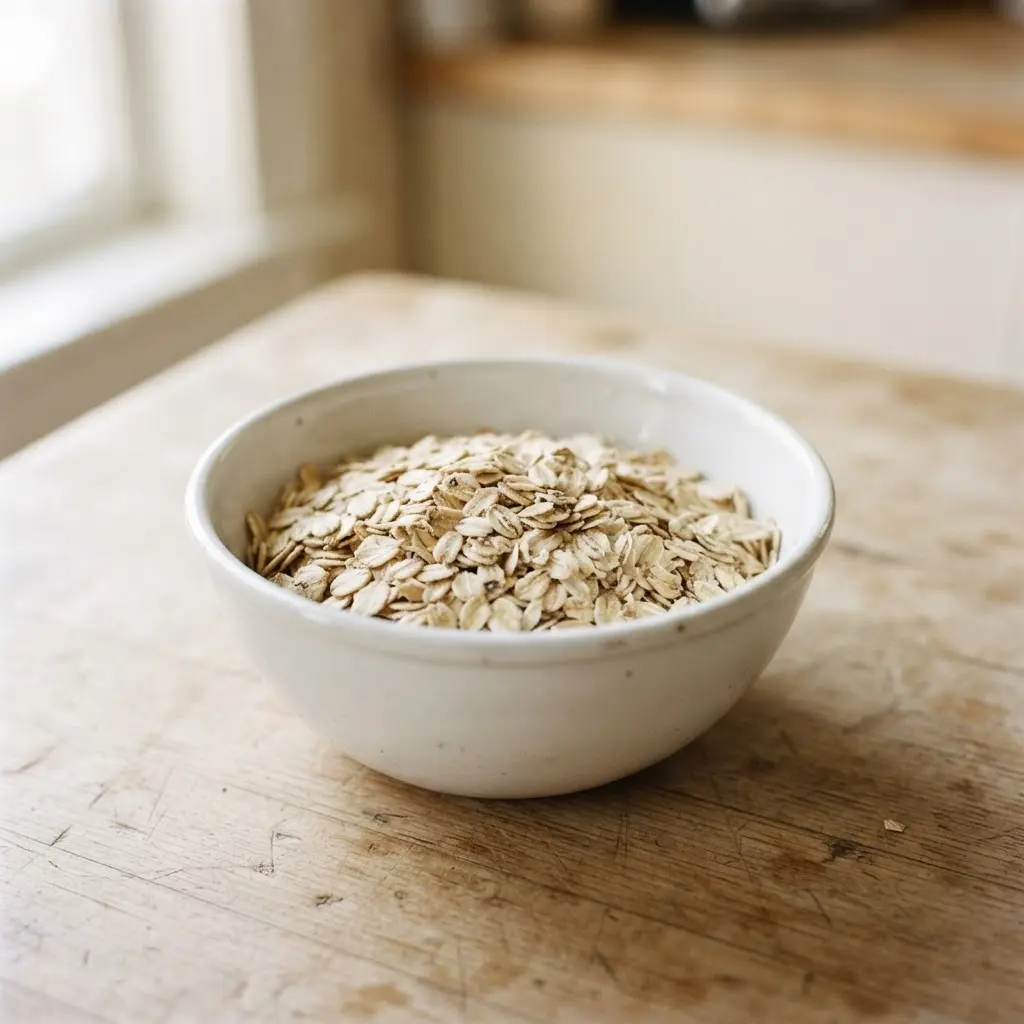
Empty the pantry before reorganizing anything. Remove every item, check dates, and separate expired, stale, or unwanted foods. Starting with this step for Ways to stop eating junk food clears the clutter. Wipe the shelves before returning food. Group similar foods together, then assign each group a fixed zone. Keep oats, whole-grain cereal, beans, canned vegetables, and other useful staples at eye level. Place snack foods in one marked bin or on a less convenient shelf.
Clear categories reduce searching and make planned foods easier to reach during busy moments. Improve access with shelf risers, stackable containers, baskets, or a tiered can organizer. Store rice, pasta, flour, and cereal in clear, airtight containers, and label each container after removing the original package. Keep frequently used foods at the front. Research suggests that visible, convenient food placement influences which choices people make.
Apply first in, first out rotation each time you shop. Place newer packages behind older ones, then spend five minutes once or twice a week returning misplaced items and checking supplies. A simple pantry system is easier to maintain than one requiring many steps. Keep labels clear, zones broad, and healthier replacements ready for quick meals.
3. Mindful Eating Daily Habits for Better Awareness
At 3 p.m., reach for a packet of chips only after pausing beside the kitchen counter. Put away the phone and step from the screen. Take one minute to notice whether physical hunger, boredom, stress, or routine is driving the urge. This brief pause creates space for a deliberate choice.
Begin with one distraction-free snack each day. Look at the food, notice its smell, and take smaller bites. Chew fully and place the utensil down between bites. Slower eating gives your body time to register changing hunger and fullness cues. Practicing Ways to stop eating junk food means listening to those body signals closely. Drink water before or during the meal, while noticing thirst as a separate body signal.
Track sensations without judging the food or yourself. Notice the moment hunger eases, then stop at comfortable fullness rather than waiting for discomfort. After eating, observe physical comfort, mood, and energy. Research suggests mindful eating supports greater awareness of automatic eating patterns, including eating linked to stress, boredom, or habit. Greater awareness can make junk food cravings easier to examine before acting on them.
Keep the practice manageable. Apply mindful attention to one meal or snack instead of demanding awareness all day. A missed pause does not mean failure. Return to the next eating occasion and observe what happens. Mindful eating is an awareness skill, not a promise of weight loss, appetite control, or treatment for an eating disorder.
4. Stress Management Techniques for Craving Relief

A common myth says strong willpower should stop every junk food craving. Stress changes the body and the mind, so an urge often feels urgent before a deliberate choice feels possible. Start with a two-minute breathing pause. Discovering Ways to stop eating junk food often requires slowing your breath first. Breathe in slowly through the nose, then breathe out for longer. Notice the craving as a temporary body sensation rather than an order.
Change your physical state before reaching for food. Walk around the block, stretch your shoulders, or release tension through progressive muscle relaxation. Tense one muscle group for a few seconds, release it, and notice the difference. Movement gives your attention a new task and supports a calmer response during stress eating.
Redirect your focus with a planned activity. Read several pages, listen to one song, complete a puzzle, or contact a trusted person. Use mindful observation to name the trigger, such as fatigue, anger, or an overwhelming schedule. Adding Ways to stop eating junk food to your routine means noticing those triggers early. Research suggests stress-management skills create distance between an emotional trigger and an automatic eating response.
Replace discouraging thoughts with realistic statements. Change “I cannot handle this” to “This feeling will pass, and I can wait ten minutes.” Use a brief routine: identify the trigger, calm your body, observe the urge, then choose an activity. Protect future progress with regular sleep, balanced meals, and scheduled stress relief. A therapist can teach coping methods such as Cognitive Behavioral Therapy or Dialectical Behavior Therapy. Always consult a healthcare professional before making changes to your health routine.
5. Strategic Meal Planning Frameworks for Busy Weeks
Why does planning meals reduce junk food choices during busy weeks? A written plan removes daily guesswork before hunger and fatigue take over. Start with a calendar review. Mark late meetings, work shifts, social events, and evenings with less than 20 minutes for cooking. Assign quick meals to those days and reserve longer cooking for open periods.
Choose one meal structure or combine several. A cook-once plan turns chili, stew, roasted chicken, or cooked grains into meals for two or three days. Using Ways to stop eating junk food in your weekly schedule means prepping these staples. Serve chili alone, over rice, or inside a baked potato. Use roasted chicken in sandwiches, tacos, or soup. Research on eating patterns suggests that ready-to-eat food reduces reliance on last-minute choices.
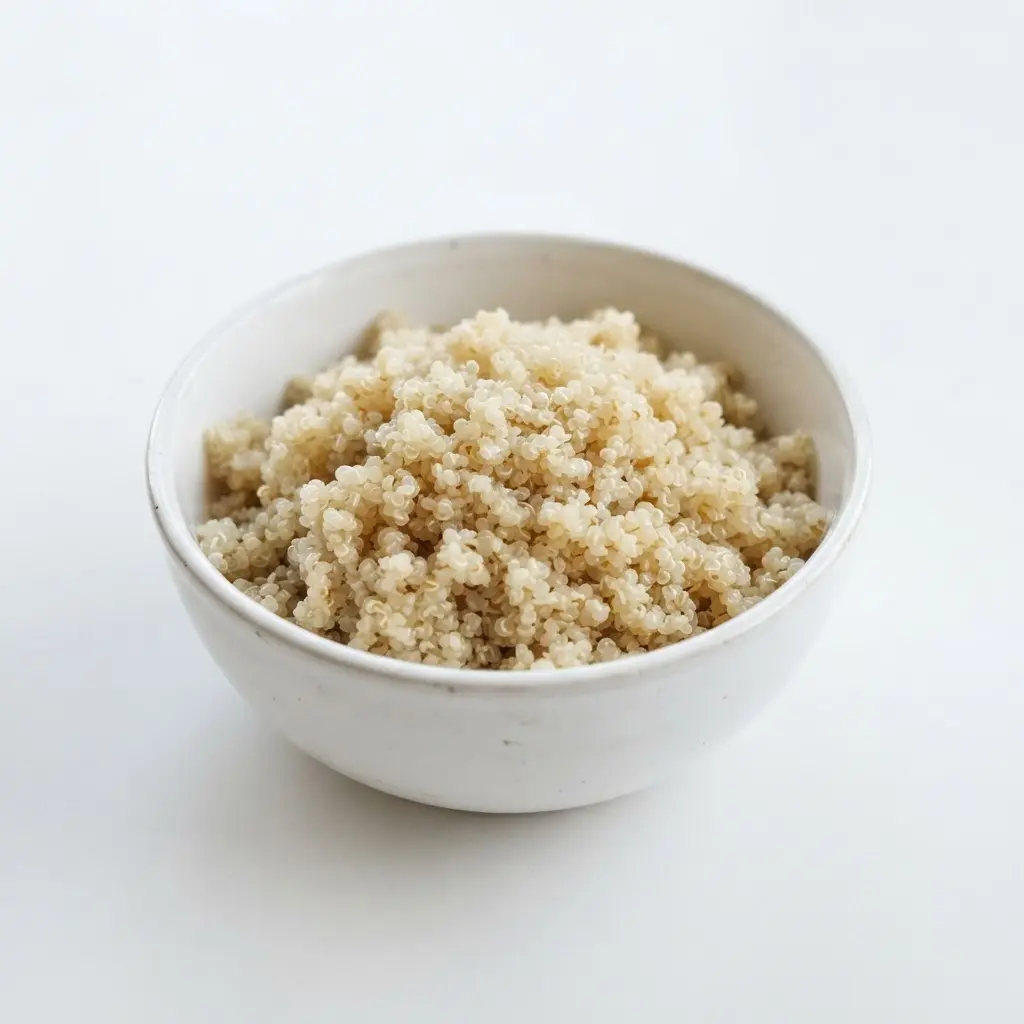
Prepare ingredients rather than complete dishes if your schedule changes often. Wash and chop vegetables, cook rice or quinoa, boil eggs, and mix a dressing during one weekly prep block. Finding Ways to stop eating junk food during busy nights relies on these quick components. This component prep supports omelets, stir-fries, salads, pasta, and grain bowls without starting from zero each evening. Check the refrigerator, freezer, and pantry before shopping so available food guides the list.
Keep one backup meal for late nights. Pasta with canned tomatoes, oatmeal with fruit and nuts, scrambled eggs with toast, beans with rice, quesadillas, or a frozen portion all require little preparation. Many people find flexible plans easier to follow than rigid menus. A simple meal waiting at home makes fast-food decisions less automatic.
Tracking Progress Without All-Or-Nothing Rules
Record one hunger rating from zero to ten beside meals and snacks for one week, rather than judging each choice as success or failure. Tracking Ways to stop eating junk food shows which routines actually work. Note the time, setting, mood, and food, since patterns often show whether a craving followed hunger, boredom, stress, or habit. A missed meal plan does not erase earlier progress, and a planned treat still fits a balanced pattern. Review your notes every few days and look for one small change, such as keeping fruit visible or adding protein to breakfast. Track consistency, energy, and satisfaction along with junk food frequency. If tracking makes you anxious or pushes you toward restriction, stop recording and ask a qualified healthcare professional for support. Progress means returning to your routine after a difficult choice, not maintaining perfect control.
Conclusion
Your food choices are part of your daily life, so change should feel practical and kind. You do not need to remove every treat or follow a perfect plan. Try these Ways to stop eating junk food by choosing one small change first. Put fruit, yogurt, nuts, or cut vegetables where you see them. Plan your next meal before hunger feels urgent. If stress drives your snacking, pause for water, a short walk, or a few slow breaths. Keep foods you enjoy in the plan, since satisfaction helps healthy habits last. Notice what works during busy days and repeat it. Each helpful choice gives you more information about your needs and routines. Pick one step now, prepare for your next craving, and let steady practice guide your food choices.
FAQs
Q: Why do I crave junk food in the evening?
A: Evening cravings often follow missed meals, tiredness, stress, or easy access to snack foods. Eat regular meals and keep a filling snack ready before cravings peak.
Q: What should I eat when I want something salty?
A: Choose roasted nuts, air-popped popcorn, hummus with vegetables, or plain whole-grain crackers. Check serving sizes and pair salty foods with water or fresh produce.
Q: How do I stop buying junk food at the store?
A: Shop with a short list after eating a meal. Keep the list focused on meals, snacks, and ingredients you already plan to use.
Q: How long does it take to reduce junk food cravings?
A: Cravings often change as regular meals and new routines become familiar. Progress differs from person to person, so focus on repeated choices rather than a fixed timeline.
Q: Should I avoid junk food completely?
A: Many people find a flexible approach easier to maintain. Include occasional treats in a balanced routine while giving most meals nutritious ingredients.