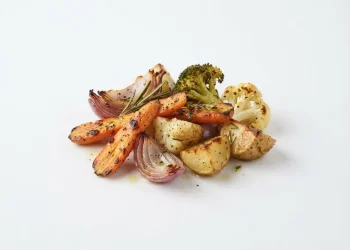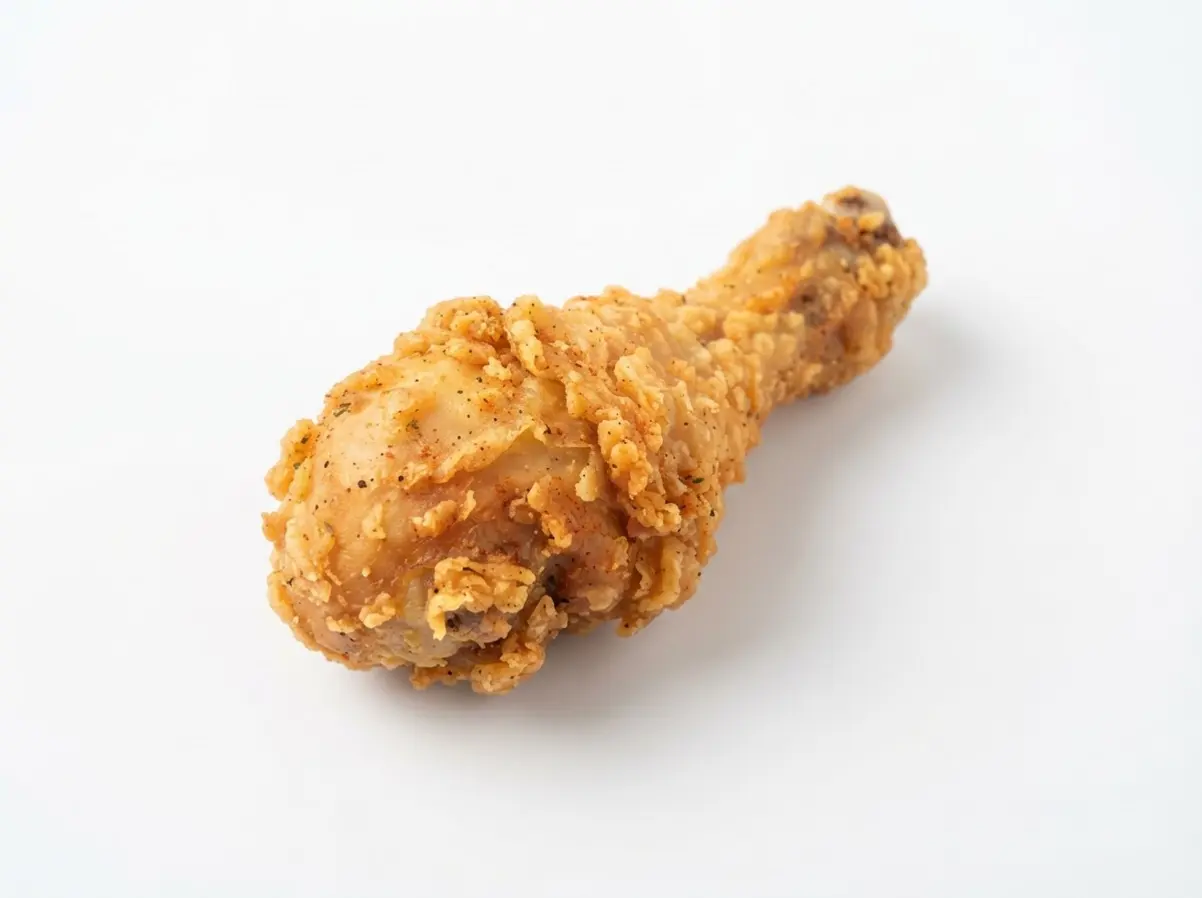
Wondering which evening foods often leave you uncomfortable or awake? The worst foods to eat in the evening often include large portions, fried foods, fatty meats, spicy meals, sweets, salty snacks, caffeine, and alcohol. They often worsen reflux, raise blood sugar, add thirst, or interrupt sleep.
Large portions also keep digestion active when your body is preparing for rest. Choosing smaller meals with fiber, protein, and water supports a calmer evening. Food timing matters, but your hunger matters too. Physical hunger calls for a nourishing snack, while stress, boredom, or habit might lead to eating without much need. When you learn about the Worst foods to eat in the evening, you will quickly spot patterns that disrupt your rest. I’ll help you spot common problem foods and understand how they affect digestion and sleep. You’ll also find simple ways to adjust portions and timing without strict rules. Let’s make your next evening meal feel better.
Reading Evening Food Labels for Added Sugar
Check the Nutrition Facts panel before choosing an evening snack, since one package often contains two or more servings. Look for grams of added sugar rather than total sugar, because milk and fruit contribute naturally occurring sugar without the same label category.
An ingredient list naming syrup, cane sugar, dextrose, or honey near the beginning signals a sweeter formula. Pair the label with calories, fiber, and protein, since a sweet snack with little fiber often offers less staying power.
When you review packaging for the Worst foods to eat in the evening, large portions still matter even when the ingredients look familiar. Place one serving in a bowl instead of eating from the package. Granola bars, flavored yogurt, and cereal deserve the same check, since health-focused wording does not replace nutrition facts.
Timing Portions Around Bedtime and Reflux
Finish a large evening meal at least two to three hours before lying down when reflux symptoms follow late eating. A smaller portion reduces stomach fullness, while lying down soon after eating often makes burning or sour taste more noticeable.
Check fried foods, creamy sauces, and fatty meats with care, since high fat meals digest slowly for some people. As you review the Worst foods to eat in the evening, note that caffeine, carbonation, spicy seasoning, tomatoes, and onions trigger symptoms for certain diners. Research does not support one universal list of reflux foods. Keep a brief evening note of meal size, timing, and symptoms to identify personal patterns. Water with a meal suits many people, while alcohol often worsens reflux. A clinician deserves your attention if symptoms happen often or disrupt sleep.
1. High Saturated Fat Foods and Evening Digestion
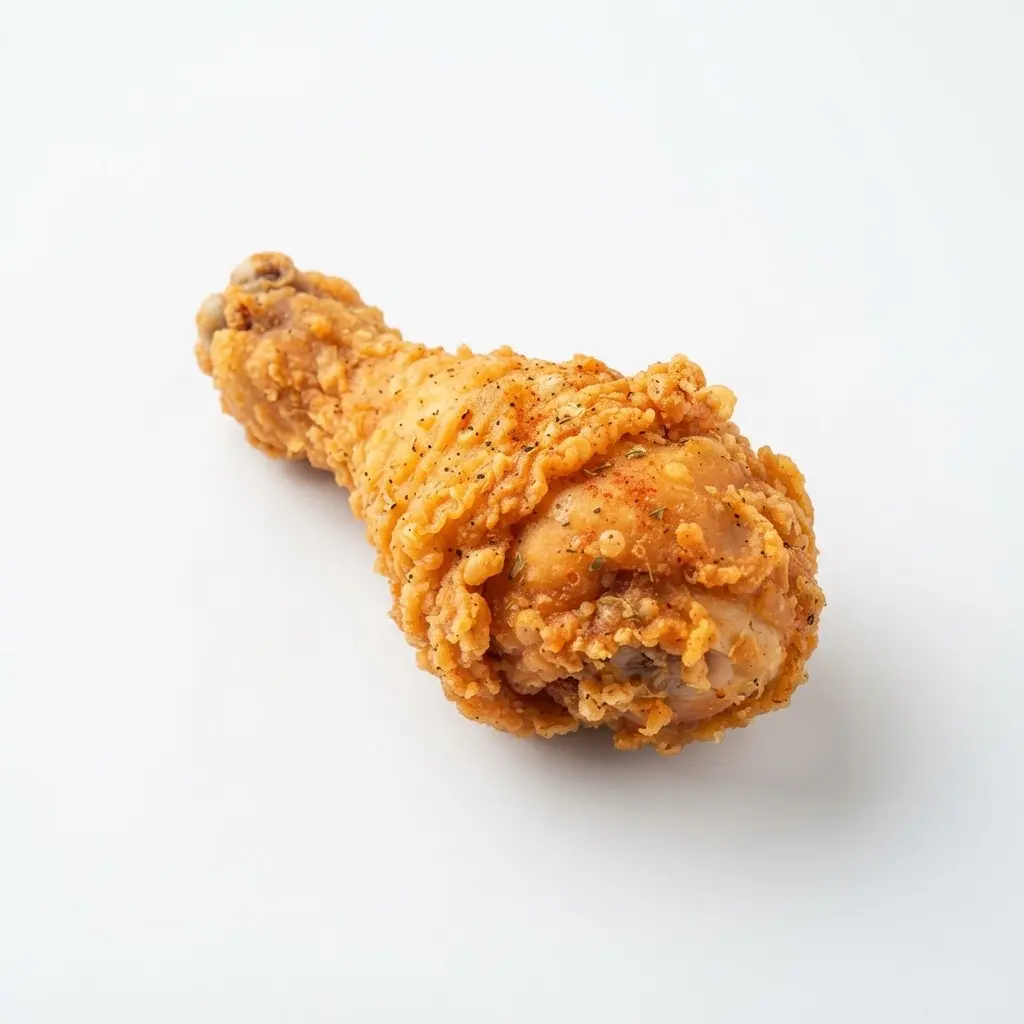
Common mistake: assuming digestion stops during sleep. Digestion continues, but the body processes food more slowly at night. A large high-fat meal of fried chicken, fatty meat, butter, or full-fat cheese can remain in the stomach longer because fat slows gastric emptying.
Start with a broader list to avoid late evening foods before planning dinner, since the Worst foods to eat in the evening often sit heavy on your stomach. Lying down soon after eating adds another problem. Gravity no longer helps keep stomach contents in the stomach, so food and stomach acid can move upward into the esophagus.
If you ignore the Worst foods to eat in the evening, this raises the chance of heartburn, acid reflux, bloating, or abdominal discomfort, especially in people with GERD. Research suggests late, high-fat meals are also linked with higher blood glucose and slower fat breakdown overnight.
Choose smaller portions in the evening, and finish eating at least two to three hours before bedtime. Remain upright after dinner instead of lying down immediately. Use lighter foods such as yogurt, bananas, or toast when a late meal is unavoidable. Personal triggers differ, so track foods that repeatedly worsen symptoms. Always consult a healthcare professional before making changes to your health routine.
2. Spicy and Acidic Dishes Linked With Reflux
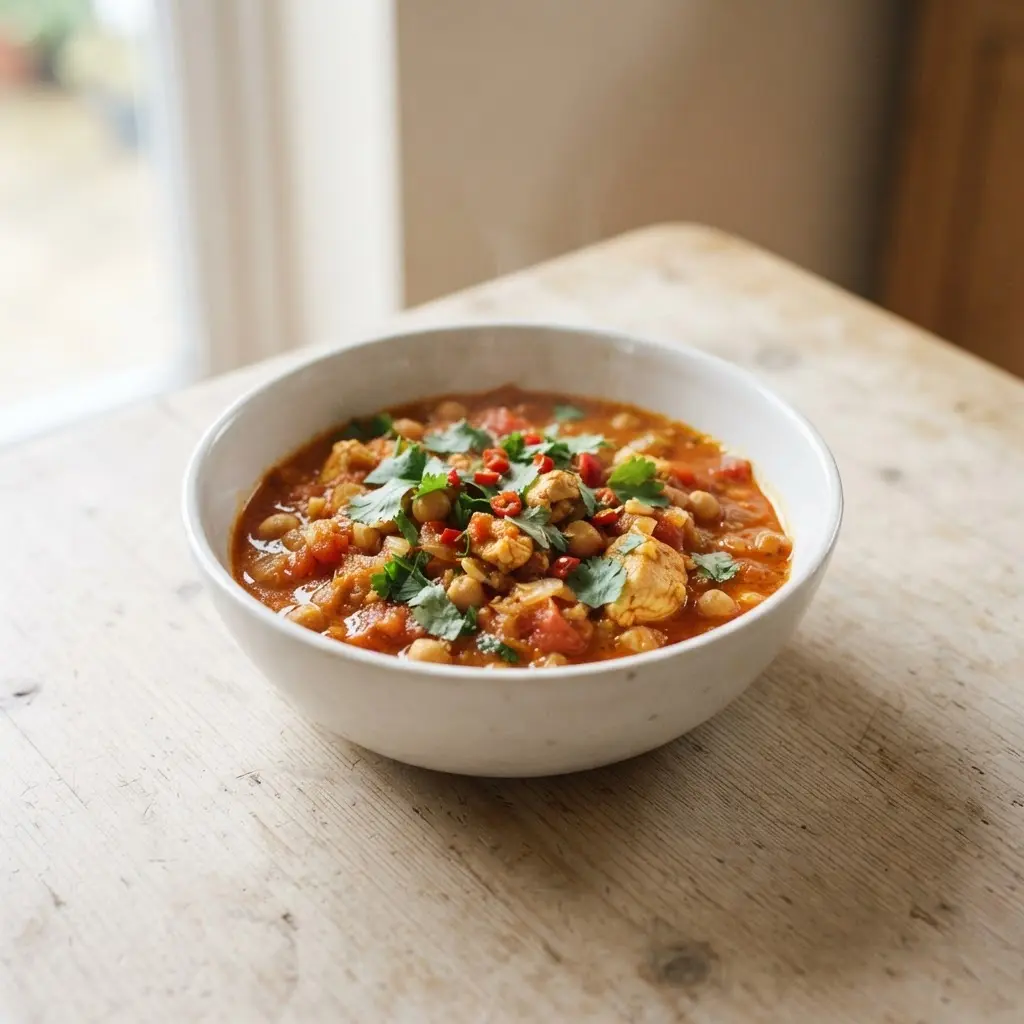
Avoid spicy or acidic dishes within three hours of bedtime. Choose milder evening meals because hot peppers, tomato sauces, citrus, and acidic drinks often worsen heartburn in people with reflux. Since the Worst foods to eat in the evening frequently include heavy spices, curry, hot stews, orange juice, grapefruit juice, and carbonated drinks deserve special attention.
Spicy ingredients often irritate the esophageal lining, making existing heartburn feel worse. Citrus and tomato products add acidic exposure when stomach contents move upward. Research does not consistently show spicy foods lower pressure in the lower esophageal sphincter, the muscle that helps keep stomach contents in place.
Research in people with non-erosive reflux disease found curry caused more acid reflux and stronger symptoms than in healthy participants. When you skip the Worst foods to eat in the evening, you can easily avoid lying down soon after eating, especially after a heavily spiced meal. Track recurring symptoms rather than removing every spicy or acidic food automatically.
Reflux triggers differ between people. Always consult a healthcare professional before making changes to your health routine.
3. Caffeinated Beverage Options and Sleep Timing
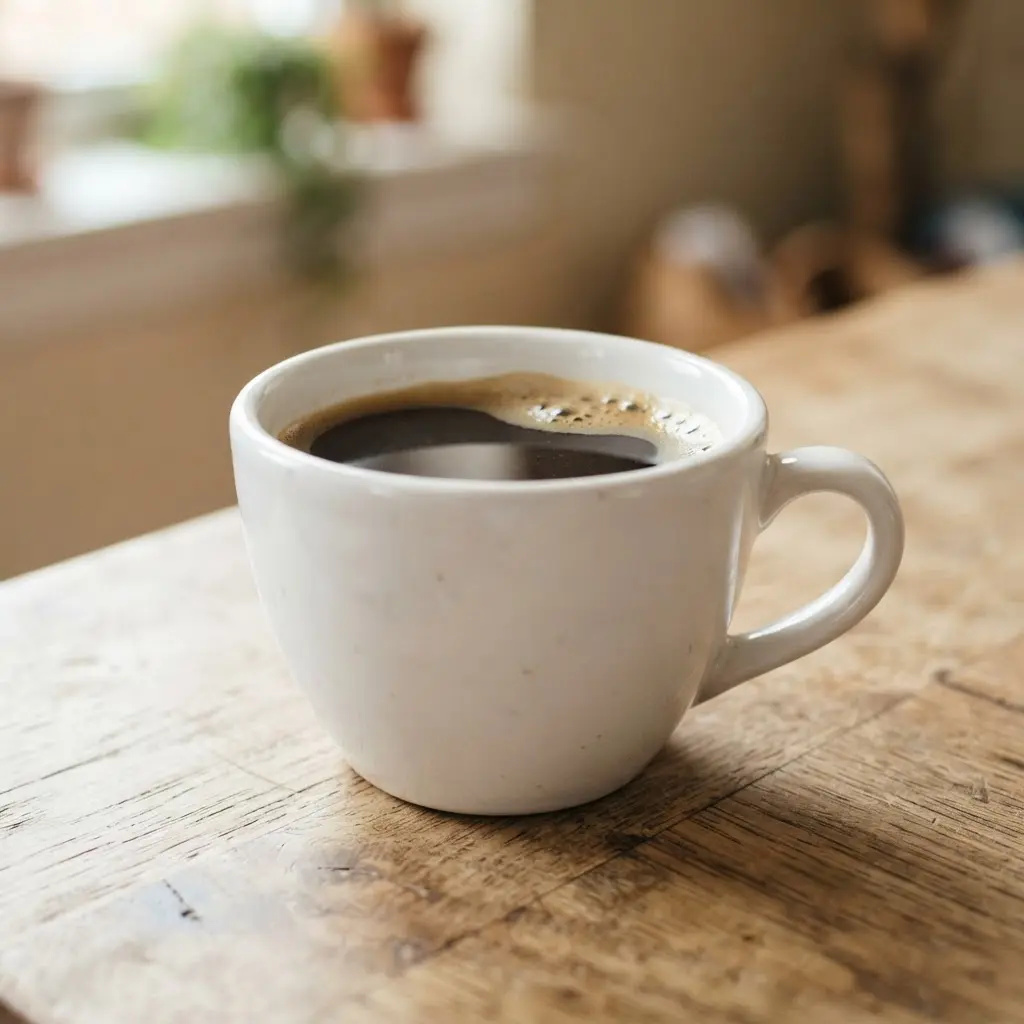
At 7:30 p.m., a coffee, energy drink, or cola might seem harmless during a late task. Set an evening caffeine cutoff based on your bedtime, not only on how alert the drink makes you feel. If you want to avoid the Worst foods to eat in the evening, remember caffeine stays active for hours and often delays sleep. It also reduces total sleep time and lowers sleep efficiency.
Track both dose and timing. A 400 mg dose carries a higher sleep risk within 12 hours of bedtime, while some people tolerate 100 mg up to four hours before bed. Research-based estimates place coffee avoidance about 8.8 hours before bed and high-dose supplement avoidance about 13.2 hours before bed. Afternoon and evening caffeine deserves extra care for adolescents, since sleep onset, total sleep, sleep efficiency, and REM sleep might change.
Choose water or a caffeine-free drink later in the day, and count caffeine from every serving. Review total daily intake rather than judging one beverage alone, especially when listing the Worst foods to eat in the evening for a better night. Research suggests people sometimes sleep poorly without noticing a clear stimulant effect. Always consult a healthcare professional before making changes to your health routine.
4. Refined Sugar and Confections After Dinner

Many people believe dessert after dinner is harmless because the day’s calories matter most. The main concern is timing, not one occasional sweet. Refined sugar in candy, chocolate, pastries, and syrup digests quickly, which explains why it appears among the Worst foods to eat in the evening. Blood glucose rises, and the pancreas releases insulin to move glucose into cells.
Glucose tolerance often becomes poorer later in the day. A large dessert eaten within two or three hours of bedtime may leave glucose and insulin elevated for several hours during sleep. Desserts combining sugar with fat or a starchy meal digest more slowly. Late eating also affects the hypothalamic-pituitary-adrenal axis, a stress-response system, and sleep disruption sometimes follows.
Research links repeated late-night sugar intake with less stable overnight glucose and insulin levels. Limit high-glycemic sweets after dinner, especially large portions close to sleep, because they rank high on the list of the Worst foods to eat in the evening. Choose a smaller serving earlier in the evening instead of making dessert a nightly habit.
People with diabetes, prediabetes, or medication-related glucose concerns should discuss evening eating with a qualified healthcare professional. Always consult a healthcare professional before making changes to your health routine.
5. Alcoholic Beverages and Sleep Disruption
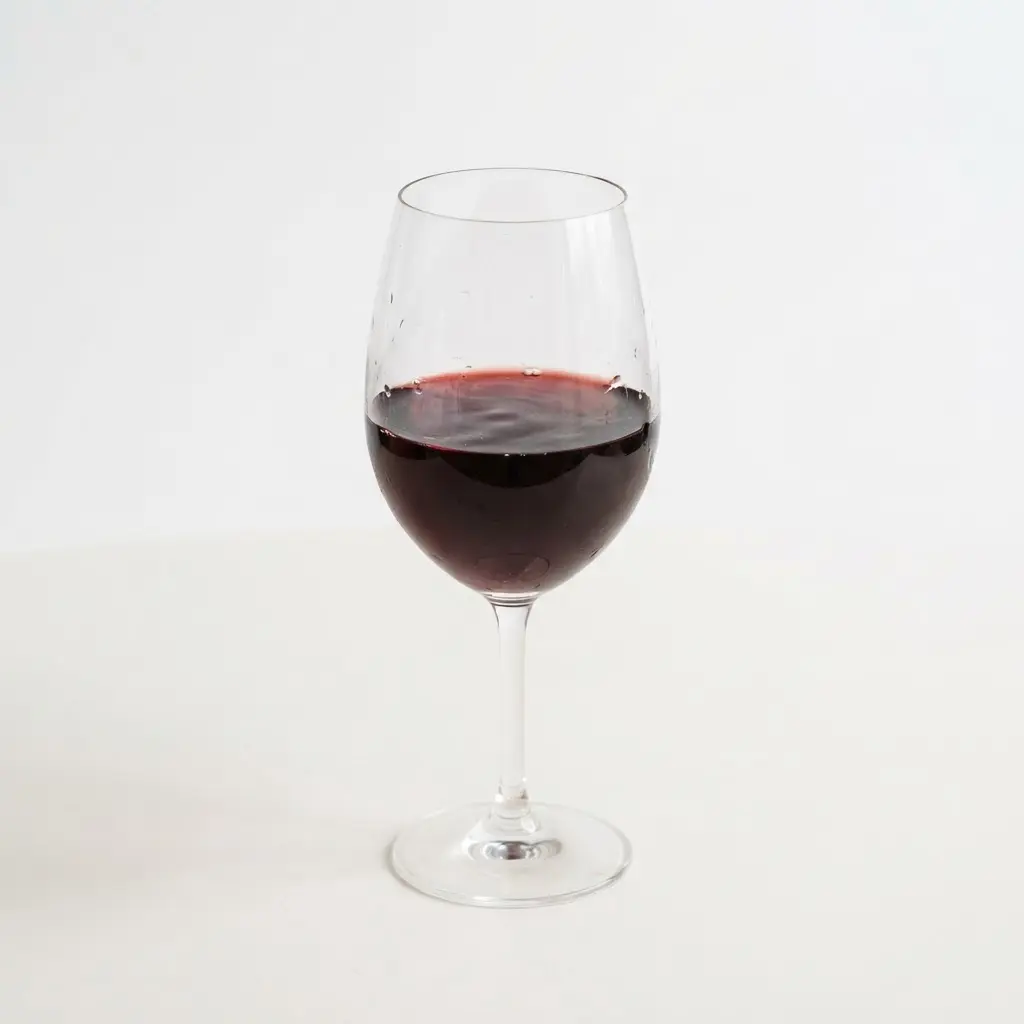
Does alcohol improve sleep because it causes drowsiness? No. Early drowsiness often makes falling asleep easier, but the effect fades as the body processes alcohol. Sleep then becomes lighter and more interrupted, especially during the second half of the night. Alcohol also reduces or disrupts REM sleep, a stage linked with memory and emotional balance.
Alcohol has diuretic effects, which increase thirst and nighttime bathroom trips. Stomach irritation, heartburn, sweating, and indigestion add more reasons to wake. Research shows that falling asleep quickly does not guarantee restorative sleep the next morning, so many experts flag it as one of the Worst foods to eat in the evening.
Avoid alcohol near bedtime to reduce sleep disruption. Drinking earlier and limiting the amount lowers the chance of disturbed sleep, though individual responses differ. Alcohol also relaxes airway muscles, which can worsen breathing interruptions in people with sleep apnea. Always consult a healthcare professional before making changes to your health routine.
6. Heavily Processed Salty Snacks and Thirst
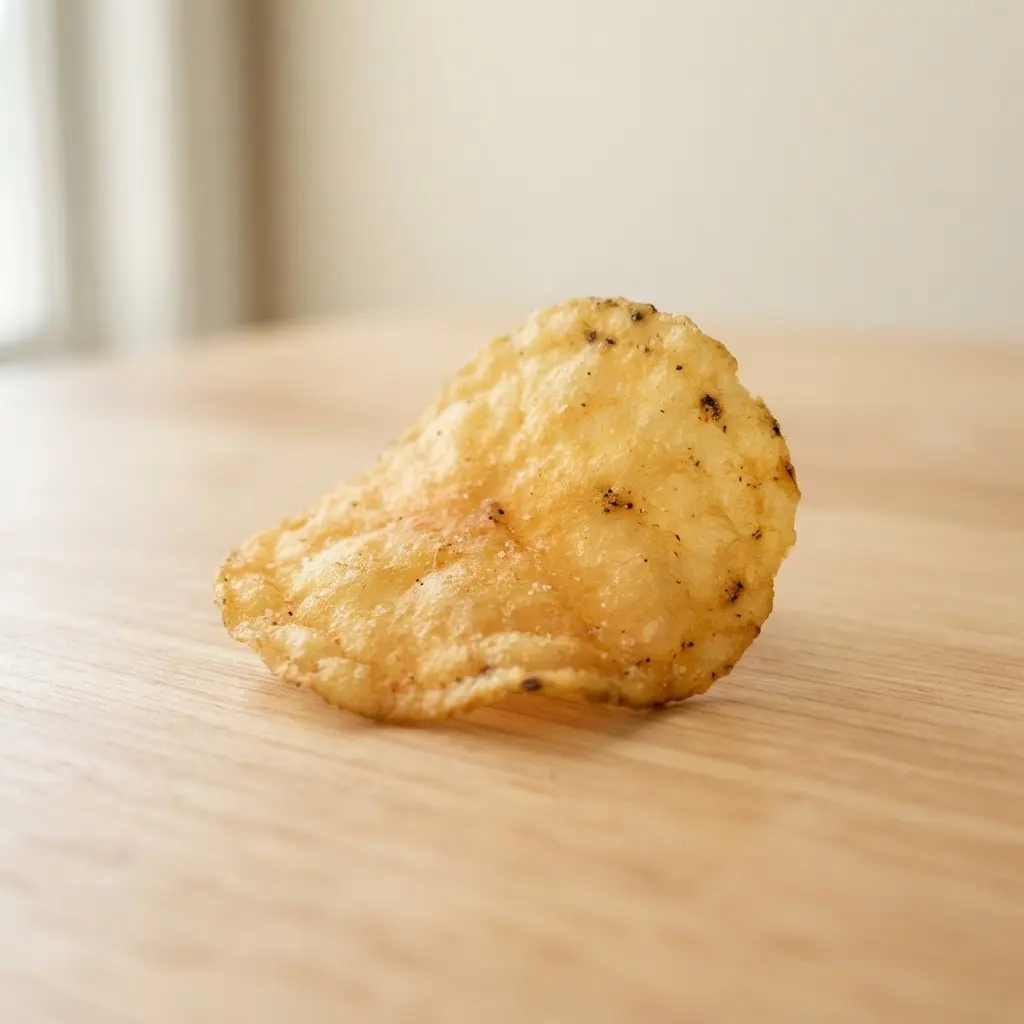
Choose unsalted popcorn over a large serving of salted chips in the evening. The key difference is sodium content, not texture or appearance. Packaged crackers, pretzels, and flavoured chips often contain added salt.
Eating a large portion raises the amount of sodium in the body and often leaves the mouth feeling dry, which is why salty snacks are often listed among the Worst foods to eat in the evening. Body fluids then contain a higher sodium concentration. The body detects this shift and signals for additional water.
Thirst encourages drinking, which supports fluid and electrolyte balance. This response is normal, but several glasses close to bedtime often disturb sleep. Replace heavily salted foods with healthy junk snack replacements before evening hunger leads to a large portion. Choose unsalted nuts, fresh fruit, or plain air-popped popcorn.
Research supports recognizing thirst as a regulatory signal, not proof of severe dehydration. Persistent or unusually intense thirst needs medical attention rather than automatic blame on a salty snack. Always consult a healthcare professional before making changes to your health routine.
7. Large Portions and Heavy Meals at Night
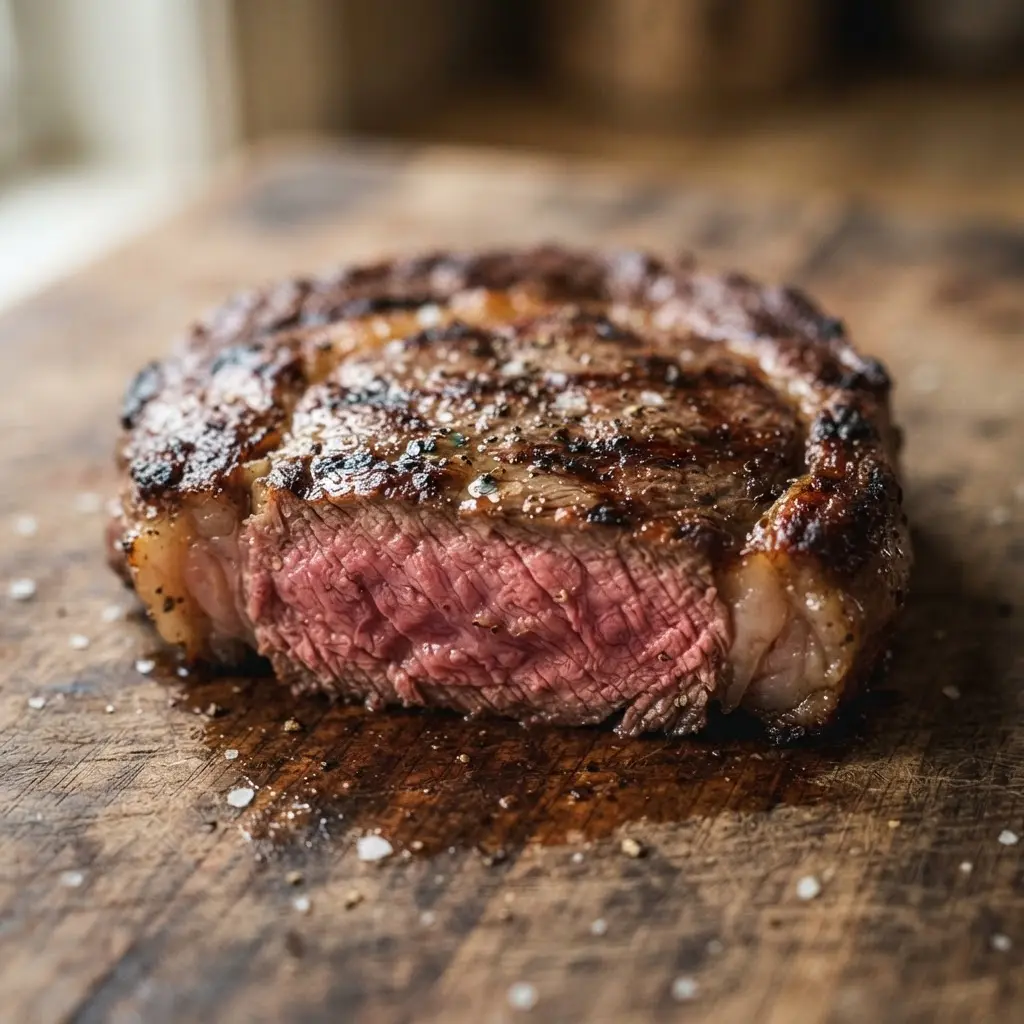
A common mistake is treating every evening meal as harmful. The real problem is eating a large evening portion or rich meal close to bedtime, then lying down soon afterward. When you study the Worst foods to eat in the evening, portion size matters just as much as ingredients.
Choose a lighter dinner and finish it about 2–3 hours before bed. Fatty, spicy, or carbohydrate-heavy meals digest more slowly or produce stronger blood-sugar changes. A full stomach creates pressure, while lying down makes acid reflux more likely.
Indigestion, bloating, and heartburn then interfere with falling asleep or staying asleep. Research suggests meal size, food composition, and timing all affect nighttime comfort. Regularly eating beyond your energy needs adds excess calories, which contributes to weight gain over time.
A list of foods to avoid for weight loss is incomplete without portion size, because oversized evening meals add calories quickly. Persistent, severe, or frequent heartburn, reflux, digestive discomfort, or sleep disruption requires discussion with a qualified healthcare professional. Always consult a healthcare professional before making changes to your health routine.
8. Mint-Based Flavor Profiles and Reflux Symptoms
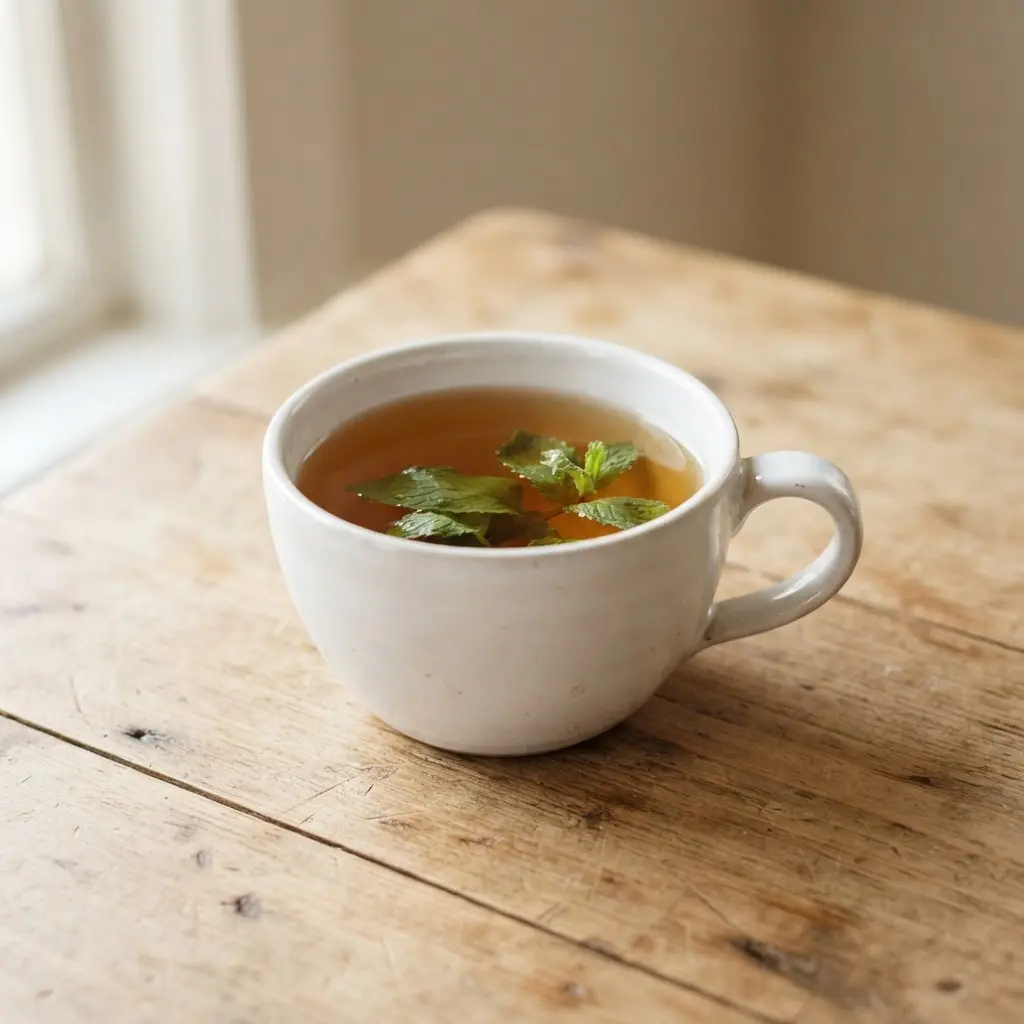
Limit mint after dinner if reflux follows evening gum, sweets, tea, or breath mints. Peppermint and spearmint appear in many small products, so check labels before bed. Peppermint can relax the lower esophageal sphincter, the muscle that helps keep stomach contents below the esophagus.
A relaxed sphincter allows acid to move upward more easily, which highlights why certain mints join the Worst foods to eat in the evening. Research suggests dose and mint type affect symptoms. Studies in healthy people found low-dose spearmint did not significantly change sphincter pressure or acid reflux.
Higher doses produced symptoms in some participants, possibly from direct irritation of the esophagus or stomach rather than increased reflux. Track mint exposure with a food-and-symptom record for several evenings. Review peppermint gum, mint candies, herbal teas, and flavored medicines when identifying triggers. Some antacids contain mint flavoring, so read ingredient labels before deciding whether a product affects symptoms.
Mint is not a reflux problem for everyone, and personal responses differ. Always consult a healthcare professional before making changes to your health routine. Seek medical advice for persistent, severe, or worsening symptoms.
9. Complex Carbohydrates for Sleep Quality and Fullness
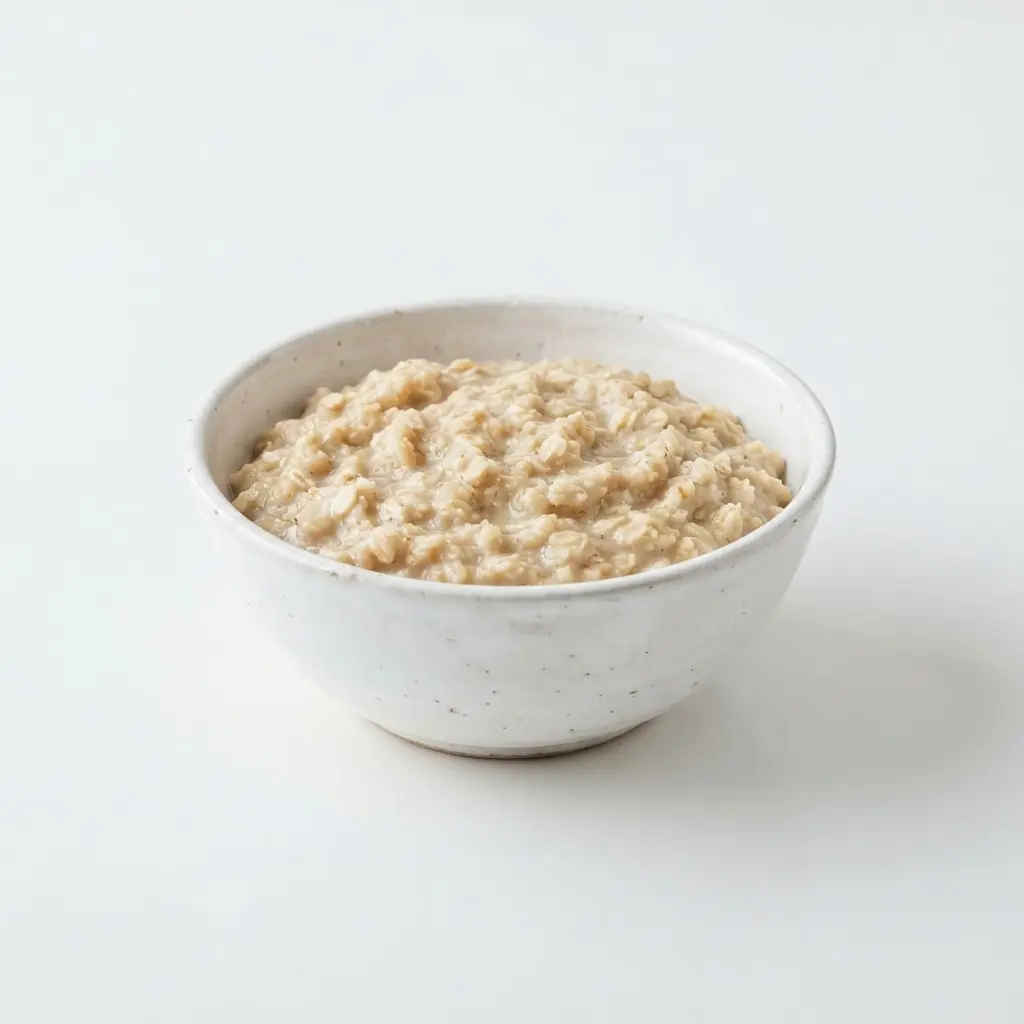
At 8:30 p.m., a bowl of refined cereal may leave hunger returning before bed. Choose whole-grain carbohydrates, fruit, or non-starchy vegetables instead. These foods provide fiber and digest more slowly, supporting longer-lasting fullness, so they naturally stand apart from the Worst foods to eat in the evening.
Build an evening meal around brown rice, oats, beans, berries, or cooked vegetables. Research links eating patterns rich in whole grains, fruits, and non-starchy vegetables with a lower likelihood of poor sleep patterns. This finding shows an association, not proof that one food prevents sleep problems.
Meal timing adds another layer. In sleep research, a high-GI meal shortened sleep-onset latency more clearly when eaten about 4 hours before bedtime than immediately before sleep. This result does not make sugary foods a sound nightly choice.
Added sugars and refined grains still represent lower-quality carbohydrate sources, placing them near the Worst foods to eat in the evening. Use fiber-rich evening foods to support fullness, and keep portions suited to your hunger and schedule. Rice-based meals produced similar fullness ratings across high- and low-GI versions in one study. Individual responses differ, so track comfort, hunger, and sleep rather than treating carbohydrate rules as guarantees.
10. Late Night Dining Patterns and Daily Timing
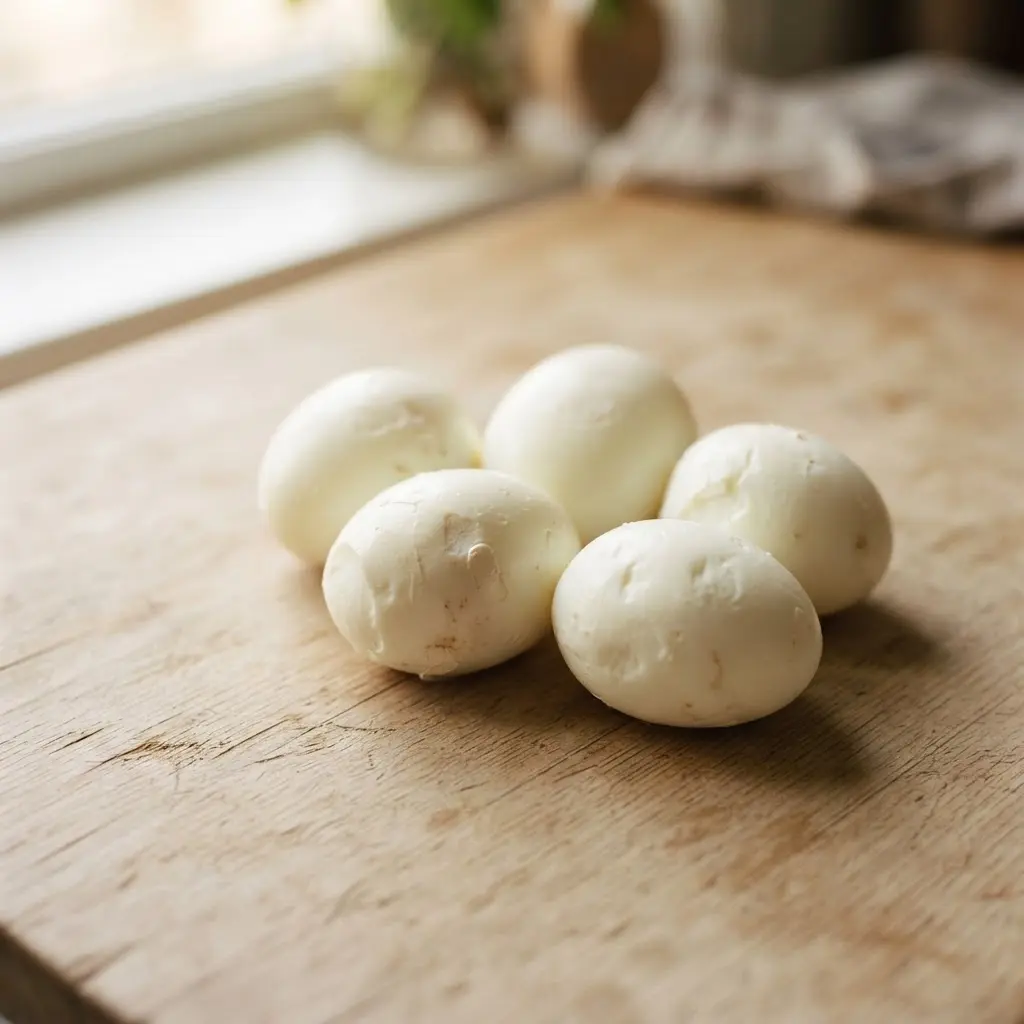
Late eating is not automatically harmful. A common belief treats every bite after dinner as a poor choice. The stronger concern is a repeated pattern of large late meals, snacks, sweets, or alcohol. Clock time matters, but hunger, sleep, work, and total intake matter too.
You should track the evening share of daily intake rather than judging one small snack. Late evening usually means about 8:00 p.m. to 11:59 p.m. Around 64% of adults consume food or beverages during this period. For about 21% of these eaters, late-evening intake supplies at least 30% of daily energy.
Snacks and sweets are common choices, while alcohol contributes a disproportionately large share of evening intake, which often explains why late treats appear on lists of the Worst foods to eat in the evening. You can match meal timing to your schedule for better rest.
Night-shift workers often eat later, have a later largest meal, and remain within an eating window for more hours. Do not force a morning-shift schedule onto overnight work. Plan filling meals before long shifts, keep convenient lower-energy foods available, and limit alcohol near bedtime. Research associates later eating patterns with higher overall daily energy intake, so review the full day rather than blaming one late snack.
Building A More Balanced Nighttime Snack
Choose a snack combining protein with fiber, such as plain Greek yogurt with berries or unsalted nuts with an apple, to support fullness without a large portion. Check sodium and saturated fat on packaged options, since savory crackers, processed meats, and creamy dips often raise both nutrients quickly.
Keep added sugar modest by comparing flavored versions with plain versions and adding fruit for sweetness. A serving around 150 to 250 calories suits some adults, though hunger, activity, and total daily intake still guide the amount.
Choose water or decaf tea beside the snack when caffeine or sweet drinks interfere with sleep, especially since mixing stimulants ranks high among the Worst foods to eat in the evening. A balanced evening bite does not require perfect eating, and an occasional dessert fits within an overall eating pattern when portions stay reasonable.
Conclusion
Evening eating does not need strict rules to feel better. Your body still needs food when hunger is real, and a small nourishing snack often feels better than going to bed uncomfortable.
The worst foods to eat in the evening are usually large, rich, sugary, spicy, salty, caffeinated, or alcoholic choices eaten close to bedtime. Start with one change tonight. Reduce the portion, eat earlier, or swap a heavy item for fruit, oats, plain yogurt, or a small whole-grain snack.
Notice how your stomach, thirst, and sleep respond over the next few evenings. If reflux, poor sleep, or strong hunger keeps returning, write down the food, portion, and time. This simple record gives you useful clues for your next meal.
Keep the goal practical and personal. A few steady choices can make evenings more comfortable without turning food into a set of strict rules. Remember the Worst foods to eat in the evening only when you need a quick reminder, then focus on what makes your body feel calm.
FAQs
Q: Is eating late always unhealthy?
A: No. Meal timing affects people differently. When you learn about the Worst foods to eat in the evening, a small, balanced snack often feels comfortable when hunger appears before bed.
Q: What should I eat if I feel hungry at night?
A: Choose a small serving of plain yogurt, fruit, oats, or whole-grain toast. Pairing a carbohydrate with protein often helps you feel satisfied, while skipping the Worst foods to eat in the evening keeps your stomach calm.
Q: Does evening caffeine affect sleep?
A: Caffeine often stays active for hours and delays sleep or causes lighter rest. Coffee, energy drinks, tea, chocolate, and some soft drinks all contain caffeine, making them some of the Worst foods to eat in the evening for restful nights.
Q: Are spicy foods bad before bed?
A: Spicy meals often worsen heartburn in people who are sensitive to them. Eating a smaller portion earlier in the evening gives digestion more time before lying down, and it helps you avoid the Worst foods to eat in the evening.
Q: How does alcohol affect nighttime rest?
A: Alcohol often causes sleep to become less steady later in the night. It also adds calories and might worsen reflux or thirst, so many doctors recommend skipping it as one of the Worst foods to eat in the evening.