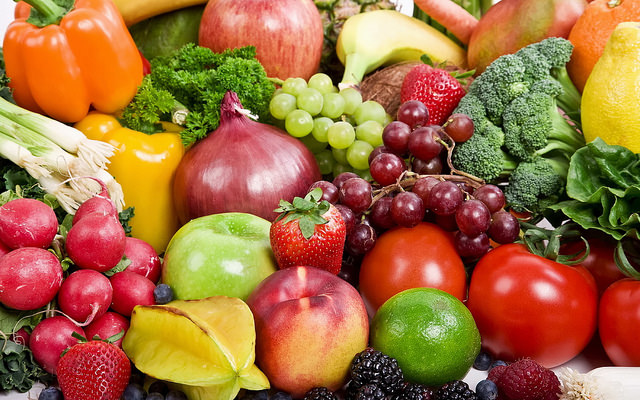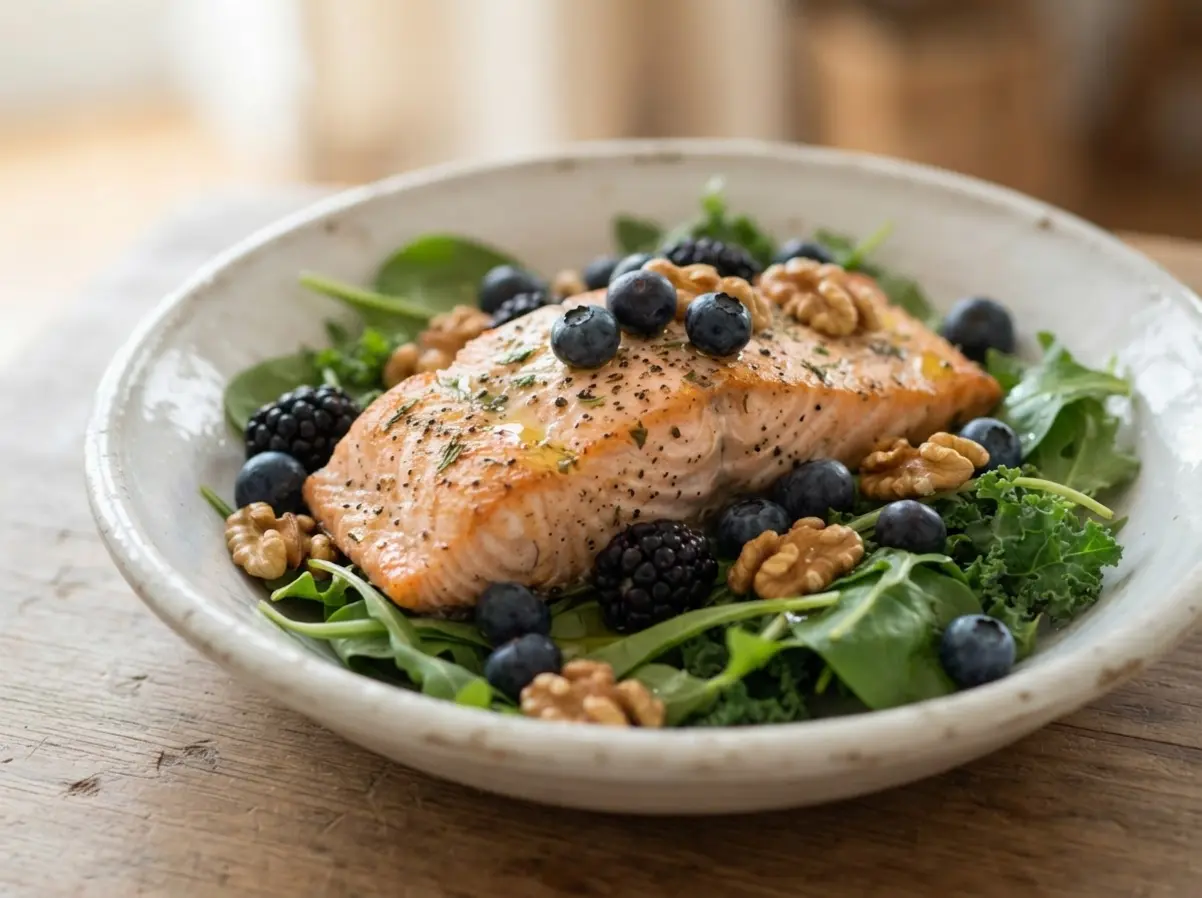
Which foods support memory and focus each day? Foods which keep your brain in a good shape include fatty fish, berries, leafy greens, whole grains, walnuts, eggs, olive oil, and dark cocoa. These foods supply omega-3 fats, fiber, vitamins, minerals, and plant compounds linked with healthy blood flow and brain cell protection.
Your food choices do not need to feel strict or complicated. A balanced eating pattern, such as the Mediterranean or MIND style, brings these foods together in practical ways, especially foods which keep your brain in a good shape. Whole foods also make a better choice than sugary snacks sold as brain food. Always remember to choose foods which keep your brain in a good shape.
Why Dietary Patterns Matter More Than Single Foods
Choose a Mediterranean-style or MIND-style pattern rather than relying on one food for memory support. These patterns center meals on vegetables, berries, beans, whole grains, nuts, olive oil, and seafood, with less red meat, sweets, and processed food. Research links these eating habits with healthier thinking and memory over time, though an association does not prove a single meal caused the result.
Fiber from plants supports gut health, while polyphenols, natural plant compounds, add variety to the nutrient mix. The MIND pattern gives attention to leafy greens and berries, making daily choices easier without demanding perfect meals. A DASH-style pattern also limits excess sodium and supports heart health, which matters because blood flow supplies brain tissue. Think in weekly patterns, since one missed vegetable does not erase a balanced diet.
Nutrient Diversity Across Plant And Animal Foods
Pair plant foods with nutrient-rich animal foods across the week to cover gaps in brain-related nutrients. Dark green leaves, berries, beans, oats, nuts, and seeds provide fiber and polyphenols, compounds linked with protection from cell stress. Eggs supply choline, a nutrient used for brain cell signaling, while seafood offers omega-3 fats and vitamin B12.
Meat, dairy, and eggs also provide complete proteins, meaning they contain all nine amino acids your body needs. Iron and zinc support oxygen delivery and nerve communication, yet plant sources often need careful pairing for better iron absorption. People who avoid animal foods need reliable B12 sources, since low intake raises deficiency risk. Variety matters more than chasing one ingredient, and colorful, minimally processed foods make balanced choices easier.
1. Omega-3 Rich Fatty Fish for Memory Support

fish oil supplements should not be equated with fish meals when searching for foods which keep your brain in a good shape. Research on fish intake links regular consumption with a lower risk of cognitive impairment, dementia, and Alzheimer’s disease. Supplement studies involving isolated EPA and DHA show mixed results, so capsules do not promise the same outcome.
Fatty fish supplies DHA and EPA, two long-chain omega-3 fats involved in brain function. Choose salmon, sardines, trout, or mackerel as regular meal options to find foods which keep your brain in a good shape. DHA and EPA support processes linked with executive function and might help counter neuroinflammation.
Studies have examined episodic memory, working memory, attention, language, perceptual speed, and global cognitive abilities. A dose-response analysis linked up to 150 grams of fish per day with an approximately 30% lower risk of cognitive impairment or decline. This finding shows an association, not proof of cause and effect.
Research suggests the protective association may level off above roughly two portions of fish per week. Regular dietary intake therefore offers a practical focus without assuming more fish always brings more benefit. Individual results vary by overall diet, health status, and study population.
Treat fish as one part of long-term cognitive care, not as a treatment or guaranteed prevention for memory loss or dementia. Always consult a healthcare professional before making changes to your health routine.
2. Antioxidant-Packed Berries and Brain Health

Add blueberries to regular meals for a steady food source of flavonoids, including anthocyanins. Add fresh or frozen berries to porridge, plain yogurt, or a smoothie, including foods which keep your brain in a good shape. Blueberries are among the best-studied berries for brain health.
Anthocyanins have antioxidant and anti-inflammatory properties. Some berry compounds cross the blood-brain barrier, allowing activity within brain tissue. These compounds may influence pathways linked with inflammation, cell survival, and neuroplasticity, which supports the connections between nerve cells.
Research has examined berry intake alongside episodic memory, language memory, attention, executive function, and processing speed. Findings are mixed. Benefits appear more likely in some memory measures than across every area of cognitive performance.
Research on healthy brain ageing also remains in progress. Choose berries as one part of a balanced eating pattern rather than as a treatment. No serving size, preparation method, or time period guarantees a cognitive benefit.
Regular berry intake might support aspects of memory and could relate to a lower risk of age-related cognitive decline, but prevention of neurodegenerative disease is not confirmed. Pair berries with varied foods such as vegetables, beans, whole grains, nuts, and fish when appropriate. This broader pattern supplies nutrients beyond anthocyanins.
Always consult a healthcare professional before making changes to your health routine, remembering to prioritize foods which keep your brain in a good shape.
3. Leafy Green Vegetables for Daily Brain Nutrition
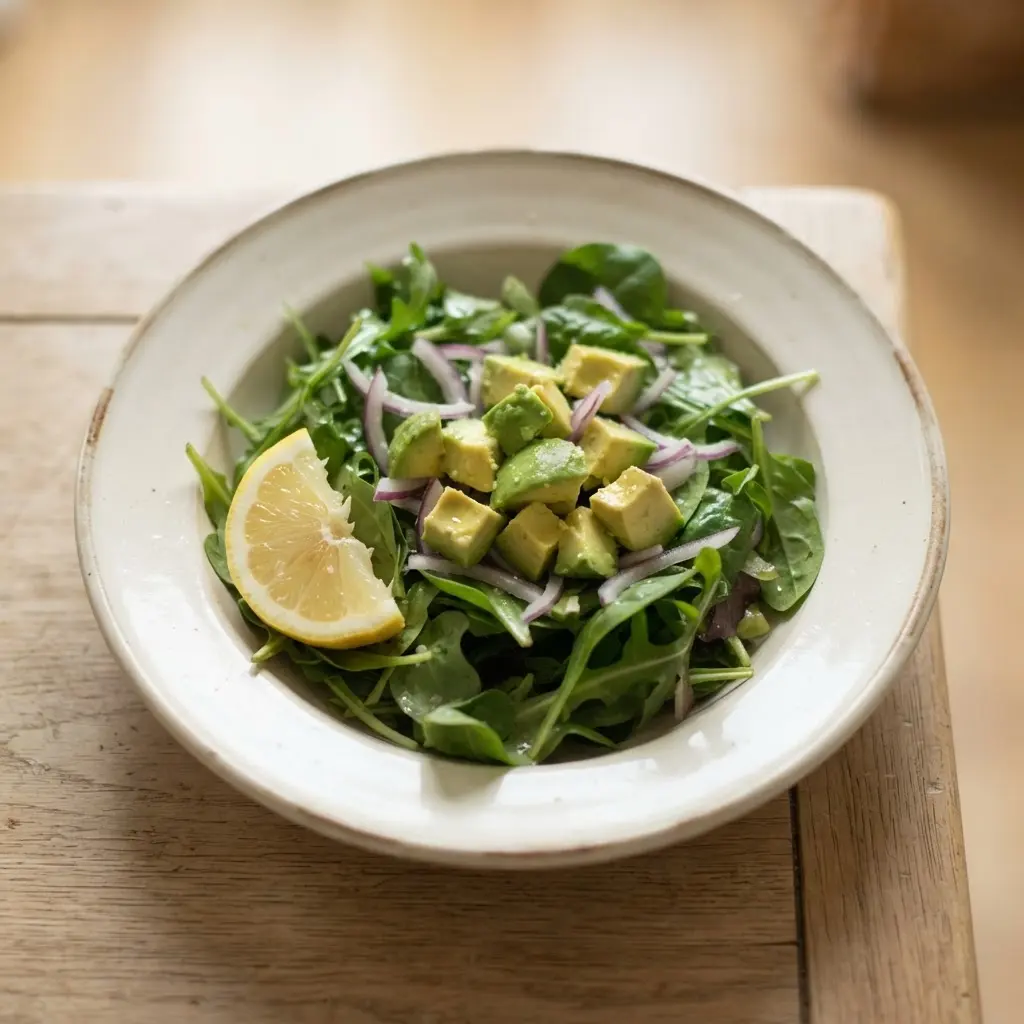
At lunch, replace part of a sandwich with a handful of spinach or a crisp lettuce salad. Choose leafy greens daily to add several nutrients linked with normal brain function. Spinach, kale, and lettuce provide vitamin K, lutein, beta-carotene, folate, nitrate, magnesium, and other plant compounds.
These nutrients work through several paths, proving foods which keep your brain in a good shape rely on natural chemistry. Carotenoids such as lutein help protect cells from oxidative stress. Folate supports normal cell processes.
Nitrates support healthy blood flow, while magnesium contributes to nerve function. Kaempferol, alpha-tocopherol, and chlorophyll add to the range of plant compounds found in greens. Research has associated roughly one to two servings of green leafy vegetables per day with better cognitive performance and a slower rate of age-related decline.
One observational study described the difference as similar to the cognitive performance of someone about 11 years younger. This finding shows an association, not proof of direct cause and effect. Build greens into meals in forms you will eat regularly.
Add chopped kale to soup, fold spinach into eggs, or serve lettuce with beans and whole grains. Combine several types across the week to widen your intake of vitamin K, lutein, beta-carotene, folate, and nitrate. The MIND diet gives green leafy vegetables a regular place within a broader eating pattern.
Keep the wider diet balanced, since leafy greens are not a treatment or guaranteed way to prevent Alzheimer disease or other cognitive disorders. Dietary research shows possible benefits at the pattern level, while individual results vary. Always consult a healthcare professional before making changes to your health routine, focusing on foods which keep your brain in a good shape.
4. Nutrient-Dense Whole Grains and Steady Energy
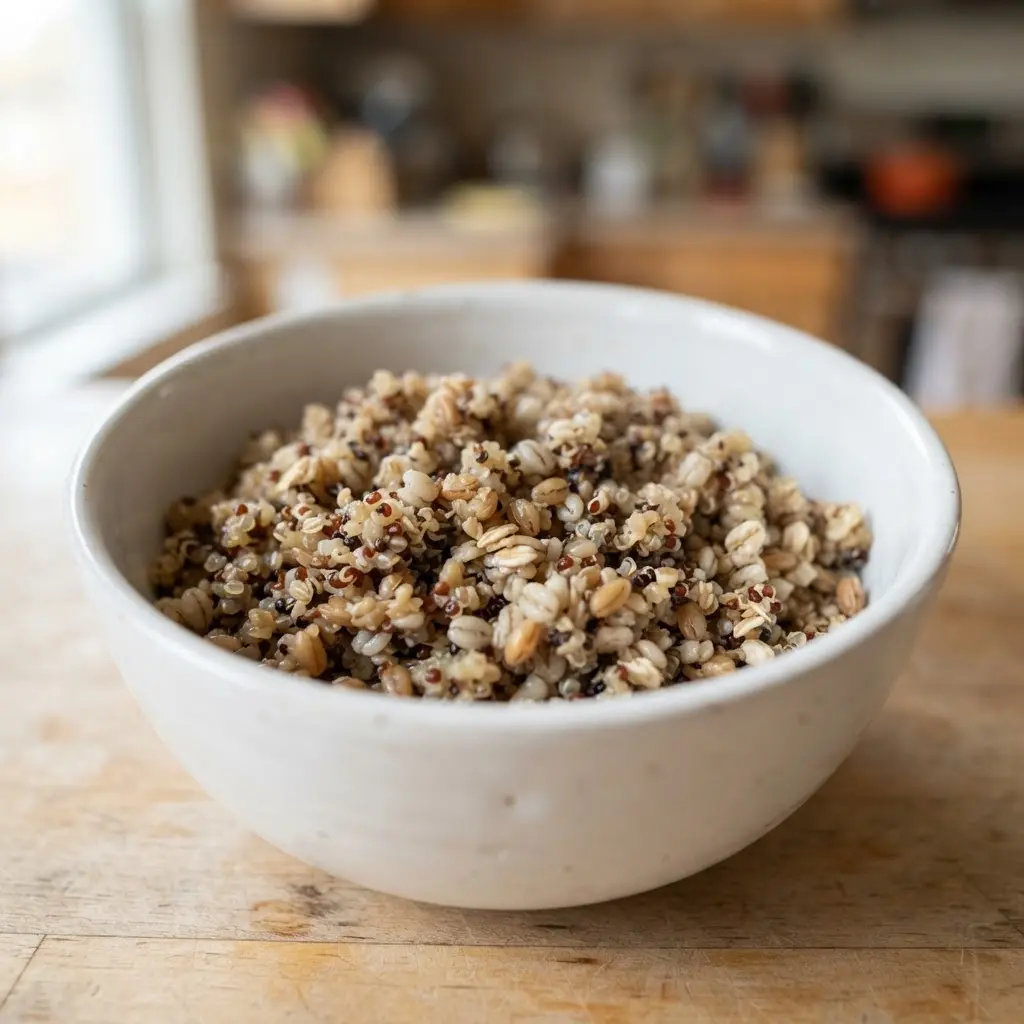
Whole grains are not only a source of carbohydrates, yet they remain essential among foods which keep your brain in a good shape. The bran, germ, and endosperm remain together, providing fiber and B vitamins along with protein, iron, magnesium, phosphorus, zinc, antioxidants, and healthy fats. These nutrients give whole-grain foods more value than refined grain products.
Choose oats, brown rice, barley, or bread made with 100% whole grains, since these are foods which keep your brain in a good shape. Whole-grain carbohydrates digest more slowly than rapidly absorbed sources. This process supports a steadier supply of energy, which can help maintain focus during a long workday or school morning.
B vitamins help convert food into energy, while magnesium supports energy-producing reactions. Research links regular whole-grain intake with a lower risk of stroke, heart disease, type 2 diabetes, and colorectal cancer. These findings show associations, not guarantees.
Overall diet, activity, health status, and other lifestyle factors also affect disease risk. Fiber supports fullness, digestion, and blood-glucose management, while iron supports oxygen transport through red blood cells. Aim for at least three 1-ounce equivalents daily.
Read the ingredient list or package description carefully. Words such as “brown,” “wheat,” or “multigrain” do not confirm whole-grain content. Select products identified as 100% whole grain, and pair them with vegetables, beans, eggs, fish, or other protein foods. Always consult a healthcare professional before making changes to your health routine.
5. Walnuts and Healthy Seeds for Plant-Based Fats
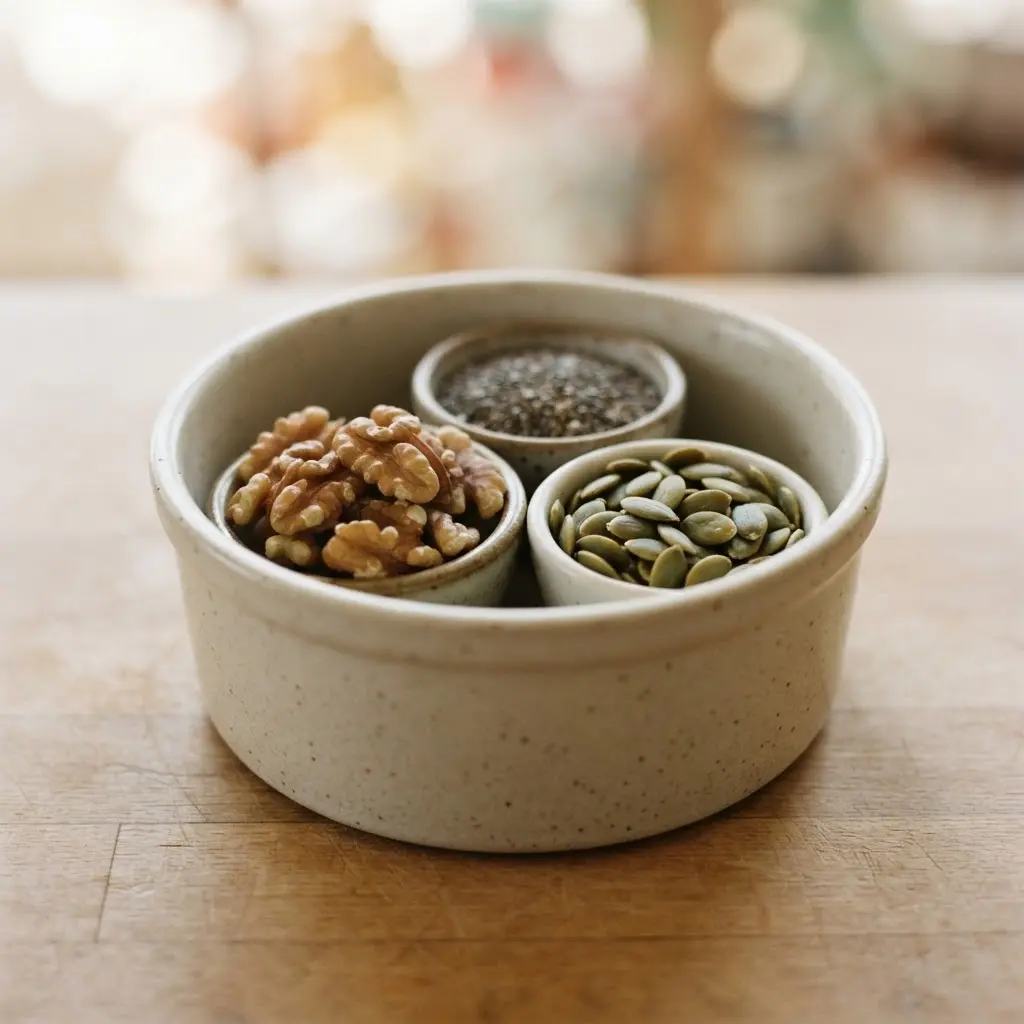
Do walnuts and seeds protect memory? Many experts agree these count as foods which keep your brain in a good shape. These foods still provide plant-based fats, which can fit into a balanced eating pattern. Their presence in a meal does not prove a direct effect on focus, memory, or cognitive decline.
Choose walnuts, chia seeds, flaxseeds, pumpkin seeds, or sunflower seeds as food options rather than treatments. Add a small amount to porridge, yogurt, salads, or whole-grain meals. Avoid treating any one food as a substitute for sleep, regular activity, medical care, or an overall nourishing diet.
Nutrient content differs among foods, so avoid making precise comparisons without a trusted nutrition source. Store nuts and seeds in a cool, dry place, and follow package directions after opening. Refrigeration suits some products, especially ground seeds, because warmth and air affect freshness.
Check for an unusual smell, bitter taste, or visible spoilage before eating. These basic steps address food quality, not cognitive performance. Research supplied for this chapter does not establish whether walnuts or seeds improve brain function.
Use portion awareness rather than relying on an unverified serving target, particularly when these foods are added to several meals. A varied diet offers a more reliable foundation than focusing on one ingredient. Treat claims about omega-3 fats, antioxidants, memory, or focus as questions for a recognised health authority or qualified professional until evidence is confirmed.
6. Choline-Containing Egg Yolks and Memory Support

Egg whites supply protein, while yolks provide a concentrated source of choline. Choose egg yolks when building meals for foods that support brain healing-supportive nutrition. One large yolk supplies a significant share of daily choline needs, although the exact amount varies with egg size and dietary standards.
After digestion, dietary choline enters the body and supports several brain functions. In nerve cells, choline contributes to production of acetylcholine, a neurotransmitter involved in learning and memory. Acetylcholine supports communication between nerve cells.
Choline supports the structure of brain-cell membranes as well, meaning foods which keep your brain in a good shape often contain this nutrient. Healthy membranes help nerve cells send signals efficiently. Serve eggs boiled, scrambled, or poached, and pair them with vegetables, whole grains, fruit, or other foods rich in vitamins, minerals, antioxidants, and omega-3 fats.
A balanced meal provides broader nutritional support than egg yolks alone. During pregnancy, adequate choline supports fetal brain development, including the formation of structures linked with memory. Discuss pregnancy nutrition needs with a qualified healthcare professional before changing your diet.
Always consult a healthcare professional before making changes to your health routine. Research suggests choline supports biological processes linked with memory, but eating egg yolks does not guarantee sharper recall or protection from cognitive decline. Sleep, exercise, stress, mental activity, age, genetics, medical conditions, medications, and the overall diet also shape memory.
Treat egg yolks as one useful food within a varied eating pattern, not as a standalone memory treatment, while remembering to prioritize foods which keep your brain in a good shape.
7. Extra Virgin Olive Oil in MIND-Style Eating

A common mistake is treating extra virgin olive oil as a standalone answer for brain health, instead of viewing it alongside other foods which keep your brain in a good shape. Use extra virgin olive oil as the main cooking fat within the MIND pattern, replacing butter, margarine, and other fats higher in saturated fat. MIND stands for Mediterranean-DASH Intervention for Neurodegenerative Delay.
The pattern also includes berries, beans, fish, nuts, leafy greens, and lean poultry. Choose olive oil for sautéing, roasting, bean dishes, fish recipes, and salad dressings. Adding oil to vegetables improves flavor and texture, which supports regular vegetable intake.
Oil also helps the body absorb fat-soluble nutrients, including carotenoids found in some vegetables. Phenolic compounds from the oil may move into vegetables during cooking, though this does not make one meal a treatment. Research suggests an association between higher olive oil intake and lower dementia-related mortality.
Studies involving replacement of margarine with olive oil point toward a useful dietary swap, yet observational findings do not prove dementia prevention. Possible effects on the gut-brain axis remain under study and should not be presented as established treatment. Store olive oil in a dark container with the cap tightly closed.
Keep the bottle away from heat and direct light. Replace butter or margarine with a measured amount instead of adding oil on top of the usual diet, since olive oil is calorie-dense. Choose extra virgin oil for naturally occurring phenolic compounds, and combine it with other plant oils when cost limits regular use.
8. Dark Chocolate and Cocoa for Antioxidant Support
Choose cocoa-rich dark chocolate over milk chocolate when you want more cocoa polyphenols, as these rank among foods which keep your brain in a good shape. Cocoa contains flavanols, a group of plant compounds linked with antioxidant and anti-inflammatory activity. Antioxidants help counter oxidative stress, while anti-inflammatory activity supports healthy cell processes.
Research on why dark chocolate helps focus is still developing, so do not expect a guaranteed change in memory or concentration. Digestion breaks cocoa polyphenols into smaller compounds. These compounds may influence the gut microbiota and encourage beneficial bacteria linked with lower inflammation.
Cocoa flavanols also support nitric oxide release. Nitric oxide relaxes blood vessels, which supports blood flow. These effects explain why cocoa receives attention in research on cardiovascular and brain health.
Read the nutrition label before buying a chocolate bar. A high cocoa percentage does not prove high flavanol content because roasting, processing, and formulation change the final amount. Cocoa powder, cocoa-rich dark chocolate, and highly processed chocolate are not interchangeable.
Select products with cocoa listed prominently, then check sugar, fat, and calorie content. Keep servings modest because dark chocolate remains calorie-dense. Treat cocoa as a food source of polyphenols, not as a treatment for memory problems, inflammation, or poor circulation.
Always consult a healthcare professional before making changes to your health routine, remembering to prioritize foods which keep your brain in a good shape.
Building A Sustainable Weekly Eating Pattern
Plan three fish-free meals around beans, eggs, or lentils each week, then add seafood when it fits your budget and preferences, remembering foods which keep your brain in a good shape require variety. Keep frozen berries, spinach, oats, and unsalted nuts available so a busy day does not push you toward ultra-processed snacks. A simple breakfast of oats with berries and seeds adds fiber and polyphenols, while an egg provides choline and protein.
At lunch, combine leafy greens with beans and whole grains for a filling meal. Dinner feels more balanced when vegetables share the plate with seafood, tofu, or poultry. Check labels for high sodium, added sugar, and unhealthy fats in packaged foods.
Small, repeatable choices matter more than perfect menus. Rotate colors and protein sources through the week to support dietary diversity without making meals complicated.
Conclusion
Your everyday meals give you a simple way to care for memory, focus, and long-term brain health, especially when you prioritize foods which keep your brain in a good shape. Foods which keep your brain in a good shape fit into familiar meals, so healthy eating does not need to feel strict or costly. Add berries to breakfast, choose whole grains at lunch, or serve leafy greens with dinner.
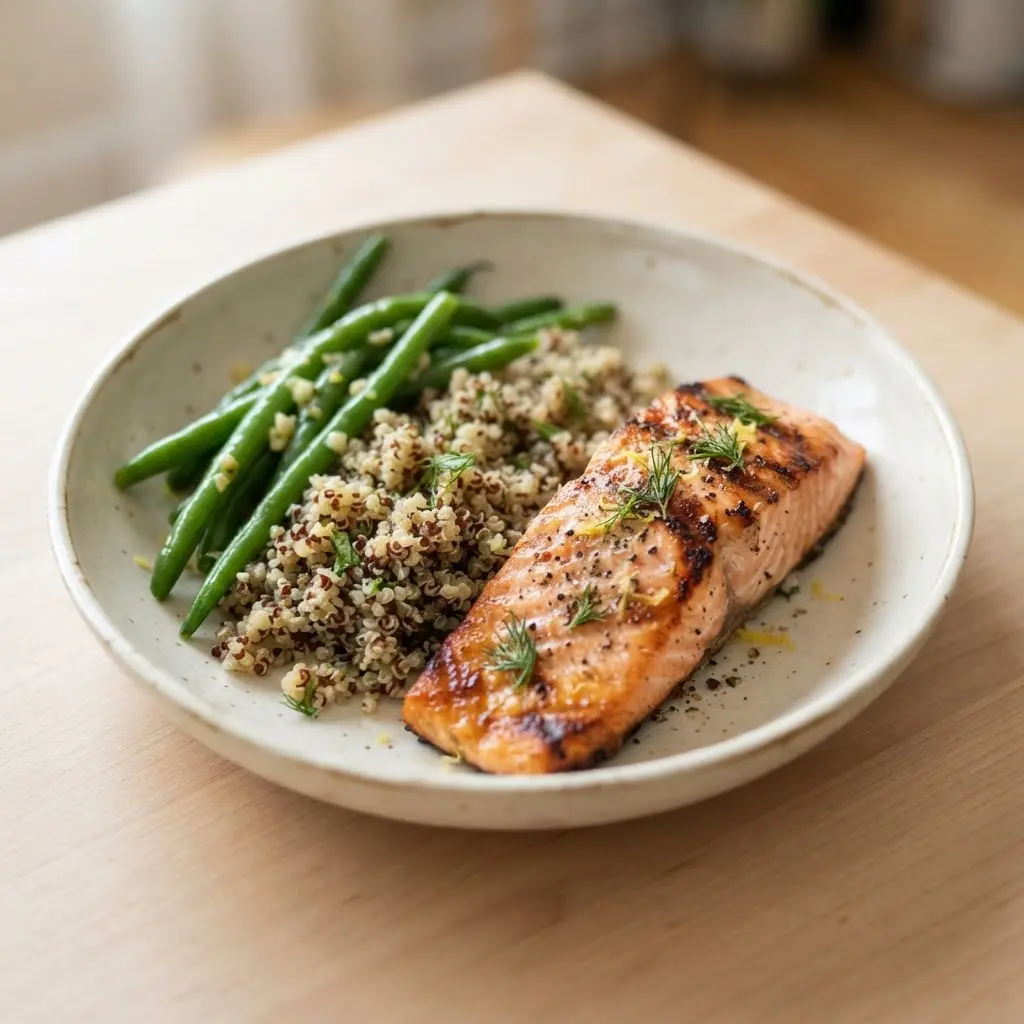
A small change repeated often is easier to keep than a complete food overhaul. For your next step, pick two foods from this list and plan where they will fit into your week, focusing on foods which keep your brain in a good shape. Pairing foods also helps create balanced meals, such as salmon with greens or walnuts with fruit and oats.
Keep portions sensible and choose variety across the week. Your meals do not need to be perfect to support your goals. Start with one nourishing choice today, then build from there with patience and care.
FAQs
Q: What foods support memory and focus each day?
A: Fatty fish, berries, leafy greens, whole grains, walnuts, eggs, olive oil, and unsweetened cocoa all fit a brain-friendly eating pattern. Include a mix across meals rather than relying on one food.
Q: How often should I eat fatty fish for brain health?
A: Many nutrition guides suggest two fish servings each week, with one or more servings from oily fish such as salmon, sardines, or trout. Choose lower-mercury options and vary your seafood choices.
Q: What portion of berries fits a balanced snack?
A: About one cup of fresh or frozen berries suits many snack portions. Pair berries with plain yogurt, oats, or a small handful of walnuts for added protein and healthy fat.
Q: Are eggs helpful for cognitive health?
A: Egg yolks contain choline, a nutrient used in brain cell function. Eggs fit well into a balanced meal alongside vegetables, whole grains, or beans.
Q: Is dark chocolate a healthy brain food?
A: Dark chocolate with a high cocoa content contains flavanols and less sugar than milk chocolate. Keep the portion small and choose products with a short ingredient list.