Feeling satisfied matters when you want steady weight loss. Beans, eggs, Greek yogurt, vegetables, fruit, fish, and whole grains bring useful nutrients along with lasting fullness. Their fiber and protein slow digestion, while water-rich foods add volume to meals.
I’ll walk you through 20 simple choices, plus easy ways to pair them. Let’s make healthy eating more satisfying, practical, and enjoyable. Start with the foods you already like, then add one new choice to your next meal.
Understanding Fullness Beyond Calorie Restriction
Pairing 25 to 30 grams of protein with vegetables at a meal often keeps hunger quieter than cutting calories alone. A plate with protein-rich foods such as eggs, Greek yogurt, fish, poultry, beans, or lentils supports fullness without relying on a tiny portion. Fullness does not guarantee fat loss because daily intake, movement, sleep, stress, medicines, and health conditions also shape weight.
Foods with low energy density, such as leafy greens, berries, and broth-based soup, fill more space for fewer calories. Juice removes much of fruit’s fiber and provides an easy-to-drink source of calories. Sweetened yogurt and packaged snacks deserve attention because added sugar raises calories without matching fullness.
Your hunger cues still matter, and severe restriction often leads to rebound eating. You can build steady plates with foods that will make you thin but also full. Many readers notice better energy when they stick to foods that will make you thin but also full. Tracking meals helps you see how foods that will make you thin but also full work for your routine.
Building Meals With Protein And Fiber
Combining a palm-sized protein serving with a fiber-rich carbohydrate and water-rich produce gives meals more staying power, especially when you choose foods that will make you thin but also full. Beans, lentils, oats, potatoes, and whole grains supply carbohydrate alongside soluble fiber, which slows digestion and adds bulk.
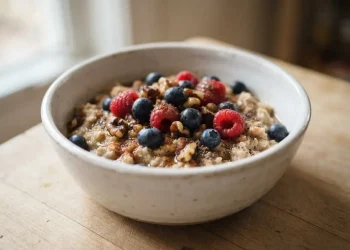
Eggs, fish, poultry, and plain Greek yogurt support muscle maintenance during calorie reduction, especially alongside resistance exercise. A bowl of oats with yogurt and berries offers a different balance from a bean and vegetable soup, yet both combine filling nutrients.
Nuts and seeds add unsaturated fats, while their calorie density calls for modest portions. Add leafy greens or cruciferous vegetables for volume without making the meal heavy. Balanced plates work better than removing all carbohydrates, since fiber-rich carbohydrates support steady energy and satisfaction. You will find that foods that will make you thin but also full fit these rules easily.
1. High-Fiber Cruciferous Vegetables for Fuller Meals
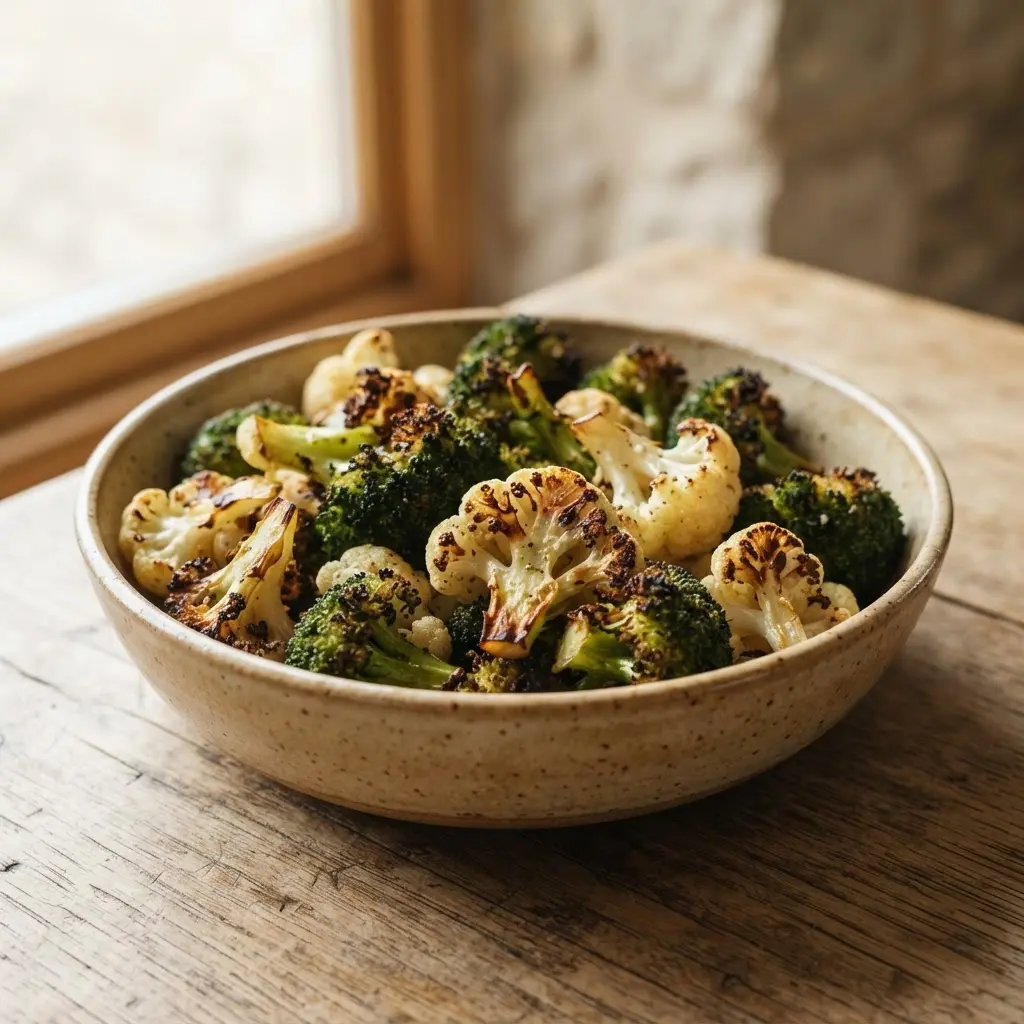
A common mistake is assuming all cruciferous vegetables provide the same amount of fiber. Choose broccoli, kale, and Brussels sprouts to add volume and texture without many calories. Per 100 grams, raw kale provides about 4.1 grams of fiber, while broccoli provides about 2.4 grams. These vegetables stand out among foods that will make you thin but also full for their bulk.
Steam broccoli, cauliflower, or cabbage for a tender side, or add raw kale and cabbage to a salad. One cup of boiled broccoli provides about 5 grams of fiber. Build a plate with vegetables, protein, and whole grains. Research suggests fiber-rich meals support satisfaction and regular bowel movements.
Increase portions gradually and drink enough water, since a sudden fiber increase often causes gas or digestive discomfort. Choose gradual fiber increases when changing your meals. People with digestive conditions should follow advice from a qualified healthcare professional. Track your meals to see how foods that will make you thin but also full work for you.
2. Lean Poultry Protein Sources for Satisfying Plates
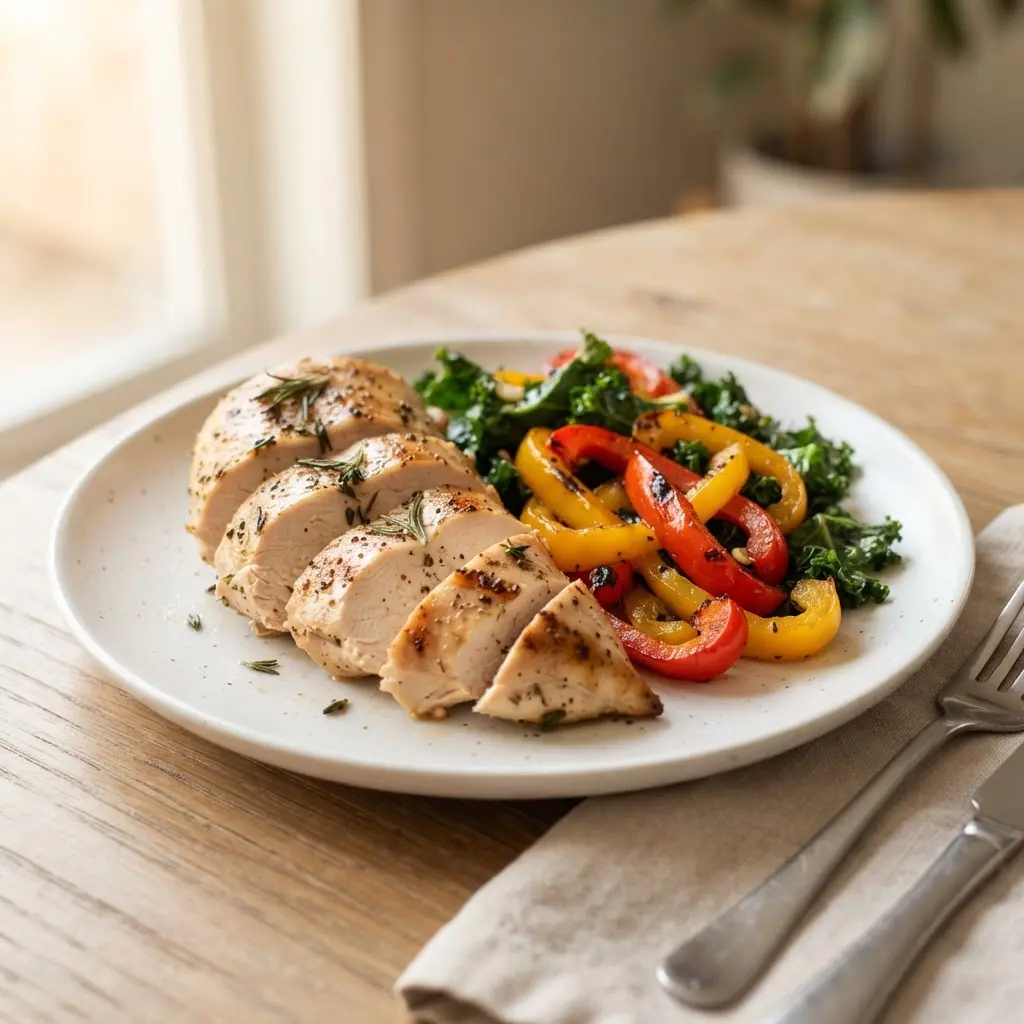
Choose skinless chicken breast first. The cut supplies lean protein with little fat and fits sandwiches, stir-fries, and mixed plates. Replace chicken with turkey breast for similar meals. Slice cooked poultry over vegetables, beans, or whole grains to build a filling plate.
Protein gives the meal structure, while fiber-rich sides add volume and slower digestion. Poultry ranks high among foods that will make you thin but also full. You can pair poultry with sides from the list of foods that will make you thin but also full. A balanced plate often uses foods that will make you thin but also full to keep hunger away.
Remove the skin from thighs or duck breast before cooking. Skinless thighs have more fat than breast meat, while skinless duck offers richer taste and iron. Choose ground turkey labeled 93% lean or higher, since packages vary. Research suggests protein-rich meals improve fullness, so lean poultry offers a practical base for weight-management meals. Lean meat works well with foods that will make you thin but also full for dinner prep.
Balance each serving with produce and a high-fiber starch.
3. Water-Rich Fresh Fruits for Everyday Fullness
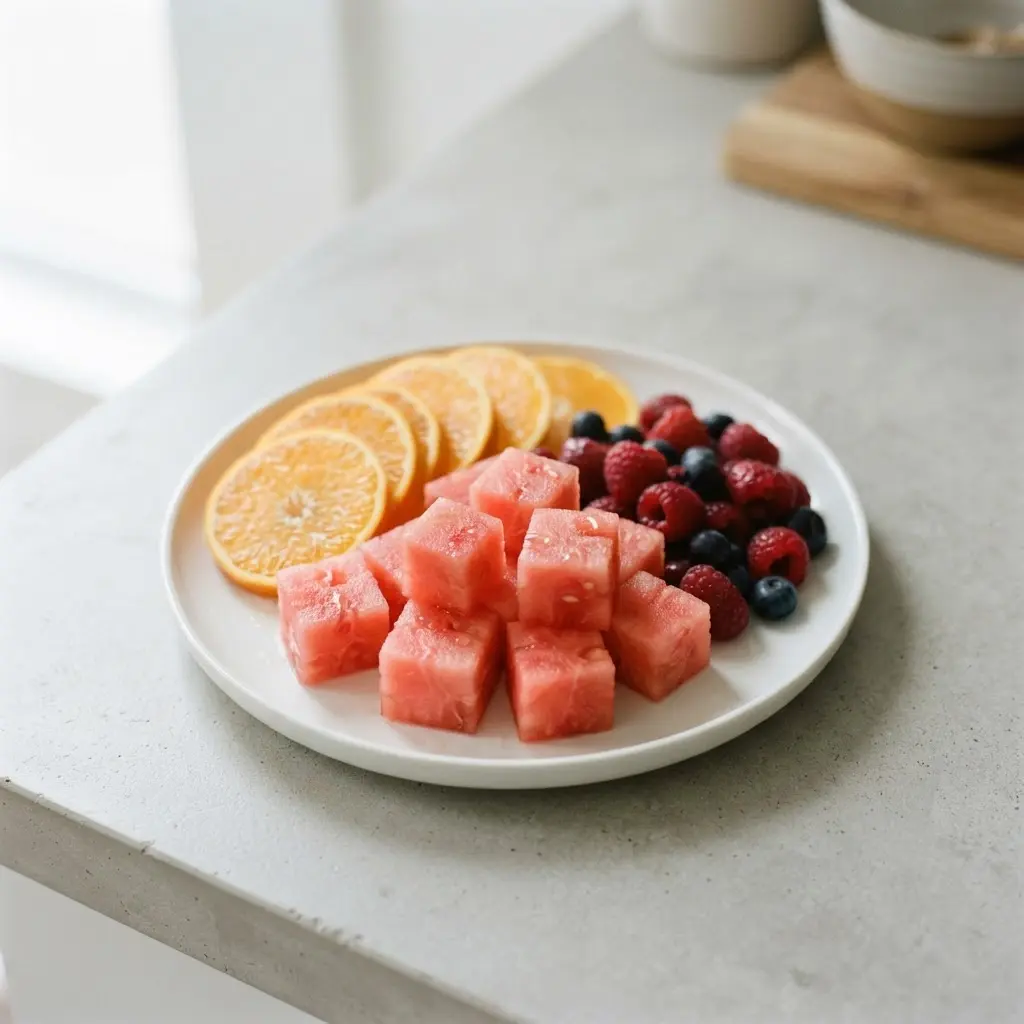
At 3 p.m., choose whole fresh fruit instead of a low-fiber snack. Watermelon, cantaloupe, strawberries, oranges, peaches, and berries add fluid and volume with relatively few calories. Fiber in strawberries, grapefruit, oranges, peaches, blueberries, and raspberries adds texture and helps a snack feel more satisfying. Fruits shine as foods that will make you thin but also full for quick snacks.
Serve orange segments or sliced peaches at breakfast, or pack watermelon cubes for an afternoon snack. Eat fruit whole rather than relying on juice, since chewing preserves its structure and fiber. Portion pineapple carefully when exploring foods that will make you thin but also full. Fruit fits perfectly with foods that will make you thin but also full.
Keep cut fruit refrigerated, and ask a pharmacist before eating grapefruit regularly because grapefruit interacts with some medicines. Always consult a healthcare professional before making changes to your health routine.
4. Satiety-Boosting Whole Grains for Steady Energy
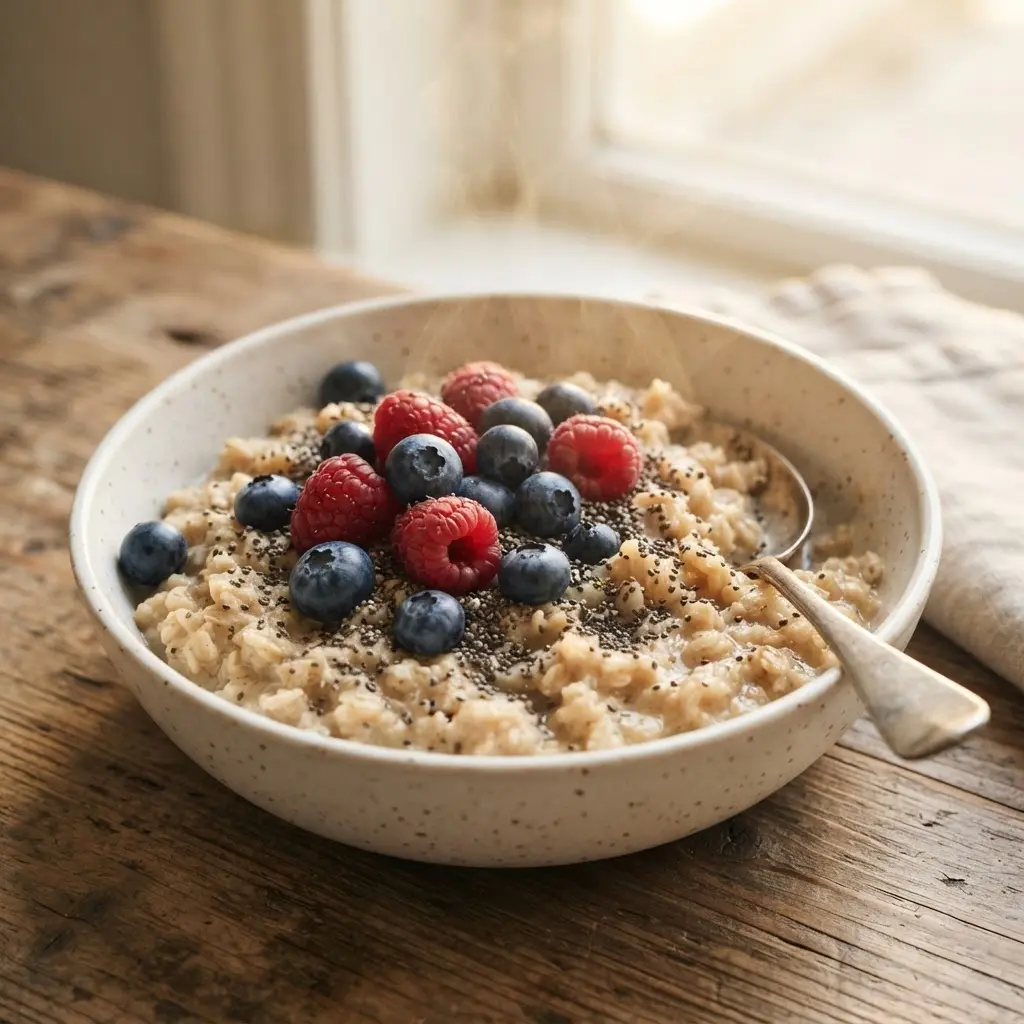
Whole grains do not automatically cause weight loss. Their real value is stronger fullness, not a guaranteed drop in calories. Choose intact whole grains such as oats, barley, brown rice, corn, or rye. Bran, germ, and endosperm stay together, so digestion proceeds more slowly than with many refined products.
Fiber adds bulk and supports steadier hunger control. Research suggests rye and oat fibers have stronger appetite effects than some other cereal fibers. Whole-grain rye porridge has produced prolonged fullness for up to 8 hours compared with refined wheat bread.
Build meals around a whole-grain base, then add vegetables and a protein source. Check labels for high fiber and choose less-milled grains when practical. Check labels carefully to find foods that will make you thin but also full at the store. Track your results when adding foods that will make you thin but also full to your routine.
5. Nutrient-Dense Legume Varieties for Filling Meals
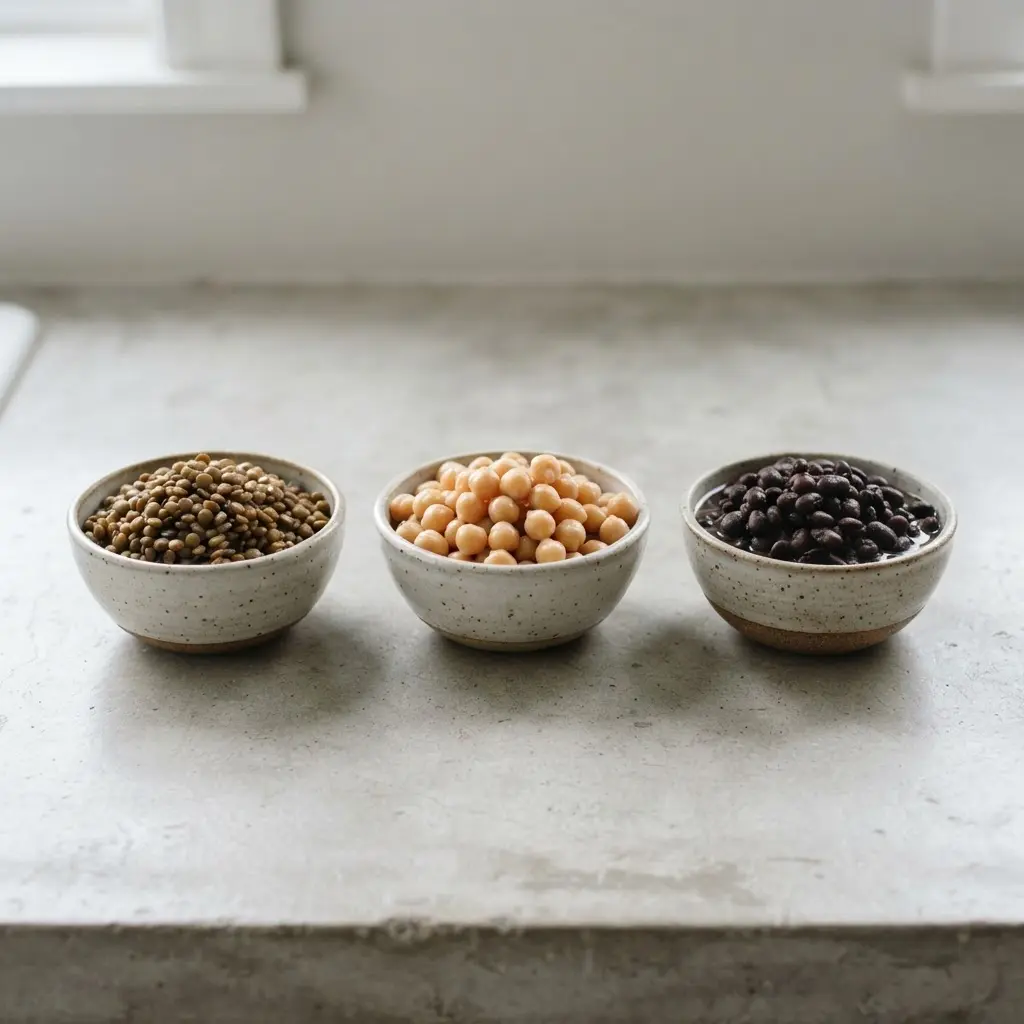
Which legumes keep a meal satisfying? Choose varied legumes, because protein and dietary fiber slow digestion and support fullness between meals. Lentils offer iron and folate, while chickpeas provide manganese and folate. Beans and lentils are top foods that will make you thin but also full.
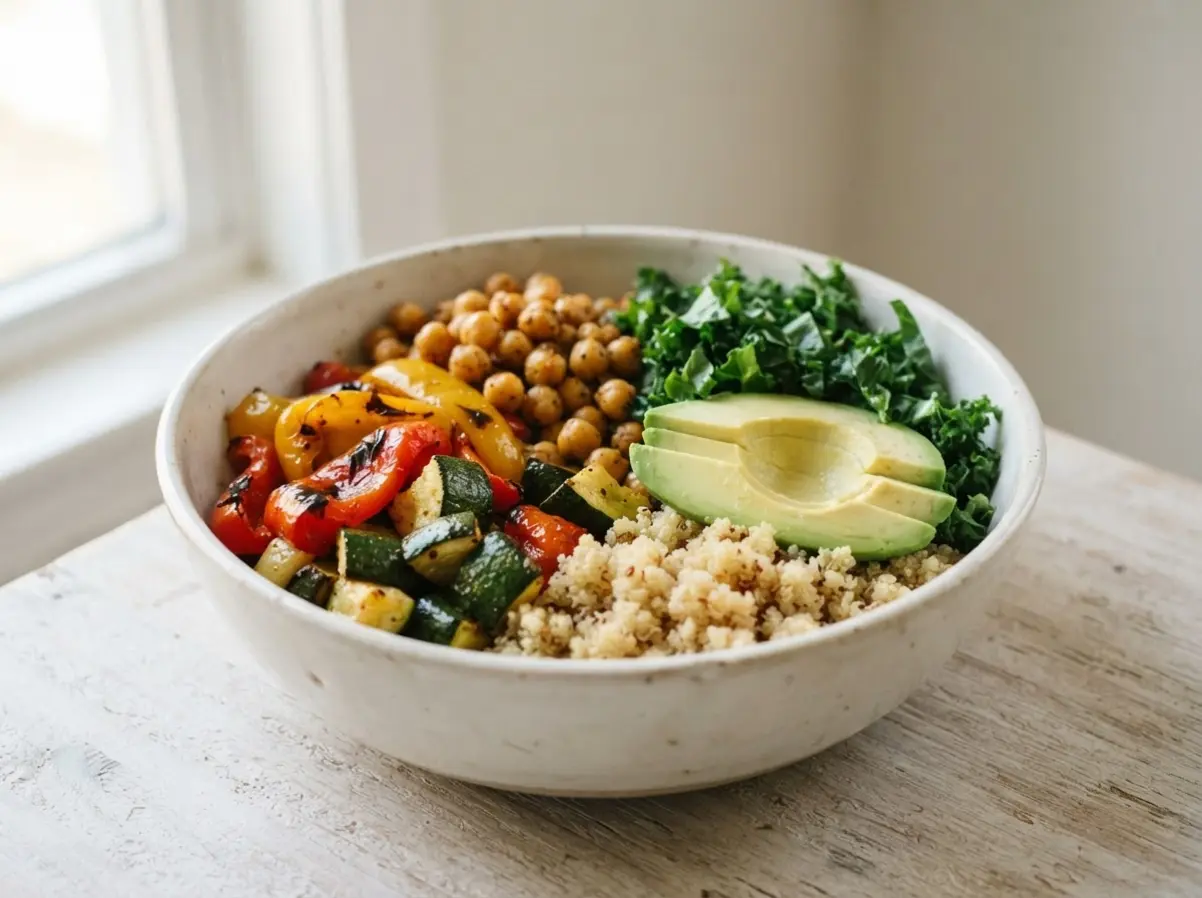
Black, kidney, and pinto beans add protein, fiber, and complex carbohydrates. Build a bowl with a half cup of cooked legumes, vegetables, and a modest portion of grains. Legume bowls fit neatly into meals focused on foods that will make you thin but also full.
Use red lentils for a soft curry, green or brown lentils for salads, and black lentils for a firmer texture. Add chickpeas to salads, roast them for a snack, or blend them into hummus. Steam shelled edamame or add it to stir-fries. Black-eyed peas fit soups and traditional dishes. Soups and stir-fries showcase foods that will make you thin but also full for busy nights.
Research suggests protein-and-fiber meals support longer-lasting fullness, which helps manage hunger during weight loss. Rinse canned beans to reduce excess sodium. Rinsing beans helps keep foods that will make you thin but also full lower in salt.
6. High-Protein Greek Yogurt for Creamy Satiety
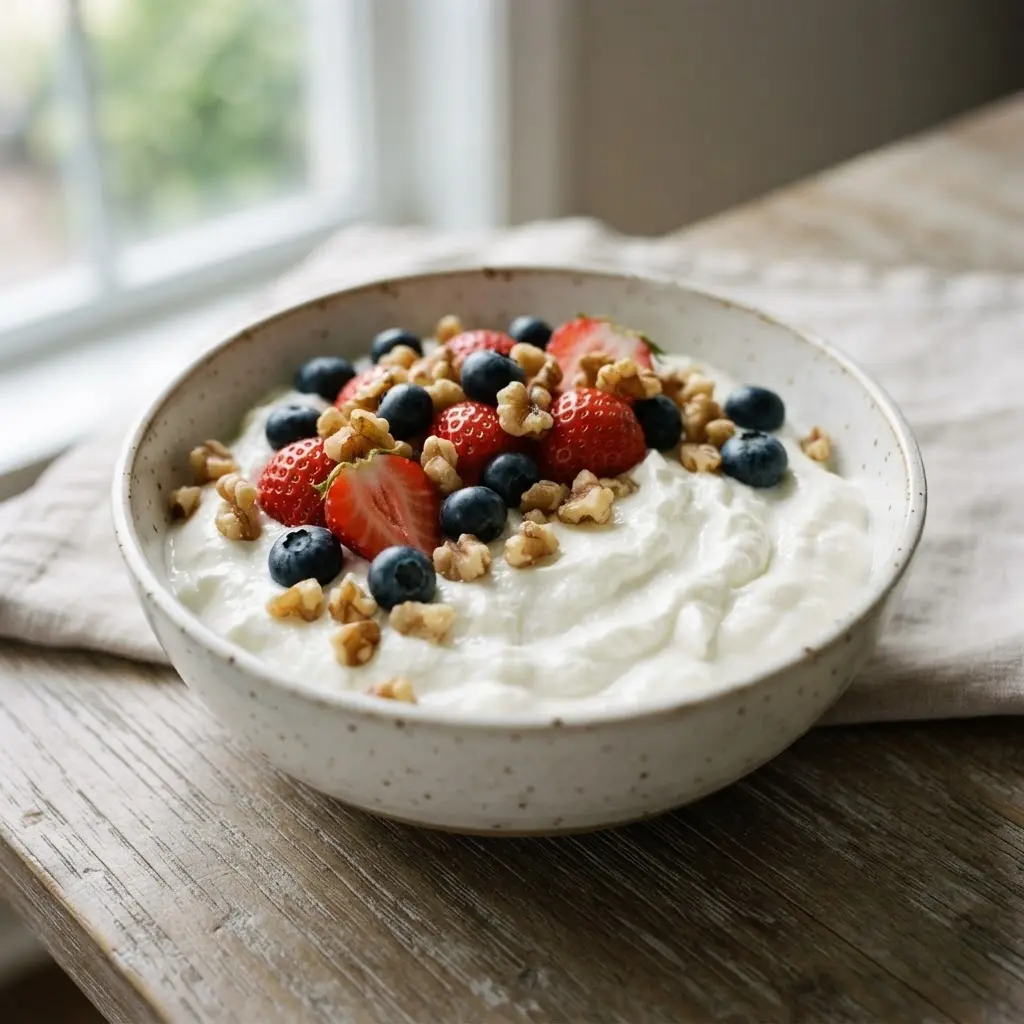
A bowl of plain Greek yogurt is thicker than many sweetened yogurt desserts, but nutrition labels differ. Choose unsweetened Greek yogurt and compare the protein, added sugar, and balanced calorie meal plan for one serving. Use the serving size shown on the container rather than assuming every tub has the same nutrition. Add berries or sliced fruit for flavor, while keeping portions aligned with your daily needs.
Protein content varies across products, so the phrase high-protein does not guarantee a fixed amount. Research supplied for this topic does not establish a specific satiety effect or weight-loss result. Evidence around protein-rich foods often guides meal planning, yet individual appetite responses differ. Planning ahead with foods that will make you thin but also full takes practice.
Treat yogurt as one food within a balanced meal, not as a stand-alone solution for becoming thinner. Check ingredients for sweeteners and choose a plain option when reducing added sugar is your goal. Plain options rank high on lists of foods that will make you thin but also full. Many guides list yogurt as one of the best foods that will make you thin but also full for mornings.
7. Healthy Monounsaturated Fat Sources for Balanced Meals
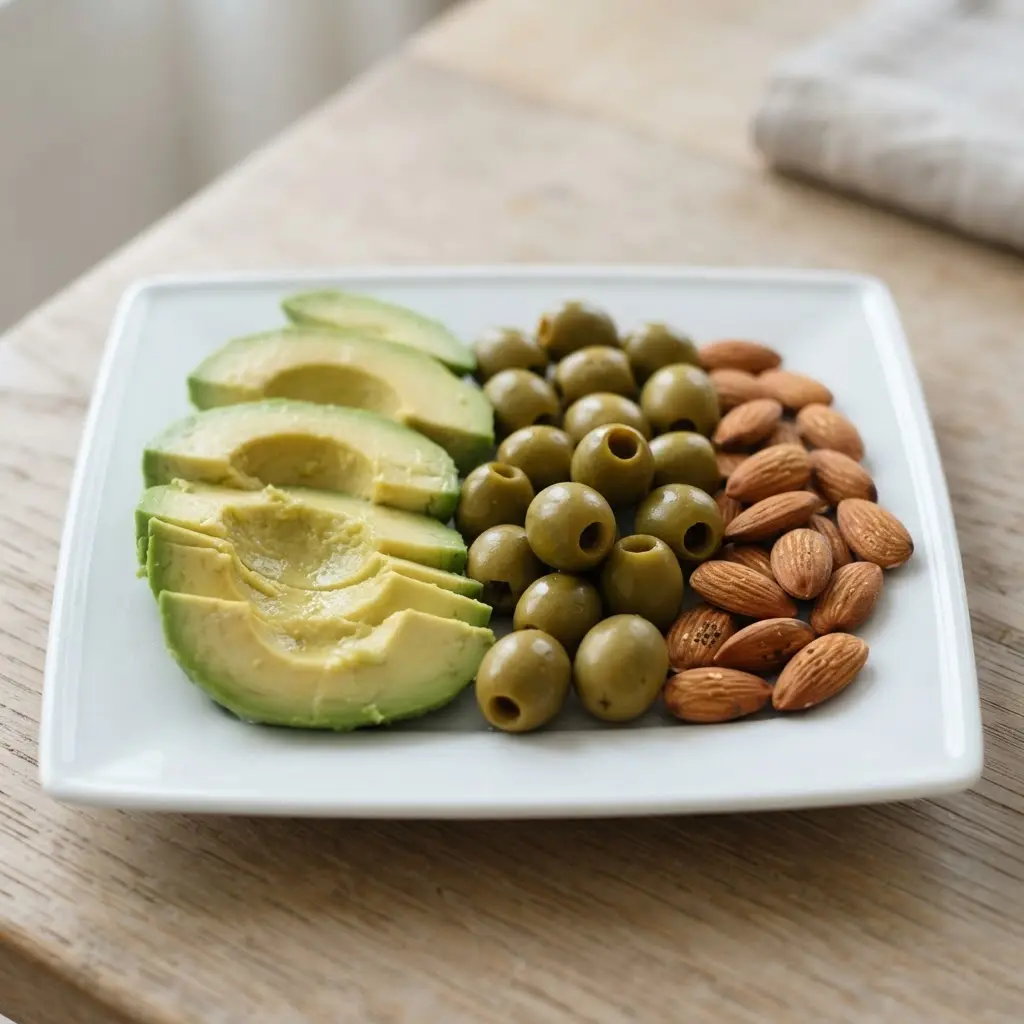
A common mistake is treating healthy fats as unlimited. Correct this by choosing moderate portions and pairing them with vegetables, beans, whole grains, or lean protein. Add avocado to a bean bowl, drizzle extra-virgin olive oil over salad, or add olives to a grain meal. Fats work best when mixed with foods that will make you thin but also full.
Use measured additions for energy-dense foods. Choose almonds, cashews, pecans, macadamia nuts, chia seeds, flaxseeds, or pumpkin seeds beside a meal or snack. Spread peanut butter on fruit or whole-grain toast. Select dark chocolate with at least 70% cocoa and keep the serving modest. Measured snacks from the group of foods that will make you thin but also full work well here.
Prepare avocado in varied ways with healthy fat-rich recipes, then keep the rest of the plate balanced. No single fat source supplies every nutrient needed. Avocado pairs well with foods that will make you thin but also full. These foods support balanced eating, but they do not guarantee weight loss or make someone thin on their own.
8. Low-Calorie Broth Soups for Warm, Filling Portions
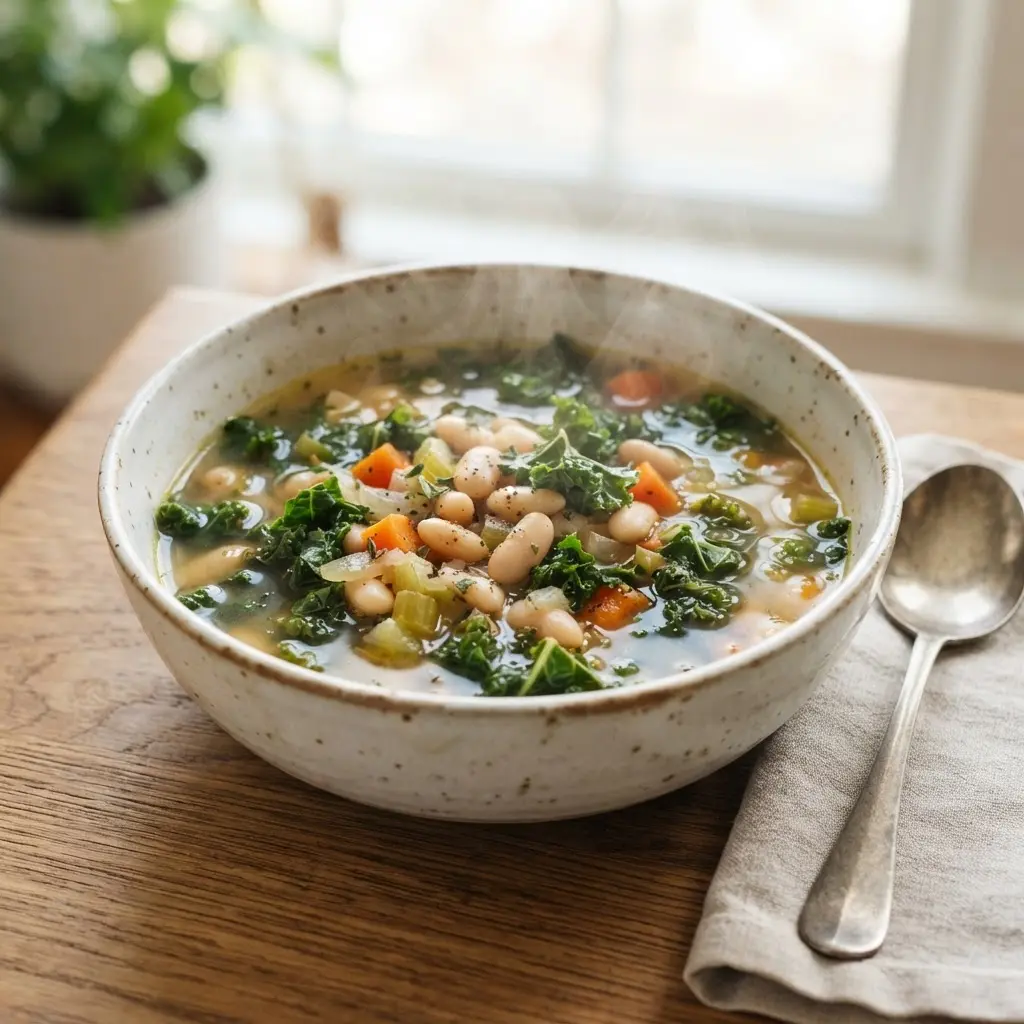
Build your bowl around clear broth, then add non-starchy vegetables and lean protein. Use carrots, celery, zucchini, bok choy, or leafy greens for volume, and add shredded chicken breast, tofu, or fish for staying power. Simmer firm vegetables first and add spinach or silken tofu during the final few minutes. Broth soups are simple examples of foods that will make you thin but also full.
Choose low-sodium broth when available, since prepared broth, dashi, and miso often contain considerable sodium. Check labels and keep oils, fatty meats, and noodle portions measured. Broth bases support foods that will make you thin but also full. Herbs add flavor to foods that will make you thin but also full.
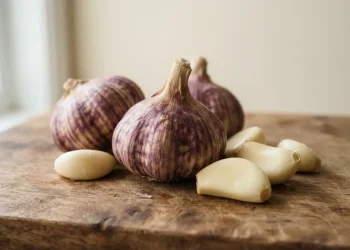
Research suggests meals with high-volume vegetables and protein often provide greater fullness than broth alone. Use ginger, garlic, scallions, herbs, turmeric, or lime for flavor without a creamy base.
9. Omega-Three Rich Fish for Protein-Filled Dinners
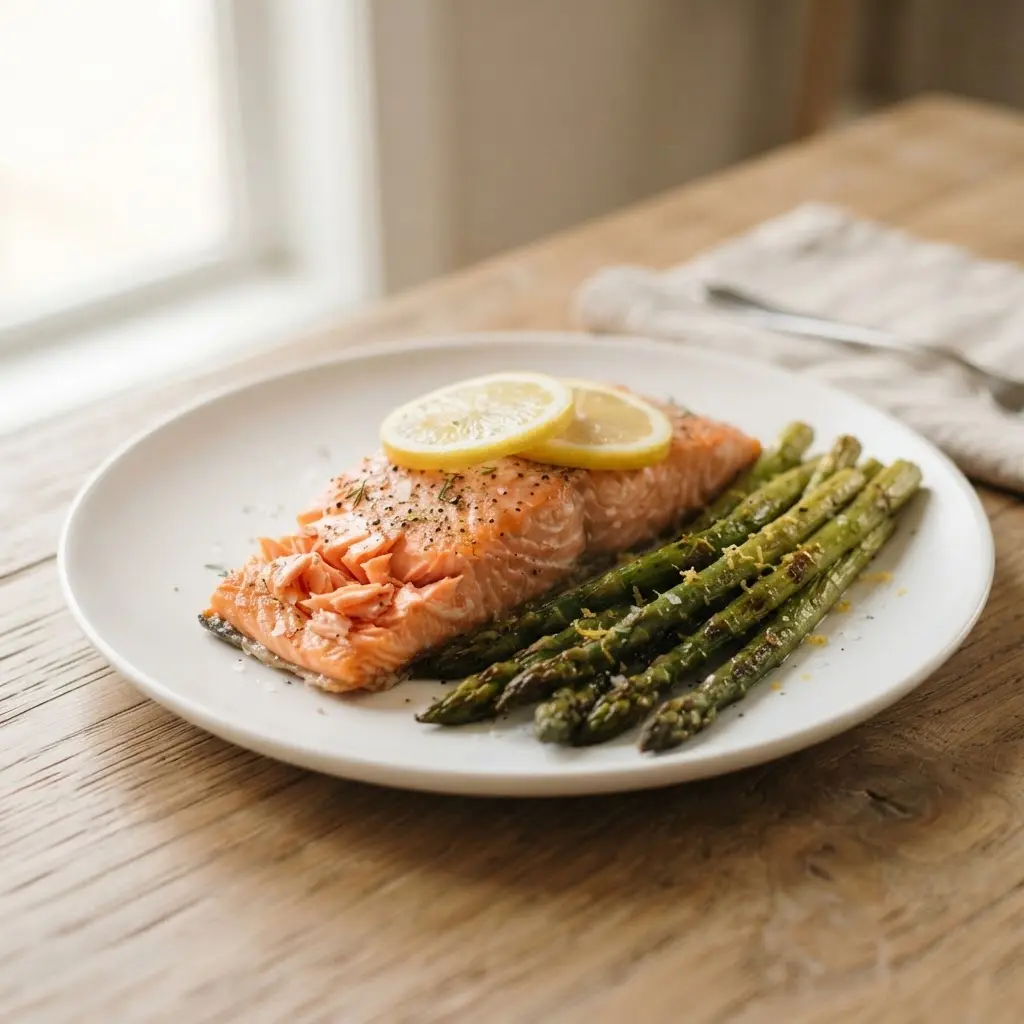
At 6 p.m., choose salmon for a dinner built around protein and healthy fats. A 3-ounce cooked portion supplies about 17 to 19 grams of protein, while trout offers about 17.7 grams. Canned light tuna provides about 21.7 grams per 3 ounces. These options support a filling meal without deep-frying.
Use baking, grilling, or broiling to limit added fat. Keep portions clear: 4 ounces raw becomes about 3 ounces cooked. Mackerel, sardines, and herring add omega-3 fats and protein, while trout is often low in mercury. Cooking fish simply matches the style of foods that will make you thin but also full.
Research supports eating fish rich in healthy unsaturated fats at least twice weekly, a pattern consistent with Mediterranean diet principles. Treat these figures as general nutrition information, not a promise of weight loss. General tips point to foods that will make you thin but also full for healthy plates.
10. Appetite-Suppressing Chia Seeds for Fiber-Rich Snacks
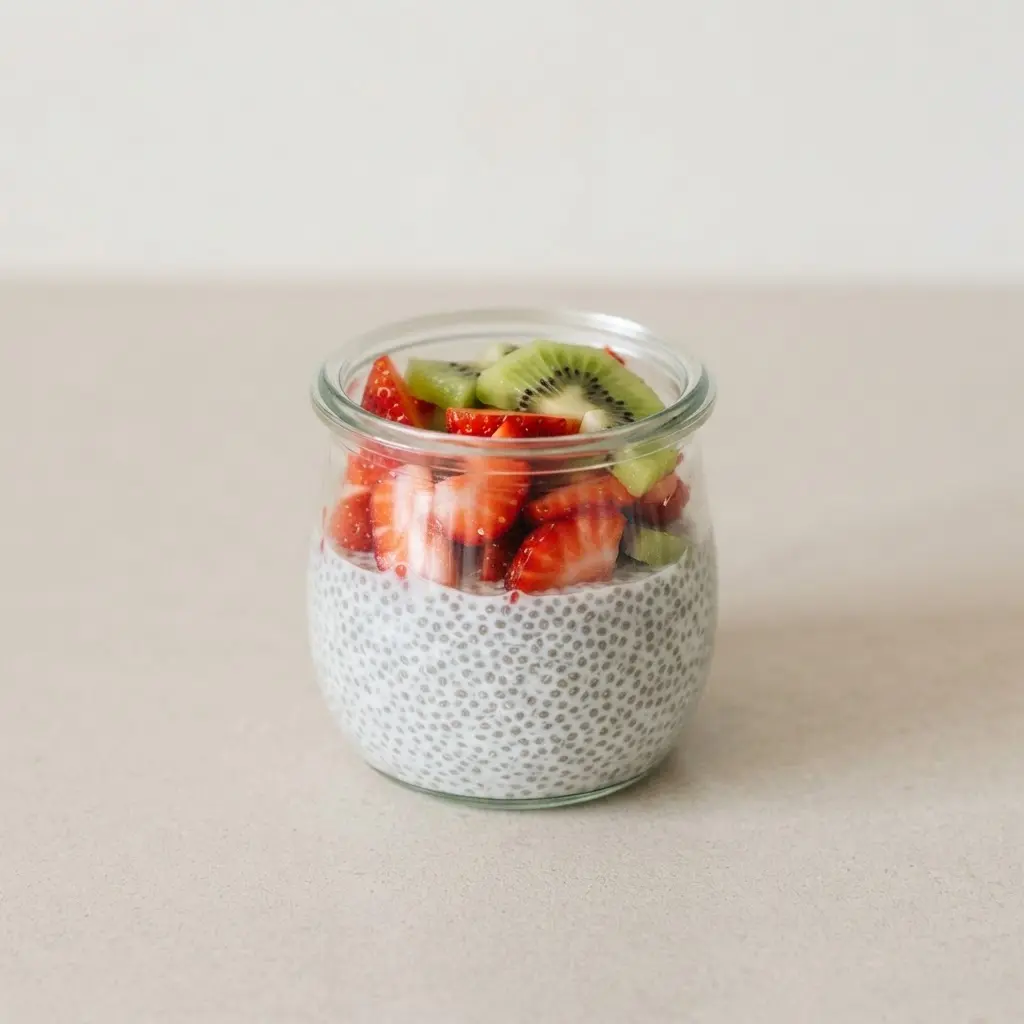
A common belief says chia seeds melt away body fat. The truth is more limited: their fiber and liquid-absorbing gel often increase fullness, but weight loss is not guaranteed. Use soaked chia seeds when you want a thicker, more filling snack. Chia pudding fits neatly into meals using foods that will make you thin but also full.
Two tablespoons provide about 9.8 grams of dietary fiber. Mix the seeds with milk or yogurt, then let the mixture rest until it thickens into chia pudding. Start with 1 tablespoon daily if your usual diet contains little fiber, then increase the amount as tolerated. Sprinkle chia seeds over yogurt, blend them into smoothies, or stir them into soup. Smoothies work well with foods that will make you thin but also full.
Research suggests a mid-morning chia snack might increase satiety and reduce later food intake, though results differ between people. Morning routines often use foods that will make you thin but also full for steady energy. Always consult a healthcare professional before making changes to your health routine.
11. Metabolism-Supporting Spicy Peppers for Flavorful Meals
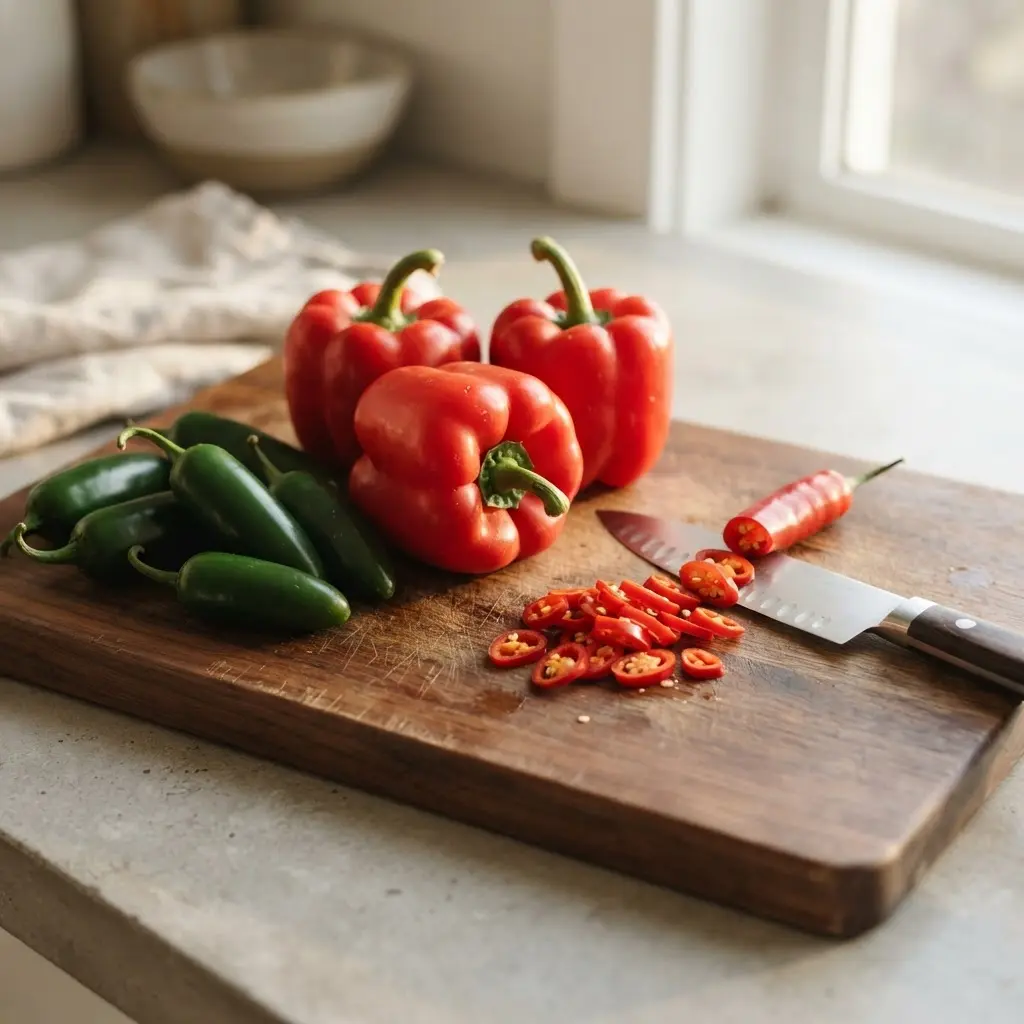
Do spicy peppers support weight control while keeping meals satisfying? They offer a modest effect, not a shortcut. Capsaicin stimulates the sympathetic nervous system, which raises heat production and energy use. Research suggests culinary red pepper may lessen the usual drop in energy expenditure during reduced calorie intake. Spice pairs nicely with foods that will make you thin but also full.
Add a small amount of fresh chili to beans, soups, vegetables, whole grains, or lean-protein meals. Capsaicin may support fat oxidation, meaning the body uses more stored or dietary fat for energy. Protein-rich meals also tend to provide stronger fullness, so pair peppers with eggs, fish, tofu, chicken, or beans. Pairing peppers works with foods that will make you thin but also full.
Research supports ordinary cooking amounts, not concentrated supplements or extreme heat. Begin with a small serving and increase only if comfortable. Excess spice can cause discomfort and does not promise greater results. Always consult a healthcare professional before making changes to your health routine. Comfort meals still use foods that will make you thin but also full.
12. Plant-Based Tofu Options for Complete Meal Plates
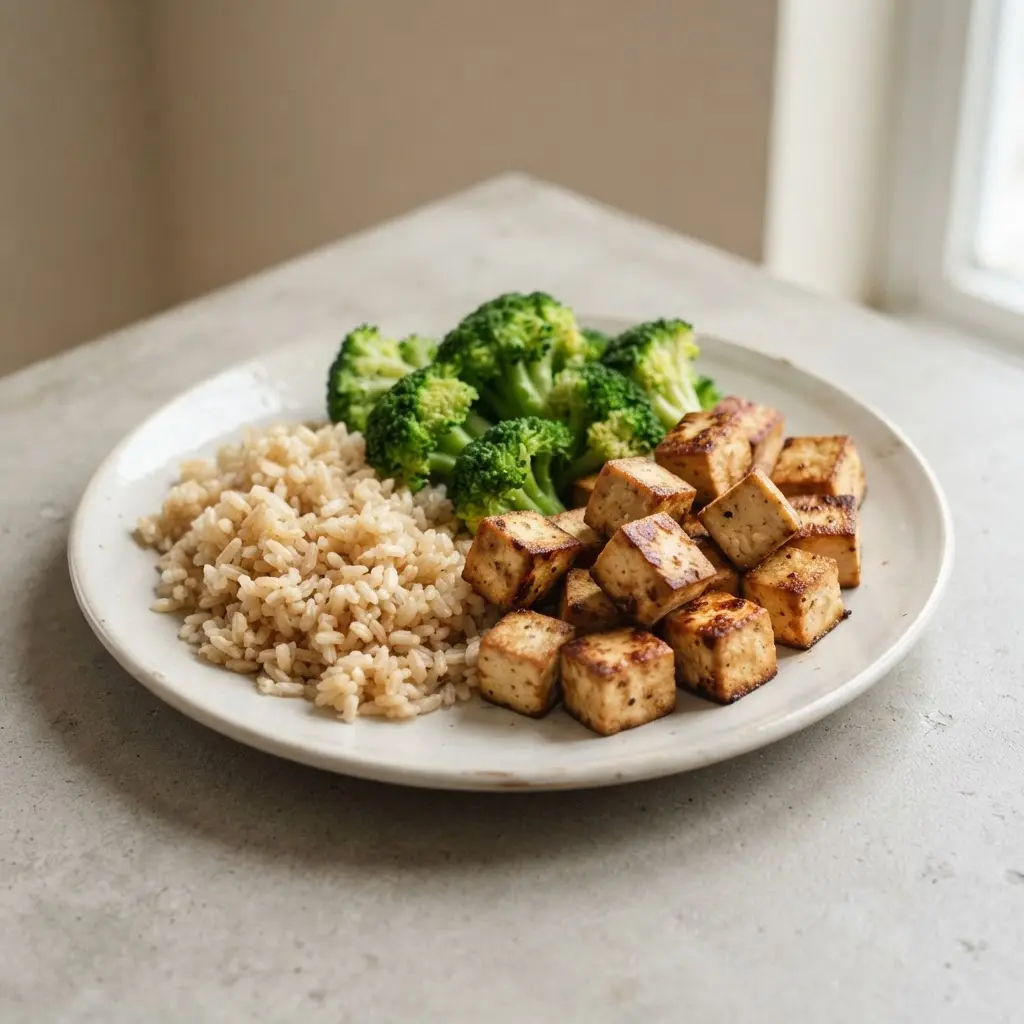
A tofu-only serving is less filling than a plate built with grains, beans, and vegetables. Choose crispy tofu cubes with brown rice, roasted broccoli, and chickpeas for a balanced meal with varied textures. Add peanut sauce for flavor and extra richness. Tofu bowls rely on foods that will make you thin but also full for complete plates.
Build a no-cook bowl with marinated tofu, rice, cucumbers, seaweed, and edamame. For meal prep, prepare tofu, quinoa, black beans, corn, and tomatoes in separate containers. Use silken tofu in a plate with quinoa, broccoli, and black beans when a softer texture suits you. Meal prep shines when you pick foods that will make you thin but also full.
Research suggests meals combining protein, fiber-rich legumes, and vegetables support fullness better than tofu served alone. Include a flavorful sauce such as tahini, chili crisp, ginger-garlic, or lemon-caper dressing. Sauces add flavor to foods that will make you thin but also full.
Choose a sheet-pan version for minimal cleanup, or serve pan-fried tofu with kale, avocado, grapefruit, and miso-tahini dressing.
13. Satiating Leafy Green Vegetables for High-Volume Plates
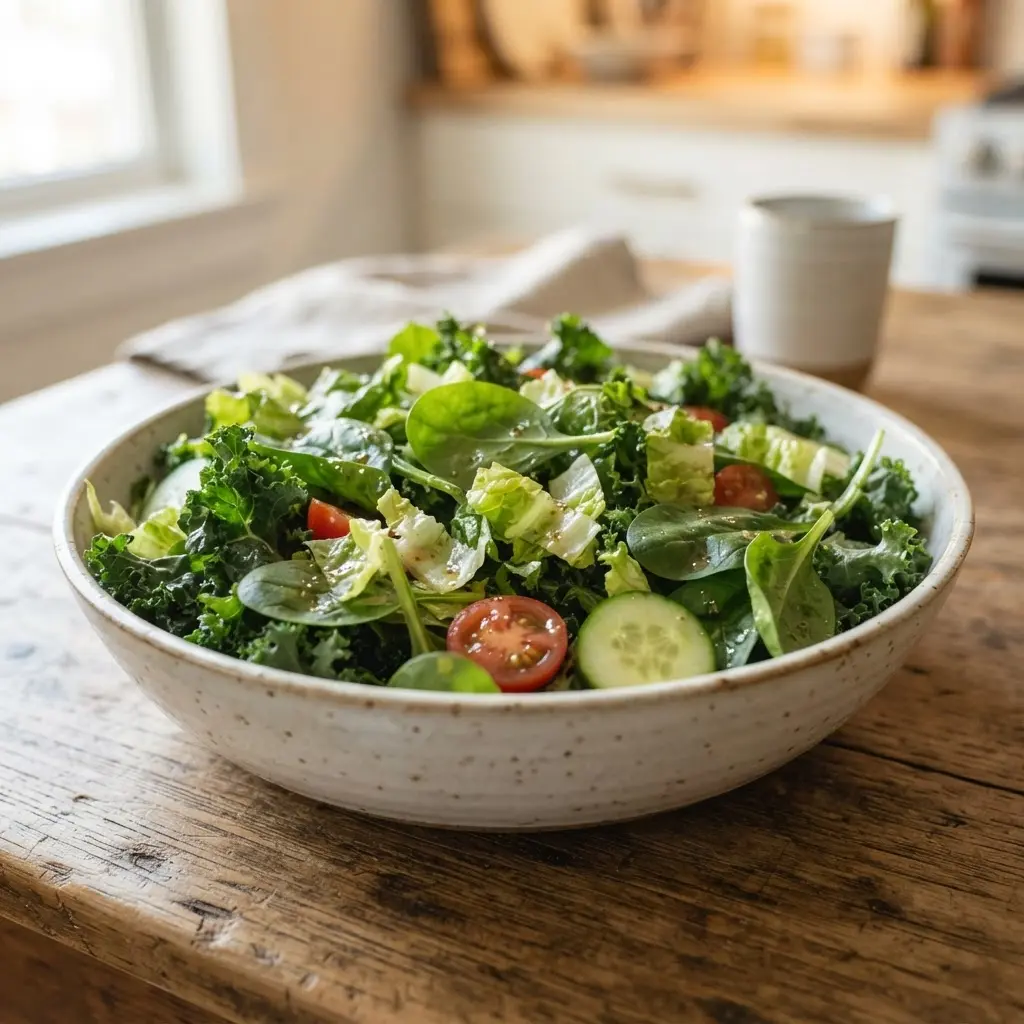
Do not treat every green as interchangeable. Spinach wilts sharply, while romaine and cabbage stay crisp. Choose texture before filling the plate, then use a mixed greens base beneath grains, beans, or other vegetables.
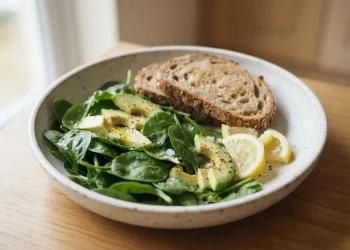
Build raw salads with romaine, baby spinach, arugula, watercress, or shredded cabbage. Wilt kale, collards, Swiss chard, or bok choy into soup, pasta sauce, or a grain bowl. Broad collard leaves hold beans, chicken, or tofu as sturdy wraps. Add a modest dressing to keep the vegetables in focus.
Research suggests high-volume plates feel more filling when greens share space with a protein source and other vegetables. Use nutrient-rich salad recipes to vary textures and dressings across the week. Cook delicate spinach and watercress briefly, since both lose texture quickly.
14. Fiber-Packed Apple Varieties for Portable Snacks
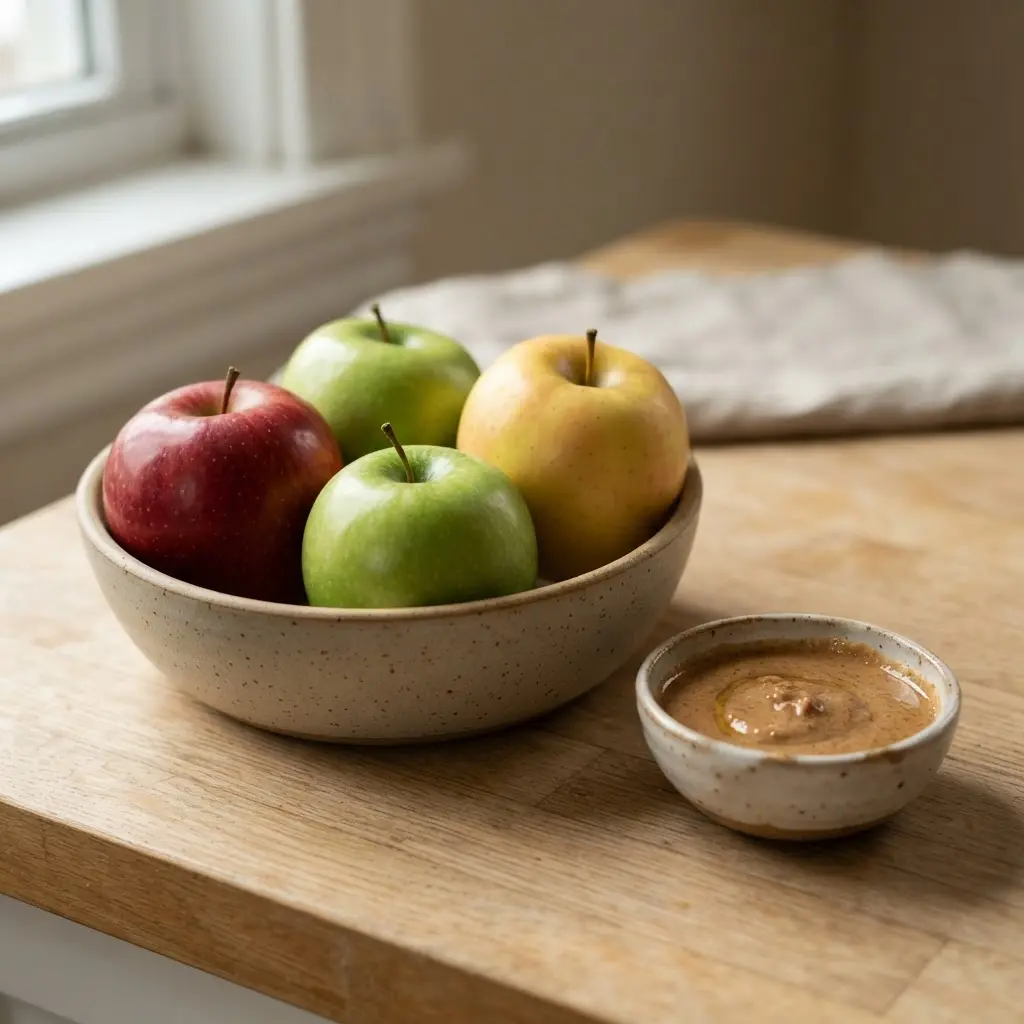
Choose a medium apple with skin intact first. The skin preserves much of the fruit’s fiber, giving a typical medium apple about 4–5 grams. Wash the apple before eating, then keep it whole during transport to reduce bruising and browning.
Pick Granny Smith or Honeycrisp for a crisp, tart snack. Fuji and Gala suit a sweeter flavor, while Pink Lady, also called Cripps Pink, stays attractive after slicing. Pixie Crunch apples fit smaller lunchboxes, and Rave® is best eaten fresh soon after purchase. Red Delicious offers a softer texture and often ranks among higher-fiber varieties.
Fiber supports digestive health and is linked with heart-health benefits, so apples fit a portable, nutrient-dense eating pattern. Fiber does not guarantee weight loss. Keep portions and total eating patterns in view.
15. High-Volume Egg Dishes for Morning Protein
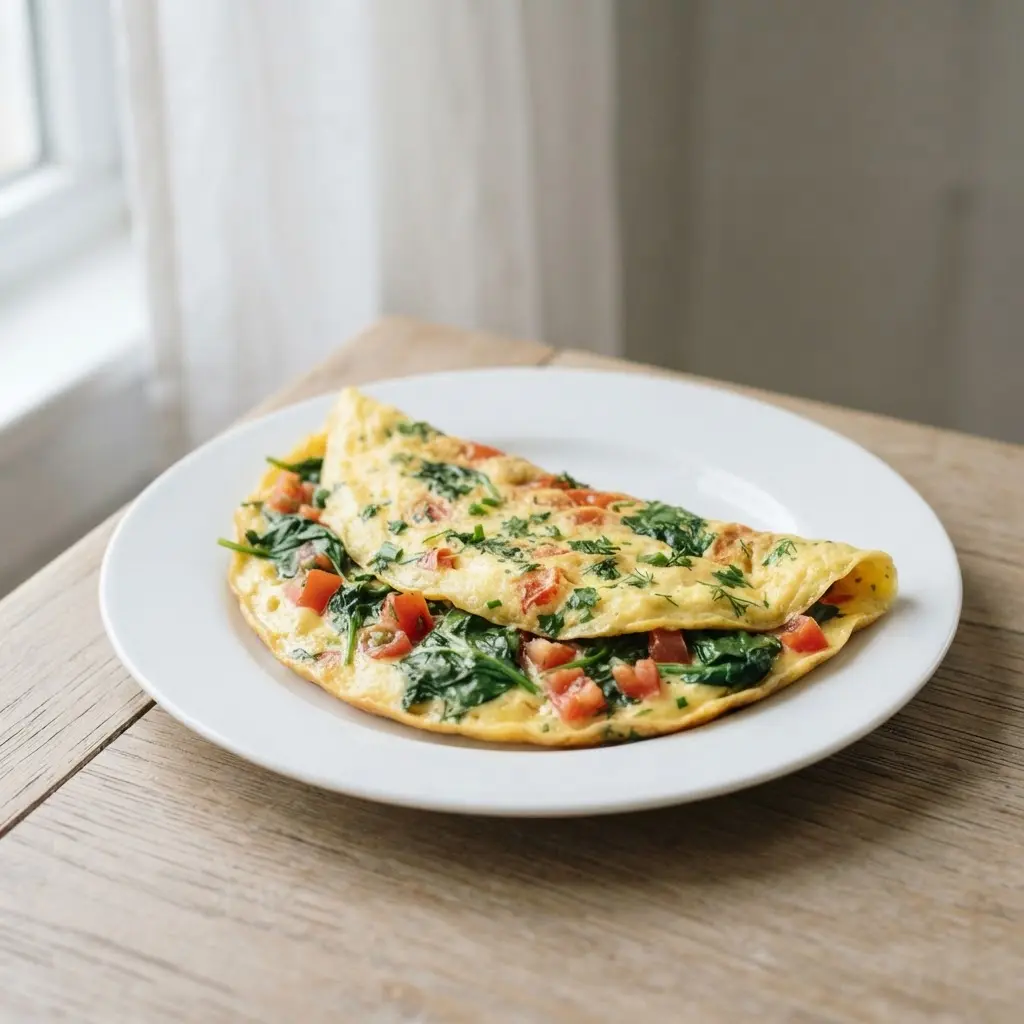
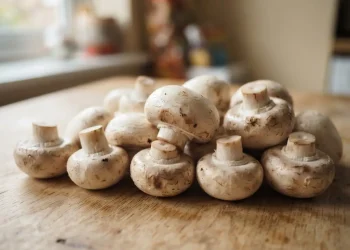
At 7 a.m., a plain egg breakfast often looks small beside a busy morning. Build a larger plate with vegetable-packed eggs, using spinach, mushrooms, peppers, onions, and tomatoes. Cook the vegetables first, then add beaten eggs and season with salsa, herbs, or hot sauce. The vegetables add bulk and fiber, while eggs provide protein.
Prepare a frittata or egg muffins on Sunday for several ready-to-heat portions. Shakshuka adds eggs to tomato-pepper sauce, while a bowl with black beans, salsa, avocado, and eggs supplies more texture and fiber. Combine whole eggs with egg whites for a larger serving, rather than removing whole eggs from every meal. Research suggests meal volume, protein, and fiber support fullness, though no egg dish guarantees weight loss. Choose baked corn tortillas for huevos rancheros and keep cheese modest.
16. Hydration and Satiety Benefits for Daily Eating
Water does not melt body fat. Drinking more does not make weight disappear. Adequate fluids support normal body functions, while fullness comes mainly from food volume, fiber, protein, and eating pace.
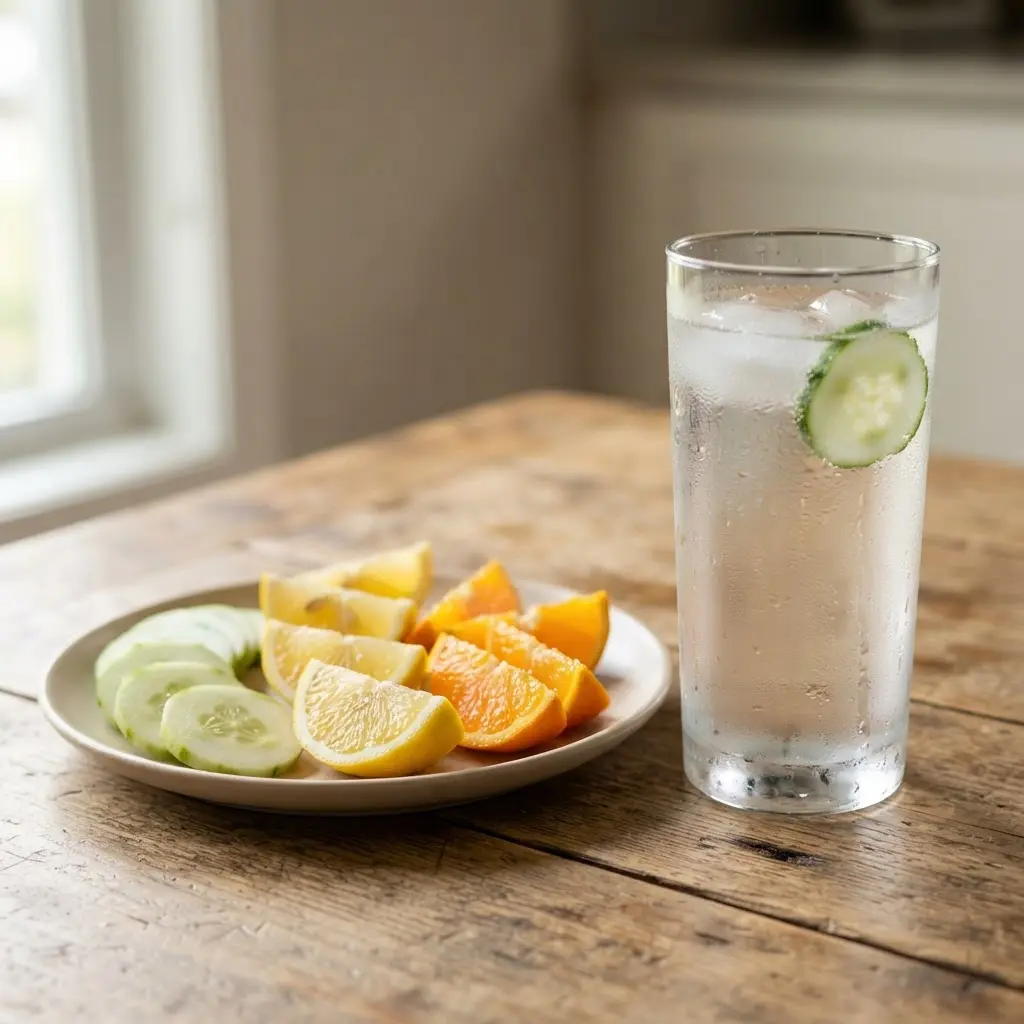
Drink water with meals and keep a bottle nearby during the day. Sip fluids across several hours rather than forcing a large amount at once. Before reaching for a snack, pause for five minutes and check whether thirst, hunger, or habit is driving the urge. Water-rich foods such as cucumber, oranges, and broth-based soups add fluid alongside food volume.
Research on appetite varies, so hydration should support balanced eating rather than replace it. Use water as a simple routine, then build meals around filling foods. Always consult a healthcare professional before making changes to your health routine.
17. Nutrient-Rich Quinoa Benefits for Balanced Bowls
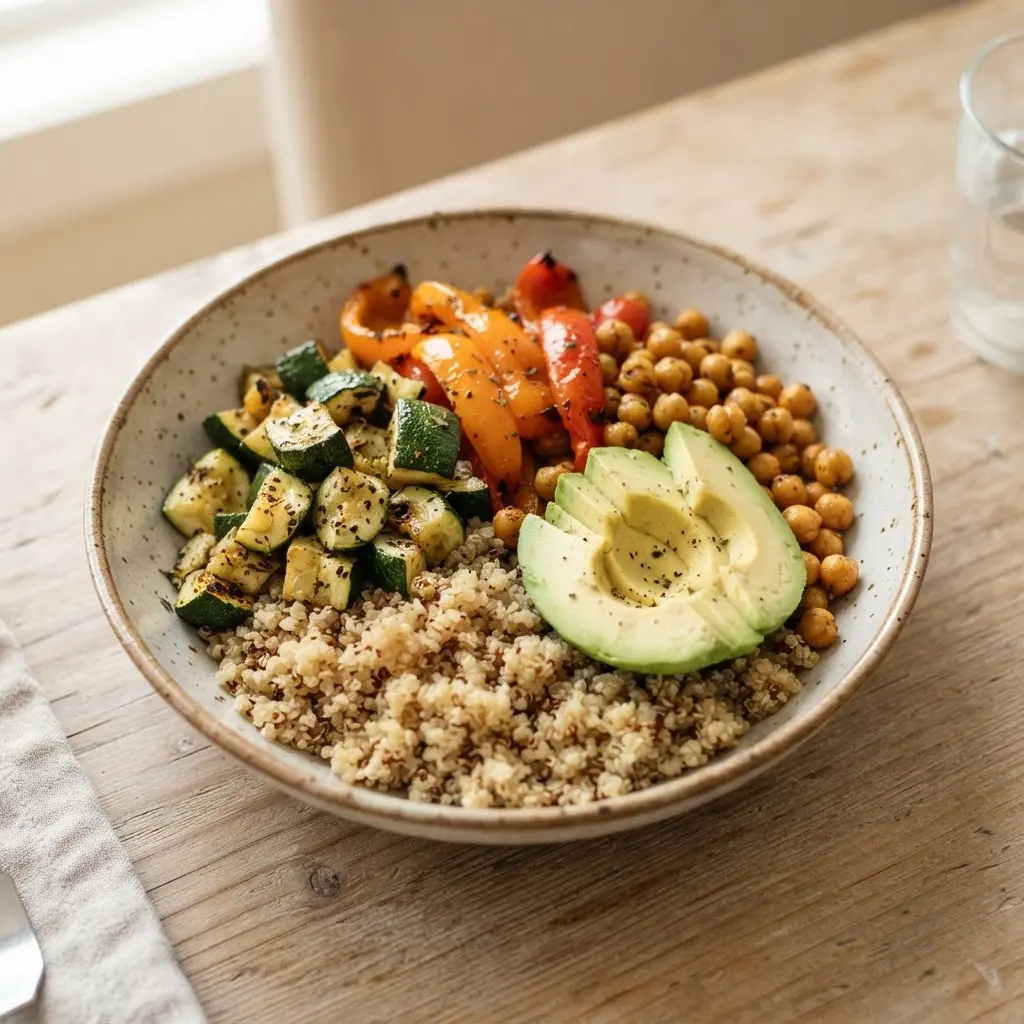
Does quinoa make a bowl more filling? Yes, quinoa supplies protein and fiber in one food. A cup of cooked quinoa provides about 5 grams of fiber. Fiber supports digestion and encourages fullness, while quinoa’s complete protein contains all nine essential amino acids. Use a quinoa bowl base as a replacement for rice or pasta, then add vegetables, beans, or lean protein.
Quinoa is naturally gluten-free and provides magnesium, iron, folate, potassium, and vitamin E. Its mild, nutty flavor suits savory bowls or sweet combinations with fruit. Choose moderate portions and keep sauces and toppings sensible, because a quinoa bowl is not automatically balanced. Research suggests protein- and fiber-rich meals support appetite management, but quinoa does not guarantee weight loss or prevent disease. For celiac disease, check packaging and shared cooking surfaces for gluten cross-contact.
18. Satiety-Promoting Healthy Nuts for Simple Snacks
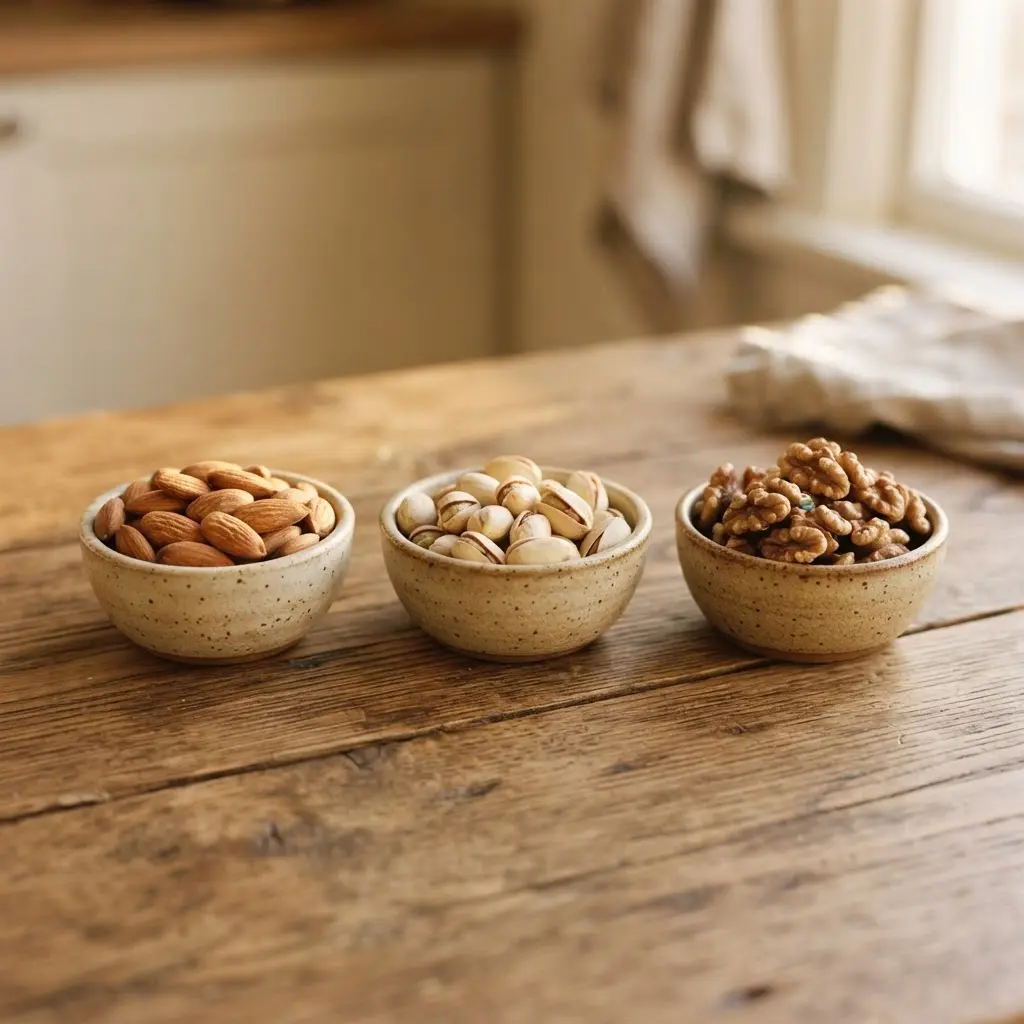
Compared with crackers, a small serving of almonds offers protein, fiber, and healthy fats in one portable snack. These nutrients slow digestion and support fullness between meals. Almond research links nut intake with less hunger without an overall rise in daily energy intake. Choose a measured portion for work, travel, or the afternoon gap between meals.
Portion your nuts before eating because nuts are energy-dense, even when they fit a weight-loss eating pattern. Brazil nuts and mixed nuts have also been linked with greater satiety and stable blood glucose and insulin responses. Select plain, unsweetened nuts, and avoid treating the container as an unlimited serving. Individual responses differ, so people managing blood glucose or insulin should follow advice from a qualified healthcare professional.
19. Volumetric Eating Principles for Larger, Lighter Plates
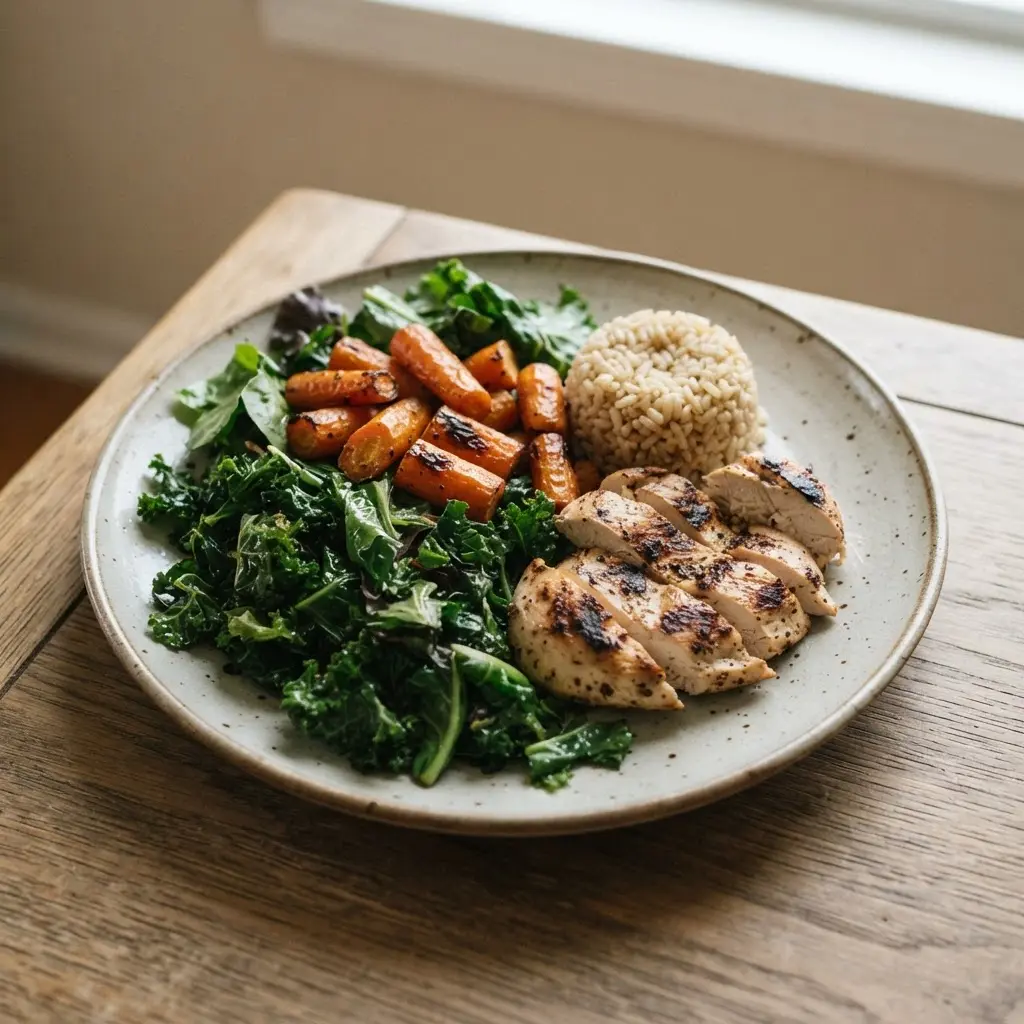
A common mistake is treating every healthy food as low in calories. Correct this by building the largest portion from low-calorie-density foods, including leafy greens, tomatoes, broccoli, carrots, fruit, and broth-based soup. Water and fiber add bulk, so a full plate does not automatically carry a high calorie load.
Fill about half your plate with non-starchy vegetables or fruit. Add a moderate serving of lean meat, beans, eggs, whole grains, or low-fat dairy. Keep oils, nuts, seeds, rich sauces, and desserts smaller because these foods pack more calories into less space. Cook vegetables with herbs, lemon juice, or low-fat broth instead of butter.
Pair this structure with a balanced calorie meal plan to keep portions consistent across the day. Research suggests larger, lower-density plates help meals feel more satisfying while supporting nutrient-rich choices. Keep the plate generous in volume, not added fats.
20. Sustained Energy Complex Carbohydrates for Daily Meals
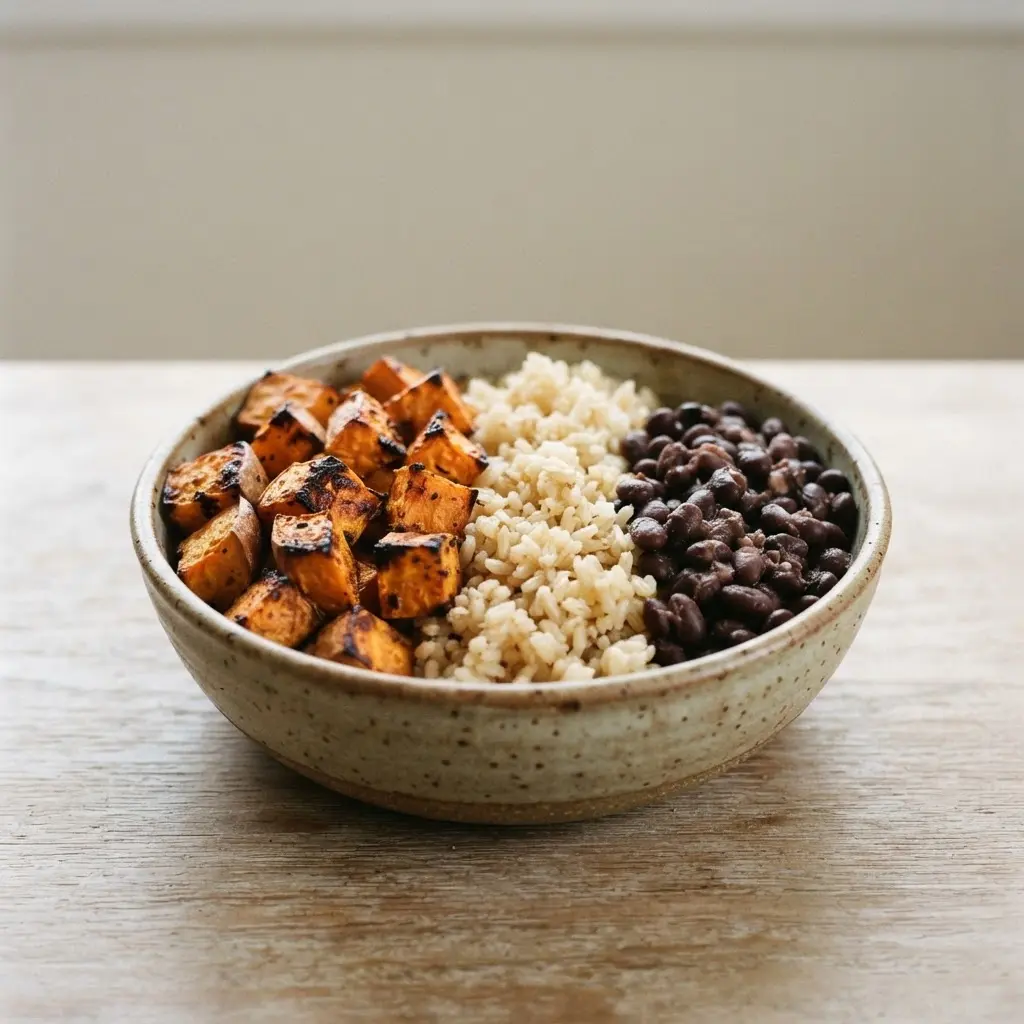
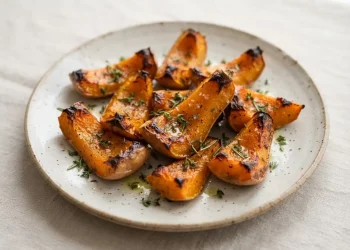
Choose oats, beans, or whole grains before reaching for refined grains. Fiber slows digestion, so glucose enters the bloodstream more gradually and energy often lasts longer. Build meals around brown rice, quinoa, lentils, chickpeas, potatoes, or sweet potatoes. Pair one serving with protein and healthy fat, such as Greek yogurt with oats and nuts or quinoa with lean protein and vegetables.
Research suggests higher-fiber carbohydrate choices support fullness between meals and add nutrients compared with refined grains. Replace white rice with brown rice, and choose 100% whole-grain bread over white bread. Introduce extra fiber gradually and drink enough fluid to limit digestive discomfort. Avoid high-fiber foods immediately before intense exercise, since some people experience gut discomfort during demanding activity. These foods support a balanced eating pattern, but they do not guarantee weight loss. Individual responses vary with portions, total diet, and health conditions.
Portion Planning For Sustainable Weight Management
Use measuring cups for calorie-dense foods such as nuts, seeds, oils, and nut butter until familiar serving sizes feel clear. These foods offer useful unsaturated fats, yet small amounts contain plenty of calories. Serve meals on a regular plate, keep protein and vegetables visible, and pause before taking more so hunger and habit do not blur together.
Plain yogurt, oats, potatoes, beans, fruit, and vegetables often allow generous portions with fewer calories than fried or heavily sweetened choices. Check labels for added sugar in flavored yogurt, bars, and packaged snacks. People with diabetes, kidney disease, gastrointestinal conditions, food allergies, or a history of eating disorders need guidance suited to their health and eating patterns. Sustainable progress comes from a comfortable intake you can maintain.
Conclusion
Eating well feels easier when meals leave you satisfied. Filling foods bring more comfort to your day, so weight goals do not depend on constant hunger or strict rules. The best foods that will make you thin but also full are choices you enjoy and feel ready to eat often.
Start with one meal today. Add a protein source, a fiber-rich food, and a generous serving of vegetables or fruit. For example, pair eggs with spinach and whole-grain toast, or combine lentils with roasted vegetables and a spoonful of yogurt. Eat at a steady pace and notice how your body feels after the meal.
Small changes build a routine you trust. Keep a few easy staples ready in your kitchen, and choose meals based on hunger, taste, and nourishment. A satisfying plate gives you a practical next step toward healthy weight goals.
FAQs
Q: Which foods help me feel full for longer?
A: Beans, lentils, eggs, Greek yogurt, fish, vegetables, fruit, and whole grains help support fullness. Pairing protein with fiber often makes a meal more satisfying.
Q: How do I build a filling meal for weight loss?
A: Fill about half the plate with vegetables or fruit. Add a protein food, a fiber-rich grain or bean, and a small portion of healthy fat.
Q: Are filling foods always low in calories?
A: Some filling foods contain more energy, such as nuts, seeds, and avocado. Smaller portions fit well beside vegetables, lean protein, or whole grains.
Q: What is a good filling snack between meals?
A: Greek yogurt with berries, an apple with nut butter, or carrots with hummus offers protein, fiber, or both. Choose a snack based on hunger and your next meal time.
Q: Does drinking water help with fullness?
A: Water adds hydration and supports normal body functions. Foods with high water content, such as soup, cucumber, oranges, and melon, also add volume to meals.