
Anatomical Role of the Digestive System
Your gut lining is a living barrier that decides which nutrients enter your bloodstream and which irritants get blocked. Think of it as a smart gatekeeper, not just a passive tube. This system works best when you follow tips for healthier digestion by feeding it plenty of fiber, which acts like a broom to keep things moving smoothly.
Whole grains and vegetables are perfect for this job because they contain both soluble and insoluble fiber. Soluble fiber dissolves into a gel that slows digestion, while insoluble fiber adds bulk. Your gut bacteria thrive on these fibers, producing compounds that support your entire digestive tract.
This bacterial balance is a key part of your gut microbiome and its health directly influences how you break down food every day.
Recognizing Warning Signs for Medical Evaluation
Constant bloating paired with sharp abdominal pain is your body’s signal to talk to a doctor, not just tweak your diet. While standard tips for healthier digestion help, persistent discomfort can point to deeper issues like motility disorders or inflammation. Watch for changes in your bowel habits that last more than a few weeks, such as new constipation or diarrhea.
Unexplained weight loss or blood in your stool are clear red flags that need professional evaluation. These symptoms differ from the occasional indigestion we all get from eating too fast. Trust me on this, tracking these details helps your doctor make a much faster and more accurate diagnosis.
Do not assume all bloating stems from a food intolerance without checking for other causes first.
1. High-Fiber Whole Foods — The Foundation of Gut Health

A common mistake is treating all fiber as the same, or focusing only on insoluble fiber for regularity. Both soluble and insoluble fibers are critical, and they work in different, complementary ways to support your digestive system.
Soluble fiber dissolves in water, forming a gel that feeds beneficial gut bacteria. These bacteria produce short-chain fatty acids like butyrate, which energizes colon cells and strengthens the gut barrier. Insoluble fiber adds bulk to stool, helping it move efficiently through your intestines.
For example, incorporating a daily serving of oats or beans provides both types of fiber. This alignment forms a core part of reliable tips for healthier digestion during daily meal planning.
This process is vital because a robust gut ecosystem supports immune function and helps reduce systemic inflammation. It is also wise to review general healthy eating principles to ensure your overall diet supports these changes.
2. Probiotic Fermented Selections: Nourishing Your Gut Flora
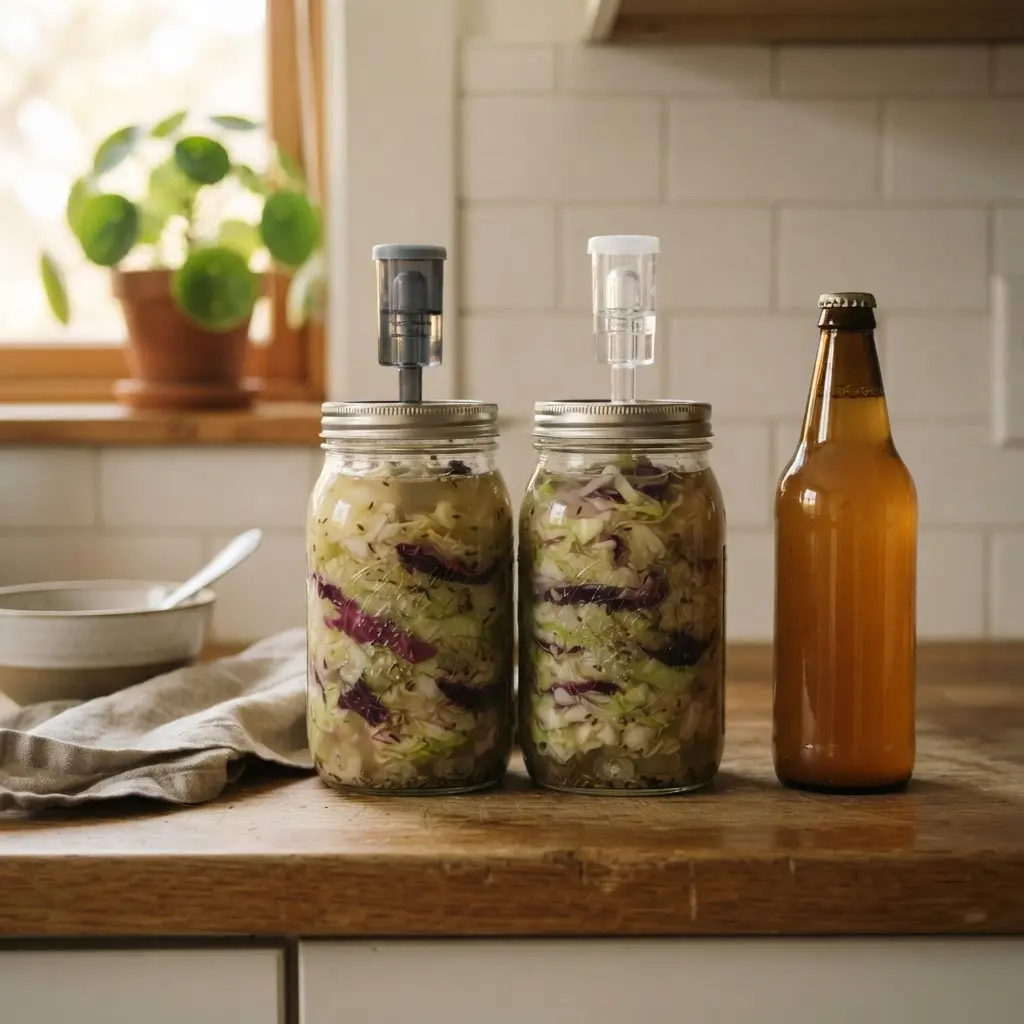
Choose plain, unsweetened yogurt with live and active cultures as your first step, since expert tips for healthier digestion ensure you are consuming beneficial bacteria that survive digestion to support your gut. Fermentation is a process where specific microorganisms convert sugars in food.
This activity produces lactic acid and increases the population of these helpful microbes. These probiotics aid in breaking down food and enhancing nutrient absorption. A diverse gut flora also makes it harder for harmful pathogens to establish themselves.
For broader support, most tips for healthier digestion suggest reading a guide on how to improve daily eating habits for useful foundational strategies. Always check labels to confirm the product contains live cultures and has no added sugars.
3. Hydration and Fluid Balance — Essential for Smooth Digestion

You finish a meal and feel a familiar tightness or sluggishness in your abdomen. Often, the simplest solution is a glass of water, not a change in your food choices. Yet basic tips for healthier digestion note your digestive system requires a significant amount of fluid to function correctly.
Water softens stool to prevent constipation and provides the medium for nutrient absorption. It is also essential for the production of saliva and gastric juices that break down food. Without enough fluid, the entire process slows down, leading to discomfort and inefficient digestion.
Many proven tips for healthier digestion show your routine improves markedly when you prioritize fluid intake throughout the day. A practical guideline is to drink water consistently, not just when you feel thirsty, aiming for the commonly cited eight glasses as a baseline.
For a complete approach, integrate this habit with other less common healthy eating advice to support your overall wellness.
4. Mindful Eating Techniques: Slow Down and Chew Thoroughly

A common belief is that digestion starts in the stomach. The truth is, proper digestion begins in the mouth. But trusted tips for healthier digestion prove the act of chewing is the first critical step. It mechanically breaks down food and mixes it with saliva, which contains digestive enzymes.
Put your utensils down between each bite. Do not pick them up again until the current bite is fully chewed and swallowed. Aim for 20 to 30 chews per mouthful, or until the food loses its original texture.
This simple action gives your brain time to receive fullness signals, which take about 15 to 20 minutes. This practice prevents overeating and aligns with all effective tips for healthier digestion, especially to reduce common issues like bloating and indigestion.
For optimal support, combine this technique with beneficial foods that promote healing in your meals. Eat at a table without distractions to fully focus on this process.
5. Prebiotic Nutrient Sources — Fuel for Good Bacteria
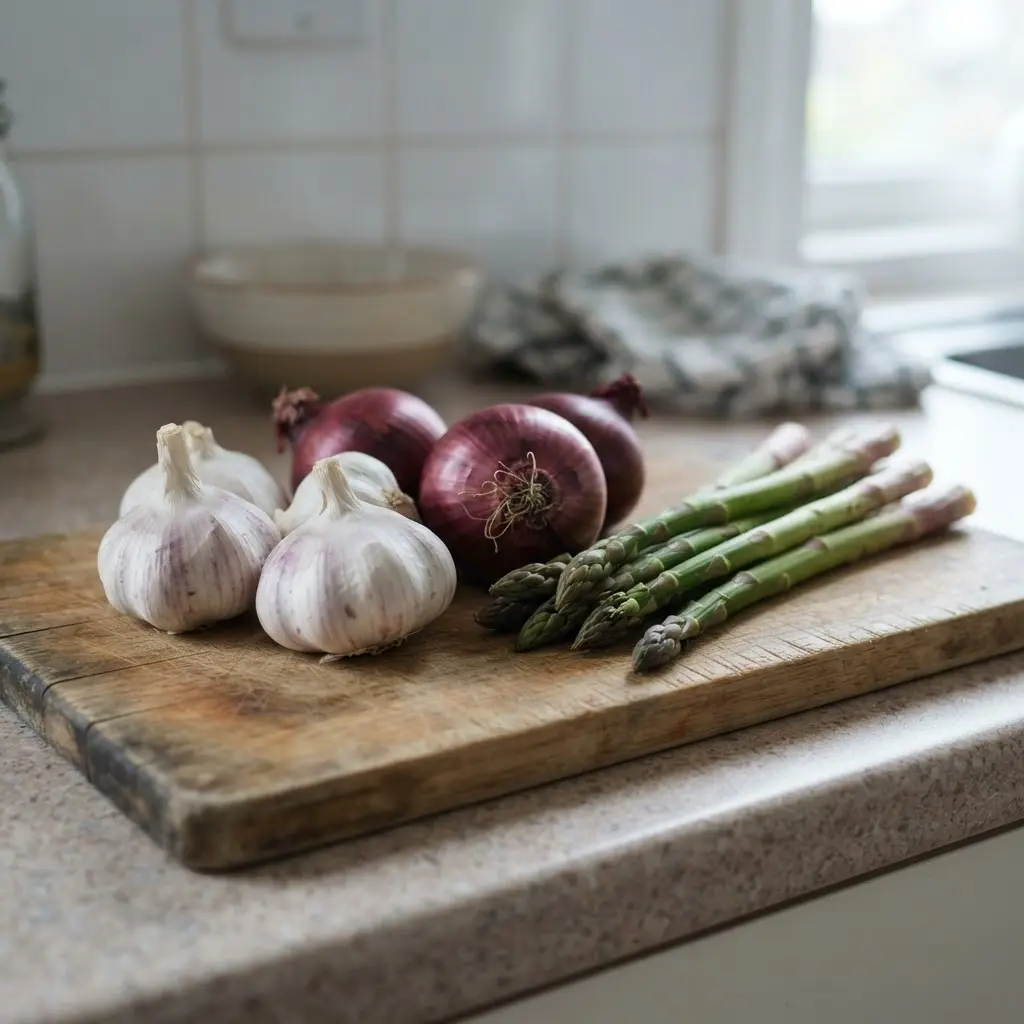
What exactly feeds the beneficial bacteria in your gut? The answer is prebiotic fiber. These compounds resist digestion and travel to the large intestine.
Specific bacteria then ferment them, producing beneficial short-chain fatty acids. You find prebiotic fiber in foods like chicory root, garlic, onions, and green bananas. A diverse diet ensures a healthy gut microbiome.
These foods contain inulin, fructooligosaccharides, and resistant starch. Each type supports different strains of good bacteria. This process improves bowel regularity and remains the main goal behind practical tips for healthier digestion.
For a practical way to increase your intake, learn some creative healthy food swaps that incorporate these foods. Focus on adding one or two prebiotic-rich items to your meals each day.
Tracking Food Sensitivity Patterns Over Time
Start a simple food and symptom log for two weeks to spot your personal triggers, like dairy or certain vegetables. Write down what you eat, how you feel an hour later, and your bowel movements the next day. You will notice patterns you missed before, such as bloating after meals with refined wheat or stomach cramps following rich sauces.
This record is more reliable than memory and shows you how your meal timing and combinations affect you. Bring this log to a nutritionist or doctor to discuss your findings. They can help you distinguish a true sensitivity from a temporary reaction to eating too quickly.
Conclusion
Taking care of your digestion is a powerful way to invest in your daily energy and comfort. It is about listening to your body and giving it what it needs to work well. Start with one small change, like adding an extra vegetable to your lunch.
Pay attention to how you feel, and adjust from there. These simple tips for healthier digestion can become effortless habits that make a real difference. Remember, if you have ongoing discomfort, talk with a healthcare provider for personalized advice.
FAQs
Q: What is the quickest thing I can do to improve my digestion today?
A: Drink a full glass of water when you wake up. This helps hydrate your system and can kickstart your digestion for the day.
Q: How long does it take for dietary changes to affect digestion?
A: You might notice some changes within a few days, like feeling less bloated. It often takes a few weeks of consistent habits for more significant improvements to become clear.
Q: Can stress really upset my stomach?
A: Yes, stress directly impacts your digestive system. It can slow things down or cause discomfort. Taking deep breaths before meals is a helpful way to calm your nerves.
Q: Are fermented foods safe for everyone to eat?
A: Most people tolerate them well. Start with a small amount, like a spoonful of yogurt. If you have a specific health condition, check with your doctor first.
Q: When should I talk to a doctor about digestive problems?
A: Consult a healthcare provider if you have persistent pain, major changes in your bathroom habits, or symptoms that disrupt your daily life. They can help find the cause.