
Busy mornings often make healthy choices feel harder than they need to be. A few simple changes help you start with more focus and less rushing, especially when you apply these tips for healthier morning routine. I know a long wellness checklist is not realistic for most people.
Let’s keep this practical. You will find seven habits that fit short mornings, busy homes, and different energy levels. Pick one idea today, then build from there.
Match Morning Habits With Sleep Needs
A consistent wake time, kept within about one hour daily, helps your body expect morning activity and protects sleep rhythm. Start by checking how many hours you need, since adults often need seven to nine hours, while personal needs differ, which matters when reviewing tips for healthier morning routine. Move bedtime earlier when morning plans cut into your sleep, rather than stealing rest for extra habits.
Keep weekends close to weekday timing, because long sleep-ins often make Monday mornings harder. Notice signs of poor fit, such as heavy daytime tiredness, repeated snoozing, or trouble focusing. If sleep problems continue, speak with a qualified clinician before changing your schedule. Your routine should support enough rest first, then leave room for daylight, breakfast, and gentle movement without rushing.
Prepare Breakfast And Clothing Overnight
Keeping prepared breakfast ingredients chilled overnight gives you a faster morning meal with fewer decisions. Choose foods combining protein, healthy fats, and complex carbohydrates, such as yogurt with oats and nuts or eggs with whole-grain toast. Set out comfortable clothing suited to the room temperature, with walking shoes nearby if outdoor movement fits your plan. Store cut fruit, cooked grains, or boiled eggs in sealed containers, and check freshness before eating.
Keep portions realistic for your hunger, since an oversized meal often feels uncomfortable before activity, and it fits well with tips for healthier morning routine. A ready breakfast also helps you avoid sugary foods used for quick energy. Place clothing where poor lighting or a sleepy mind will not create extra searching. Evening preparation works best when it supports sleep rather than delaying bedtime.
1. Early Morning Hydration Strategies for Steady Energy

Drinking a large amount of water as soon as you wake up is a common mistake, so remember to follow tips for healthier morning routine when hydrating. Start with plain water, using 8 to 16 ounces before coffee. Keep a glass or reusable bottle beside your bed so the first drink does not depend on memory.
Spread fluids across the first hour or two when a large drink feels uncomfortable. Drink 1 cup, or about 250 mL, after waking, following simple tips for healthier morning routine. Drink another cup while getting ready, then add 1 to 2 cups with or before breakfast. This pattern provides about 2 to 4 cups, or 500 to 1,000 mL, during the early morning without forcing a single large volume.
Choose warm lemon water or caffeine-free herbal tea when plain water feels unappealing. Drink water before coffee to place rehydration before the morning caffeine habit, matching expert tips for healthier morning routine. Research suggests a planned routine supports fluid replacement before thirst becomes the main reminder.
Use electrolytes when heavy sweating, hot weather, or morning exercise increases fluid loss. Sodium, potassium, and magnesium support fluid balance and muscle function, which aligns with tips for healthier morning routine. After training, replace lost fluids with water. An electrolyte drink suits sessions involving substantial sweating, while added salt is not necessary for every morning.
People with medical conditions affecting fluid or sodium balance need individual guidance before using salt or electrolyte products, according to safe tips for healthier morning routine. Always consult a healthcare professional before making changes to your health routine. Pair drinking water with journaling or deep breathing to create a repeatable morning cue.
2. Natural Light Exposure Benefits for Morning Focus

Get outside soon after waking and receive morning daylight for about 10 to 20 minutes. Sit near an open window or take a brief walk, choosing the brightest safe outdoor setting available to practice tips for healthier morning routine. Early daylight gives the brain a wake-promoting signal before work, study, or other focused tasks begin.
Light exposure after waking increases alertness, supporting tips for healthier morning routine. Greater alertness reduces feelings of sleepiness. Lower sleepiness supports attention, faster responses, and clearer mental processing. Brighter daytime light appears more useful for cognitive function than dim indoor light, although the ideal brightness has not been established.
Research in healthy young adults has found improvements in brain-wave activity linked with attention, faster response times, and lower reported sleepiness, confirming tips for healthier morning routine. Dawn-simulating lamps, which gradually increase brightness, have also been studied for mood, well-being, and cognitive performance. Findings involving short-wavelength blue light and long-wavelength red light suggest both forms might support alertness under certain conditions, so brighter or bluer light is not automatically better.
Use natural daylight as a simple routine element rather than expecting a dramatic change in concentration. Benefits are generally modest, especially among healthy young adults who already perform near their usual best, aligning with tips for healthier morning routine. Persistent sleepiness or concentration problems need medical attention, not light exposure alone. Always consult a healthcare professional before making changes to your health routine.
3. Short Form Movement Exercises for Daily Readiness

At 7 a.m., after hours in bed, begin with dynamic movements before reaching for demanding exercises, which is part of tips for healthier morning routine. Perform 10 arm circles in each direction, followed by leg swings, torso twists, high knees, and butt kicks. Spend about 30 seconds on each marching or jogging movement. This sequence raises body temperature and prepares joints for daily activity.
Follow the warm-up with bodyweight strength work. Complete three sets of 10 to 15 squats, three sets of 10 lunges per leg, and three sets of 15 glute bridges. Add knee push-ups or standard push-ups, stopping when form starts to break, following tips for healthier morning routine. Hold a plank for 30 to 60 seconds, using a stable non-slip surface. A mat adds comfort during floor exercises.
Finish with slower flexibility work. Hold quad and hamstring stretches for 30 seconds per leg, then stretch each triceps for 30 seconds and settle into Child’s Pose for up to 60 seconds. Keep breathing steady throughout the session, applying tips for healthier morning routine. Adjust repetitions, hold times, and movement speed to match energy levels and fitness experience.
Research suggests regular movement supports mobility and readiness for daily tasks, while short sessions are easier to maintain during busy mornings. Maintain controlled form instead of rushing. Drink water as appropriate before, during, and after movement.
Increase workload gradually by adding repetitions, sets, or hold time. People with injuries, pain, balance concerns, or medical conditions should seek guidance from an appropriately qualified healthcare professional before beginning or changing an exercise routine. Always consult a healthcare professional before making changes to your health routine.
4. Mindfulness and Breathwork Practices for Calm

A common myth says mindfulness requires an empty mind. Mindfulness means noticing thoughts, feelings, and body sensations without judging them, which fits tips for healthier morning routine. Begin with mindful breathing for two to five minutes after benefits of waking up early, then return attention gently each time the mind wanders.
Choose a quiet place and sit or stand comfortably. Place one hand on the chest and the other on the abdomen. During diaphragmatic breathing, inhale through the nose as the abdomen expands, then exhale slowly through the mouth as the abdomen contracts. Keep the chest movement small and let the abdomen guide your attention.
Use box breathing when a steady count feels comfortable. Inhale for four counts, hold for four, exhale for four, then hold for four again. Keep 4-7-8 breathing separate from this pattern, since the timing differs: inhale for four counts, hold for seven, and exhale for eight.
Stop a structured exercise if counting creates strain or discomfort. Research suggests regular mindfulness practice supports focus and a calmer response to stress. Build the practice into an ordinary morning task, such as brushing your teeth or walking to the kitchen. Notice the feet touching the floor, nearby sounds, and the rhythm of each breath.
Start with a few minutes each day and increase the time gradually rather than forcing relaxation. Breathwork should stay gentle and should not replace medical care. Always consult a healthcare professional before making changes to your health routine.
5. Balanced Nutrient Dense Breakfasts for Lasting Fullness

What should a filling breakfast contain? Start with a protein base, then add fiber-rich produce or whole grains and a modest amount of healthy fat. Plain Greek yogurt, eggs, tofu, cottage cheese, and soy milk provide protein. Oats, berries, fruit, vegetables, or whole-wheat toast add fiber.
Nuts, seeds, avocado, or nut butter complete the meal. Build a Greek yogurt parfait with berries, chia seeds, and a small handful of walnuts. For a warm option, cook rolled or steel-cut oats with water or unsweetened almond milk.
Stir in nut butter or protein powder, then add fruit and cinnamon. Keep honey or maple syrup to a small amount. Choose an egg or tofu scramble with spinach, mushrooms, bell peppers, and onions.
Serve the scramble with sprouted-grain toast or avocado. A balanced smoothie needs more than fruit. Blend unsweetened soy milk with Greek yogurt, silken tofu, or protein powder. Add berries, leafy greens, chia seeds, and a small amount of nut butter.
Research suggests protein, fiber, and fat contribute to satisfaction and slower digestion, which supports steadier energy and longer-lasting fullness. Eat slowly and notice hunger and fullness cues. Keep portions moderate for nuts, seeds, avocado, oils, and nut butter because these foods contain concentrated energy.
People managing diabetes, food allergies, digestive conditions, or other health concerns should seek personalized advice from a qualified healthcare professional.
6. Digital Distraction Reduction Techniques for Clear Thinking
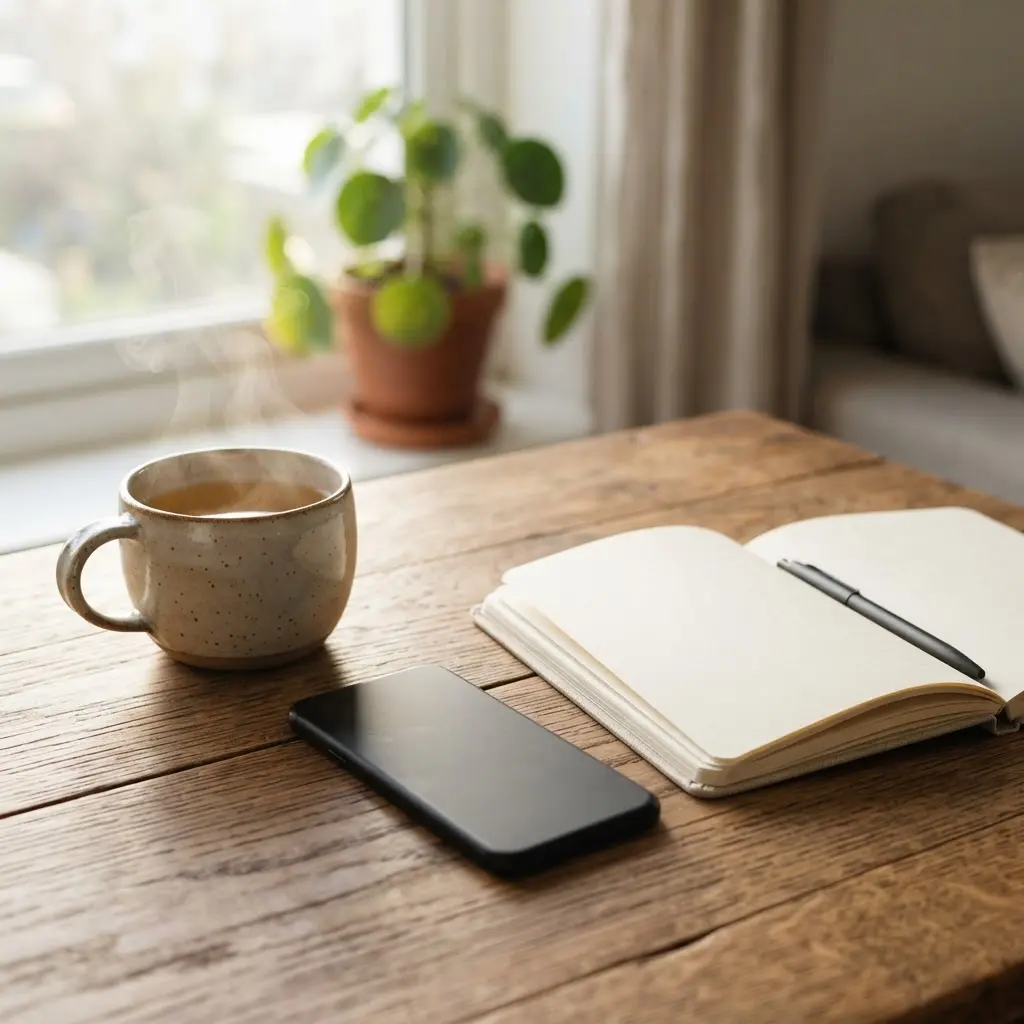
Checking messages before starting the day creates more interruptions than completing one planned task first. Begin with a notification-free morning by silencing non-essential alerts on your phone and computer. Keep urgent contacts available, then place the phone outside immediate reach. This removes visual and audible prompts before focused attention begins.
Schedule email, social media, and browsing instead of opening each service whenever an urge appears. Assign one morning focus block with a clear start and end time. A 25-minute work period followed by a 5-minute screen-free break offers a practical starting point. Batch messages into one later session rather than switching tasks after every alert.
Prepare a low-distraction workspace before the first task. Close unrelated browser tabs, quit unused applications, and keep only needed materials on the desk. Use Do Not Disturb mode during concentration periods. Research suggests that reducing interruptions limits repeated context switching, which supports steadier attention and clearer thinking.
Identify the trigger behind each device check, such as boredom, stress, or uncertainty about a task. Write one specific outcome for the session, then delay browsing until the scheduled time. Step away from the screen during breaks and stretch, walk, or rest your eyes.
Tell household members or coworkers when you are unavailable and state when you will respond. Start with one protected morning block rather than changing every digital habit at once.
7. Intentional Daily Schedule Planning for Better Balance
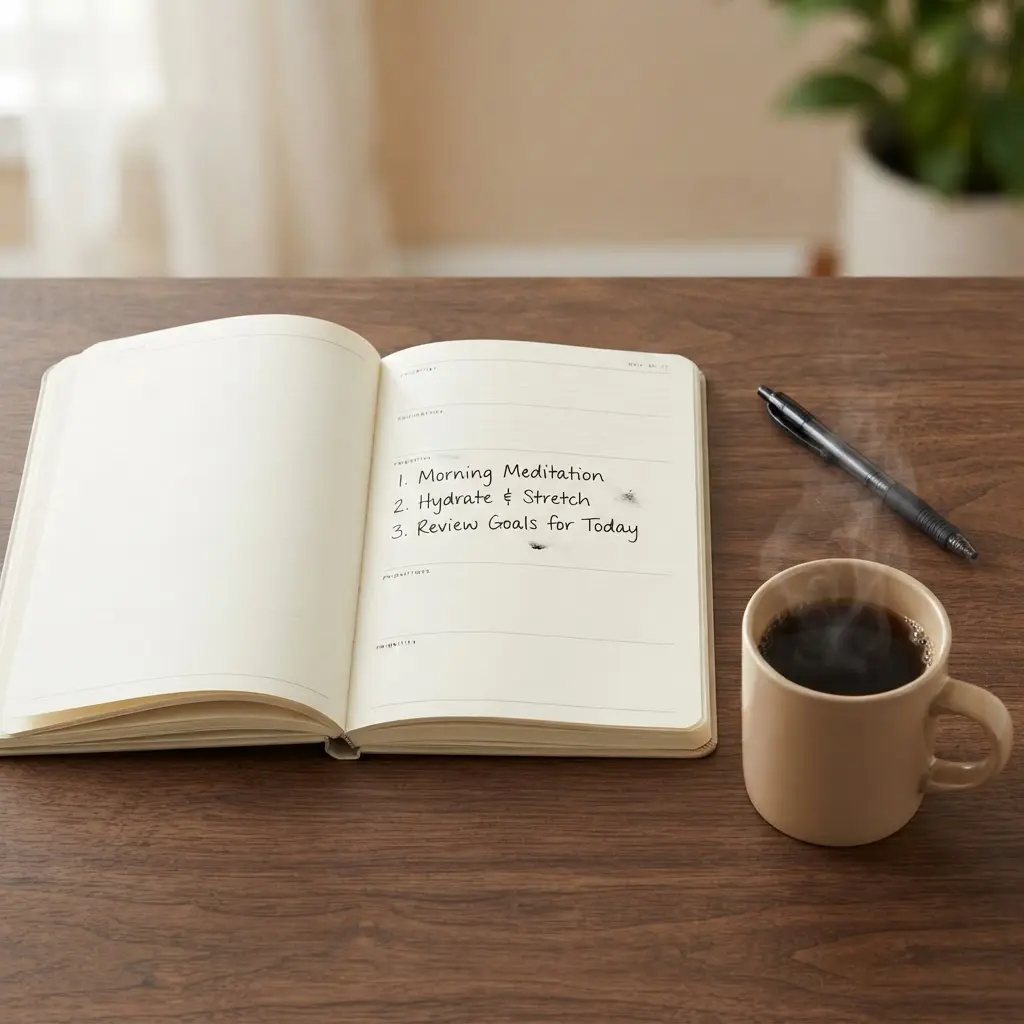
Filling every minute of the day is a common mistake. Leave open space for delays, rest, and unexpected duties. Begin with one to three most important tasks, then add time for meals, movement, personal care, and sleep. A schedule should guide the day without becoming a rigid test of success.
Start with a consistent wake time where practical. Drink water, spend five to 15 minutes in quiet breathing or reflection, and complete 10 to 20 minutes of gentle movement. Use a calendar to assign focused work blocks to high-priority tasks. Group emails and calls into one administrative block, then turn off unnecessary notifications during concentration periods.
Protect a midday reset by leaving the workspace for lunch. Add a short walk, outdoor time, or stretching. A buffer between major commitments creates room for transitions and reduces pressure when plans change. Research suggests structured breaks and clearer work boundaries support a more sustainable approach to daily demands.
End work with a 10- to 15-minute review. Note completed tasks, move unfinished work to another day, and identify tomorrow’s priorities. Mark the workday’s close with a walk, music, or workspace reset.
Reserve evening time for relationships, hobbies, and calm activities before a regular bedtime. Always consult a healthcare professional before making changes to your health routine.
Track Progress Without Chasing Perfection
Record your wake time, sleep length, morning energy, and mood in a paper habit tracker for two weeks before judging the routine. These notes show whether a new habit fits your sleep needs or leaves you tired by midday. Give more weight to steady energy, regular meals, and easier mornings than to a perfect streak.
Change one habit at a time, such as moving wake time by fifteen minutes or adding a short walk. Keep a missed morning from becoming a reason to quit, since illness, travel, and poor sleep affect daily capacity. Review your notes each weekend and keep habits which feel manageable.
If exercise, hydration, food, or sleep changes cause concerning symptoms, seek qualified clinical guidance. Progress means better support for your well-being, not a demanding schedule.
Conclusion
Your morning routine does not need to look perfect to support your well-being. A glass of water, a few minutes outside, or a short stretch still counts when life feels busy. The best tips for healthier morning routine are the ones you feel ready to repeat.
Choose one habit for the next week. Put your water beside your bed, set out breakfast items, or write your first task before sleep, applying tips for healthier morning routine. Keep the step small enough for a rushed morning. If a habit stops fitting your life, adjust it instead of giving up on the whole routine.
Notice how your energy, mood, and focus feel across the day. Then add one more habit when the first feels steady. Start tomorrow with one clear choice, and let your morning grow at a pace that feels kind and realistic.
FAQs
Q: How much water should I drink after waking?
A: Start with a glass of water and drink more when your body feels thirsty. Personal needs vary with weather, activity, and health.
Q: Why is morning light helpful?
A: Morning light helps your body follow a regular sleep and wake pattern. Spend a few minutes outdoors or near a bright window after waking.
Q: What is a quick breakfast with good nutrition?
A: Try plain yogurt with fruit and oats, eggs with whole grain toast, or a smoothie with fruit and unsweetened milk. Include protein, fiber, and a food you enjoy.
Q: How long should morning exercise last?
A: A few minutes of stretching, walking, or gentle bodyweight movement is a useful start. Choose a pace that feels comfortable and fits your schedule.
Q: How do I avoid checking my phone first thing?
A: Keep your phone away from your bed and prepare a clock, water, and notebook nearby. Check messages after washing, eating, or completing one small priority.