Looking for ways to have more energy at the gym? Eat a meal with carbohydrates and protein one to three hours before training, drink water through the day, and sleep well. A small snack before exercise helps when your last meal was several hours ago.
These basics support steady workout energy, giving you reliable stamina without heavy supplements. Low energy often comes from too little food, poor fluid intake, short sleep, or a hard session after a long day. I will walk you through simple meal timing choices, snack ideas, hydration habits, and signs your plan needs a small change, focusing on practical ways to have more energy at the gym.
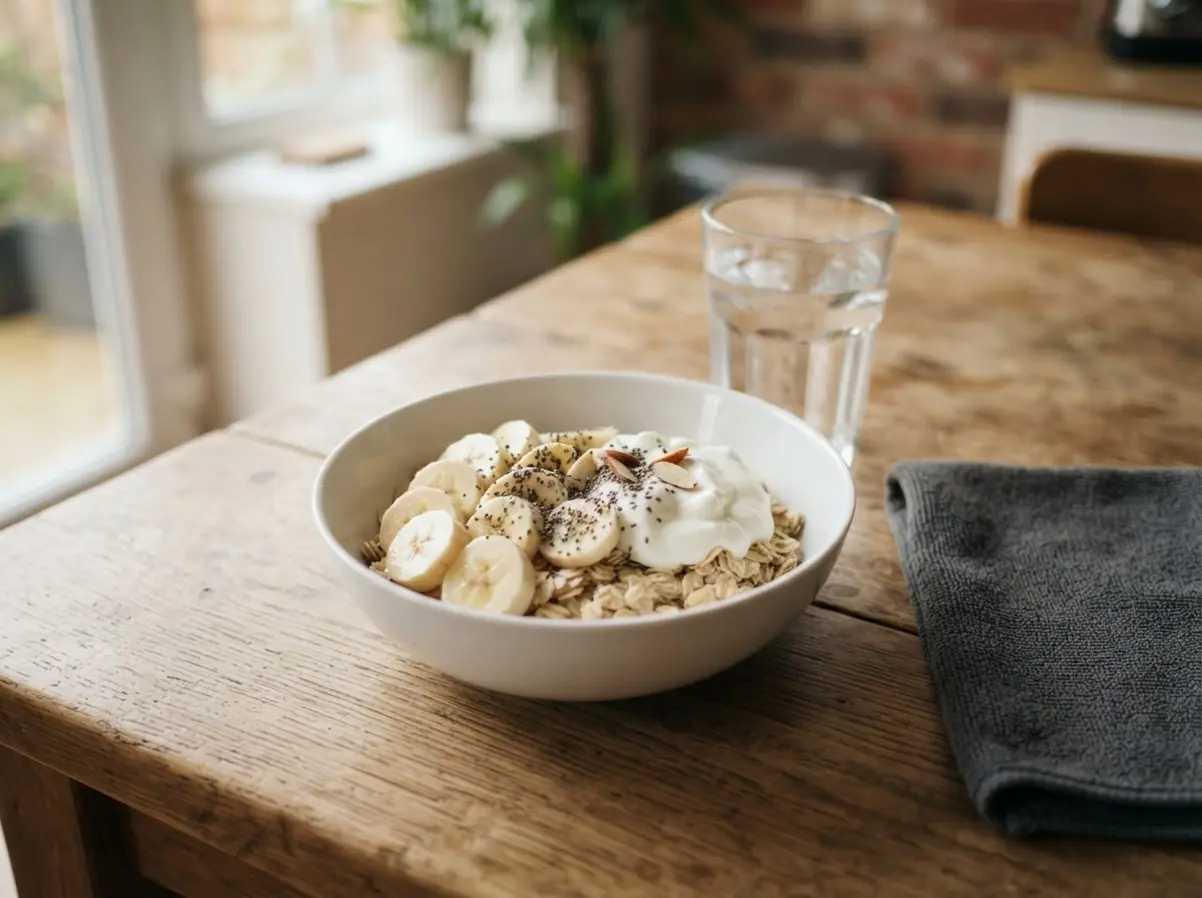
You do not need a large meal or a strong stimulant drink. Match the food amount to your workout and comfort, exploring clear ways to have more energy at the gym through steady daily routines. A banana with yogurt, toast with eggs, or oats with milk gives your body useful fuel.
Keep portions familiar during training days, then note how you feel. Let’s make your next gym session feel more steady, since testing simple routines offers proven results. Start with one change today, which remains a direct path toward finding ways to have more energy at the gym.
Carbohydrate Timing For Training Fuel
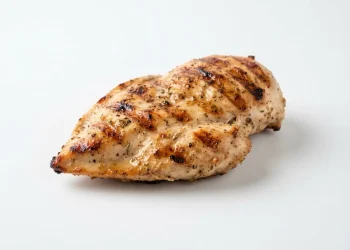
Eat a carbohydrate-rich meal two to four hours before a hard gym session, such as oats with yogurt, rice with chicken, or a potato with eggs, establishing baseline ways to have more energy at the gym. This timing gives digestion time while keeping blood glucose available during training. Pair the meal with 20 to 30 grams of protein from Greek yogurt, eggs, chicken, tofu, or milk to support muscle recovery.
Keep fats moderate because fried foods and creamy sauces often sit heavily before intense exercise. If your session starts within an hour, choose a smaller snack, such as a banana with toast or applesauce with low-fat yogurt. Digestible carbohydrates work well before demanding workouts, providing straightforward fuel for heavy lifts.
Your daily intake also matters, since skipped meals leave little fuel for lifting or cardio. Match the portion to workout length and stomach comfort to maintain steady stamina.
Hydration Cues Before Exercise
Drink 16 to 20 ounces of fluid about two hours before exercise so your session starts with steady hydration, proving that fluid habits rank among the top ways to have more energy at the gym. Use a marked water bottle to track intake across the day instead of waiting until thirst appears.
Plain water suits most workouts. Longer sessions in heat often need a drink containing electrolytes, minerals such as sodium and potassium, especially after heavy sweating, which shows how salt balance creates reliable ways to have more energy at the gym in warm rooms.
Pale yellow often suggests better fluid balance, while dark yellow urine points toward more fluids. Do not force large amounts right before lifting, since sloshing, nausea, and bathroom breaks often disrupt training. Your sweat rate, gym temperature, and workout length all change fluid needs, reminding you that pacing remains a key factor for steady training days.
1. Pre-Workout Nutritional Timing Strategies for Steady Energy
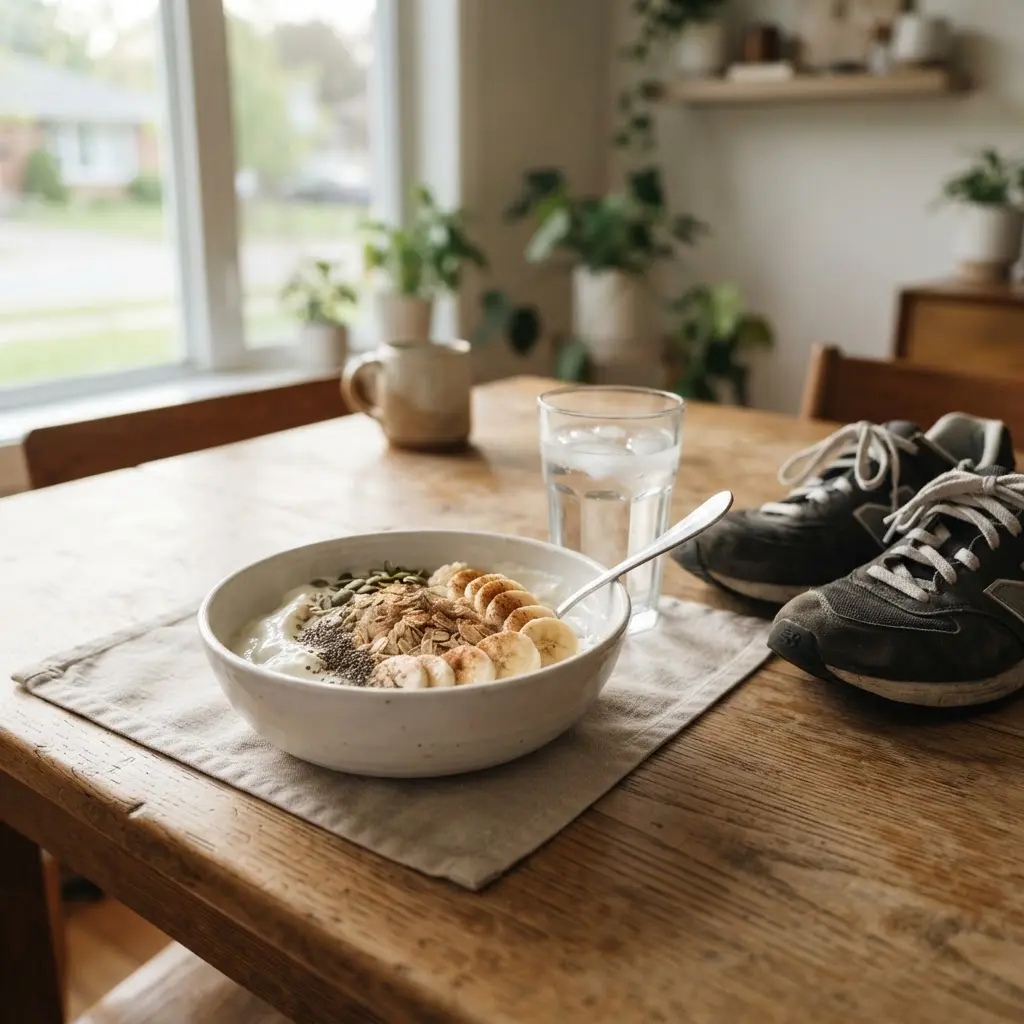
Eating a large meal shortly before training is a common mistake, which means avoiding heavy plates supports clear ways to have more energy at the gym. High amounts of fat, fiber, or protein digest slowly and often cause stomach discomfort. Choose a meal based on the time available before exercise.
Eat a normal mixed meal 2–4 hours before training. Include carbohydrates, a moderate protein serving, and moderate fat and fiber. Oats, fruit, whole-grain bread, and legumes work well during this window.
Use best breakfasts for energy as a starting point for an earlier meal, then adjust the portion to match your workout. Shorten the meal as training approaches, creating consistent ways to have more energy at the gym when schedules change quickly.
At 1–2 hours before exercise, put carbohydrates first and reduce fat and fiber. At 30–60 minutes, choose easily digested foods such as a banana, rice cakes, crumpets, white bread, or low-fiber cereal with low-fat milk. With less than 30 minutes, use a small sports drink, energy gel, or modest amount of candy.
Keep pre-workout protein moderate, often within the range of 10–40 grams. Carbohydrates supply much of the fuel for moderate- to high-intensity exercise, while protein supports muscle maintenance. Research suggests matching food volume and digestion time improves comfort and energy consistency.
Drink enough fluid to avoid thirst, and use a carbohydrate-and-electrolyte drink during hot or humid sessions. Always consult a healthcare professional before making changes to your health routine.
Recognizing Fatigue That Needs Evaluation
Seek medical evaluation for severe, unexplained, or ongoing fatigue rather than treating it as ordinary workout tiredness, ensuring you explore safe ways to have more energy at the gym without risking injury. Persistent exhaustion after adequate meals, fluids, and sleep deserves attention, especially when it affects work, driving, or daily tasks.
Chest pain, fainting, unusual shortness of breath, confusion, or a racing heartbeat during exercise calls for urgent medical care. Keep notes on sleep, training load, meals, and symptoms, since clear details help a clinician assess possible causes.
Some causes include anemia, meaning low red blood cell levels, thyroid problems, infection, medication effects, or mood disorders, so food alone will not always solve the problem. Scale back hard sessions until a health professional gives guidance, particularly when fatigue worsens or keeps returning, which guarantees you prioritize verified steps toward steady training days over guesswork.
Conclusion
Your workout energy is tied to daily habits, not one perfect snack. Eating enough across the day, drinking fluids regularly, and sleeping on a steady schedule gives your body a better base for training. Before your next session, choose one simple meal or snack and eat it early enough to see how it feels.
A food note on paper also makes patterns easier to spot. If fatigue keeps returning, lower the session load and speak with a qualified health professional, especially if tiredness affects daily life. The best ways to have more energy at the gym start with basics you repeat often.
Give your body time to adjust, keep your choices practical, and change one habit at a time. Your next workout does not need to feel perfect. It needs a thoughtful start and enough care to support you through the session.
FAQs
Q: What should I eat before an early gym workout?
A: Choose a small meal or snack with carbohydrate and some protein, such as a banana with yogurt or toast with an egg. Eat it about 30 to 90 minutes before training, based on your comfort.
Q: How long before the gym should I eat a full meal?
A: Finish a full meal about two to three hours before exercise. Pick foods familiar to you, with carbohydrates, protein, and little heavy fat if close timing causes stomach upset.
Q: Is water enough for every workout?
A: For many short, moderate sessions, water and regular meals cover fluid and fuel needs. Longer or sweat-heavy workouts often call for electrolytes and extra carbohydrates, guided by thirst and session length.
Q: Do pre-workout supplements improve gym energy?
A: Stimulant products often contain caffeine, which raises alertness but also affects sleep and heart rate. Read the label, avoid mixing products, and ask a health professional about safety if you use medicine or have a health condition.
Q: Why do I feel tired even after eating before exercise?
A: Food timing is only one part of workout energy. Short sleep, low daily food intake, dehydration, stress, or a session beyond your current fitness level also drain energy.