Need Tasty low-calorie unrefrigerated foods for work, travel, school, or backup supplies? When planning meals, remember that Tasty low-calorie unrefrigerated foods include dried seaweed, roasted chickpeas or peas, whole grain crisps, freeze-dried fruit, and lower-sugar jerky sticks. These choices travel well, need no cooler, and bring a mix of fiber, protein, or crunch for snack time. I know busy days often leave little time to plan food.
A small shelf-stable snack helps you avoid skipping meals or reaching for sweets when hunger hits. Shelf-stable food also fits school bags, desk drawers, road trips, and emergency kits. Look for sensible portions, modest added sugar, and sodium levels that fit your needs. Let’s sort through five tasty options, along with simple label tips, so you have easy choices ready for the next busy day.
Reading Calories Across Unequal Serving Sizes
Compare calories per serving only after checking the serving size, since one cracker portion might contain fewer pieces than you expect. The Nutrition Facts label shows calories, added sugars, saturated fat, and sodium for the listed amount, not always the whole pouch or packet. Tracking Tasty low-calorie unrefrigerated foods makes portion control simpler when snacks arrive in odd quantities.
A tuna pouch marked two servings doubles its stated calories when eaten at once. Dried fruit deserves extra care because removing water packs more calories into a smaller handful than fresh fruit. Portion small bags before leaving home, especially for crackers, popcorn, and roasted legumes.
If a package lists grams and cups, weigh or measure once so your usual portion matches the label. This habit keeps travel snacks predictable without banning foods you enjoy.
Protecting Shelf-Stable Foods From Heat
Keep unopened shelf-stable snacks in an insulated lunch bag when temperatures rise, since a parked car heats far beyond normal room conditions. Direct sun speeds quality loss in chocolate-coated bars, oily crackers, and some soft snacks, even when packages stay sealed. Storing Tasty low-calorie unrefrigerated foods properly matters when summer days bring unexpected heat waves.
Store supplies in a cool cupboard at home rather than beside an oven, radiator, or sunny window. Check every pouch, can, and packet before eating. Throw away anything swollen, leaking, rusted through, or badly damaged, since pressure and broken seals signal a safety concern.
Heat-sensitive foods deserve shorter storage times after repeated hot trips. Foods needing refrigeration after opening should go into a cooler or get eaten soon after opening, rather than returning to a warm bag.
1. Dried Seaweed Snacks: Light, Salty, and Portion-Friendly
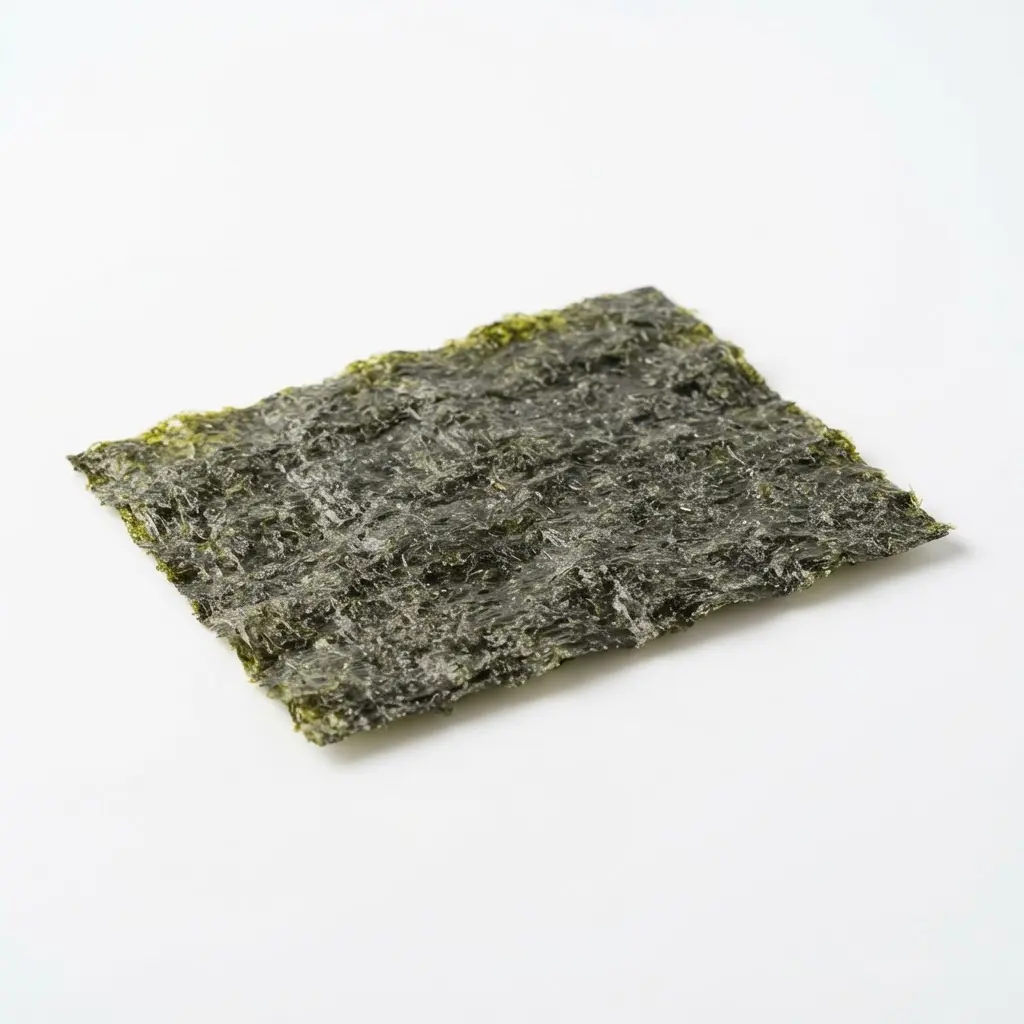
A common mistake is treating every dried seaweed snack as a free food because each packet feels light. Check the serving size before eating. Many packets contain about 4.5 to 5 grams and provide roughly 20 to 30 calories, but nutrition varies by product. Making label checks essential when buying Tasty low-calorie unrefrigerated foods prevents accidental overeating.
Roasted nori is formed into thin sheets or small pieces, then lightly coated with oil and seasoned with sea salt. Roasting removes moisture and creates a crisp texture. Individual packets fit easily into a lunchbox, desk drawer, travel bag, or emergency food supply.
Research suggests portioned snacks support more controlled eating than large bags because the amount is visible before eating begins, a routine that pairs smoothly with Tasty low-calorie unrefrigerated foods during busy weeks. Use dried seaweed as one option among other low-calorie hunger killers when you need a salty crunch without a large serving.
Read the nutrition label for calories, fat, sodium, and the number of servings per packet, which helps you compare Tasty low-calorie unrefrigerated foods accurately. Choose products with short ingredient lists when possible, such as roasted seaweed, sunflower or avocado oil, and salt. Seaweed naturally contains iodine and can also provide small amounts of B vitamins, calcium, magnesium, and iron.
Amounts differ by seaweed type and brand. Limit repeated packets when sodium intake matters. Check claims such as organic, vegan, gluten-free, or non-GMO on the package instead of assuming every product meets the same standard. Always consult a healthcare professional before making changes to your health routine, especially when monitoring iodine intake.
2. Roasted Legume Snacks for Fiber and Plant Protein
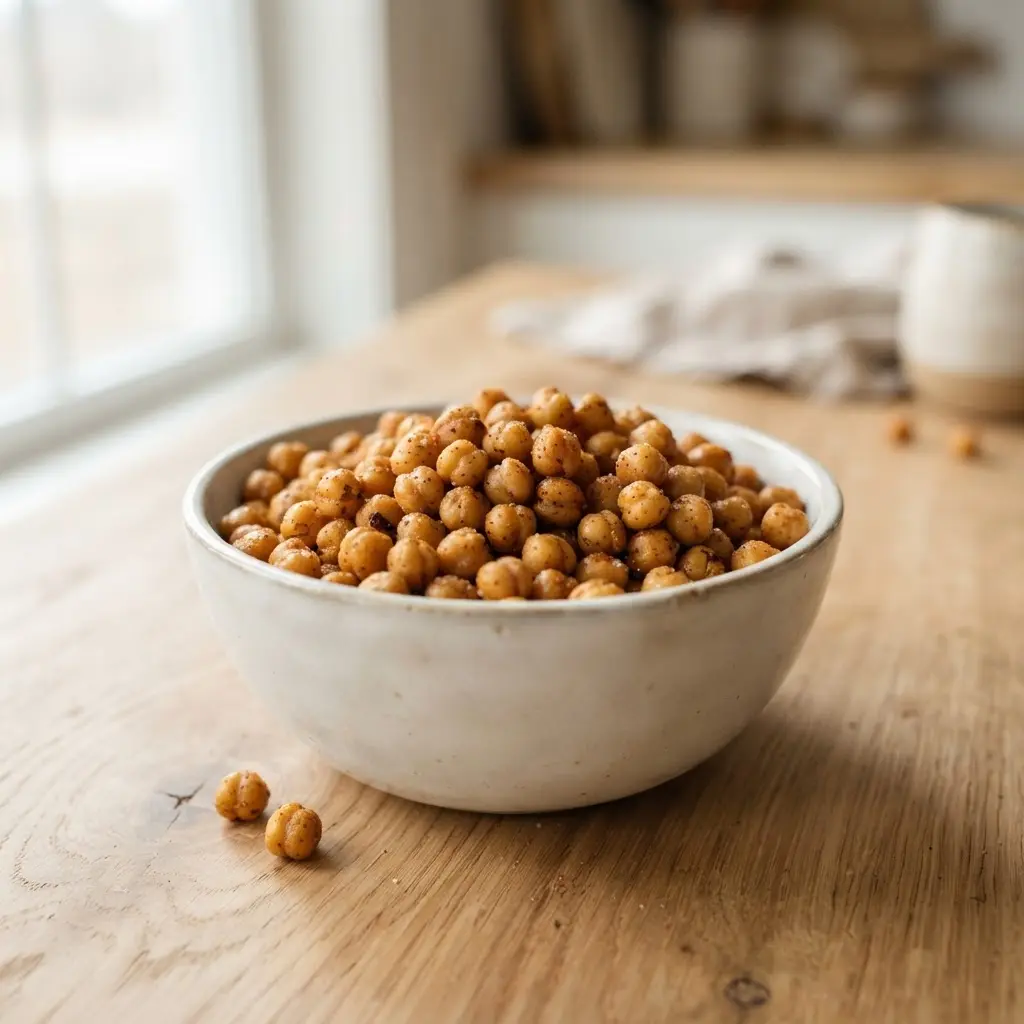
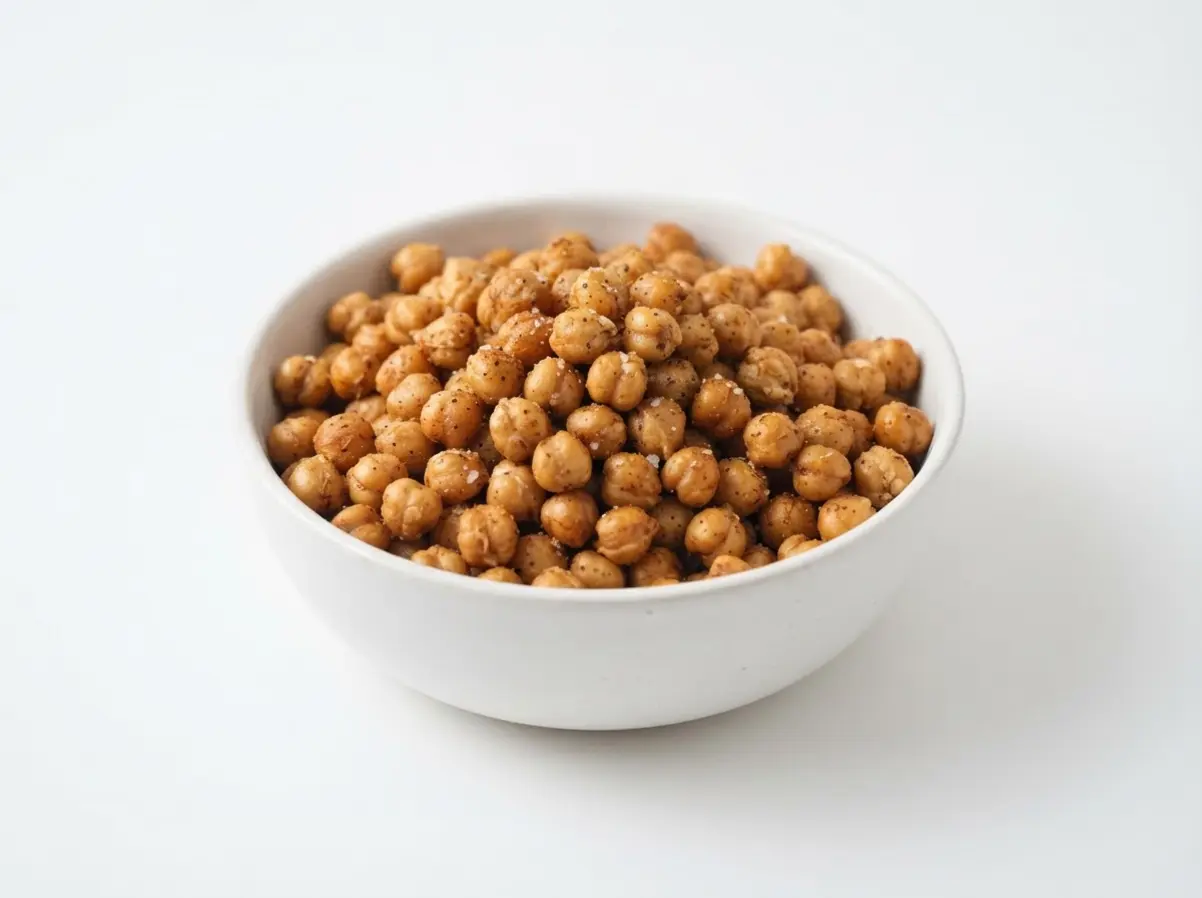
Start with chickpeas and dry chickpeas thoroughly before seasoning. A simple step that keeps Tasty low-calorie unrefrigerated foods crispy is patting them with a clean towel until no surface moisture remains. Rinse and drain canned chickpeas first, since moisture causes steaming, so dry legumes brown and crisp more easily. Toss with a small amount of olive or avocado oil, plus paprika, cumin, garlic powder, or black pepper.
Spread the legumes on a single baking sheet without crowding. Keeping heat distribution even for Tasty low-calorie unrefrigerated foods means you must stir them several times for even browning. Roast at 375 to 425°F for 20 to 40 minutes. Chickpeas often become crisp, while edamame tends to stay chewier and nuttier. Black beans and Puy lentils hold their shape well when cooked until tender rather than soft.
Legumes provide fiber and plant protein, along with folate, iron, potassium, magnesium, and zinc. Research suggests snacks containing both fiber and protein often feel more satisfying than foods with little fiber. Making them reliable choices among Tasty low-calorie unrefrigerated foods gives you a quick nutrient boost. A small portion fits easily into a work bag, lunch container, or travel pouch for short-term storage without refrigeration.
Cool roasted legumes completely before transferring them to an airtight container. Store them at room temperature and eat them within a few days, with the crispest texture usually present during the first 2 to 3 days. Add maple syrup near the end of roasting rather than at the start, since sweet coatings burn quickly. Season separate batches with rosemary, curry powder, chili powder, cinnamon, or a small amount of cayenne.
3. Whole Grain Crisps With Simple Ingredients
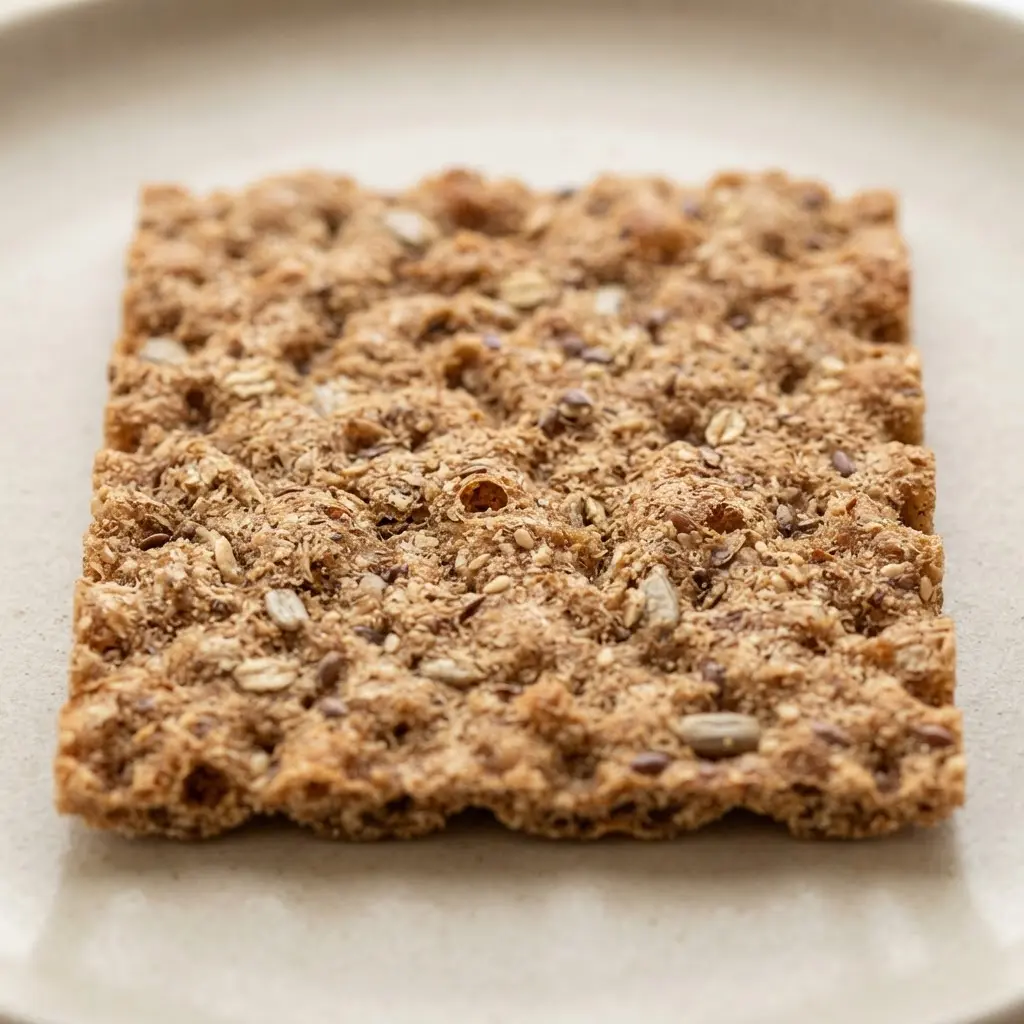
At midmorning, keep a pack of whole grain crisps in a desk drawer or day bag for a crunchy snack without a refrigerator. Showing how Tasty low-calorie unrefrigerated foods fit tight schedules, these dry foods store well because whole grain wheat, whole wheat flour, or brown rice forms the main base. Choose a crisp with a clearly named grain when you want a straightforward option.
Check the ingredient list before buying. Triscuit Thin Crisps Original Whole Grain Wheat Crackers list whole grain wheat, canola oil, and sea salt. Vilgain Organic Wholegrain Crackers add water, coconut oil, sesame seeds, salt, and flax seeds. A short list shows which ingredients provide the grain, crisp texture, and flavor. Reading labels helps you find the best Tasty low-calorie unrefrigerated foods for your daily routine.
Choose organic brown rice crisps for the simplest formulation. The Real Cereal Company’s version lists only organic brown rice. This choice suits a pantry, office drawer, or travel bag where refrigeration is unavailable. Pair a measured portion with fruit or another shelf-stable food when you need a more filling snack.
Read labels closely when avoiding specific ingredients. Sesame seeds and flax seeds appear in some wholegrain crackers, while oils such as canola or coconut oil appear in others. Research suggests whole grains support a nutritious eating pattern, while ingredient checks make portion and food choices easier to manage. Store opened crisps in a sealed container to preserve their crunch.
4. Freeze-Dried Fruit Options for Sweet Portable Snacks
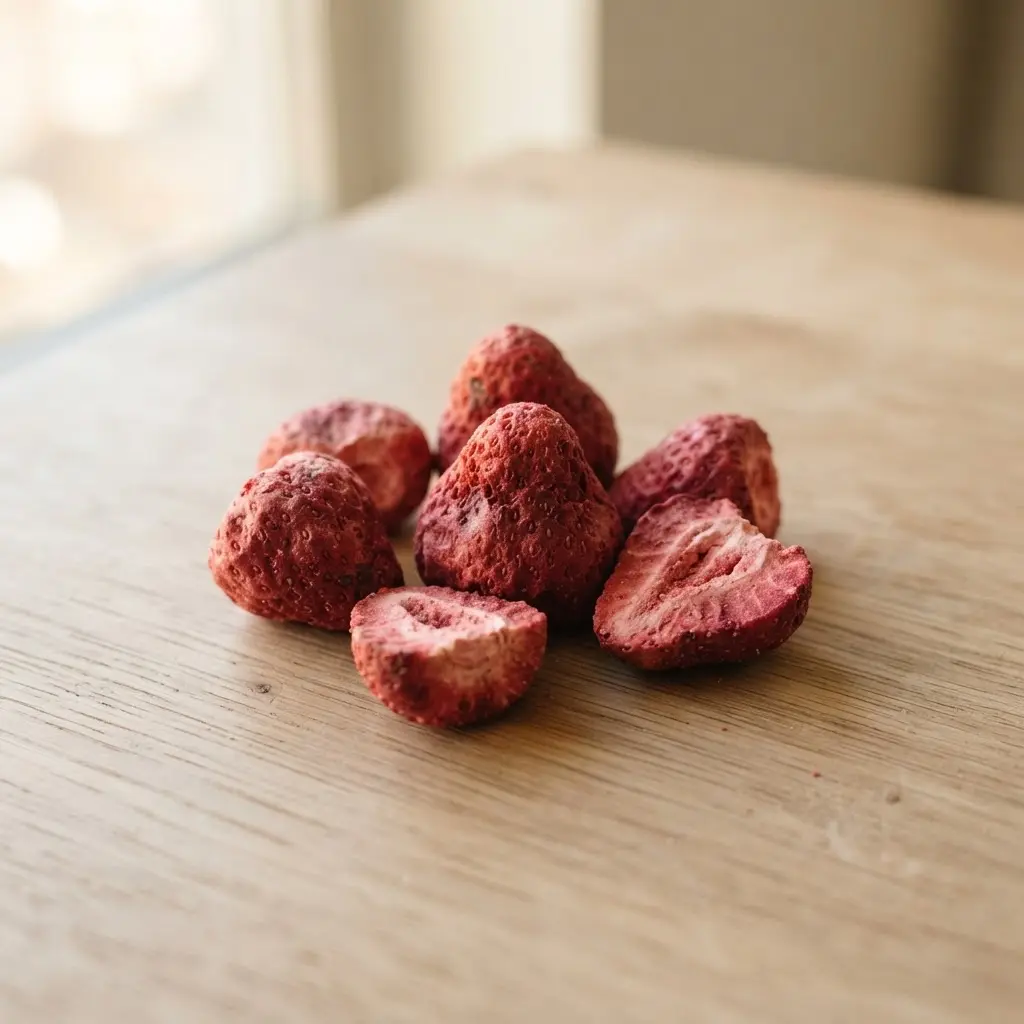
A common myth says freeze-dried fruit is mainly a sweetened candy substitute. The truth is more varied. Some packages contain only fruit, while others include added sugar. Check the fruit-only ingredient list when you want the simplest option. Strawberries, blueberries, raspberries, and berry blends offer natural sweetness with a crisp bite.
Choose sliced apples or bananas for familiar flavors. Cinnamon apples add spice without needing preparation. Mango and pineapple come in chunks with concentrated tropical flavor. Mango tastes intensely sweet, while pineapple brings a sharper sweet-tart balance. Peaches, pears, and cherries provide more options for a portable snack mix.
Texture differs by fruit, cut, and package. Slices and small pieces often feel crisp, while some peaches and pears have a slightly chewy bite. Open a resealable pouch, eat the desired portion, then close the package to protect the texture during work, school, travel, or outdoor activities. No cooking or refrigeration is needed.
Research suggests that having ready-to-eat snacks available supports planning around hunger, especially during long commutes or busy workdays. Review the serving size and added sugar before eating from a large bag, since dry fruit is easy to consume quickly. Start with a variety pack when you are unsure which fruit or texture suits you best. Keep the package sealed between servings.
5. Lean Protein Jerky Sticks With Lower-Sugar Choices
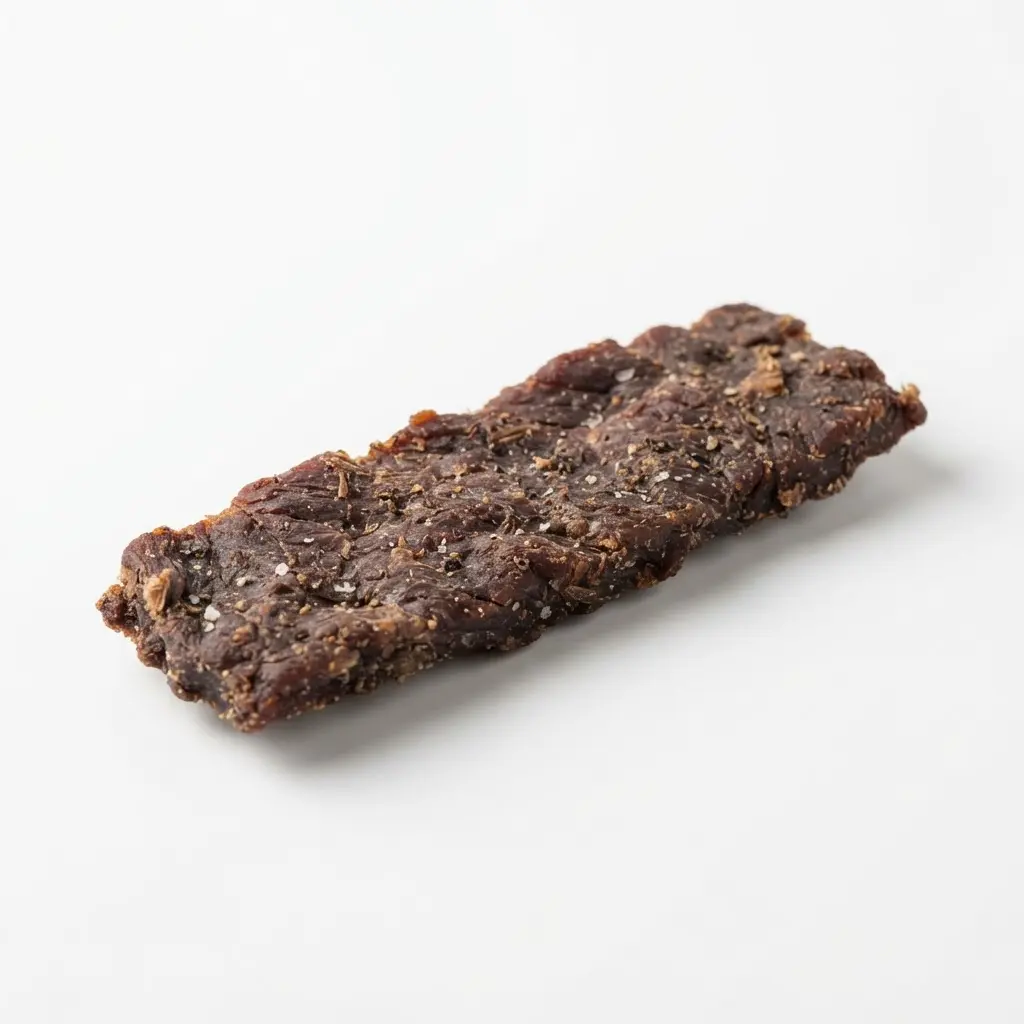
Looking for a portable protein snack without added sugar? Choose a lower-sugar jerky stick with a clear nutrition label. Mission Meats Original provides 9 grams of protein and 0 grams of sugar per stick. TCS, Chomps Sea Salt, and Chomps Smoky BBQ each provide 10 grams of protein and 0 grams of sugar. These individual portions fit easily into a work bag, car kit, or hiking pack.
Read the ingredient list before selecting a flavor. Mission Meats uses grass-fed and finished beef with sea salt, celery powder, and black pepper. Chomps Sea Salt includes garlic and cherry powder, while the Smoky BBQ version uses a spice blend and natural-hardwood smoke. Apex Protein Snacks uses lean, whole-muscle meats and lists 10 to 11 grams of protein per stick.
Research suggests protein-rich snacks support fullness between meals, which makes lean jerky useful during a busy day. Select 0-gram sugar options when limiting added sugar, and compare total carbohydrates across flavors. Apex products generally list 0 grams of sugar, though some varieties contain tiny amounts from dehydrated fruit or cheese.
Do not rely on front-label claims alone. Check serving size, sodium, protein, sugar, and ingredients before purchase. Choose products with certifications suited to your needs, such as gluten-free, keto-friendly, or Whole30 Approved. Keep unopened sticks in a cool, dry place according to the package directions.
Building A Rotating Emergency Snack Supply
Choose single-serve tuna pouches when building an emergency snack supply because they provide filling protein without a can opener or draining bowl. Pair each pouch with portioned crackers, rice cakes, or roasted legumes so one meal stays easy to measure. Whole apples and oranges add water and fiber, while dried fruit takes less space but needs smaller portions.
Write purchase dates on boxes and move older packages to the front each month. Replace anything with a broken seal, bulging shape, leak, or unpleasant odor. Keep a manual opener, disposable spoon, and drinking water beside foods packed in cans or needing preparation. Rotate supplies after school trips, travel, or busy workdays instead of letting emergency food sit untouched for years.
Conclusion
Busy schedules do not need to push convenient eating aside. A few shelf-stable choices in your bag, desk, or emergency box give you more control over snack time. Tasty low-calorie unrefrigerated foods also give you a reliable backup when grocery runs get delayed. Start by choosing two options from this list.
Pair a crunchy food with protein or fruit when you want a snack with more staying power. Check the serving size, added sugar, sodium, and ingredient list before buying several packages. Then store unopened foods in a cool, dry place and rotate older items first. Keep a few portions where you spend the most time, such as your car, work area, or school bag. Small preparation steps make balanced choices easier during busy days. Pick one snack to pack today, and add another after you learn which flavors fit your routine.
FAQs
Q: Are unrefrigerated snacks healthy?
A: Many fit a balanced eating pattern when portions suit your needs. Check added sugar, sodium, fiber, protein, and the ingredient list before buying.
Q: How long do these foods last?
A: Shelf life varies by product and package. Follow the printed date, keep packages sealed, and store them in a cool, dry place.
Q: Are these foods safe for school or travel?
A: Sealed shelf-stable foods suit school bags, commutes, and road trips. Keep packages away from heat, moisture, and direct sunlight.
Q: What should I check on snack labels?
A: Review serving size, calories, added sugar, sodium, fiber, and protein. A short ingredient list helps you compare similar products.
Q: Do low-calorie snacks keep me full?
A: Protein and fiber often help a snack feel more satisfying. Pair fruit or grain foods with legumes, seeds, or lean jerky for a fuller option.