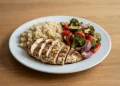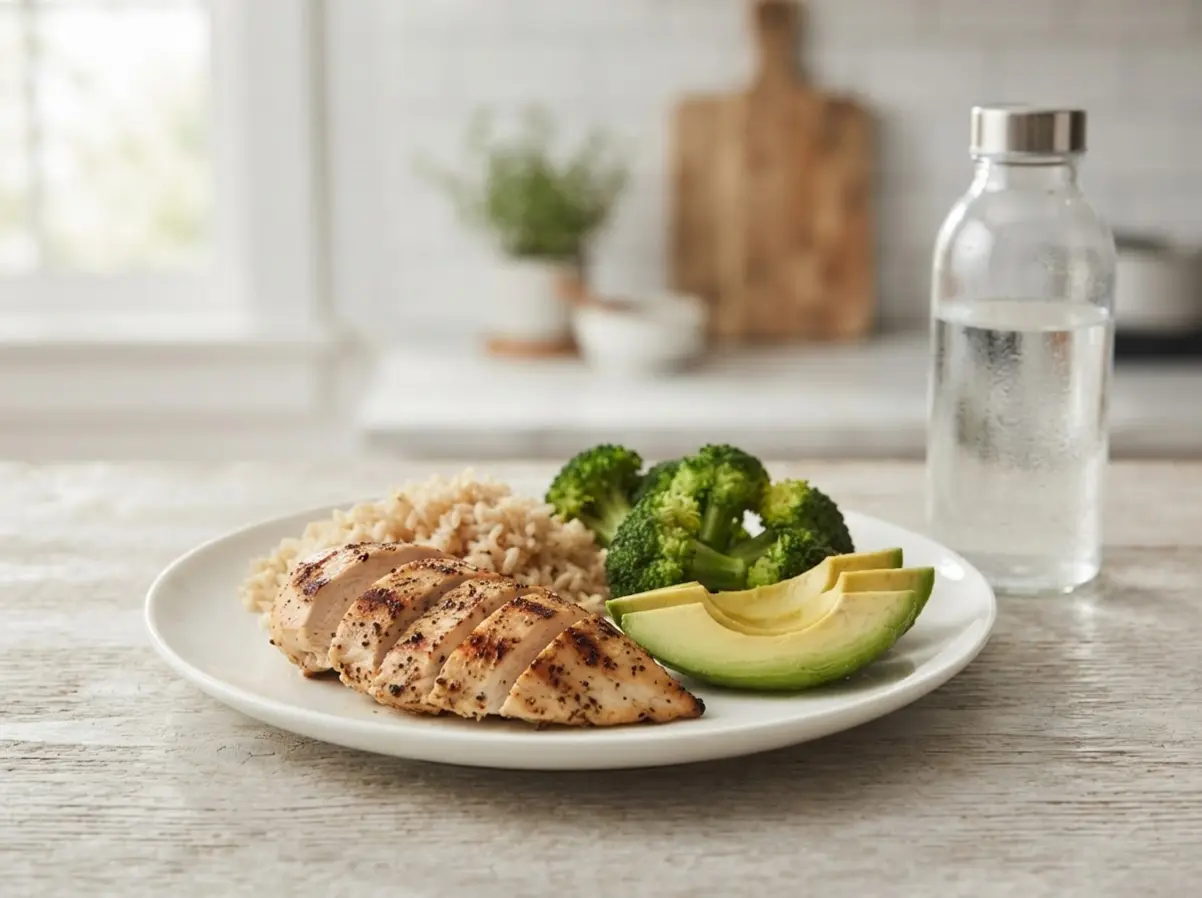
Tips for gym beginners heres what you should eat: Start with regular meals built from protein, whole-grain carbohydrates, colorful produce, healthy fats, and water. A meal before training supports energy, while food after training supports muscle repair. You do not need strict calorie counting or supplements to begin. Starting a gym routine feels easier when meals feel simple too. I know food advice often sounds confusing, especially when every plan seems different. This guide breaks eating into four clear parts: protein for repair, carbohydrates for workout fuel, fats for satisfaction, and fluids for hydration.
You will also find easy food examples for busy days. Choose one small change first, such as adding yogurt at breakfast or drinking water before training. Let’s make your next meal support your new routine.
Meal Timing Around Your First Workouts
Eat a meal containing easily digested carbohydrates and lean protein one to four hours before training. This timing gives your body fuel without forcing you to exercise on an empty stomach. A bowl of oats with yogurt, a turkey sandwich, or rice with eggs fits this window.
Keep high-fat foods and large amounts of fiber away from the final hour if they leave you bloated or sluggish. A small banana with yogurt suits a shorter gap. Test familiar foods during easy sessions, since stomach comfort varies. Water works for workouts lasting about an hour or less, while longer, harder sessions might call for carbohydrates and electrolytes.
This approach keeps meal timing practical and avoids treating supplements as required. Remember, these ideas align with Tips for gym beginners heres what you should eat.
Building Balanced Plates Without Supplements
When following Tips for gym beginners heres what you should eat, build each main meal around a colorful plate with vegetables or fruit, a carbohydrate source, and a protein food. This pattern gives beginners a simple way to cover training needs without protein shakes. Choose rice, potatoes, bread, or whole grain pasta for energy, then add eggs, poultry, fish, beans, tofu, or lean meat.
Greek yogurt works well beside fruit when you need a quick option. Keep portions familiar and adjust them around hunger and workout demand rather than copying someone else’s plan. A balanced plate also brings vitamins, minerals, and fiber from produce. Shakes offer convenience, yet they do not replace regular meals for most beginners. Check labels on sweetened drinks, since liquid calories add up quickly.
1. Essential Protein Sources for Muscle Repair
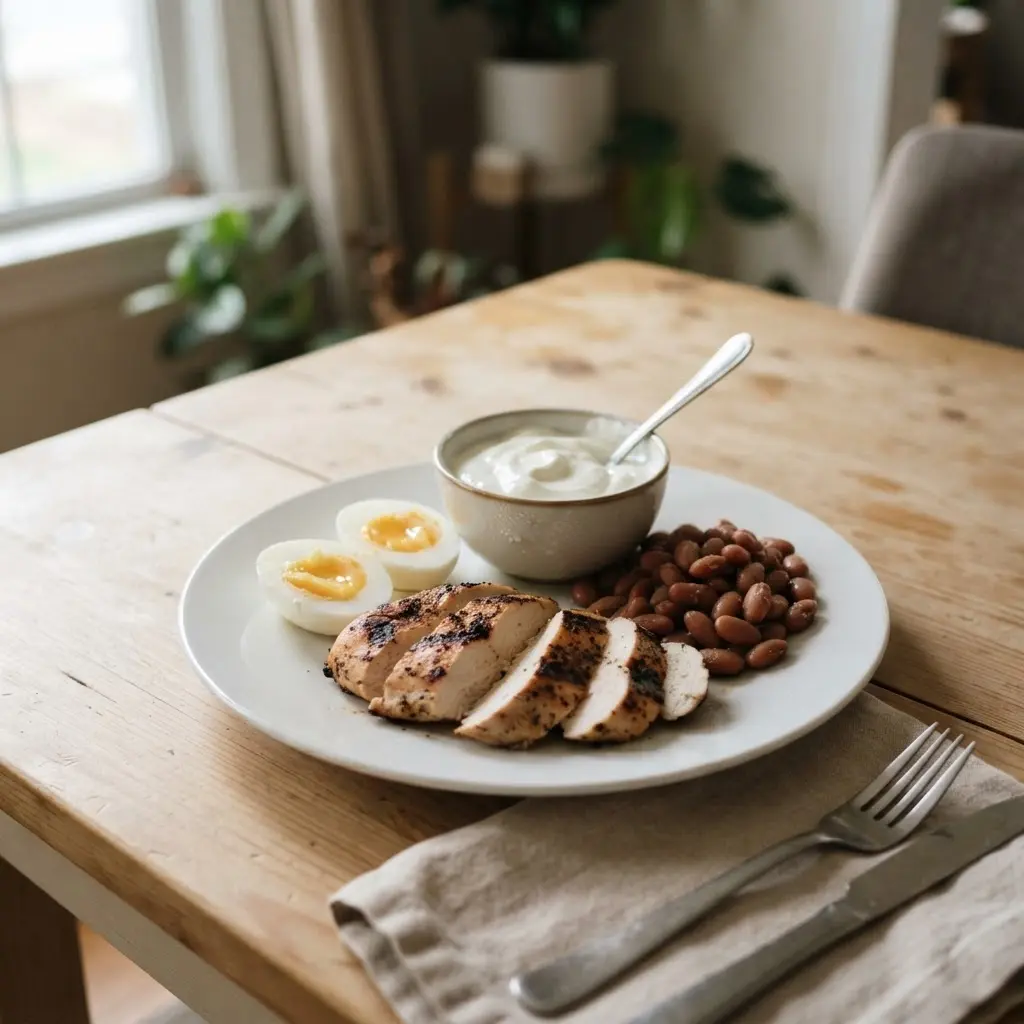
Relying on a single protein shake is a common beginner mistake. Choose whole-food protein sources across the day instead. Protein supplies amino acids, which your muscles use for repair and maintenance after resistance training. Aim for about 1.4–2.0 grams of protein per kilogram of body weight each day during regular resistance exercise.
Spread servings across breakfast, lunch, dinner, and a post-workout meal. Research suggests total daily protein matters more than relying on one large serving after training. This fits well with Tips for gym beginners heres what you should eat. Build meals around protein at each meal. Eggs with whole-grain toast, Greek yogurt with fruit, or milk after training provide practical choices.
Chicken, turkey, or lean beef pair well with rice and vegetables. Use high-protein superfoods to add variety while keeping other nutrients in your diet. Plant-based choices include tofu, tempeh, beans, lentils, and quinoa. Combine legumes with rice or whole-grain bread across the day to supply a broad range of essential amino acids.
Nuts and seeds provide protein and healthy fats, but their calorie content makes portion control useful. Lean meats supply iron and zinc, dairy supplies calcium, and beans provide fiber, folate, potassium, iron, and zinc. Always consult a healthcare professional before making changes to your health routine, especially with kidney disease or another medical condition.
2. Complex Carbohydrates for Steady Workout Energy
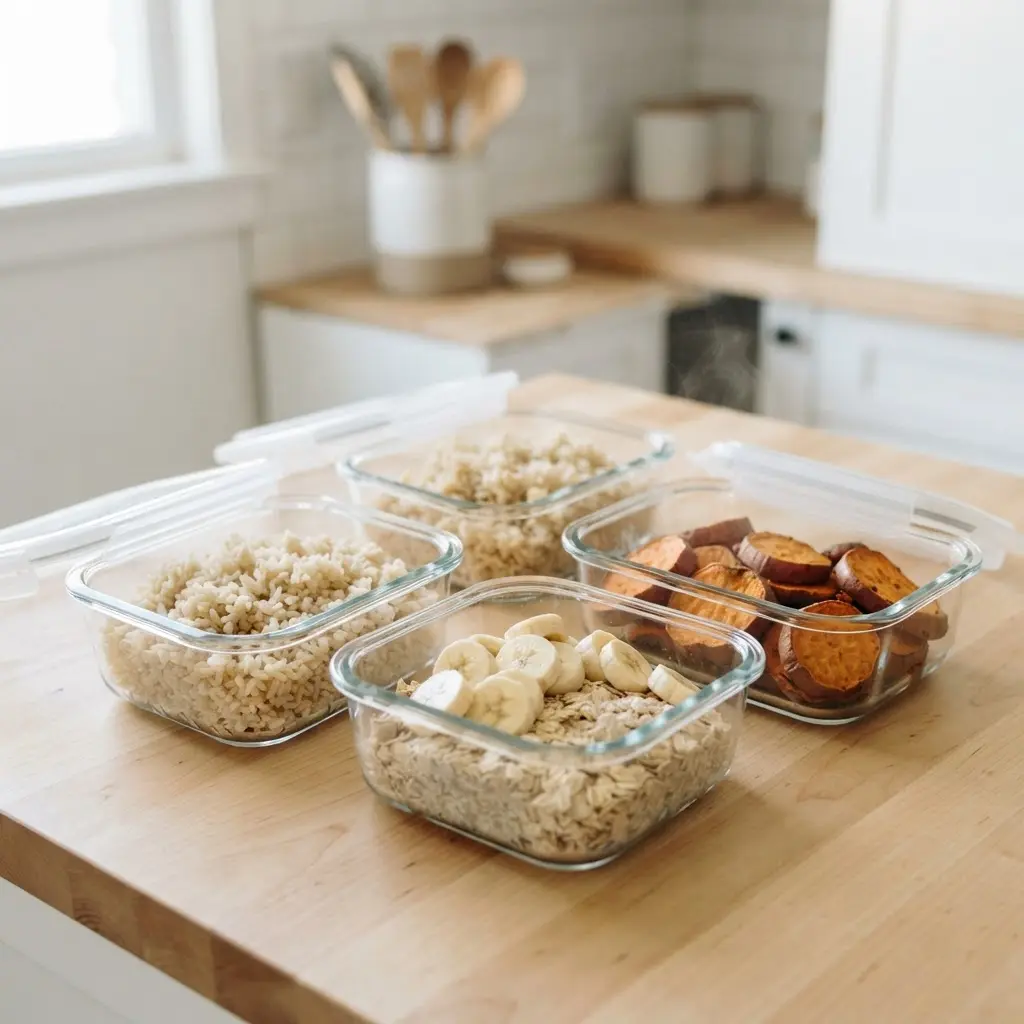
Build each day around complex carbohydrate foods instead of waiting until the last minute before training. Choose oats, quinoa, brown rice, whole-wheat pasta, whole-grain bread, sweet potatoes, legumes, or fruit. These foods digest more slowly and release fuel at a steadier pace.
Eat a balanced meal 3–4 hours before exercise when your schedule allows. Include a generous carbohydrate portion, moderate protein, and less fat. Oatmeal with yogurt, brown rice with chicken, or a sweet potato with eggs provides time for digestion before the session. Research suggests regular carbohydrate intake supports energy during prolonged or high-intensity exercise and helps reduce the risk of exercise-induced hypoglycemia.
Use a smaller snack 30–60 minutes before training when a full meal is too close to the workout. Pair a banana with yogurt, whole-grain toast with a small amount of nut butter, or fruit with cottage cheese. Keep the portion light to reduce stomach discomfort. Planning snacks this way supports Tips for gym beginners heres what you should eat.
Choose quick-digesting carbohydrates immediately before exercise when only a few minutes remain. Fruit, raisins, or a little honey supplies accessible fuel without the volume of a full meal. Fuel longer sessions with 30–90 grams of carbohydrates per hour during workouts lasting more than one hour.
Bananas, raisins, and honey are practical options. Shorter workouts often need no food during training, especially after a suitable meal. Spread carbohydrates across meals rather than relying on one final snack. Always consult a healthcare professional before making changes to your health routine.
3. Healthy Fats for Daily Vitality and Satisfaction

To start, remember that Tips for gym beginners heres what you should eat. At breakfast before an early workout, add a spoonful of seeds to oatmeal instead of eating a plain bowl. Add one measured fat source to a balanced meal. Fat slows digestion and adds staying power, while protein and fiber support fullness.
Choose avocado, extra-virgin olive oil, nuts, seeds, eggs, or fatty fish. Salmon, mackerel, and sardines provide omega-3 fatty acids. Egg yolks provide fat and choline. Research suggests omega-3-rich foods support brain health and normal inflammation-related processes. A meal with eggs, whole-grain toast, and avocado offers several useful nutrients without relying on highly processed foods.
Keep portions modest because oils, nuts, seeds, and avocado contain concentrated energy. Use a small handful of almonds or walnuts, one spoonful of chia or flaxseeds, or a measured drizzle of olive oil. Add seeds to yogurt, oatmeal, or a smoothie. Place avocado in a sandwich or bowl.
Include fatty fish in meals a couple of times each week. Build meals around protein, fiber, and one measured fat source rather than chasing metabolism-boosting foods as a separate category. Keeping fats measured aligns with Tips for gym beginners heres what you should eat. Avoid treating all fats as unhealthy, but do not treat nutritious fats as unlimited foods. Measuring oil and calorie-dense toppings prevents portions from growing without notice. Nutrition needs vary with health conditions, allergies, medications, calorie needs, and personal goals. Always consult a healthcare professional before making changes to your health routine.
4. Hydration Strategies for Beginners During Training
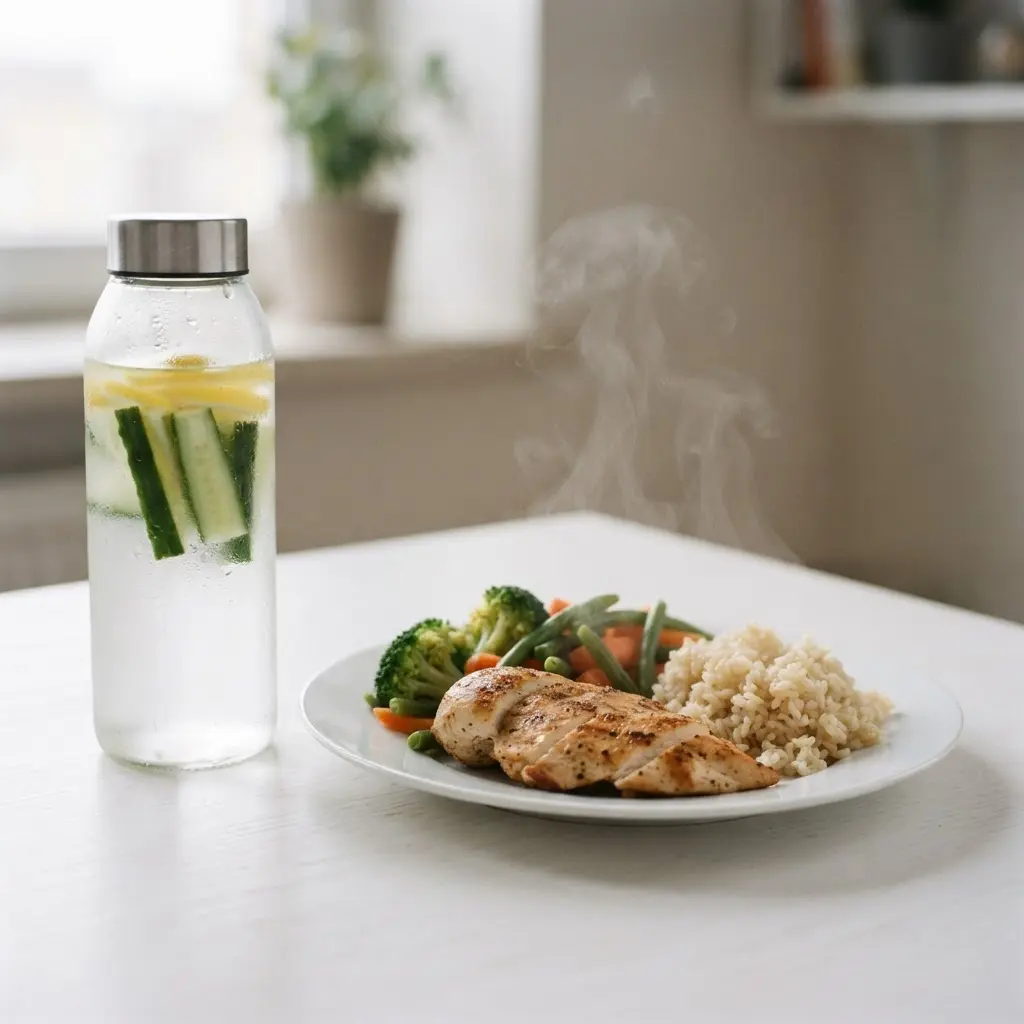
Myth: drinking only during a workout keeps hydration on track. Start earlier and continue afterward. Sip fluids across the day, then drink 16–20 ounces 2–3 hours before training. Take another 8 ounces 20–30 minutes before starting.
Pale-yellow urine usually signals adequate fluid intake, while dark-yellow urine signals a need for more. During training, use a water bottle and take small sips every 10–20 minutes. A general guide is 7–10 ounces per interval. Water suits shorter, easier sessions. Tracking fluids this way matches Tips for gym beginners heres what you should eat.
Sessions lasting more than 60 minutes, intense workouts, hot rooms, or heavy sweating increase the value of a sports drink with carbohydrates and electrolytes such as sodium and potassium. After exercise, continue drinking to replace fluid loss. Weigh before and after training when practical. Drink 16–24 ounces for each pound lost.
Electrolyte drinks support replacement after heavy sweating. Research suggests regular fluid intake helps limit problems linked with dehydration, including reduced exercise tolerance, headache, and dizziness. Thirst offers useful feedback, but do not wait until extreme thirst. Set phone reminders, flavour water with lemon or berries, and test amounts during shorter sessions. Avoid forcing large volumes, since needs vary with workout length, intensity, temperature, humidity, sweat rate, and heat acclimatization. People with medical conditions or fluid restrictions need individualized advice. Always consult a healthcare professional before making changes to your health routine.
Adjusting Portions To Your Training Response
Track your food and training for two weeks with a food journal before changing portions. Note hunger, energy during workouts, soreness, sleep, and weight trends rather than judging one day. If sessions feel flat and hunger stays high, add a modest serving of rice, oats, potatoes, or fruit near training. If you feel overly full or sluggish, reduce the portion closest to exercise while keeping protein and vegetables steady.
A stable weight with improving strength often signals enough food for a beginner. Rapid weight change, ongoing fatigue, or poor recovery deserves attention from a registered dietitian or clinician. Allergies, diabetes, digestive conditions, and dietary restrictions need personal guidance. Reassess after another week instead of changing meals daily. Adjusting slowly reflects the spirit of Tips for gym beginners heres what you should eat.
Conclusion
Your first gym weeks are about building comfort, strength, and steady habits. Food helps you feel ready to train and supports recovery after each session. Use Tips for gym beginners heres what you should eat as a simple starting point, not a strict rulebook.
Begin with one balanced plate today. Add a protein food, a filling carbohydrate, produce, and a small source of healthy fat. Keep water nearby, and notice how your energy feels during training. If you have a health condition, follow a special diet, or want detailed guidance, speak with a registered dietitian. Your meals do not need to look perfect to support progress. Give yourself time to learn what feels good, keep your choices practical, and let small habits grow through regular practice.
FAQs
Q: What should I eat before my first gym workout?
A: Choose a meal or snack with carbohydrates and some protein. Oatmeal with yogurt, a banana with peanut butter, or rice with eggs are simple choices.
Q: What should I eat after a beginner workout?
A: Have protein and carbohydrates within your next meal. Chicken with rice, tofu with potatoes, or yogurt with fruit support muscle repair and energy.
Q: How much water should I drink during exercise?
A: Drink water before training and take regular sips during the session. Sweat, heat, workout length, and personal health affect fluid needs.
Q: Do gym beginners need protein supplements?
A: Most beginners get enough protein from foods such as eggs, dairy, beans, fish, chicken, tofu, and lean meat. A registered dietitian helps with personal supplement questions.
Q: Should I count calories when I start going to the gym?
A: Calorie counting is not needed for every beginner. Start with regular meals, balanced portions, and attention to hunger, fullness, energy, and recovery.