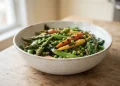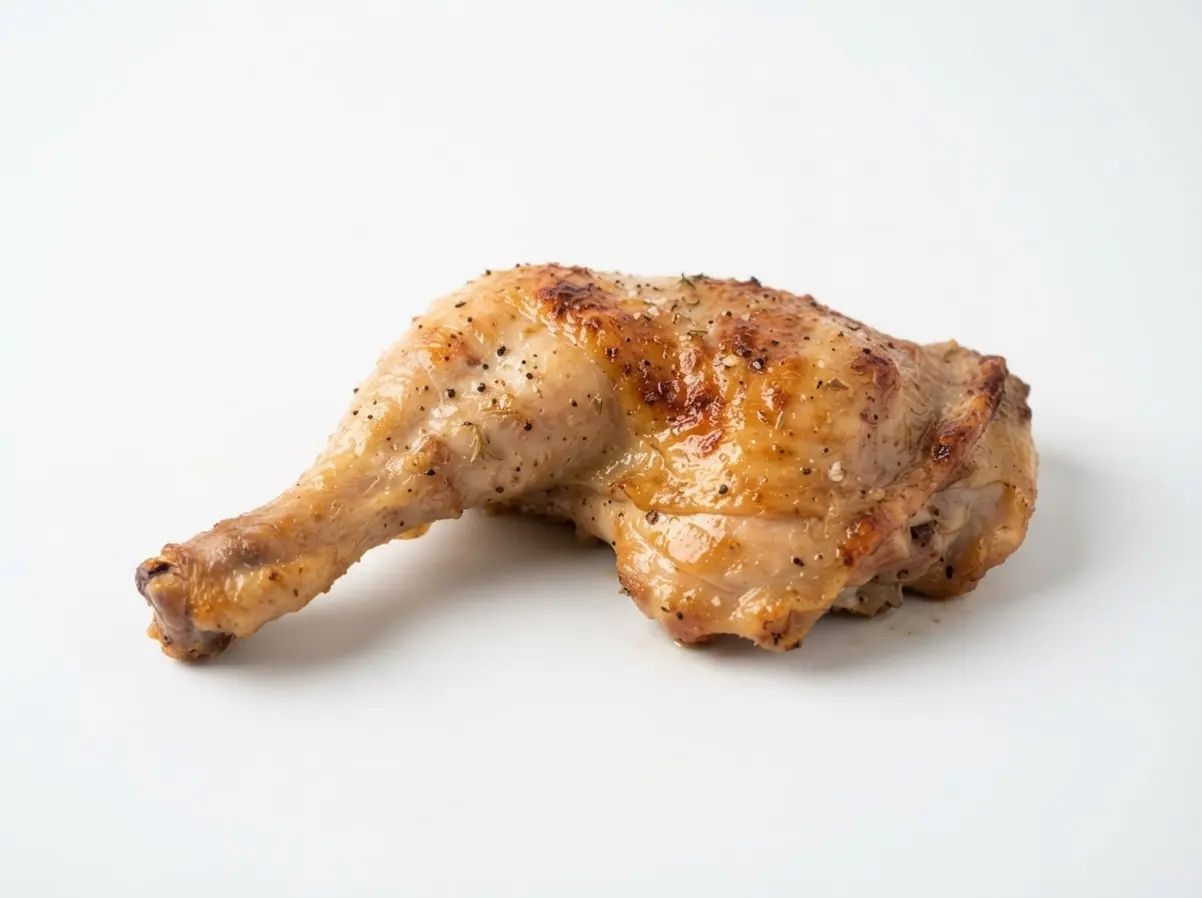
Does hunger return soon after you eat, even when you are watching calories? Low-calorie foods you can use to kill hunger include cruciferous vegetables, water-rich fruit, lean protein, broth-based soups, and whole grains. These foods fill your plate without adding many calories. Fiber slows digestion and supports steady fullness.
Protein helps you stay satisfied and supports muscle during a calorie deficit. Water in fruit, vegetables, and soup adds volume and helps your meal feel more complete. I know it is frustrating to feel hungry while trying to eat less. A better approach is to build meals around foods with plenty of volume, fiber, and protein instead of focusing on calories alone.
This guide shows easy ways to use each group in daily meals. Let’s find a few options you will enjoy and start with one at your next meal.
Reading Calorie Density Beyond Serving Size
A cup of lettuce has far fewer calories than a cup of nuts, even though both count as one cup. That difference shows why calorie density matters more than serving size alone. Low-calorie foods you can use to kill hunger follow this same volume principle. Foods with lower calorie density pack more water and fiber into each bite, so your plate looks larger while your calorie total stays moderate.
Nuts, oils, cheese, and dried fruit contain less water, making small portions more calorie-heavy. Compare cooked vegetables with roasted vegetables covered in oil, since added fat changes the total quickly. Whole fruit also gives you more volume than juice because its fiber slows eating and adds texture.
Aim to pair water-rich produce with protein or beans, so a large serving offers both physical volume and longer-lasting satisfaction. Low-calorie foods you can use to kill hunger make it easy to stick with this pairing.
Distinguishing Thirst From Physical Hunger
A glass of plain water helps test thirst before you reach for a snack, especially after exercise or time in warm air. Thirst often brings a dry mouth, darker urine, headache, or tired feeling, while physical hunger tends to build gradually and remains after a drink. Strong cravings for one sweet or salty food often point toward appetite, habit, or emotion rather than a need for food.
Wait a short while after drinking and check whether your stomach still feels empty. Low-calorie foods you can use to kill hunger only work well when true physical hunger is present. Foods with high water content, such as cucumber, oranges, broth, and strawberries, support hydration while adding food volume.
Keep liquid calories in view, since sweet drinks provide less chewing and fullness than whole fruit or a balanced snack.
1. High-Fiber Cruciferous Vegetables for Fullness
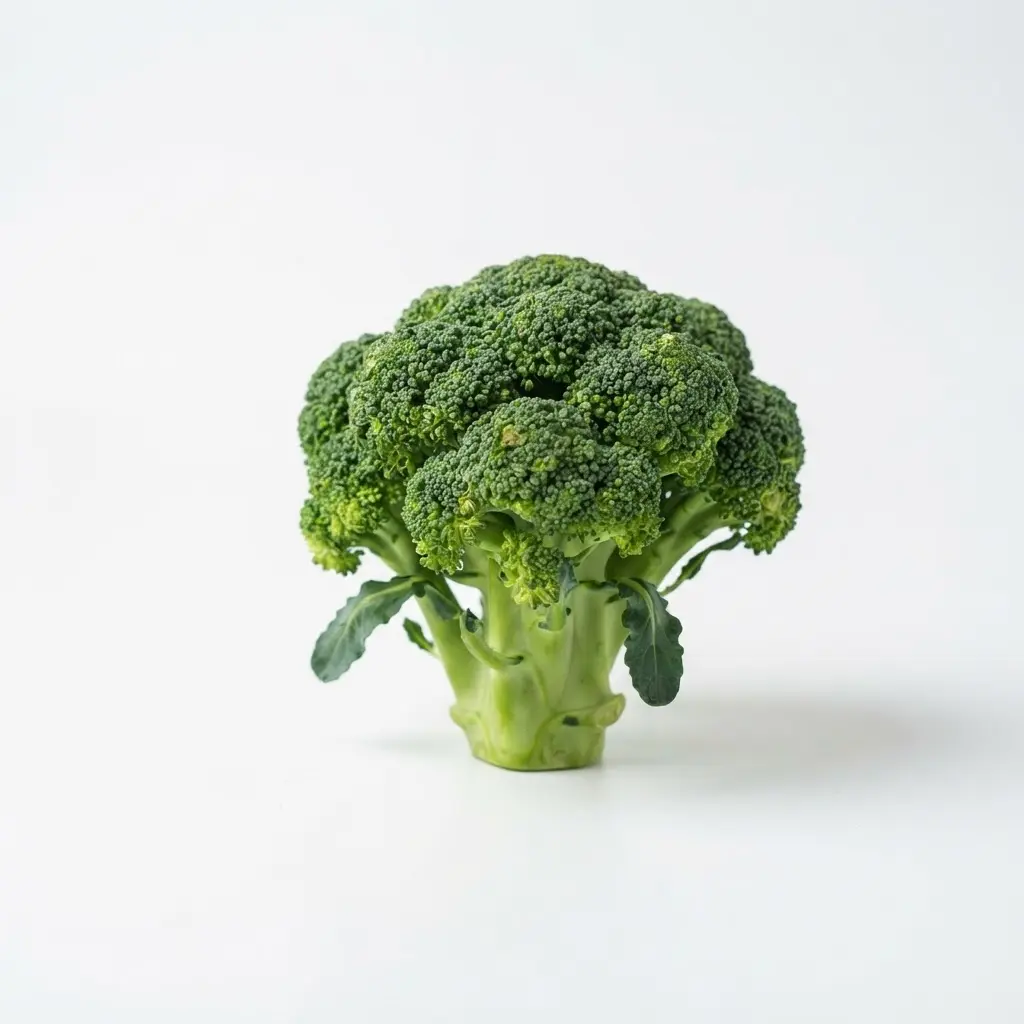
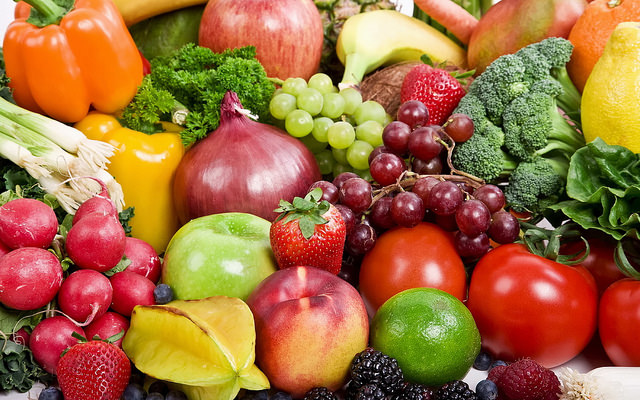
A common mistake is increasing cruciferous vegetables too quickly and blaming the foods for gas or bloating. Introduce larger portions gradually instead. Broccoli, cauliflower, Brussels sprouts, kale, cabbage, Chinese cabbage, and bok choy add volume and fiber without many calories.
Fiber adds bulk to a meal and supports digestion, which helps hunger feel easier to manage between meals. Low-calorie foods you can use to kill hunger always feature this fiber boost. Raw kale provides about 4.1 grams of fiber per 100 grams, while Brussels sprouts provide about 3.8 grams.
Cabbage provides about 2.5 grams, and broccoli provides about 2.4 grams. Use these high-fiber food options alongside beans, eggs, fish, tofu, or whole grains for a more balanced meal.
Choose short steaming for broccoli, Brussels sprouts, or bok choy. Roast cauliflower, cabbage wedges, or Brussels sprouts when you want a firmer texture. Stir-fry Chinese cabbage, kale, or broccoli briefly with other ingredients.
Prolonged boiling may reduce vitamin C and some antioxidant levels, while cooking can make certain nutrients easier to absorb. Research suggests fiber-rich vegetables support fullness as part of an overall eating pattern, though individual responses differ. Low-calorie foods you can use to kill hunger fit perfectly into these varied cooking styles.
Aim toward the daily vegetable targets in the Dietary Guidelines for Americans, and vary preparation methods to keep meals practical. Fiber also supports bowel regularity and gut bacteria. Choose mixed cruciferous vegetables when one type becomes repetitive, and increase servings at a steady pace.
2. Water-Rich Seasonal Fruits for Satisfying Snacks
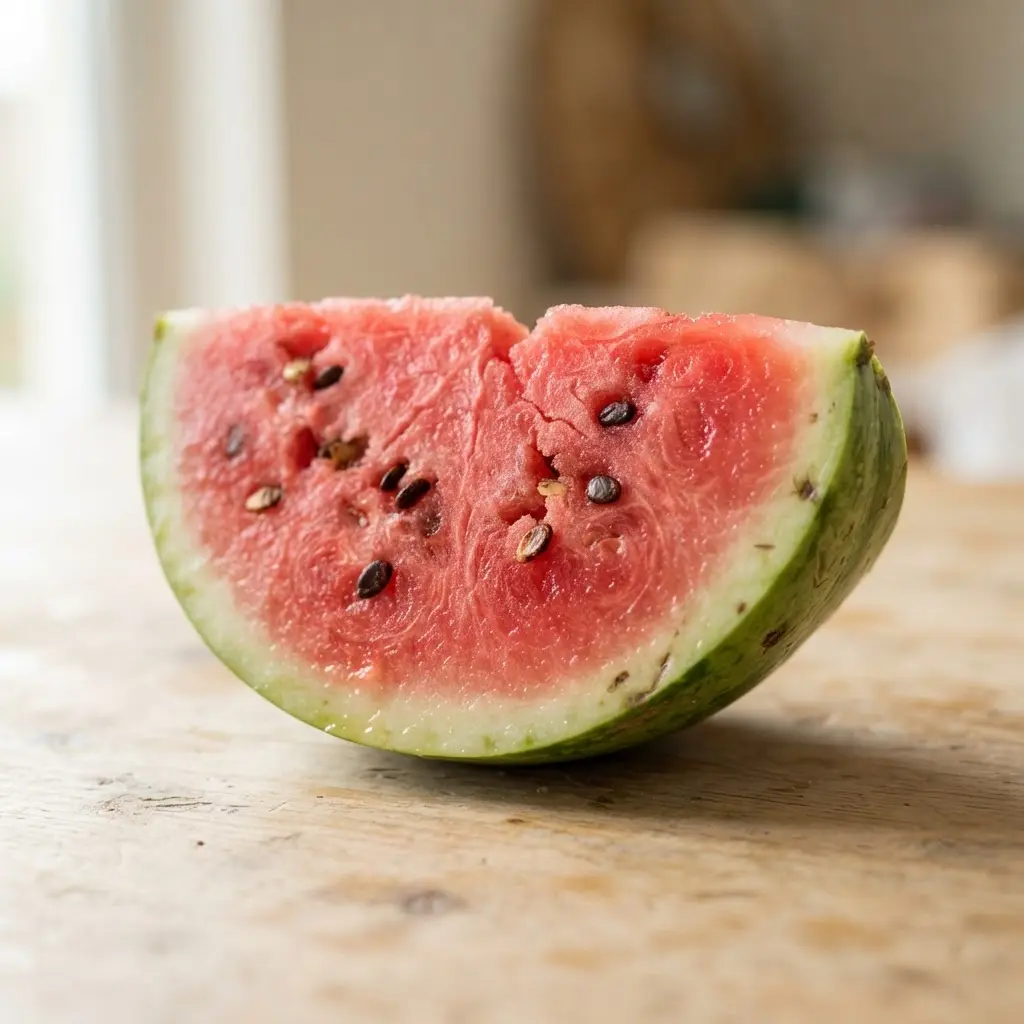
Choose watermelon or cucumber first when hunger strikes between meals. Watermelon contains over 90 percent water, while cucumbers contain about 95 percent. Low-calorie foods you can use to kill hunger often rely on this natural hydration. Both provide a juicy, refreshing eating experience with few calories per bite.
Wash fresh produce before cutting, then keep portions chilled for quick access. Build variety with cantaloupe, strawberries, grapefruit, oranges, peaches, or pineapple. Cantaloupe contains about 90 percent water and provides vitamins A and C plus potassium.
Strawberries contain about 91 percent water and provide vitamin C and antioxidants. Peaches contain about 89 percent water, while oranges contain about 87 percent. These different nutrient profiles show why rotating fruit offers more than fluid alone.
Prepare bite-sized portions after washing larger fruits. Remove melon rinds, citrus peels, pineapple skin, and unsuitable seeds. Store cut pieces in a sealed container in the refrigerator and eat them soon for the best texture. Pair soft peaches with crisp cucumber or juicy watermelon with berries to create different textures without relying on packaged snacks.
Include tomatoes in the rotation. Tomatoes are botanically fruits, contain about 94 percent water, and provide lycopene, an antioxidant. Low-calorie foods you can use to kill hunger shine when you rotate these seasonal picks. Pineapple contains bromelain, an enzyme that may aid digestion, but digestive effects are not guaranteed.
Research on water-rich produce supports choosing whole fruits for fluids, vitamins, minerals, and antioxidant compounds. Keep several washed options visible and ready, so a refreshing healthy snack alternatives preparation fits right into your day.
3. Lean Protein Satiety Sources for Longer Fullness
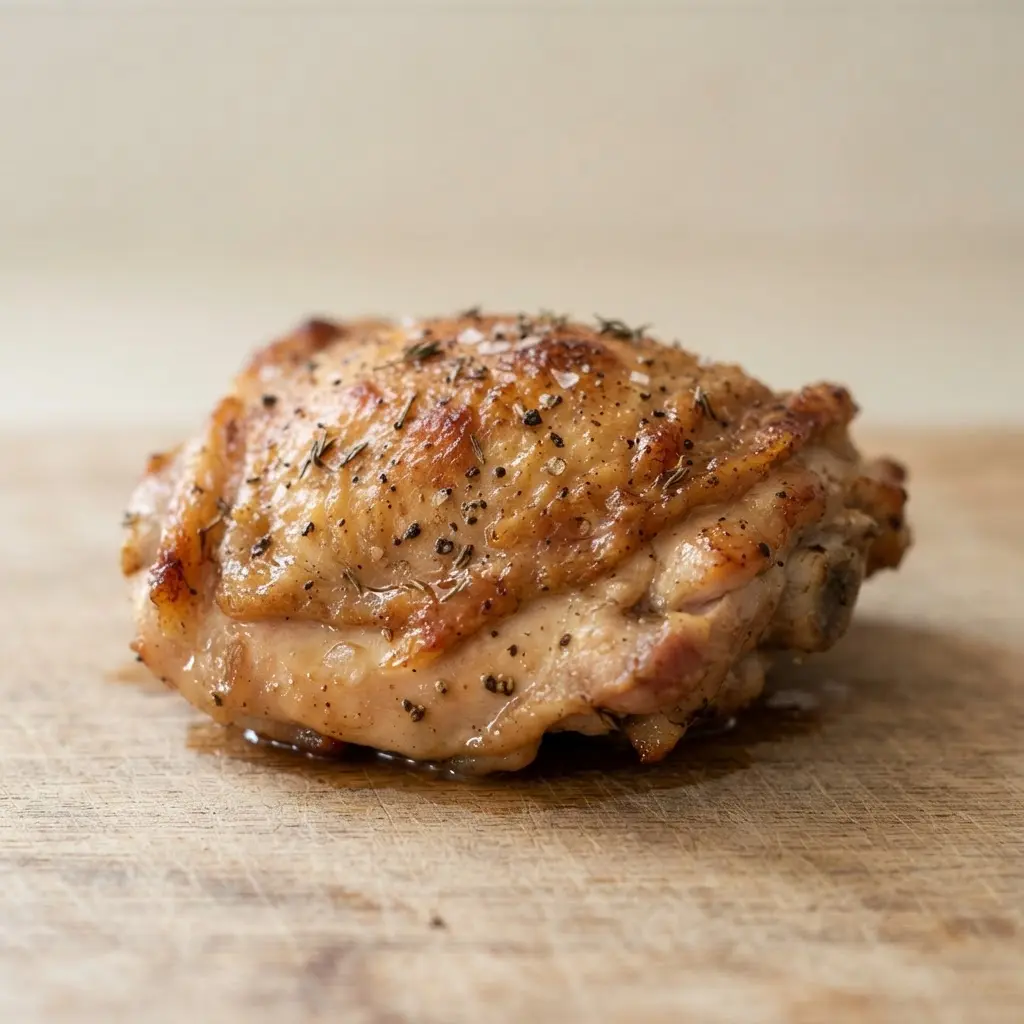
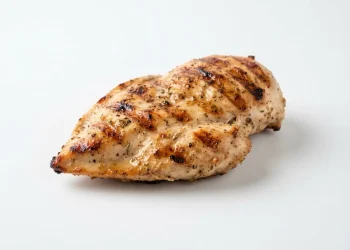
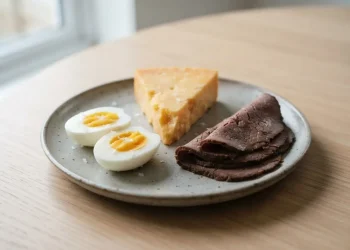
At 3 p.m., hunger often returns after a lunch built around refined grains or a small snack. Choose lean protein at meals to create steadier fullness. Chicken, turkey, fish, eggs, Greek yogurt, and cottage cheese supply protein without the higher fat content found in some processed or fatty options. A protein-centered lunch often makes the period between lunch and dinner easier to manage.
Protein affects appetite through several body signals. Low-calorie foods you can use to kill hunger gain extra staying power when protein joins the plate. Protein intake lowers ghrelin, a hormone linked with hunger. It increases peptide YY, GLP-1, and CCK, hormones linked with satiety.
Protein also slows gastric emptying, so food leaves the stomach more slowly. These effects explain why protein-rich meals often feel more satisfying than meals built mainly from low-fiber carbohydrates.
Build meals around eggs or Greek yogurt for breakfast, tuna or chicken for lunch, and fish, tofu, or lean beef for dinner. Low-calorie foods you can use to kill hunger work best when paired with these lean sources. Lentils and beans add protein plus fiber, which supports fullness through both nutrient content and food volume.
Add vegetables or fruit to each meal. Their water and fiber content increases the amount of food on the plate without relying on calorie-dense ingredients. Research suggests protein sources do not produce identical appetite responses, and individual results differ. Casein and pea protein have shown stronger satiety signals than soy protein in some studies, yet hormone changes do not always reduce later food intake.
Check labels on protein foods because a product described as protein-rich can still contain substantial fat or added sugar. Choose lean cuts and low-fat or fat-free dairy when calorie intake is a priority.
4. Broth-Based Vegetable Soups for High Volume
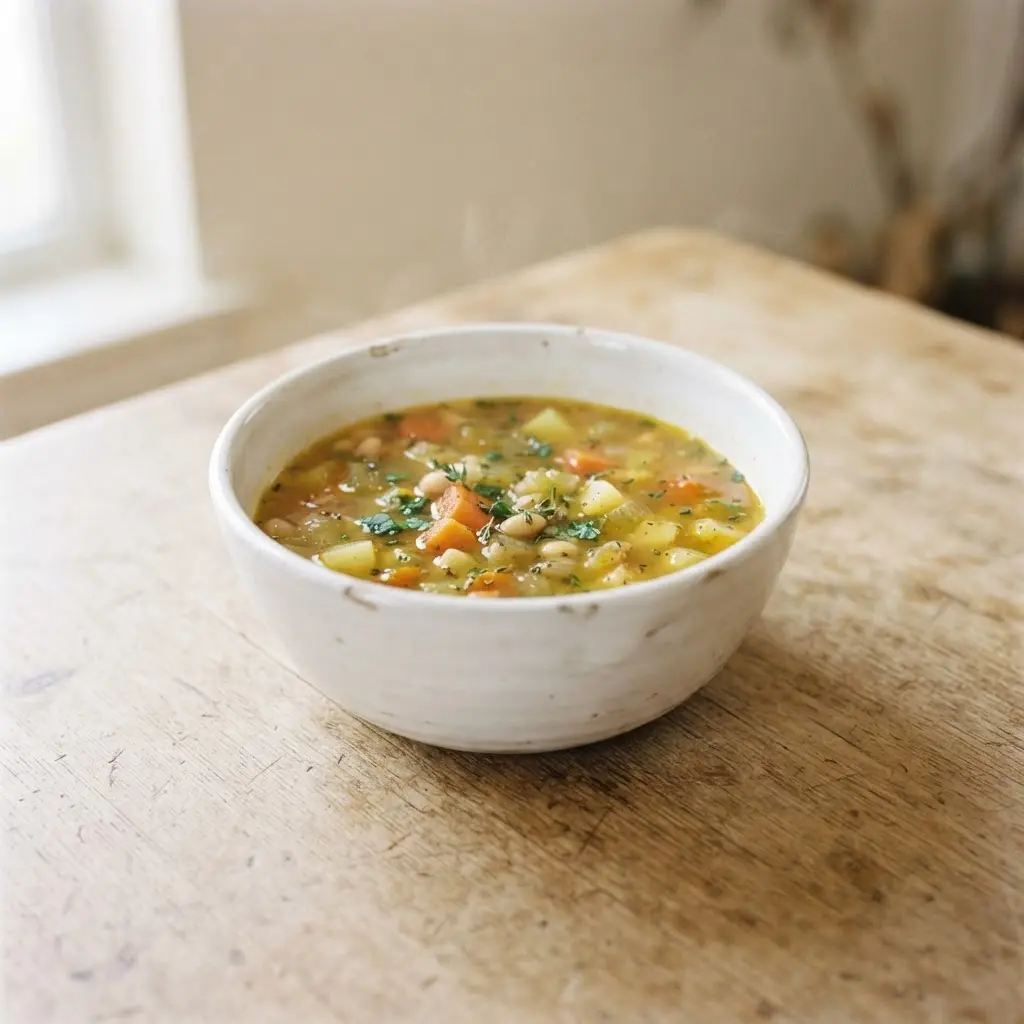
Many people believe broth-based soup leaves hunger untouched. The truth is more specific: a large bowl of broth and vegetables creates volume, but lasting fullness varies by recipe and person. A soup made with 6–8 cups of broth gives a batch plenty of liquid without relying on cream, oil, or cheese.
Start with onion, carrot, celery, and garlic. Soften these aromatics in a small amount of oil, or use a splash of broth instead. Add tomatoes, herbs, firm vegetables, and stock, then simmer for about 45 minutes. Stir in zucchini, peas, green beans, spinach, or kale near the end so delicate produce keeps better texture.
Research suggests meals with high water content and generous portions help some people manage hunger within a lower-calorie eating pattern. Choose low-sodium broth when sodium intake is a concern, since broth and canned vegetables often contribute more sodium than expected. Low-calorie foods you can use to kill hunger work smoothly in these simple broths.
Fresh herbs, garlic, pepper, thyme, and oregano add flavor without much added fat. Do not rely on broth and vegetables alone when hunger returns soon after eating. Add white beans, other beans, or cooked chicken for protein and more staying power. Balance potatoes, corn, peas, and other starchy ingredients with non-starchy vegetables when keeping the soup lighter. Portion the finished soup into containers for practical batch meal preparation during the week.
5. Whole-Grain Complex Carbohydrates for Steady Energy
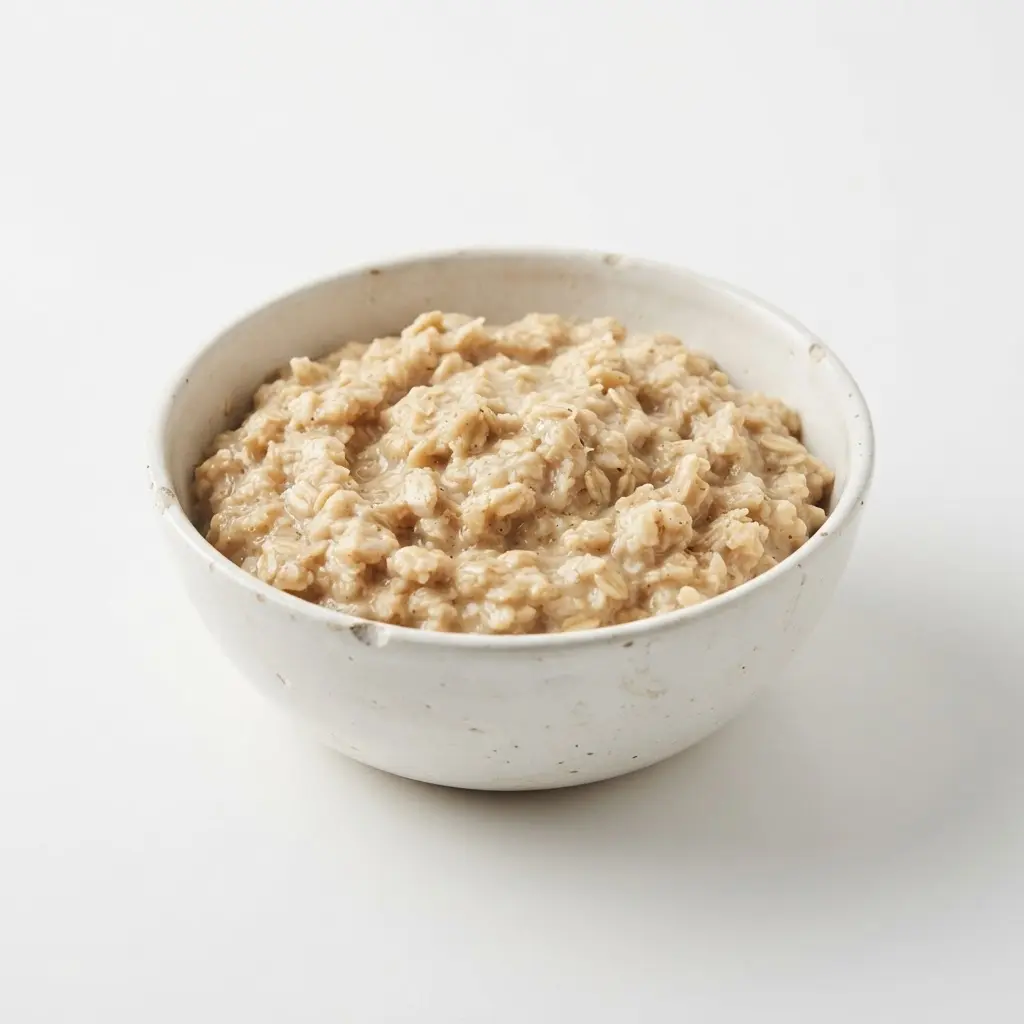
Which grains support fullness between meals? Choose whole-grain carbohydrates such as oats, brown rice, barley, quinoa, and whole-wheat pasta. These foods retain fiber, vitamins, and minerals lost during some refining methods. Fiber slows digestion, so starch breaks down gradually and glucose enters the bloodstream at a slower pace.
Start breakfast with oats instead of a refined cereal. Use brown rice or quinoa as a base for lunch or dinner. Add barley to soup, or replace refined pasta with whole-wheat pasta. A serving of cooked grains often fits well beside vegetables, beans, fish, eggs, or lean meat.
Pair grains with protein and healthy fats to make meals more balanced. Low-calorie foods you can use to kill hunger stay satisfying when combined with complex carbs. Protein and fat slow stomach emptying and add staying power to a meal.
Build a balanced meal from sustained energy foods, whole grains, protein, and healthy fats. Research suggests gradual digestion from whole grains supports more even energy than rapidly digested refined sources. Many people find this pattern useful before a busy afternoon, a long study session, or moderate exercise.
A general dietary recommendation is to make at least half of daily grain intake whole grain. Check labels for whole-grain ingredients, and choose intact or minimally refined options when possible. Individual blood-sugar responses differ. People with diabetes or other blood-sugar conditions should follow guidance from a qualified health professional.
Adjusting Portions Around Personal Fullness Cues
A smaller first serving gives you room to add food if hunger continues, without placing an oversized portion on your plate. Use a fullness scale from one to ten, where one means painfully hungry and ten means uncomfortably full.
Start eating near a three or four, then pause around a comfortable six or seven. Slow your pace enough to notice softer hunger, easier breathing, and reduced interest in more food. Protein, beans, oats, and vegetables often help fullness last longer than low-fiber snacks.
Set aside distractions when possible, since rushed eating makes body signals harder to notice. Your needs also change with activity, sleep, stress, and digestion, so adjust portions based on repeated patterns rather than one meal.
Conclusion
Feeling full is easier when your meals contain plenty of food, not only fewer calories. Low-calorie foods you can use to kill hunger work best when you combine fiber, protein, water, and whole-food carbohydrates. Start by filling half your plate with vegetables or fruit. Add a palm-sized serving of protein, then include a small portion of oats, brown rice, or another whole grain.
A bowl of broth-based vegetable soup also works well before a meal or alongside it. Pay attention to your hunger and energy, since each person responds differently. If hunger stays strong, your meals might need more protein, fiber, or overall food.
Choose one simple change today, such as adding beans to soup or berries to breakfast. Small, steady changes support a more comfortable eating routine and make calorie goals feel less restrictive over time.
FAQs
Q: Which low-calorie foods keep hunger away the longest?
A: Foods with protein and fiber tend to support fullness for longer. Beans, lentils, chicken, tofu, vegetables, and oats fit well in filling meals.
Q: Do low-calorie foods help with weight loss?
A: They support a calorie deficit when portions match your needs. Pairing them with protein and fiber helps meals feel more satisfying.
Q: How much protein belongs in a filling meal?
A: A palm-sized portion of chicken, fish, tofu, eggs, beans, or lentils works for many meals. Personal needs vary with body size, activity, age, and health goals.
Q: Are raw vegetables better than cooked vegetables for hunger?
A: Both forms support fullness. Raw vegetables add crunch and volume, while cooked vegetables often feel easier to eat in larger portions.
Q: Does soup help control hunger before a meal?
A: Broth-based vegetable soup adds water and vegetables with few calories. A small bowl before a meal often helps the meal feel more complete.