
Do fast food habits affect more than your weight? Yes. Frequent fast food intake affects more than body weight. It often changes blood sugar patterns, heart health, digestion, mood, energy, sleep, spending, and time with others. These effects build through repeated choices, large portions, added sodium, refined starches, sugar, and low fiber. The full picture matters when you want to feel better. Tracking ways fast food addiction affects everything gives you a clearer view of daily choices.
The phrase points to a broad concern, not a personal failure. Food cravings often grow from taste, convenience, stress, habit, and limited time. I will explain seven areas of health and daily life, using plain language and balanced evidence. You will see how small food swaps, regular meals, water, and support from trusted people fit into a kinder plan. Let’s look at each area and choose one doable step today.
Food Addiction Versus Binge Eating Disorder
A clinician uses episode details, distress, and control loss to distinguish binge eating disorder from addiction-like eating. Food addiction is not a formal DSM-5 or ICD-11 diagnosis, even though researchers describe preoccupation, impaired control, and repeated intake of highly palatable foods. Those signs do not prove binge eating disorder, which requires repeated binge episodes plus marked distress and related features. The Yale Food Addiction Scale, or YFAS, measures addiction-like symptoms around food, not a confirmed disease. Writing down cravings, urges, and episode timing gives a doctor clearer information than labeling yourself. Depression, anxiety, medication effects, and food insecurity also deserve review because each may shape eating patterns. A careful assessment protects you from shame and points toward fitting support. Recognizing ways fast food addiction affects everything guides that assessment.
Reward Cues Behind Repeated Fast-Food Choices
A repeated drive-through stop becomes easier to trigger when a familiar route, time, smell, or phone offer comes before hunger. Highly palatable foods often combine refined starch, sugar, fat, salt, and dense calories, which encourages quick eating and strong preference. Fast service also removes planning effort, so convenience links the cue with relief from hunger, stress, or decision fatigue. With repetition, the brain learns a cue-response pattern, and cravings often arrive before physical hunger. This response does not mean a single food causes addiction or reward chemistry explains every choice. Track the time, setting, feeling, and purchase urge for one week to spot personal triggers without judging yourself. Replacing one cue with a planned meal or snack gives you a practical test of whether routine drives the choice. Noticing ways fast food addiction affects everything reveals those hidden cues.
1. Cardiovascular System Damage From Frequent Fast Food
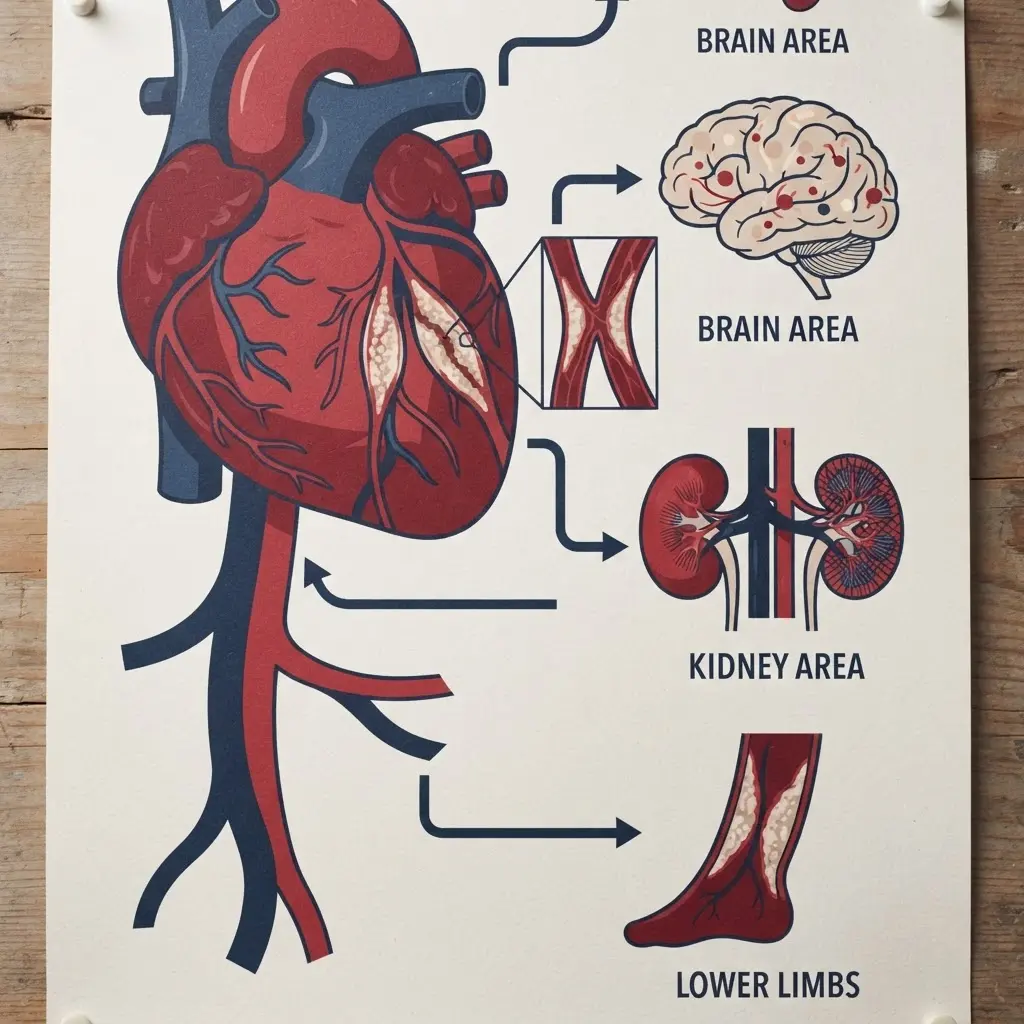
Normal weight tracking is often mistaken for low risk, yet frequent fast-food meals affect more than body size. High calories, sodium, saturated fat, refined carbohydrates, and low fiber can place repeated stress on the cardiovascular system.
Large portions encourage excess calorie intake and abdominal fat. Abdominal fat changes how the body manages blood sugar and fats. Blood tests may show higher triglycerides and lower HDL-C, often called good cholesterol. These changes can raise the triglyceride-to-HDL-C ratio, a marker linked with cardiovascular risk. Understanding ways fast food addiction affects everything makes those lab trends easier to read.
High sodium intake raises the amount of fluid held in the body. This increases pressure inside blood vessels and contributes to elevated systolic and diastolic blood pressure. Refined carbohydrates and unhealthy fats also impair insulin sensitivity. Over time, this pattern raises the risk of metabolic syndrome and type 2 diabetes. Documenting ways fast food addiction affects everything highlights this long-term trend.
Fast-food meals are also linked with inflammation and oxidative stress. One meal does not cause permanent cardiovascular damage, yet repeated exposure over months and years creates a different concern. Research suggests frequent fast-food intake is associated with higher coronary heart disease risk, even after researchers account for body mass index and total energy intake.
Choose higher-fiber meals with less sodium, saturated fat, and refined carbohydrate. Track portion size and meal frequency, especially when blood pressure, triglycerides, glucose control, or kidney health already needs attention. Always consult a healthcare professional before making changes to your health routine. Learning ways fast food addiction affects everything supports those medical conversations.
2. Metabolic and Endocrine Health Markers Over Time

Start with repeated health checks, not a single result. Ask a qualified healthcare professional which measures fit your history, then track glucose, HbA1c, blood pressure, HDL cholesterol, kidney filtration markers, and liver enzymes at advised intervals. Frequent fast-food meals often bring excess refined carbohydrates, sodium, and saturated fat. Over time, such patterns often accompany less favorable blood sugar, lipid, and liver readings. Reviewing ways fast food addiction affects everything shows why early tracking matters.
Watch the direction of change across several years. People who later receive a type 2 diabetes diagnosis often show less favorable glucose, HDL cholesterol, and BMI patterns 15 to 20 years before diagnosis. HbA1c reflects average blood glucose across roughly the previous several months, so repeated testing gives more useful information than one reading. Track long-term glucose patterns with guidance from a clinician.
Pair BMI with waist-to-hip ratio because body weight and fat distribution do not always follow the same path. Weight change also produces different metabolic patterns in men and women. Lower socioeconomic status is linked with greater physiological wear and tear from early adulthood, with inflammatory and metabolic systems contributing to this difference. Mapping ways fast food addiction affects everything explains those shifts.
Review blood pressure, pulse pressure, cholesterol, glucose, HbA1c, cystatin-C, body measurements, and liver markers as a group. A single normal result does not erase concern from a worsening pattern elsewhere. Early recognition supports timely clinical assessment and risk-management decisions. Always consult a healthcare professional before making changes to your health routine.
3. Cognitive and Mental Health Impacts of Fast Food

At 2 p.m., a fast-food lunch followed by poor focus can make routine work feel harder. Frequent intake of foods high in added sugar, refined carbohydrates, and unhealthy fats is associated with more symptoms of depression and anxiety. Research also links higher ultra-processed food intake with weaker cognitive function, including attention, planning, and decision-making. Observing ways fast food addiction affects everything connects those physical changes.
Several body processes help explain these findings. Diets high in sugar and unhealthy fats promote inflammation. Large carbohydrate loads create sharp insulin responses, which affect energy regulation. Unhealthy eating patterns also impair blood-vessel function, while high-fat diets are associated with lower levels of brain-derived neurotrophic factor, a protein involved in neuron health.
Long-term studies associate higher ultra-processed food intake with faster cognitive decline and greater risks of dementia, including Alzheimer’s disease and vascular dementia. The concern centers on repeated dietary patterns, not one meal. Replace some fast-food meals with daily nutrient-dense food choices prepared from vegetables, fruit, legumes, whole grains, nuts, and minimally processed proteins.
Track frequency rather than treating occasional intake as equal to a diet dominated by ultra-processed foods. Pay attention to ultra-processed meats, oils, and spreads. Dietary patterns during childhood and adolescence also deserve care because early exposure has been linked with cognitive outcomes in some research. These findings show associations, not proof of direct causation. Depression, anxiety, dementia, and cognitive decline have many causes. Always consult a healthcare professional before making changes to your health routine. Noting ways fast food addiction affects everything keeps your focus balanced.
4. Chronic Systemic Inflammation Drivers in Daily Eating

A common myth blames one burger or fries for chronic inflammation. The stronger concern is a repeated eating pattern built around ultra-processed foods, added sugars, refined grains, saturated fats, and high sodium. Choose a high-fiber eating pattern to replace some of these foods with vegetables, fruit, beans, lentils, and whole grains.
Low fiber intake reduces exposure to plant compounds linked with healthier inflammatory control. Ultra-processed meals also displace nutrient-dense foods from the plate. Body fat adds another pathway because adipose tissue can influence inflammatory biomarkers. A fast-food meal once in a while does not define a person’s inflammatory status, but daily reliance creates a less balanced pattern over time. Seeing ways fast food addiction affects everything helps you separate myths from facts.
Research suggests fruits, vegetables, fish, and cereals are associated with lower circulating cytokine levels, especially among people with existing health risks. Evidence mainly describes associations, so dietary changes should support medical care rather than promise disease prevention or treatment.
Build meals around a Mediterranean-style pattern: fill part of the plate with vegetables, select whole grains, add legumes or fish, and use olive oil as the main added fat. Replace sugary drinks with water more often. Reduce highly refined snacks and fast-food meals gradually, while keeping regular meal times to limit repeated convenience eating. Dairy and oils show mixed findings, so judge each product by its ingredients, portion, and place in the wider diet. Always consult a healthcare professional before making changes to your health routine. Planning ways fast food addiction affects everything leads to steadier grocery choices.
5. Digestive and Gut Microbiome Health With Low Fiber

Is low-fiber fast food intake proven to harm digestion in every person? No. The supplied research does not establish a specific digestive or gut microbiome effect for this topic. Avoid treating a broad claim as a medical fact. Studying ways fast food addiction affects everything prevents rushed conclusions.
Check the evidence before linking frequent fast food intake with constipation, bloating, changes in gut bacteria, or other symptoms. Each outcome needs research focused on diet quality, fiber intake, symptoms, and health history. A single meal pattern does not provide enough detail to predict one person’s response.
Use ingredient lists to avoid disguised unhealthy foods. This step identifies added sugar, refined grains, and other ingredients without assuming a diagnosis. Keep food choices varied, and record repeated digestive symptoms with the foods and portions involved.
Track symptoms over several days rather than judging your gut health from one meal. Note bowel changes, abdominal pain, bloating, and meal timing. Seek medical advice for ongoing pain, blood in the stool, unexplained weight loss, persistent vomiting, or a lasting change in bowel habits. Always consult a healthcare professional before making changes to your health routine. Recognizing ways fast food addiction affects everything supports honest symptom tracking.
At present, the available research supports caution about overgeneralizing low-fiber eating patterns, not a firm claim about how fast food affects every digestive system. Reviewing ways fast food addiction affects everything keeps expectations realistic.
6. Daily Energy Level Fluctuations After Fast Food

A fast-food meal with refined carbohydrates and a sugary drink often produces less steady energy than a meal built around protein and fiber. Blood glucose rises quickly after rapid digestion. Some people then feel tired, irritable, or less alert within the next few hours. The postprandial period, meaning the time after eating, is when these changes become noticeable.
Refined carbohydrates break down quickly. Blood glucose rises and prompts insulin release. Insulin moves glucose from the bloodstream into cells, so blood glucose later falls as the meal is processed. A sharp change does not confirm a medical problem, yet repeated crashes can interfere with concentration, mood, work, and daily tasks. Tracking ways fast food addiction affects everything explains these energy dips.
Build meals around a balanced meal pattern to support steadier energy. Add protein, moderate healthy fats, and fiber-rich carbohydrates. Drink water with the meal. Choose nutritious snack alternatives between meals to reduce reliance on large portions of sugary or refined foods. Use smaller meals when large fast-food servings consistently trigger fatigue. Judge the full meal rather than calories alone, since carbohydrate type, protein, fat, and fiber influence the blood-glucose and insulin response.
Track the timing and severity of symptoms with a symptom pattern. Persistent or severe fatigue after eating also may reflect dehydration, reactive hypoglycemia, insulin resistance, or another health condition. Always consult a healthcare professional before making changes to your health routine. Understanding ways fast food addiction affects everything guides your next health step.
7. Social and Lifestyle Behavioral Patterns Around Meals

A common mistake is treating fast-food dependence as a private failure of willpower. Meal behavior changes with company, location, mood, hunger, and daily duties. Identify eating triggers by noting who is present, where meals occur, and what happens before ordering.
Social settings shape food choices through observation and shared routines. People often match the pace of a group, start eating together, or continue eating after hunger fades. A busy lunch break with coworkers may lead to a quick restaurant meal, while family routines may set a regular dinner time. Personal values and identity connected with food can strengthen these patterns. Seeing ways fast food addiction affects everything highlights these social layers.
Eating away from home is associated with lower intake of vegetables, fruits, and legumes, along with higher intake of processed meats, salty snacks, and alcoholic drinks. Eating with others does not guarantee healthier choices. Group meals may increase some foods, including vegetables, red meat, or fish, while reducing other foods. Research suggests social expectations and meal settings influence eating beyond physical hunger.
Set a regular meal routine around work and family needs. Keep simple daily nutrient-dense food choices hunger becomes intense. Eat without combining meals with rushed errands or distracting activities. Create a clear plan for restaurant meals, such as choosing a balanced main dish and limiting automatic add-ons. Share your plan with household members or coworkers when social pressure affects orders. Routines are stable enough to guide behavior, yet flexible enough to change with schedules, environments, and personal priorities. Changing meal routines may support healthier behavior, but it does not guarantee specific health outcomes.
Professional Support For Compulsive Eating Patterns
A registered dietitian or licensed mental health clinician should assess loss of control, distress, mood, and access to food before suggesting major eating changes. Cognitive behavioral therapy, which helps people notice thoughts and change routines, has support for binge eating and related compulsive patterns. A dietitian helps build regular meals with affordable minimally processed foods, reducing long gaps which intensify cravings. If binge eating disorder appears, treatment differs from advice focused only on fast-food frequency. Ask about depression, anxiety, trauma, medication effects, sleep, and food insecurity during an assessment. A clinician might use YFAS as one research-informed measure, while avoiding a label based on cravings alone. Support should respect culture, budget, transportation, and kitchen access, since strict rules often increase guilt and rebound eating. Mapping ways fast food addiction affects everything makes that support easier to navigate.
Conclusion
Learning about ways fast food addiction affects everything helps you see why one meal does not define your health. Repeated habits matter, yet change does not need to happen all at once. Start today by choosing one meal to add a fruit, vegetable, beans, yogurt, eggs, or whole grains. Drink water alongside it, then notice your energy and hunger later. Keep a short, kind note about what felt easy and what felt hard. Use it to plan one more supportive choice tomorrow. If fast food feels tied to stress, money, time, or strong cravings, share your concerns with a trusted health professional or someone close to you. You deserve support without shame. Small steps bring your eating pattern closer to the health and daily life you want, and each honest choice gives you useful information for the next one.
FAQs
Q: How does frequent fast food affect heart health?
A: Frequent meals high in sodium, saturated fat, and refined starches place more strain on heart health over time. Replacing some meals with vegetables, beans, whole grains, nuts, and fish supports a more balanced pattern.
Q: Does fast food affect blood sugar and energy?
A: Large amounts of refined starch and sugary drinks often cause a quick rise followed by a drop in blood sugar. Meals with protein, fiber, and water tend to support steadier energy.
Q: How does fast food affect mood and focus?
A: Mood and focus often shift with sleep, stress, blood sugar, and diet quality. Regular meals with protein and fiber support steadier concentration and emotional balance.
Q: What happens to digestion with frequent fast food?
A: Frequent fast food often means less fiber and a higher intake of fat and sodium. Some people notice constipation, bloating, or stomach discomfort.
Q: How do fast food habits affect family life and routines?
A: Fast food habits often shape meal timing, spending, activity, and time with family or friends. Planning one shared meal or keeping easy foods at home supports healthier routines.