Ways to keep yourself from junk food include keeping filling foods nearby, planning meals before hunger hits, drinking water through the day, checking sleep, and noticing emotional triggers. These steps reduce rushed choices without strict rules. A flexible plan helps you eat well while leaving room for foods you enjoy.
I know cravings often feel strongest when you are tired, stressed, or short on time, and learning Ways to keep yourself from junk food clears up that confusion. That does not mean you lack discipline. Your surroundings, routines, and meals shape many food choices. This guide gives you eight simple ways to make healthier options easier from the kitchen to the grocery aisle.
You will find ideas for meal planning, snack swaps, mindful eating, hydration, sleep, food labels, and planned treats. Use the tips in any order. Start with one small change today and add another when it feels natural. Pick one idea today, then keep going with the next section.
Build A Supportive Home Food Environment
Keeping cut fruit and washed vegetables at eye level makes a healthier snack easier to grab before packaged sweets. Store these foods in clear produce bins on the refrigerator’s middle shelf, where you see them when opening the door. Place yogurt, hummus, nuts, and whole-grain crackers nearby, while storing cookies and chips in opaque containers on a high shelf. A fruit bowl near the kitchen entrance also supports quick choices during busy moments, which reminds you that Ways to keep yourself from junk food relies on simple visibility.
Buy smaller amounts of highly tempting foods, since fewer packages at home reduce repeated decisions. Keep ready-to-eat beans, cooked grains, and chopped vegetables in labeled containers so a quick meal feels realistic. Ask household members to keep personal treats in one cabinet rather than leaving them beside the counter. This setup reduces visual triggers without banning favorite foods.
Recognize Hunger Versus Craving Signals
Physical hunger usually builds gradually, while a craving often arrives suddenly after stress, boredom, or seeing a familiar food. A hunger journal helps you connect urges with times, places, moods, and recent meals, showing exactly how Ways to keep yourself from junk food starts with tracking. Note stomach sensations, energy, and fullness beside each urge, rather than judging the food choice. Hunger often brings several food options to mind, while a craving focuses on one specific taste or texture.
Strong feelings also distort the signal, so name the emotion before reaching for a snack. Boredom cravings often appear during television or desk time, while routine hunger follows a long gap without food. A short pause gives the feeling room to change. If urges feel distressing or hard to control, a registered dietitian or doctor offers personal support without shame.
1. Strategic Kitchen Stocking Methods for Healthier Snacks

A common mistake is buying nutritious foods and leaving them unwashed, uncut, or hidden behind packaged treats. Correct the setup by placing a designated snack shelf at eye level in the refrigerator or pantry, because knowing Ways to keep yourself from junk food means organizing first. Keep apples, berries, carrots, yogurt, nuts, and whole-grain crackers within easy reach. Store less suitable foods farther back or in opaque containers.
Prepare food during one short session after shopping. Wash vegetables, cut fruit, boil eggs, and divide nuts or dried fruit into small containers for the next several days. Use clear, airtight containers so food stays visible and protected from spoilage. Research suggests convenient access reduces the number of last-minute food decisions made during hunger.
Build balanced snack pairings by combining two food groups. Serve fruit with Greek yogurt or nuts. Pair whole-grain crackers with cheese, avocado, or nut butter. Offer cut vegetables with guacamole. Protein, fiber, and fat help create a more filling snack than a single sweet or salty item.
Plan snacks before grocery shopping, then buy a mix of fresh, frozen, and shelf-stable foods. Add frozen fruit for smoothies and frozen vegetables for quick meals. Read labels on packaged foods, and choose products with limited added sugar, sodium, and unhealthy fats. Pack portable portions the night before work, school, or an outing. A weekly shopping list keeps supplies varied without encouraging waste from bulk purchases.
2. Weekly Meal Planning Routines for Busy Days
Schedule a fixed planning session for 30 minutes each Sunday evening or Monday morning. Use this time to check your calendar before hunger and time pressure shape food decisions. A regular appointment turns meal planning into a routine rather than a task left for a rushed weekday, and committing to Ways to keep yourself from junk food becomes effortless this way.
Review early meetings, late work sessions, workouts, restaurant meals, and evenings with little cooking time. Choose three to five reusable meal templates, such as sheet-pan meals, quick skillet dishes, pasta, stir-fries, leftovers, or protein-and-grain bowls. Assign each template to a day, then swap days freely when your schedule changes.
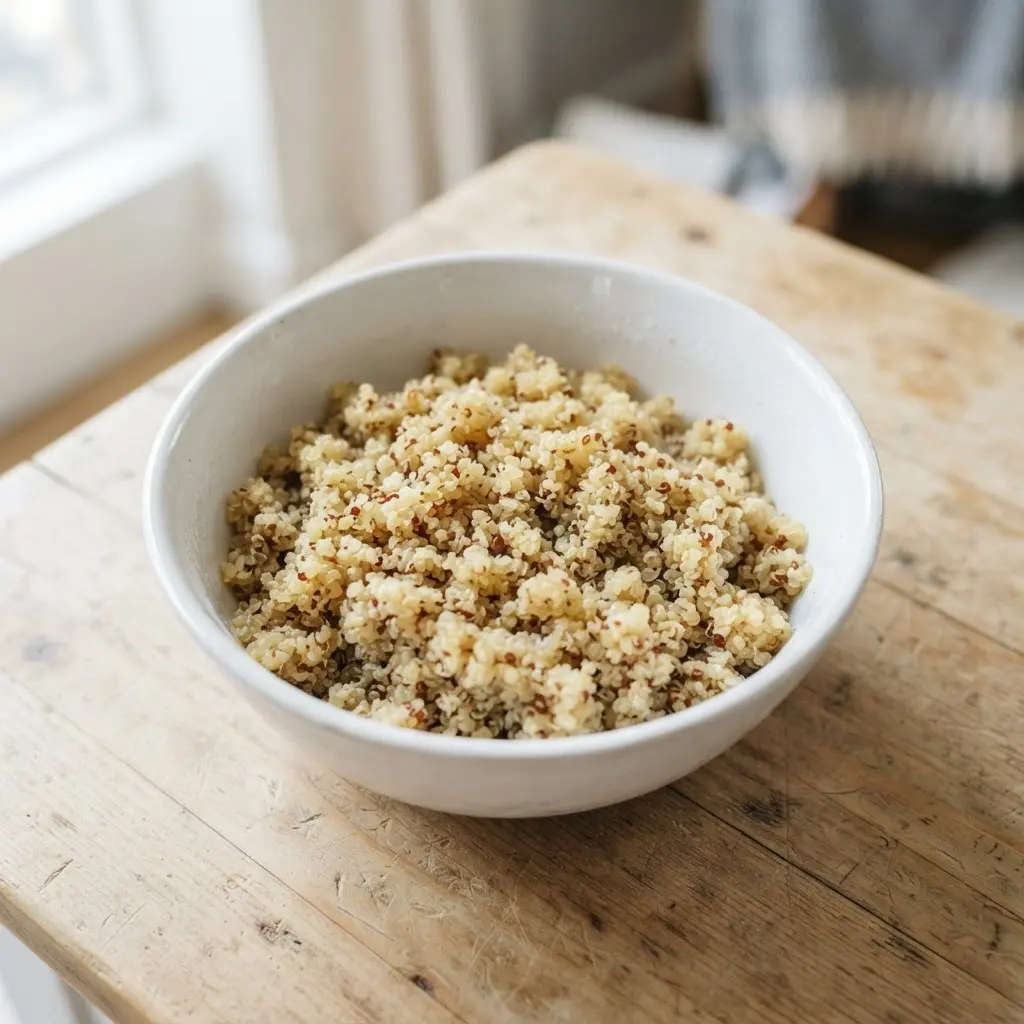
Build the grocery list from the selected meals. Check your pantry, refrigerator, and freezer first to avoid duplicate purchases. Group the list by produce, protein, pantry items, and staples. During one focused shopping trip, buy ingredients for breakfasts, lunches, dinners, and planned snacks. Prepare the slowest parts early, such as cooked rice, washed vegetables, marinated protein, soup, or chili.
Keep backup meals available for unexpected delays. Frozen vegetables with eggs, a quick grain bowl, or a prepared soup provides a meal in about 10 minutes. Research suggests meal planning reduces food decisions during busy periods, which makes planned eating easier to maintain than repeated last-minute choices. Focus on consistency rather than a perfect schedule. A workable plan followed most weeks serves you better than an elaborate plan abandoned after several days.
3. Trigger Identification and Management for Craving Control

At 3:30 p.m., a stressful email arrives, and your hand moves toward a packet of crisps before hunger enters the picture. Stop for one minute and name the cue. Use a pause-and-notice check: record the time, feeling, setting, and food craving, because this quick habit explains Ways to keep yourself from junk food. Hunger, boredom, tiredness, stress, and food displays are different possible triggers. Naming the situation does not prove why the craving occurred, but it creates a clear observation point.
Keep a short trigger log for several days. Write one line before eating, such as “late afternoon, tired, snack visible on desk.” Add what happened after the craving, without judging the choice. Look for repeated patterns rather than treating one entry as a rule, and tracking reveals why Ways to keep yourself from junk food matters. No source-supported tracking method was provided for this chapter, so use the record as a personal observation tool, not as a clinically tested treatment.
After a pattern appears, prepare one neutral response in advance. Move highly tempting foods out of immediate sight, eat a planned meal at a regular time, or leave the triggering room for a few minutes. Choose one change at a time and observe the result. Avoid labeling yourself as lacking discipline. A craving is an experience to examine, not proof of personal failure.
No research findings were returned to establish specific craving-control methods or expected outcomes. Treat these steps as general self-monitoring ideas rather than medical guidance. Stop any approach causing distress, rigid food rules, or repeated loss of control. Always consult a healthcare professional before making changes to your health routine.
4. Mindful Eating Techniques for Better Food Awareness

Mindful eating is not a rule requiring perfect focus or strict food choices. The practice means paying attention to hunger, taste, emotions, and fullness without judging yourself. Pause before eating for about 30 seconds. Notice whether physical hunger is present or whether boredom, stress, or habit is driving the urge, since this awareness teaches Ways to keep yourself from junk food.
Remove distractions during meals. Put away your phone, turn off the television, and step away from the computer. Observe the food’s colour and smell before the first bite. Take smaller bites, chew fully, and pause briefly after swallowing, which helps Ways to keep yourself from junk food become automatic. These actions create space to notice flavour, texture, and satisfaction before eating more.
Check your fullness during the meal rather than waiting until discomfort appears. Ask whether the food still tastes satisfying and whether your body feels comfortably nourished. Research suggests mindful eating supports better awareness of emotional triggers and eating patterns. Keep energy-boosting healthy foods available for meals or snacks chosen with clear attention.
Reflect for a minute after eating. Notice whether you feel satisfied, energised, uncomfortable, or still hungry. Record these observations if repeated cravings for junk food occur during stressful periods. Use curiosity instead of guilt when an automatic choice happens, and gentle self-talk shows how Ways to keep yourself from junk food works without pressure. Mindful eating does not ban enjoyable foods. The goal is to replace rushed eating with deliberate awareness, one meal or snack at a time.
5. Proper Daily Hydration Habits for Fewer Cravings

Could thirst feel like a craving? Yes, especially after a busy morning or a poor night of sleep. Start the day with a glass of water after waking. Keep a reusable bottle nearby and take regular sips instead of waiting for intense thirst, since hydration remains a key part of Ways to keep yourself from junk food. Dehydration-related fatigue can feel like hunger, so steady fluid intake supports clearer appetite awareness.
Drink a glass of water about 20 to 30 minutes before meals. Water may help some people feel fuller and reduce overeating during the meal. Replace soda, sweetened juice, and flavored sugary drinks with plain water or unsweetened herbal tea. This lowers liquid sugar intake and reduces repeated exposure to sweet flavors, which supports Ways to keep yourself from junk food.
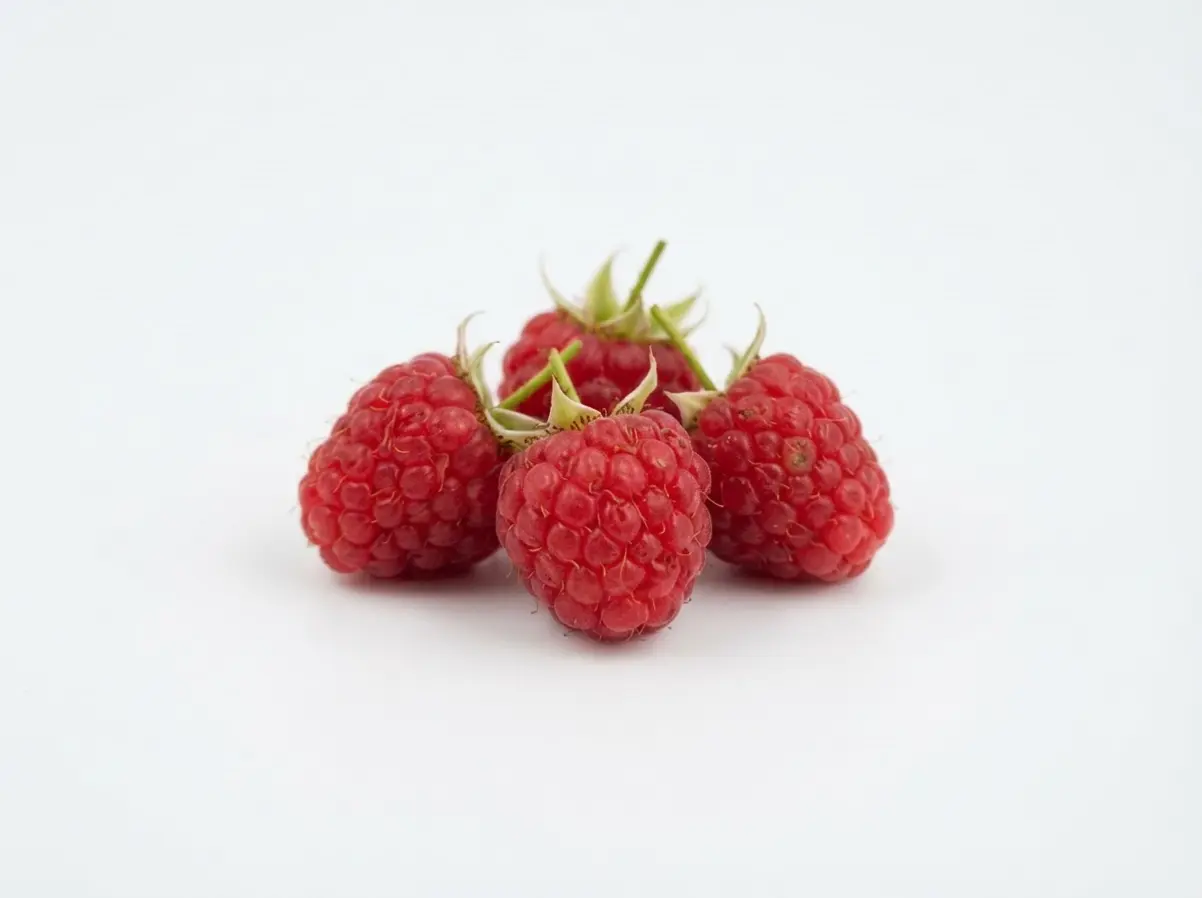
Use phone reminders when work, travel, or household tasks make drinking easy to forget. Choose a bottle with volume markings if visual tracking keeps the routine clear. Add lemon, cucumber, mint, or berries for natural flavor without adding sugar. Watermelon, cucumbers, strawberries, and celery provide food-based fluids alongside beverages.
Increase fluid intake during exercise or hot weather, then respond to thirst throughout the day. Do not assume every craving comes from dehydration, since sleep, stress, meal timing, and food access also influence appetite. Research suggests regular hydration may help separate thirst-related discomfort from genuine hunger, though water does not guarantee cravings will disappear. Always consult a healthcare professional before making changes to your health routine, especially with a condition affecting fluid balance or a prescribed fluid restriction.
6. Sleep Quality Optimization Strategies for Craving Control

Relying on willpower late at night is less reliable than protecting sleep before cravings begin. Maintain a regular sleep-wake schedule by keeping similar bedtimes and wake times throughout the week, including weekends. A steady body clock supports more consistent rest. Research suggests better sleep supports appetite signals linked with ghrelin and leptin, which influence hunger and fullness, proving that Ways to keep yourself from junk food depends on rest.
Establish a calming routine during the hour before bed. Choose reading, gentle stretching, deep breathing, meditation, or journaling. Prepare a cool, dark bedroom with blackout curtains, earplugs, or white noise when needed. Avoid heavy meals and large amounts of fluid close to bedtime, since discomfort or repeated bathroom trips can disturb rest.
Reduce screen exposure at least 60 minutes before sleep. Screen light can delay melatonin release, making the body less ready for rest. Limit caffeine and alcohol near bedtime. Alcohol can cause early drowsiness, then interrupt sleep later in the night, showing how Ways to keep yourself from junk food ties to energy. Regular daytime exercise supports sleep, while intense evening workouts may keep the body alert.
Keep naps short and early. A 20 to 30 minute nap in the early afternoon is less likely to interfere with nighttime sleep than a long or late nap. Use stress-reduction practices before bed rather than reaching for snack foods during evening fatigue. Persistent sleep problems or possible sleep disorders require assessment by a doctor or sleep specialist. Always consult a healthcare professional before making changes to your health routine.
7. Nutritional Food Label Interpretation for Smarter Choices

Counting the whole package as one serving is a common mistake. Nutrition values usually apply to the listed serving size, not the full bag, box, or bottle. A package with three servings provides three times the listed calories and nutrients if you eat everything inside. Understanding this fact highlights exactly how Ways to keep yourself from junk food starts with label reading.
Start with the serving size and servings per container. Compare the listed amount with the portion you plan to eat. Then review calories, saturated fat, sodium, added sugars, and dietary fiber. A two-serving portion doubles every listed figure, so record the full amount rather than relying on the front of the package, a habit that strengthens Ways to keep yourself from junk food.
Use % Daily Value to compare similar products. A value of 5% or less is low, while 20% or more is high. Choose lower values for saturated fat, sodium, and added sugars. Favor higher values for fiber, calcium, iron, vitamin D, and potassium, which guides Ways to keep yourself from junk food toward better picks. Use the label to know affordable healthy everyday foods foods before choosing a packaged snack. The Daily Value uses a 2,000-calorie diet, so personal needs differ. Research on food choice suggests consistent label use supports more informed selections.
Read the ingredient list from top to bottom. Ingredients appear by weight, so early entries make up more of the product. Words such as corn syrup, dextrose, and fructose identify added sugar sources. Multigrain does not prove whole-grain content. Organic describes production methods, not lower calories or fat. Check claims such as light and low-fat against the full label. People managing sodium, sugar, or related health conditions should seek advice from a qualified healthcare professional.
8. Sustainable Occasional Treat Planning for Daily Balance

Schedule one preferred treat before the week begins. Write down the food, day, and portion you plan to enjoy. A small dessert on Friday evening gives the choice a clear place in your routine. Weekly treat planning separates a deliberate choice from an automatic reach for junk food, and this structure shows Ways to keep yourself from junk food in practice.
Use a calendar or meal plan, then portion the food before eating. Buy a single serving, divide a large package, or prepare a smaller batch. Do not skip meals before or after the treat. Arriving overly hungry makes mindful eating harder and often leads to eating past satisfaction. Portion food first so the intended amount stays visible.
Pause before eating and complete a brief craving check. Identify hunger, thirst, boredom, stress, habit, or routine as the likely trigger. Drink water, then reassess. Choose a favourite food when genuine enjoyment matters, or select a non-food reward such as herbal tea, music, reading, a short walk, or a relaxing bath, because mindful habits define Ways to keep yourself from junk food.
Return to normal balanced meals after the treat. Do not label one food choice as failure or compensate by restricting food later. Keep the schedule flexible for social events and review the plan after two to four weeks. Research suggests mindful eating and reduced restriction support a more sustainable daily pattern. Always seek personalised guidance from a qualified health professional for diabetes, eating disorders, food allergies, or other medical needs. Flexible scheduling makes occasional treats easier to maintain.
Create A Flexible Long-Term Eating Routine
Setting regular meal and snack times prevents long gaps, which often leave you ravenous by late afternoon. A weekly meal calendar keeps breakfast, lunch, dinner, and snacks visible, while leaving room for an unplanned meal or occasional treat. Prepare a few building blocks, such as cooked brown rice, chopped vegetables, boiled eggs, or beans, so busy days do not force a drive-through choice. Pairing protein and fiber helps meals feel satisfying for longer. Keep Greek yogurt available for a quick snack alongside berries or seeds. Eat without screens when possible, and notice taste, speed, fullness, and portion size. One higher-calorie snack does not erase progress, so return to your usual routine at the next meal. If eating patterns feel distressing or hard to control, seek guidance from a qualified health professional.
Conclusion
Your food choices often reflect your schedule, mood, and what sits within reach. Small changes make healthy eating feel less stressful, and seeing these results proves Ways to keep yourself from junk food works for real people. Ways to keep yourself from junk food work best when they fit your real life, rather than demand perfect control.
Choose one step for today. Put a filling snack in your bag, plan tomorrow’s first meal, or move tempting foods out of sight. Eat slowly enough to notice hunger and fullness. If a treat happens, return to your usual routine at the next meal. One choice does not erase your progress.
Keep a short note of what helped and what made eating harder. This gives you useful clues for the next week. Trust steady practice over strict rules. Start with one manageable change today, then give yourself time to build a routine you feel good about.
FAQs
Q: What helps when cravings arrive at night?
A: Eat a planned snack with protein and fiber, such as yogurt with berries or an apple with nut butter. Pause for a few minutes and check whether you feel hungry, tired, stressed, or thirsty.
Q: How do I shop for fewer junk food items?
A: Make a list before shopping and eat a small meal or snack first. Keep filling staples on the list, then avoid aisles linked with frequent impulse choices.
Q: Is it better to avoid junk food completely?
A: Total restriction often makes cravings feel stronger. A flexible approach includes occasional treats while most meals contain filling, nourishing foods.
Q: Does poor sleep affect food cravings?
A: Short sleep often increases hunger and makes sweet or salty foods seem more appealing. A steady bedtime routine supports better food choices during the day.
Q: What should I do after overeating?
A: Return to your usual eating routine at the next meal. Drink water, avoid self-criticism, and note what happened so you spot patterns over time.