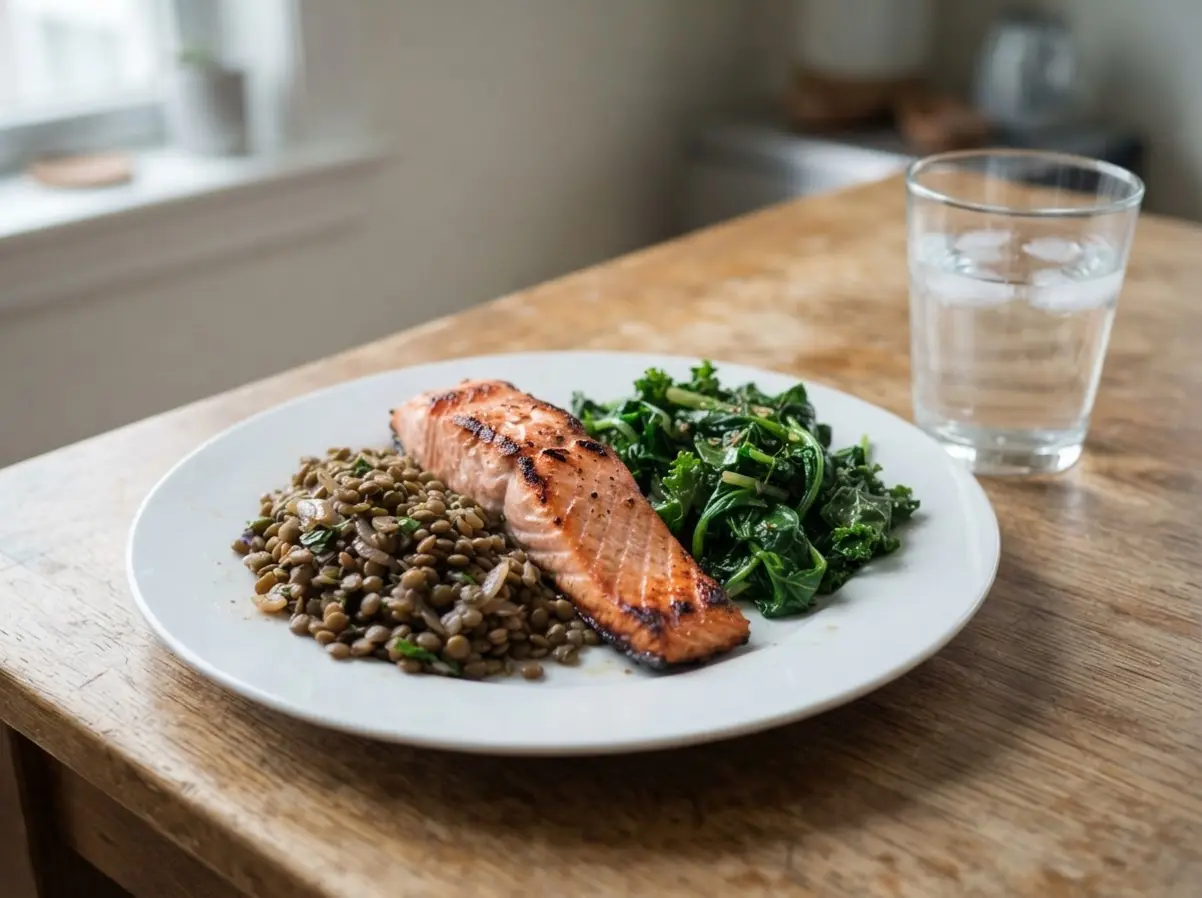
To kick start your metabolism, focus on habits that help your body use energy well: eat enough protein and fiber, lift weights, move often, drink water, and sleep on a regular schedule, which are proven ways to kick start your metabolism. These steps support muscle, digestion, daily energy use, and the small rise in energy your body spends processing food.
If you are searching for ways to kick start your metabolism, you might feel tired of quick fixes and strict food rules. Your metabolism differs from someone else’s, so one plan will not fit every body.
A steady routine matters more than a single food or supplement. This guide covers six practical habits, including resistance training, interval workouts, protein-rich meals, hydration, fiber-filled foods, and restful sleep. Start with the habit that feels easiest today, then build from there.
Metabolic Rate Versus Weight-Loss Expectations
Adding resistance training twice weekly helps preserve or build muscle, which supports a higher resting energy use over time, and these are effective ways to kick start your metabolism. Still, the effect stays modest, and no single food permanently raises metabolic rate.
The thermic effect of food means your body spends energy digesting, absorbing, and processing a meal, which highlights practical ways to kick start your metabolism. Protein usually creates the largest thermic response, followed by carbohydrate, while fat requires less energy to process.
Choose eggs, yogurt, fish, tofu, beans, or lentils within balanced meals rather than relying on powders or pills. Sleep also matters because short nights often increase hunger and reduce training quality the next day.
Individual Calorie Needs Before Dietary Changes
Use your age, height, weight, and activity level to estimate daily calorie needs before cutting portions, while exploring ways to kick start your metabolism that fit your lifestyle. Online formulas provide estimates, not personal measurements, so treat the number as a starting point and watch your response.
Cutting too sharply often brings fatigue, stronger cravings, poor workouts, and loss of muscle tissue, all of which hinder steady progress. Build meals around protein, vegetables, fruit, and high-fiber carbohydrates such as oats, brown rice, potatoes, or whole-grain bread. Fiber slows digestion and helps fullness, while protein supports muscle repair after activity. Portion size still matters because nutritious foods contribute energy, and healthy ingredients do not erase an overall surplus. Give a dietary change several weeks before judging it, while keeping sleep and movement fairly consistent.
1. Resistance Training and Muscle Mass for Metabolic Health

A common mistake is treating resistance training as a weight-loss tool only, yet discovering ways to kick start your metabolism requires focusing on muscle preservation, body composition, and metabolic health. Muscle tissue supports resting energy use, while resistance work improves strength and daily function.
Choose two to three weekly sessions that train all major muscle groups. Use weights, bands, machines, or body weight.
Aim for 8 to 10 exercises, with 1 to 3 sets of 8 to 12 repetitions. Make the final repetitions difficult while keeping each movement controlled. Add protein-rich foods across the day to support muscle repair and growth.
Research links regular resistance training with better insulin sensitivity, glucose tolerance, blood pressure, and lipid profiles, and tracking these metrics reveals reliable ways to kick start your metabolism. Muscle gains do not always produce a large change on the scale, so track strength, waist measurements, energy, and physical ability alongside body weight.
These changes matter during weight management because resistance work helps limit muscle loss. Allow recovery between sessions, especially when soreness or fatigue affects movement. Older adults and people with chronic conditions often need exercise changes based on strength, balance, and medical status. Always consult a healthcare professional before making changes to your health routine. For weight management, prioritize exercise over calorie restriction while preserving muscle through resistance work. Start with a manageable load, then increase resistance gradually as technique and tolerance improve.
2. High Intensity Interval Training Benefits for Daily Energy

Start with brief HIIT intervals instead of forcing one long workout, which demonstrates practical ways to kick start your metabolism through varied movement. Perform a short burst of vigorous movement, recover at an easy pace, then repeat the pattern for three rounds. Use fast walking uphill, cycling, stair climbing, or body-weight movements.
Match the effort and recovery time to your fitness level. Keep the session short enough to maintain safe form, because finding ways to kick start your metabolism often means spreading activity out. Spread several brief bouts across the day when a full workout does not fit your schedule. A morning interval, a midday stair session, and an evening cycle can raise daily energy expenditure without requiring one extended block of exercise.
Pair interval training with foods for sustained energy to support your routine. Research suggests HIIT improves cardiorespiratory fitness, a measure of how well the heart and lungs supply oxygen during activity.
Studies also link this training style with better insulin sensitivity, lower insulin resistance, and possible improvements in body weight. Higher fitness levels often make daily movement feel easier, though research does not prove an immediate energy lift for every person. Do not treat every session as an all-out test. Begin with lower-impact movements and longer recovery periods when fitness is limited. People with health conditions or concerns about vigorous exercise should seek professional guidance before starting. Always consult a healthcare professional before making changes to your health routine.
3. Thermic Effect of Protein Consumption at Each Meal
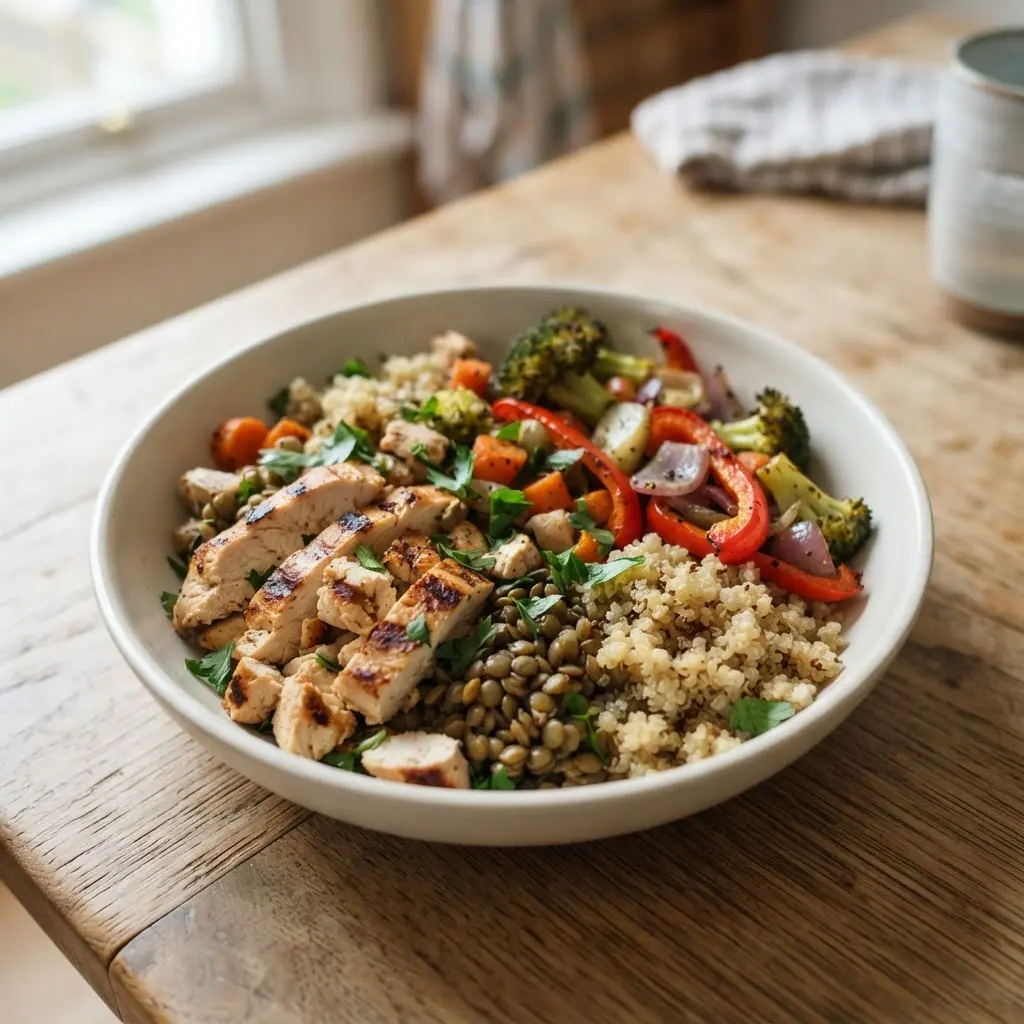
At 7:30 in the morning, build breakfast around protein at breakfast rather than leaving protein for dinner. Eggs, Greek yogurt, tofu, or beans provide protein early in the day and support steady fullness through the next meal, showing clear ways to kick start your metabolism.
The thermic effect of food describes the energy used to digest, absorb, and process nutrients. Protein has the highest rate, at about 20–30% of its own calories. Carbohydrates use about 5–10%, while fat uses about 0–3%.
A serving with 100 calories from protein therefore uses roughly 20–30 calories during processing. These figures are estimates, not guaranteed calorie losses. Choose protein-rich foods at lunch and dinner, including fish, poultry, eggs, dairy foods, lentils, beans, or tofu. Judge the thermic effect by the protein content, not by the meal’s total calories.
A meal containing carbohydrates and fats has a combined effect based on all three macronutrients. Spread protein across meals to support satiety and muscle repair. Research suggests regular protein intake makes fullness easier to manage, which supports sensible portions later in the day. Maintaining muscle also supports metabolic health, especially alongside resistance exercise. The added calorie use from meal-to-meal distribution is modest and difficult to measure.
Do not treat protein as a calorie-burning shortcut. Total energy intake and physical activity have greater influence on weight change. People with kidney disease or another condition requiring protein limits should speak with a qualified healthcare professional before increasing protein intake.
4. Hydration and Metabolic Rate Support Through the Day

Water does not dramatically speed up metabolism, but understanding ways to kick start your metabolism means knowing that steady hydration supports normal body function. Sip water across the day instead of consuming most fluids at one time. Thirst often appears after mild dehydration has begun.
Adjust fluid intake for activity level, climate, and health needs. Choose plain water as your main beverage, which remains one of the best ways to kick start your metabolism daily. Add water-rich foods for sustained energy watermelon, cucumber, and oranges to meals or snacks. Limit excessive caffeine and alcohol when hydration is a priority, since both sometimes increase fluid loss. Research suggests consistent fluid intake supports daily energy and physical performance, though water alone does not create a major metabolic change.
Support metabolic rate with balanced meals at reasonably regular intervals. Include protein at each meal because the body uses more energy to digest protein than it uses to digest fat or carbohydrates. Pair aerobic activity with strength training. Building muscle supports greater energy use at rest and improves overall physical capacity.
Protect 7-9 hours of sleep each night. Chronic sleep loss may disrupt appetite and metabolism regulation, which can make healthy eating harder. Chilli peppers and green tea might produce modest effects through capsaicin, catechins, and caffeine, yet neither should serve as a primary strategy. Individual fluid needs vary widely. Always consult a healthcare professional before making changes to your health routine, especially with fluid restrictions, medication use, or a health condition.
5. Fiber Rich Unrefined Carbohydrates for Steady Energy
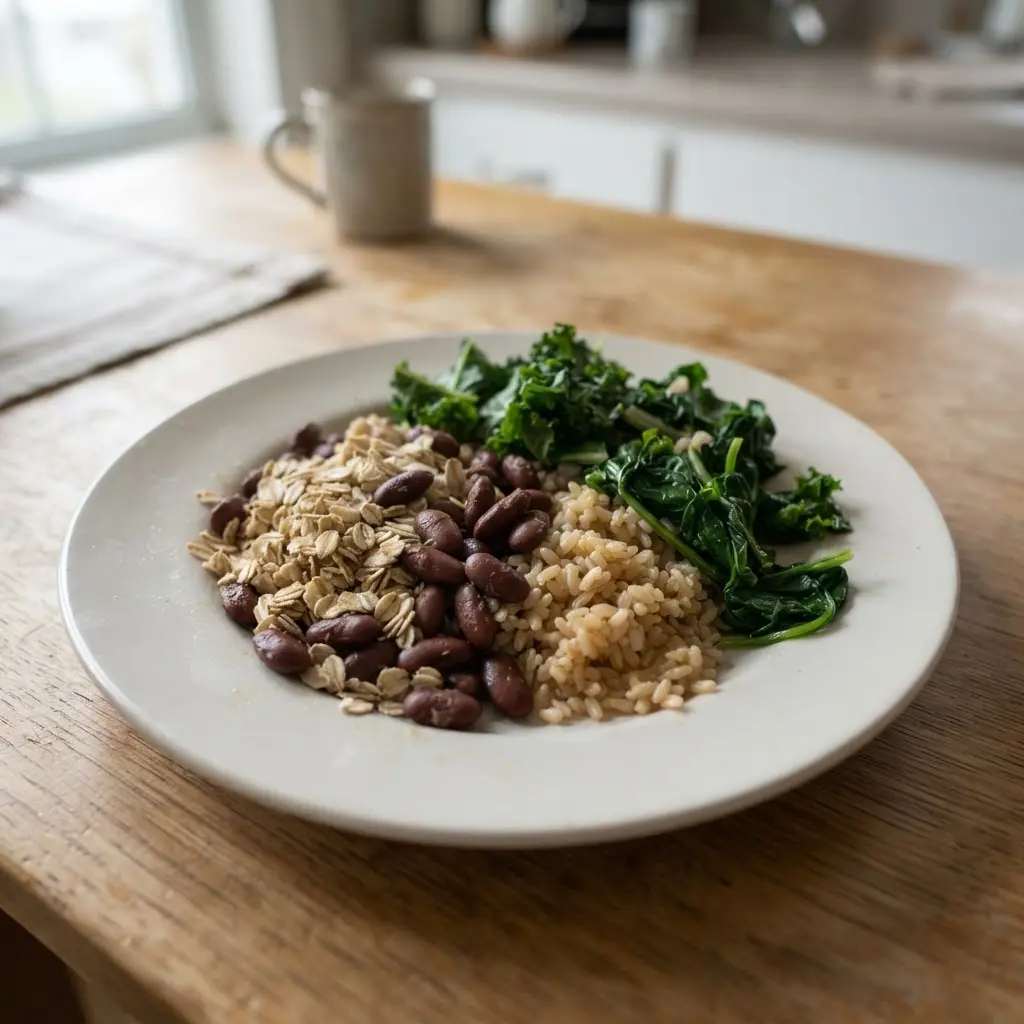
Do fiber-rich carbohydrates support steady energy? Yes. Foods such as oats, beans, lentils, sweet potatoes, and brown rice digest more slowly than many refined carbohydrate foods, so choosing them represents healthy ways to kick start your metabolism. Their fiber slows digestion and carbohydrate absorption.
This pattern supports fuller meals and steadier energy between meals. Choose rolled or steel-cut oats at breakfast, then use quinoa, barley, buckwheat, or brown rice in grain-based meals. Add legumes to soups, salads, or stews because beans, chickpeas, and lentils provide both fiber and protein. Berries, apples, pears, broccoli, Brussels sprouts, and leafy greens supply more fiber across the day. Research suggests higher-fiber meal patterns support better fullness and more stable blood-glucose responses.
Keep edible skins on apples and pears after washing them. Select bread and pasta labelled 100% whole wheat, rather than products labelled only wheat. Replace one refined carbohydrate serving with a fiber-rich choice, such as a sweet potato instead of a highly refined side dish. Increase fiber gradually and drink enough fluid to support comfortable digestion.
Do not treat all carbohydrate foods as equal. Highly refined choices often contain less fiber and fewer nutrients than intact or minimally refined foods. People with diabetes or other conditions affecting blood sugar respond differently to carbohydrate foods. Always consult a healthcare professional before making changes to your health routine.
6. Restorative Sleep and Hormonal Regulation for Metabolic Health

A steady sleep schedule supports metabolic health better than chasing late-night fixes, and maintaining consistent rest is among the most reliable ways to kick start your metabolism. Maintain a consistent sleep schedule with similar bedtimes and wake times each day, including weekends. Regular sleep protects normal non-REM and REM cycles.
These cycles support the release and timing of hormones linked with glucose use, appetite, energy balance, and recovery. Sleep also helps regulate cortisol through the body’s stress-response system. Short or broken sleep can raise physiological arousal and disrupt normal cortisol patterns.
Changes in leptin and ghrelin may affect hunger and food intake. Melatonin keeps the sleep-wake cycle aligned with day and night, while circadian disruption can interfere with normal hormone timing. Research links repeated sleep disruption with poorer glucose tolerance and lower insulin sensitivity. Set a fixed wake time every morning, then adjust bedtime to allow enough sleep for your needs. Keep the bedroom dark, quiet, and cool. Limit bright screens before bed, since light exposure can delay melatonin release. Treat ongoing insomnia, severe daytime sleepiness, loud snoring, or an irregular sleep pattern as reasons to seek medical assessment rather than relying on sleep hygiene alone. Sleep supports appetite control and walnuts for metabolic health, but better sleep does not guarantee weight loss or prevent disease. Always consult a healthcare professional before making changes to your health routine.
Monitoring Energy, Hunger, And Recovery
A weekly check of hunger, energy, sleep, and training performance gives a better progress signal than one morning’s scale reading. Record meals, drinks, steps, workouts, sleep, and hunger in a food diary so patterns become easier to see.
Watch your seven-day weight average instead of reacting to one reading, since water, sodium, bowel contents, and menstrual cycles shift scale weight. Persistent fatigue, dizziness, poor recovery, or intense hunger signals a need for more food, rest, or professional guidance. Thirst, dark urine, headaches, and dry mouth often point to low fluid intake, which affects normal body processes. Keep resistance sessions challenging but manageable, and allow rest between hard workouts. Progress looks more useful when energy, hunger, strength, sleep, and weight move in a steady pattern.
Conclusion
Your daily energy, food choices, sleep, and movement all shape how your body uses fuel. You do not need a perfect routine or a special product to support metabolic health, and remembering these ways to kick start your metabolism keeps you on track. Small choices, repeated often, help protect muscle, support digestion, and keep your energy needs steady.
Use ways to kick start your metabolism as a guide, not a strict rulebook. Pick one step for this week, such as adding protein to breakfast, taking a brisk walk, or setting a regular bedtime. Once it feels normal, add another habit. If you have a health condition, take medicine, or have a history of eating concerns, speak with a qualified health professional before making major changes. Give your body time to respond, track how you feel, and focus on steady progress. A simple routine built around nourishing food, regular movement, water, and sleep is a practical place to begin today.
FAQs
Q: Does eating more protein help support metabolism?
A: Protein takes more energy to digest than fat or carbohydrates. Include foods such as eggs, fish, yogurt, beans, lentils, poultry, or tofu in balanced meals.
Q: Does strength training support a higher metabolic rate?
A: Strength training helps maintain and build muscle. Muscle tissue uses energy, so regular sessions support daily energy needs alongside other healthy habits.
Q: How much sleep supports metabolic health?
A: Most adults benefit from seven to nine hours of sleep each night. A regular bedtime and wake time support steady appetite signals and daily energy.
Q: Does drinking water help with metabolism?
A: Water supports digestion, circulation, and normal body function. Drink regularly through the day, with more fluid during heat or exercise.
Q: Are spicy foods or supplements needed for a faster metabolism?
A: No special food or supplement is needed for metabolic health. Focus on balanced meals, regular movement, muscle care, hydration, and sleep before considering any product.