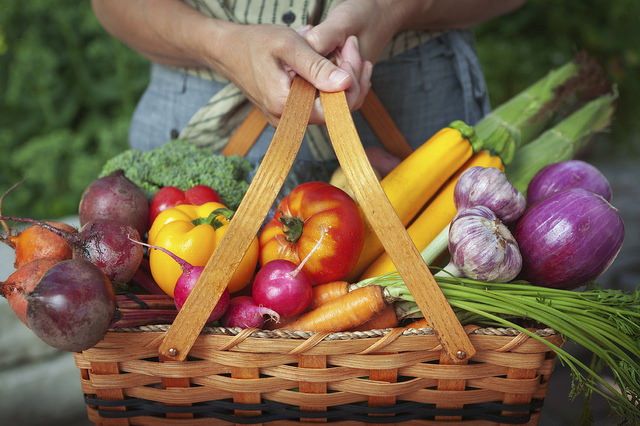
There is a procedure where the Government-approved testifiers inspect the food farm before a product can be labeled ‘organic.’ But people are very much confused when it comes to the term ‘organic food’, conventional farming, agriculture, soil health, and animal welfare what is and what is not ‘organic’. These are the main ‘organic food’ misconceptions:
Key Takeaways
- Organic foods, including produce, can be affordable: Look for local farmers’ markets, co-ops, or store sales to find reasonably priced organic options.
- Check for local certifications: When buying organic foods from other countries, ensure they meet the same standards as locally produced organic items.
- While organic produce may have lower pesticide residue, the nutritional value can differ based on factors like soil quality, exposure, and farming practices.
- Focus on overall diet: Incorporating organic foods can be part of a healthy eating plan, but weight loss depends on a balanced diet and physical activity.
- Consider the Dirty Dozen: Some conventionally grown produce has higher pesticide residues; prioritize buying these organic to reduce exposure.
- Consult with a nutritionist: For personalized advice on incorporating organic foods into your diet and weight loss goals.
1. Organic Foods Are Expensive
As government programs do not subside organic farming, organic farmers have added the cost of compliance with organic certification standards, but the price of organic foods is still increasingly competitive. In terms of dry weight and nutrients, organic food tends to have more in it.
Through modern methods of small organic farming, the produce grown organically must be done in enriched soil. Because the agrichemicals may speed up the growth of a plant and the result is more water in the product. That leads to non-organic foods shrinking more when you cook them because of the dissipation of water. But in the end, the difference between the prices is very small.
2. Organic Foods from Other Countries Meet Different Standards
USDA organic standards must be met worldwide, so USDA hired certifiers around the world to inspect farms and processing facilities. The EU and Canada also have similar requirements to respect and accept the other two governments’ certifications. This is all arranged by the government and defined by the law. Whether grown in the US or any other country in the world, food must meet the US organic standards to products being sold as “organic”.
3. Organic Foods Are More Nutritious Than Conventional
It is not accurate to promote organic food as inherently more nutritious. But organic food is better in a way of sustainable farming and supports the health of the soil, the well-being of livestock, or the work of small farmers. Many studies have shown that there is no significant nutritional difference exists between conventional and organic livestock and crops. But there are still present trace amounts of herbicides and pesticides, so wash conventional products carefully.
4. Organic Food and Weight Loss
Organic sweets and sugar will still rot your teeth. However, certain kinds of organic food can act as an appetite suppressant as long it does not contain excitotoxins which cause neurological disorders. Organic butter still can clog up your arteries and make you put on some weight. Organic cakes, biscuits, and chocolate contain the same amount of fat, sugar, and salt as their non-organic counterparts, while organic foods keep nature better.
If you eat more organic food that doesn’t mean you’ll have a lower-calorie diet. The only difference, but a big one, is that non-organic food includes fat-burning resveratrol, phenolics, flavonoids, and tannins that help guard our organism against cancer, diabetes, and heart disease.
Are Organic Ingredients Necessary for Guilt-Free Dinners?
Looking to whip up some Guilt-Free Dinner Recipes? Using organic ingredients can be an excellent choice. Not only do they provide a healthier option for your meal, but they also support sustainable farming practices. Incorporating organic produce, meat, and dairy into your dishes can elevate the taste and quality of your food.
Conclusion
Now that you have a clearer picture of organic food, you can see that it’s not just about price or where it comes from. Organic foods offer a variety of benefits, from potentially being more nutritious to aiding in weight loss. By understanding these misconceptions about organic food, you can make informed choices that align with your health and values. These misconceptions about organic food often lead to confusion and misunderstanding, but with the right information, you can make healthier and more informed choices.
Next time you’re at the grocery store, consider giving organic options a try. Your body and the environment might thank you. Remember, knowledge is power when it comes to making decisions about what you put into your body. Stay informed and make choices that support your well-being and the planet’s health.
FAQs
Q: Are Organic Foods Always More Expensive Than Conventional Options?
A: Organic foods can be pricier due to higher production costs, but prices vary. Consider the long-term health benefits and environmental impact when making purchasing decisions.
Q: Do Organic Foods from Other Countries Adhere to the Same Standards as Local Organic Products?
A: Different countries have varying organic certification standards. To ensure quality, look for trusted certifications like USDA Organic or EU Organic when buying imported organic foods.
Q: Is It True That Organic Foods Are Significantly More Nutritious Than Conventionally Grown Produce?
A: While studies show some variations in nutrient levels, the main benefit of organic food lies in reduced exposure to pesticides and chemicals, promoting overall health and well-being.
Q: Can Organic Food Help with Weight Loss?
A: Organic food alone is not a guaranteed weight loss solution. However, choosing organic options can support a healthy diet rich in nutrients, potentially aiding weight management alongside exercise and balanced eating habits.