
In this article, we’ll look at seven common habits that contribute to this issue. We’ll explain the simple science behind each one and share friendly, practical ideas for making small changes that support your long-term health and energy.
Physiological Differences Between Subcutaneous and Visceral Adipose Tissue
Your belly fat is not all the same, and the type that sits deeper around your organs is the most harmful. We call this visceral fat, and it acts like a separate, active organ releasing hormones and inflammatory substances. This is different from the softer, pinchable subcutaneous fat under your skin, which explains why tracking habits which result in fat belly requires focusing on the deeper tissue. The reason visceral fat is so stubborn is its direct link to your insulin levels. When your insulin is chronically high from poor diet choices, it signals your body to store more of this dangerous deep fat. This specific fat storage is a key driver for health risks far beyond appearance, like heart disease and type 2 diabetes.
Primary Metabolic Prerequisites for Reducing Abdominal Fat
You cannot spot reduce belly fat with crunches, because your body burns fat from all over based on your overall energy deficit. The real goal is improving your insulin sensitivity so your body stops getting signals to store visceral fat. Chronic stress is another major roadblock, as high cortisol tells your body to hold onto abdominal fat. You also need to support your hunger hormones, ghrelin and leptin, with consistent sleep and protein intake to avoid overeating. The good news is that by managing these core metabolic factors, you create the internal environment where your body can finally let go of that deep, stubborn fat, making it much easier to break the cycle of habits which result in fat belly.
1. Excessive Added Sugar Consumption — A Major Metabolic Disruptor
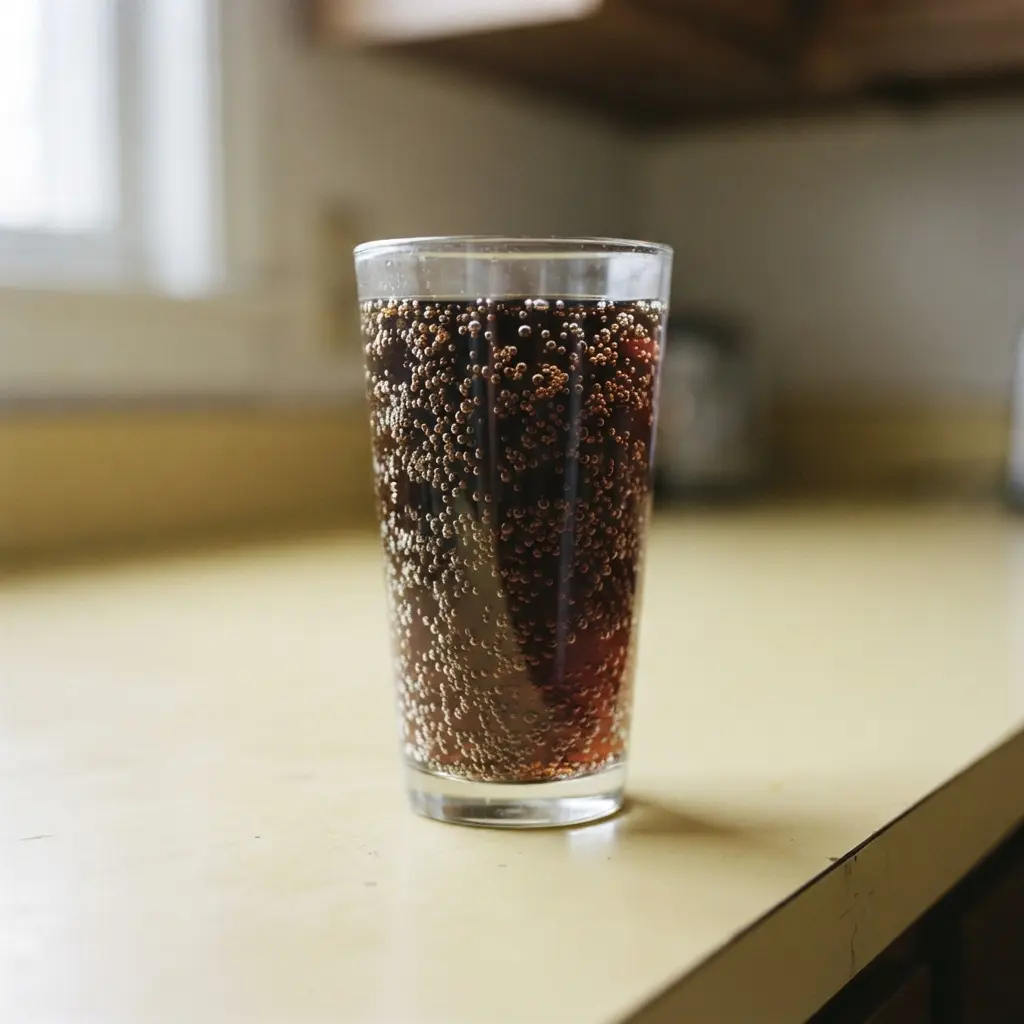
A common mistake is thinking all sugars are the same and only total calories matter. The metabolic impact of added sugars, especially fructose, is unique and profound, which is why experts highlight habits which result in fat belly early in the day. When you consume excessive added sugar, the liver becomes overloaded. It converts the surplus fructose directly into fat via de novo lipogenesis. This fat accumulates in the liver, contributing to a condition known as non-alcoholic fatty liver disease. This process also drives insulin resistance, where your cells stop responding properly to insulin. High insulin levels then promote the storage of fat, particularly as visceral belly fat, showing how sweetened coffee directly fuels habits which result in fat belly.
Liquid sugars in sodas and sweetened coffees are particularly problematic because they do not trigger proper fullness signals. Research suggests this can lead to overconsumption of hundreds of extra calories daily without satiety. The resulting chronic high blood sugar and insulin create a cycle that disrupts your entire metabolism, proving that avoiding liquid calories is key to stopping habits which result in fat belly.
To break this cycle, you must identify and eliminate hidden sugars. Read nutrition labels carefully for terms like syrup, nectar, and anything ending in ‘-ose’. A practical first step is to replace sugary drinks with water or unsweetened tea. For a deeper understanding of how to address the fat this habit creates, learn about real ways to eliminate belly fat through comprehensive lifestyle changes.
2. Chronic High Stress Levels and Cortisol’s Role

Take steps to manage your daily stress first. This is not just about feeling better. It is about preventing a direct biological trigger for fat storage. Chronic stress keeps your body’s stress response system activated. This system releases cortisol continuously. Elevated cortisol promotes the storage of visceral fat around your organs, and this chemical shift clearly explains why tense days fuel habits which result in fat belly.
It can also increase your appetite, particularly for high-calorie foods. Research clearly links long-term stress with greater abdominal fat accumulation. Many people find their weight management efforts stall without addressing this factor. One practical step is to learn how to improve your eating habits to counter stress-induced cravings, which gives you a solid tool against habits which result in fat belly. This provides a concrete defense against one of cortisol’s primary effects.
3. Inadequate Daily Rest and Sleep — The Recovery Gap

You finish a long day, finally turn off the lights, and find your mind still racing. That is the recovery gap in action. It is the difference between the rest your body needs and what you actually get. Sleep is not just downtime. It is a critical biological process for physical and hormonal repair. During deep sleep, your body releases growth hormone for tissue repair and rebalances appetite hormones like ghrelin and leptin. This hormonal shift is crucial. When sleep is short, ghrelin levels rise and leptin levels fall, and we see how nightly habits which result in fat belly quietly drain your energy.
This increases hunger and reduces feelings of fullness. Research clearly links poor sleep to increased belly fat. The stress hormone cortisol also remains elevated without adequate rest. High cortisol levels promote fat storage specifically in the abdominal area. Chronic sleep deprivation can even decrease insulin sensitivity, which further encourages fat storage, highlighting why late screens remain among the main habits which result in fat belly.
Many people believe they can recover lost sleep on weekends, but this does not fully reverse the metabolic effects of consistent deprivation. For sustained results, understanding these strategies to lose belly fat is essential. Prioritize seven to nine hours of quality sleep as a non-negotiable part of your routine.
4. High Intake of Refined Carbohydrates and Blood Sugar Spikes

A common belief is that all carbohydrates cause the same blood sugar problems. The truth is that the processing of the food makes the critical difference. Refined carbohydrates like white bread and sugary drinks lack the natural dietary fiber found in whole grains. This fiber normally slows digestion. Without it, your body breaks the starch into glucose far too quickly. This rapid digestion causes a sharp spike in blood sugar. Your pancreas responds by releasing a large amount of insulin. That insulin surge clears the glucose from your blood, often leading to a subsequent crash in energy. Frequent cycles of these spikes and crashes can promote insulin resistance over time, creating a direct path for daily habits which result in fat belly.
This condition makes your cells less responsive to the hormone, which encourages your body to store more fat, particularly around the abdomen. Managing this involves a simple, practical shift, and swapping packaged snacks immediately disrupts the habits which result in fat belly. Choose whole carbohydrate sources like oats, quinoa, and legumes more often. These foods provide a steadier energy release and support metabolic health. For a broader look at other harmful habits impacting your health, understanding this mechanism is a key first step.
5. Sedentary Lifestyle and Inactivity — Slowing Your Metabolism

Do you feel like your body is not burning calories the way it used to? Prolonged sitting directly sabotages your metabolic engine. Your total daily energy expenditure has three parts. Your basal metabolic rate uses calories for basic functions. Non-exercise activity thermogenesis covers incidental movement like standing or fidgeting. Exercise activity thermogenesis is from dedicated workouts. A sedentary life slashes the last two and can lower the first by reducing muscle. Muscle tissue burns more calories at rest than fat tissue. Inactivity leads to muscle loss, which depresses your basal metabolic rate, and this slowdown perfectly describes how office routines fuel habits which result in fat belly.
This makes your body more likely to store excess energy as fat. The process is especially problematic for abdominal fat storage. Research suggests that hours of sitting have distinct metabolic effects that exercise alone may not fully reverse. A practical step is to break up sitting every 30 minutes with short walks or light movement, since interrupting stillness directly counters the sedentary habits which result in fat belly.
6. Chronic Excessive Alcohol Consumption and Empty Calories

Unlike the sustained energy from nutrient-dense foods, alcohol delivers calories with almost no nutritional value. The body treats alcohol as a toxin and prioritizes metabolizing it over other fuels. This process can halt fat burning and encourage fat storage, especially in the abdominal area, which shows how evening drinks become habits which result in fat belly. For example, three standard glasses of wine add roughly 375 empty calories to your day. Research consistently links heavy drinking to increased visceral fat, the deep belly fat associated with higher health risks.
A practical step is to track your intake and understand the empty calorie content of your usual drinks. Many people find that cutting back on alcohol is one of the most effective ways to reduce overall calorie intake and target belly fat, and this simple swap quickly removes common habits which result in fat belly. If your weight remains stubborn despite other efforts, reviewing the reasons weight loss is difficult can provide further insight into this common barrier.
7. Insufficient Daily Fiber Intake — Missing a Key Regulator

A common mistake is thinking fiber is only for bowel regularity. In truth, it is a master regulator for your entire metabolism and gut health. Insufficient daily fiber intake misses this critical function. Dietary fiber passes through your digestive system intact. It acts as a prebiotic, feeding the beneficial bacteria in your gut. These bacteria then produce short-chain fatty acids that reduce inflammation and support a healthy metabolism, proving that ignoring plant foods is one of the main habits which result in fat belly.
Soluble fiber also slows the absorption of sugar, helping to prevent rapid blood glucose spikes and improving insulin sensitivity over time. Research suggests a fiber-rich diet is linked to better weight management and reduced risk of chronic disease. Many people find they feel fuller for longer when they include adequate fiber at each meal, which naturally supports a healthy calorie balance. Focus on whole food sources like vegetables, legumes, and whole grains, because adding these items directly blocks the daily habits which result in fat belly. Be aware that many processed foods to avoid for better health claim added fiber but lack the full spectrum of benefits found in natural sources.
Strategic Integration of Strength Training and Nutrition
Building muscle through regular strength training is your secret weapon for long-term belly fat loss, as it directly improves your metabolic rate. More muscle means you burn more calories all day, even at rest, which supports that crucial energy deficit. Pair this with a nutrition plan focused on whole foods and high fiber intake to keep your blood sugar stable. This combination tackles the problem from both sides, regulating insulin while you build a body that naturally uses more energy, and it creates a lasting shield against habits which result in fat belly. Trust me, this integrated approach is far more effective than any quick fix for creating lasting change in your body composition.
Conclusion
Understanding these daily patterns is a powerful first step. It shifts the focus from feeling stuck to seeing clear opportunities for positive change. Remember, the goal isn’t perfection, but progress. Pick one habit from this list that feels most relevant to your life right now. Maybe it’s adding a vegetable to your lunch for more fiber, and this simple choice interrupts habits which result in fat belly. Or setting a slightly earlier bedtime. Small, consistent adjustments in these areas can send new signals to your body, supporting a healthier metabolism over time. Your effort to identify and adjust habits which result in fat belly is a meaningful investment in your own well-being. Be kind to yourself as you make these changes.
FAQs
Q: Does stress really cause belly fat?
A: Yes, chronic stress can contribute to belly fat. When you’re stressed, your body releases a hormone called cortisol. High cortisol levels over time can increase your appetite and encourage your body to store fat, particularly around your abdomen.
Q: How does sleep affect my weight?
A: Not getting enough sleep disrupts hormones that control hunger and fullness. You might feel hungrier and crave more sugary or high-carb foods. Good sleep helps regulate these hormones and supports your metabolism.
Q: Are all carbs bad for belly fat?
A: No, not all carbs are problematic. Refined carbs like white bread and pastries can spike blood sugar and promote fat storage. Whole, fiber-rich carbs like vegetables, fruits, and whole grains are digested slowly and support stable energy.
Q: Can I target fat loss just in my belly?
A: Spot reduction, or losing fat from just one area, is not effective. Fat loss happens throughout your body as you create a healthy calorie deficit through diet and exercise. Focusing on overall healthy habits is the best approach.
Q: How long does it take to see changes after fixing these habits?
A: It varies for everyone, but be patient. Metabolic and hormonal changes from improved habits like better sleep and nutrition can take several weeks to show visible results. Consistency with your new routines is key.