Struggling to eat enough or keep weight on? Ways to gain weight in a healthy way include eating more often, adding calorie-dense whole foods, and pairing carbohydrates with protein and healthy fats. Nourishing drinks, steady meal times, and strength training also support gradual progress. Small increases often feel easier on your stomach than oversized meals.
Trying to gain weight does not mean filling every plate with sweets or fried foods. Your body needs enough energy, protein, fiber, vitamins, and minerals for good health. Exploring ways to gain weight in a healthy way helps you stay focused on real progress instead of quick fixes. I know larger meals can feel uncomfortable, so this guide focuses on simple changes, tasty additions, and snacks between meals. Keep portions manageable and increase them over time. If weight loss has no clear cause or eating feels difficult, speak with a health professional. Let’s build a plan that feels practical for your routine and start with your next meal.
Building Meals Around Complete Nutrition
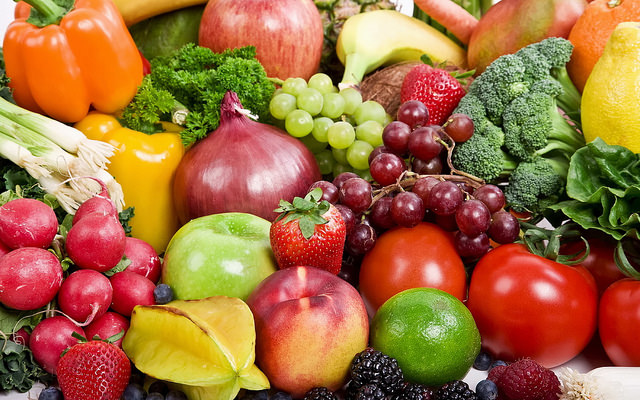
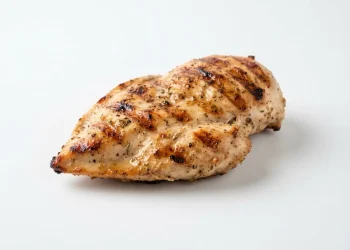
Pair every main meal with a protein food, a starchy carbohydrate, colorful produce, and a calorie-dense fat to add energy without dropping food quality. Focusing on ways to gain weight in a healthy way makes these balanced plates much easier to build. Eggs, fish, poultry, beans, lentils, tofu, and tempeh supply protein for meals.
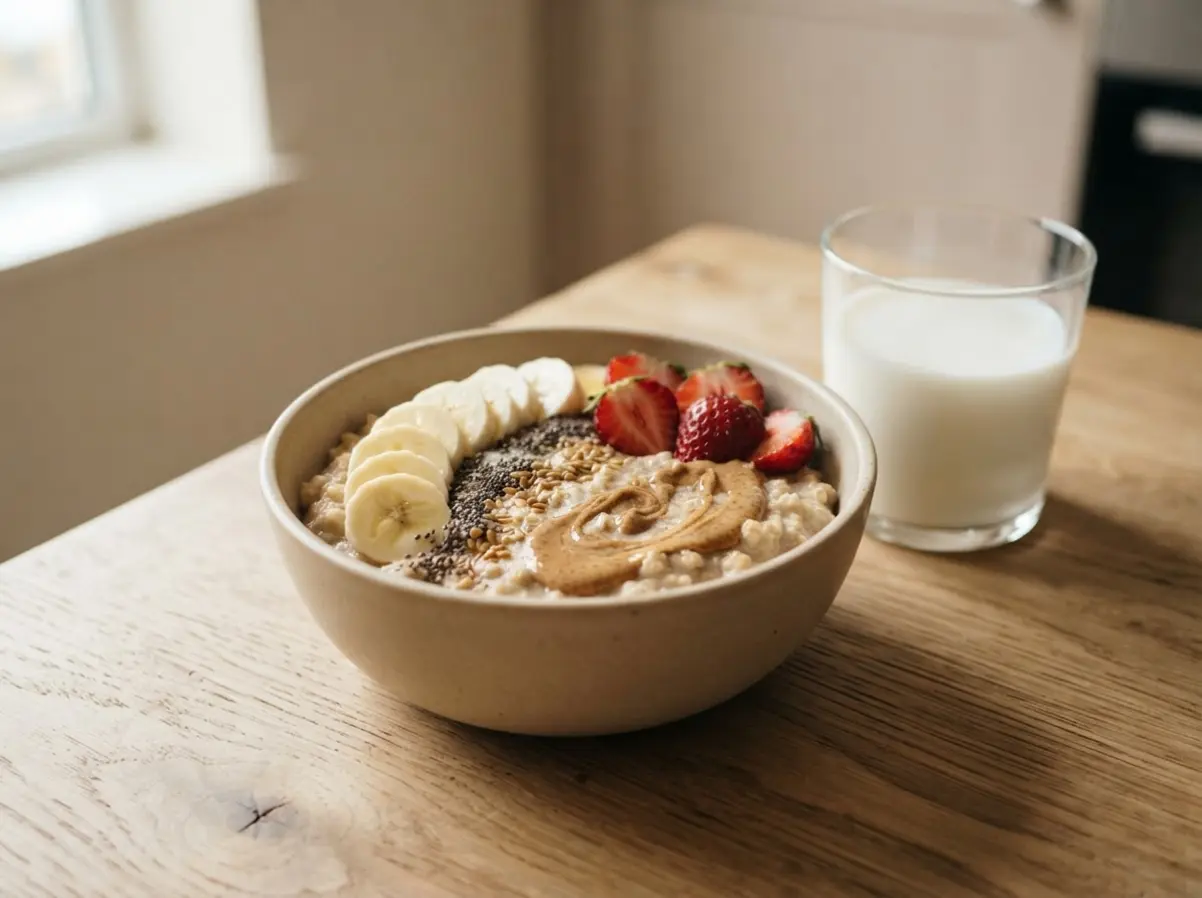
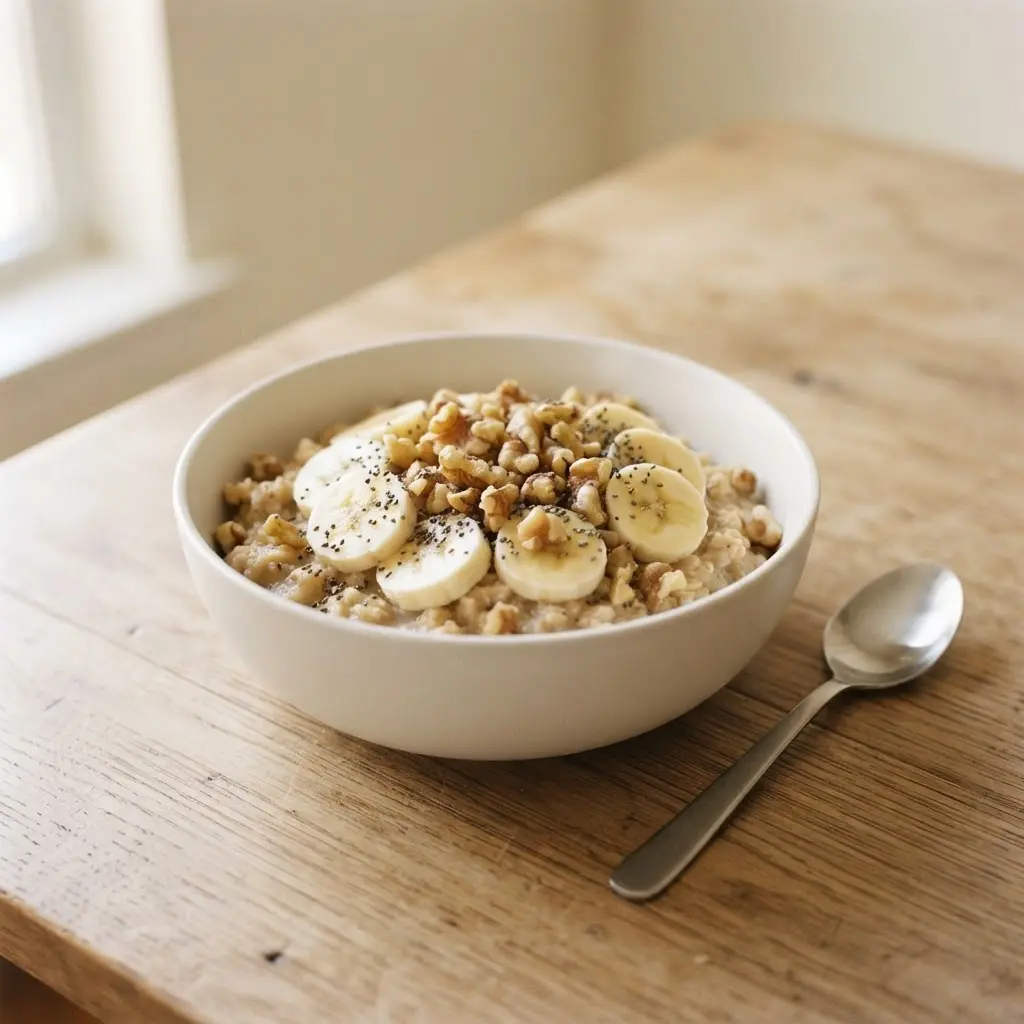
Oats, brown rice, potatoes, and whole-wheat bread provide steady carbohydrate energy. Add avocado, olive oil, nuts, seeds, or full-fat yogurt as useful calorie-dense additions. A bowl of oats gains more nourishment with nut butter and dried fruit. You can apply ways to gain weight in a healthy way by simply varying your colors each day.
Larger portions need not arrive at once. Gradual increases help meals feel comfortable while preserving balance. Cheese stirred into pasta or eggs adds energy without much volume.
Managing Appetite And Food Volume
A homemade smoothie packs calories into less volume than a large solid meal, which helps when appetite fades quickly. Blending this way shows one of many ways to gain weight in a healthy way without feeling stuffed. Blend full-fat milk or yogurt with fruit, oats, nut butter, and seeds for a drink carrying protein, carbohydrate, fat, vitamins, and minerals.
Three moderate meals often feel easier than oversized plates, while two or three substantial snacks fill gaps between meals. Sticking to ways to gain weight in a healthy way means pacing yourself across these smaller sessions. Toast with avocado and eggs, trail mix with dried fruit, or cheese with whole-grain crackers gives more energy without excessive food volume.
Eat at regular times rather than waiting for strong hunger signals. Sip water between meals if drinks during meals reduce your appetite. A registered dietitian offers practical ideas when nausea, early fullness, or chewing fatigue limits intake.
1. Calorie-Dense Whole Foods for Steady Weight Gain
A common mistake is treating weight gain as permission to fill every meal with sweets and fried foods. Correct the approach by choosing calorie-dense whole foods such as nuts, avocado, whole grains, full-fat dairy, legumes, and fatty fish. Choosing these specific items aligns with ways to gain weight in a healthy way over the long term. These foods provide energy along with protein, fiber, vitamins, minerals, or healthy fats.
Build each main meal around a carbohydrate source, such as oats, brown rice, quinoa, potatoes, sweet potatoes, or whole-wheat bread. Planning ahead reveals ways to gain weight in a healthy way without spending hours in the kitchen. Add protein from lentils, beans, chickpeas, eggs, yogurt, cheese, or salmon.
Finish with avocado, seeds, nut butter, or a small amount of olive oil. A spoonful of nut butter stirred into breakfast oats adds energy without creating a much larger portion. Research supports regular meals containing a mix of carbohydrates, protein, and fats for steady energy intake.
Use portion-friendly additions when a large plate feels difficult. These small additions highlight practical ways to gain weight in a healthy way. Pair full-fat yogurt with dates and pumpkin seeds, add cheese to a sandwich, or mix raisins into a grain dish. Dried fruit provides concentrated calories, so use smaller portions than fresh fruit.
Rotate food choices across the week rather than relying on oil, nuts, or dairy alone. Mix things up to support ways to gain weight in a healthy way across different days. Serve brown rice with chickpeas, avocado with whole-wheat toast, or sardines with potatoes and vegetables.
This pattern supplies different nutrients while keeping meals satisfying. Choose affordable whole-food options first, then increase portions gradually as appetite allows.
2. Balanced Macronutrient Strategies for Daily Meals
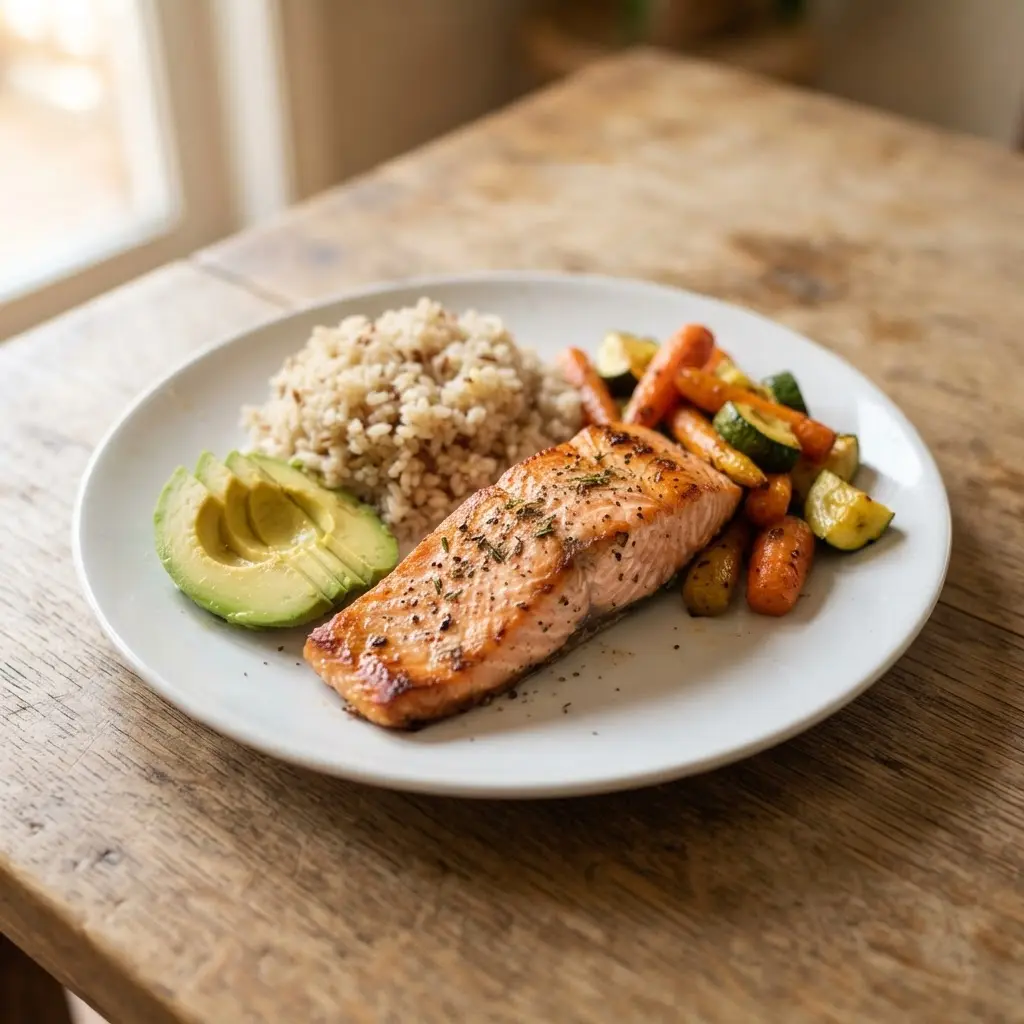
Build each main meal around a carbohydrate, protein, and fat source. Following these basic combos demonstrates ways to gain weight in a healthy way. This combination supplies steady energy, supports muscle maintenance, and adds useful calories without relying on one food group. Base meals on whole or minimally processed foods to provide fiber, vitamins, and minerals.
Use a balanced plate as a starting point. Fill about half with vegetables such as broccoli, spinach, bell peppers, or zucchini. Fill one-quarter with chicken, fish, tofu, beans, or lentils. Fill the final quarter with quinoa, brown rice, sweet potatoes, or whole-wheat pasta.
Add energy-dense fats through olive oil, avocado, nuts, seeds, or cheese when a larger meal feels difficult. Spread protein across breakfast, lunch, dinner, and snacks instead of eating most of it at one sitting. Splitting your intake is one of the most effective ways to gain weight in a healthy way.
Aim for about 20 to 30 grams per meal through eggs, yogurt, poultry, fish, tofu, beans, lentils, or nuts. A snack such as yogurt with fruit and nuts adds protein and calories between meals. Adjust carbohydrate portions to match activity.
Use larger servings around demanding exercise and moderate servings during less active periods. Avoid severe carbohydrate restriction during weight gain efforts. Add olive oil to vegetables, seeds to oatmeal, avocado to sandwiches, or nut-based foods to fruit. These small additions raise meal energy without requiring oversized portions. Track portions in a food journal when planning feels difficult. Adjust intake according to appetite, activity, health conditions, and personal needs. Always consult a healthcare professional before making changes to your health routine.
3. Strategic Meal Frequency Planning for Easier Eating

At 10:30 in the morning, a large breakfast still sits unfinished, while the next meeting approaches. Smaller eating occasions offer a practical alternative. Switching to ways to gain weight in a healthy way often means breaking meals into these manageable bites. Divide food across several meals and planned snacks rather than forcing one large plate.
Keep each eating time simple enough to fit work, school, or travel. Choose three main meals when regular portions feel comfortable. Choose several smaller meals when fullness arrives quickly. Add planned snacks between meals to create more chances to eat during the day. Schedule planned snacks around times when food preparation and eating fit your routine.
Use nutrient-dense snack ideas to fill gaps between meals without relying on a single large serving. Research suggests meal frequency works best when the schedule matches personal goals, food needs, daily responsibilities, budget, and cooking habits. Finding your own rhythm supports ways to gain weight in a healthy way without strict rules.
No single pattern suits every person. Build the routine around your most reliable times for eating. Keep ready-to-eat foods available for busy periods, and adjust the pattern if meals repeatedly feel difficult to finish.
Do not treat intermittent fasting, frequent small meals, or three-meal routines as universal rules. Review medical requirements before changing meal frequency, especially with a health condition or dietary restriction.
4. Nutrient-Rich Beverage Options With Protein and Fats
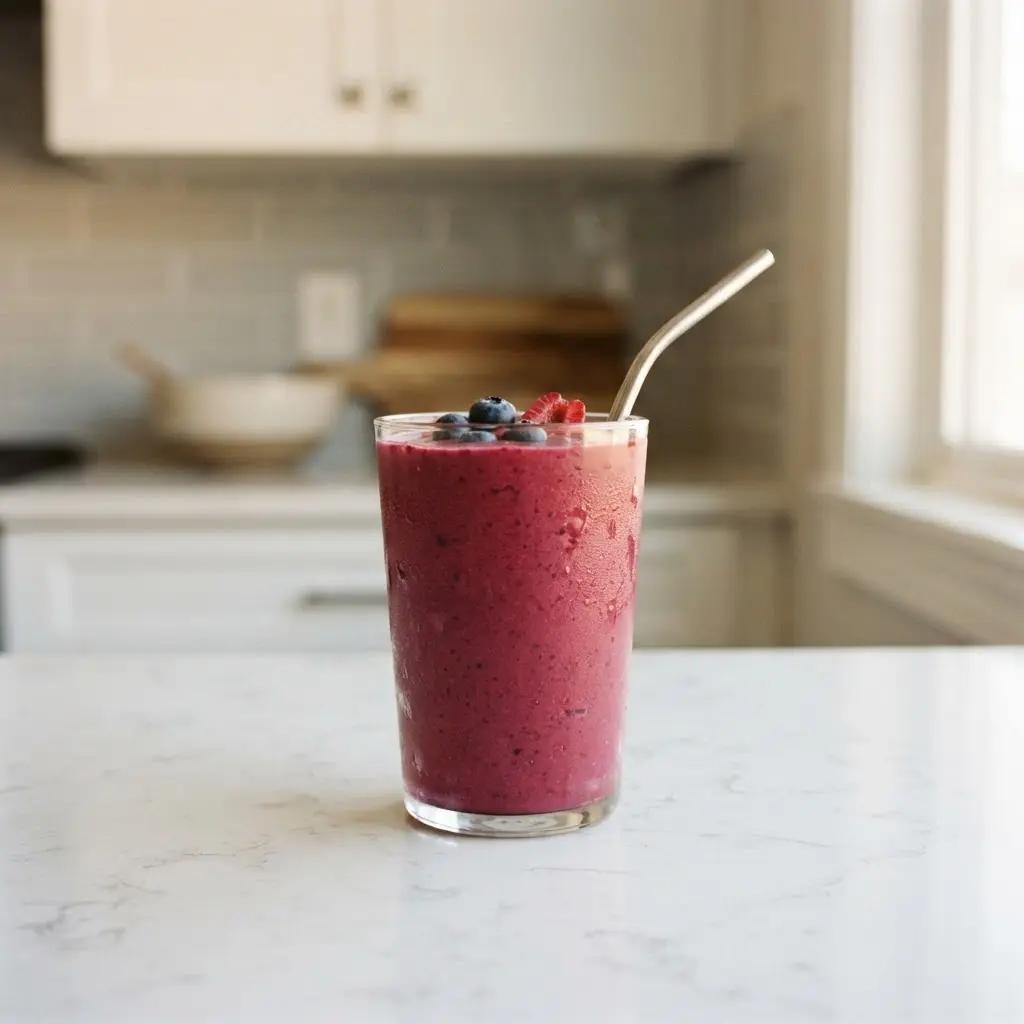
Many people believe healthy weight gain requires sugary drinks. Healthy weight gain does not require empty calories. These drinks offer simple ways to gain weight in a healthy way when chewing feels hard. Build a drink with a protein-rich liquid base, a protein source, and a fat-containing ingredient.
Whole milk, plain kefir, and fortified soy milk provide useful starting points. Blend Greek yogurt, cottage cheese, or protein powder into the base. Add nut butter, avocado, chia seeds, flax seeds, or hemp seeds for dietary fats and a thicker texture. Add fruit for carbohydrates, flavor, and extra nutrients. A shake made with whole milk and full-fat yogurt provides more energy than one made with water or skim milk.
Check labels on fortified nut milks because protein and fat levels vary by product. Unsweetened almond and cashew drinks often provide little protein, so pair them with yogurt, cottage cheese, or seeds. Add fruit or natural calorie-dense sweeteners for flavor and carbohydrates without making added sugar the main ingredient.
Research supports nutrient-dense beverages as a practical way to increase intake when solid meals feel difficult or a portable snack is needed. Kefir also provides probiotics, while dairy and fortified plant-based drinks often supply calcium and vitamin D. Blend seeds and cottage cheese thoroughly for a smooth texture. People with milk allergies, lactose intolerance, soy allergies, swallowing difficulties, kidney disease, or other dietary restrictions need individualized guidance. Always consult a healthcare professional before making changes to your health routine.
5. Strength Training for Hypertrophy and Lean Mass

Does strength training support healthy weight gain? Yes. Progressive resistance gives muscles a reason to grow as food supplies energy and protein. Combining movement with proper nutrition represents ways to gain weight in a healthy way that builds real strength. Choose squats, presses, rows, pulldowns, and hip-hinge movements to train the major muscle groups.
Muscle growth responds to mechanical tension, training effort, and enough recovery. Complete about 10–20 sets per muscle group each week, spread across at least two sessions. Use mostly 6–12 repetitions with loads near 60–80% of your one-repetition maximum. Finish demanding sets with roughly 0–2 repetitions in reserve. Beginners should stop slightly earlier while learning safe form and managing fatigue.
Apply gradual progression when the current workload becomes manageable. Add a small amount of weight, perform another repetition, or add one set. Lower each weight with control for about two seconds. Avoid momentum and shortened movements. Research suggests consistent resistance training supports muscle size and strength more reliably than frequent programme changes.
Support training with approximately 1.6 g of protein per kilogram of body weight each day, divided across 3–4 meals. A moderate energy surplus of about 200–500 calories daily supports weight gain while limiting unnecessary fat gain. Sleep for 7–9 hours each night. Always consult a healthcare professional before making changes to your health routine, especially with an injury or medical condition.
6. Healthy Weight Gain Monitoring With Simple Checks

A weekly weight trend gives a clearer picture than daily scale readings. Weigh yourself once each week, in the morning, before eating or drinking. Use the same scale and similar clothing each time. Aim for gradual progress of about 0.5–1 pound per week, then review the pattern across several weeks. Tracking this pattern confirms ways to gain weight in a healthy way without guessing.
Track body measurements alongside weight. Measure your waist, hips, and thighs under similar conditions. For your waist, place the tape around your natural waistline, keep it level, and hold it snug without pressing into your skin. Muscle gain often shows through strength and changes in several areas, not through scale weight alone.
Notice how clothing fit changes. Tighter sleeves, trouser legs, or shoulder areas might occur with muscle development. Tightness mainly around the midsection points more toward increased abdominal fat. Record energy levels and physical performance as well. Improved strength during workouts or daily tasks supports a more balanced view of progress.
Review digestive comfort after meals. Note appetite, fullness, bloating, pain, bowel changes, or trouble eating enough food consistently. Research suggests that multiple checks give a better view of health than body weight alone. Combine nutrient-dense foods with regular strength training, and adjust meal size or food choices when discomfort persists. Always consult a healthcare professional before making changes to your health routine.
7. Professional Nutritional Guidance Roles in Weight Support

A common mistake is treating weight gain as a simple calorie problem. A registered dietitian nutritionist, or RDN, looks at health needs, eating patterns, food access, preferences, medications, and daily routines before setting goals. Weight is shaped by genetics, social conditions, knowledge, skills, and the surrounding environment, not willpower alone.
Begin with individualized nutrition care rather than a standard calorie prescription. Medical Nutrition Therapy, or MNT, gives this process structure. The RDN assesses your needs, sets client-centered goals, applies evidence-based food strategies, and reviews progress over time. A plan might add energy-dense foods, adjust meal timing, or address a medical concern while protecting nutritional adequacy. The Nutrition Care Process guides assessment, intervention, monitoring, and evaluation.
Follow-up matters because appetite, health status, finances, activity, and food access change. Guidance lasting at least one year, with contacts at least every three months for maintenance, offers more time to address barriers and adjust the plan. At least five interactive sessions are recommended when feasible. Research suggests ongoing support gives people more opportunity to maintain nutrition changes than a single appointment.
Ask the RDN to coordinate care with a primary-care clinician, mental-health counselor, or exercise specialist when needed. People with type 2 diabetes, cardiovascular disease, dyslipidemia, medication-related nutrition concerns, unintended weight changes, or complex dietary needs need coordinated advice. Use respectful, weight-inclusive language and define success through health, strength, eating habits, and personal goals, not body weight alone. Exploring professional paths shows final ways to gain weight in a healthy way when personal effort hits a wall. Always consult a healthcare professional before making changes to your health routine.
Monitoring Progress With Professional Guidance
Unplanned weight loss or continued failure to gain weight deserves a doctor’s review, especially when appetite, digestion, or energy changes occur. A registered dietitian helps assess your usual intake, medical history, and food access before suggesting a realistic nutrition plan. Keep a simple food record for several days, including meals, snacks, drinks, and hunger levels.
Weekly weight checks under similar conditions reveal trends more clearly than repeated daily weighing. Resistance training supports muscle gain when your clinician approves and your food intake meets training needs. Seek medical advice for rapid loss, ongoing diarrhea, vomiting, pain, or fatigue. A clinician or dietitian should review persistent difficulty gaining weight, since an underlying health issue sometimes affects appetite or nutrient absorption.
Conclusion
Your reason for gaining weight is personal. You might want more energy, stronger muscles, better recovery, or steadier health. A gradual plan respects your appetite and helps you stay consistent. Ways to gain weight in a healthy way work best when meals include protein, complex carbohydrates, healthy fats, and foods you enjoy.
Start today by adding one nourishing snack or a spoonful of nut butter to a meal. Keep a simple food note for a few days, so you notice patterns without judging yourself. Weighing at the same time each week gives a clearer view of change than daily checks. If your weight keeps falling or eating feels hard, arrange a visit with a doctor or dietitian. Small steps count, and your next balanced meal is a good place to begin.
FAQs
Q: How many meals should I eat for healthy weight gain?
A: Aim for three meals plus two or three snacks if larger portions feel hard. Space food across the day and keep portions comfortable.
Q: Which foods help with weight gain without relying on junk food?
A: Choose nuts, seeds, avocado, olive oil, eggs, dairy foods, beans, whole grains, and fatty fish. Pair these foods with fruits or vegetables for added fiber and nutrients.
Q: Are smoothies a good choice for gaining weight?
A: Yes. Blend milk or yogurt with fruit, oats, nut butter, and seeds for a filling drink. Sip it between meals if drinks with meals reduce your appetite.
Q: What should I do if I keep losing weight without trying?
A: Arrange a medical checkup soon. Unplanned weight loss has several possible causes and needs personal assessment.
Q: Does strength training help with healthy weight gain?
A: Strength training supports muscle growth when food intake and protein are sufficient. Begin with suitable exercises and allow rest between sessions.