
Want healthy fasting tips for safer progress without leaving you drained? Start with a short fasting window, drink enough fluids, plan balanced meals, protect your sleep, and stop if you feel unwell, as basic healthy fasting tips remind us. People with health conditions, pregnancy, a history of eating disorders, or medicines affecting blood sugar need medical advice first.
Fasting looks simple, yet your body still needs steady care. Hunger, headaches, and low energy often improve when you ease in instead of chasing longer fasting periods. Your first goal is a routine you feel able to repeat. This guide covers gradual timing, hydration and electrolytes, nourishing meals after fasting, sleep, hunger signals, and safety concerns. I’ll keep the steps practical, so you know what to prepare and when to pause.
Small choices around meals, rest, and fluids often shape the experience as much as the fasting window. Let’s make your next fast calmer, kinder, and easier to manage.
Medication Timing During Eating Windows
Keep prescribed medicine timing unchanged unless your clinician approves a new eating window. A fasting schedule should fit around medicines, not force doses into inconvenient hours, so follow simple healthy fasting tips to stay on track. Diabetes medicines, insulin, blood pressure tablets, and medicines requiring food need individual guidance because missed meals raise risks. Ask your prescriber or pharmacist whether water-only fasting suits each dose, and never change dose amounts yourself.
Write dose times beside your planned eating window, then carry the plan when schedules change. Some medicines cause nausea on an empty stomach, so an early meal or shorter overnight fast might protect comfort and adherence. A clinician might recommend a shorter fast while your body adjusts to treatment. Seek help quickly for confusion, faintness, shaking, or unusual sweating during a fast, especially with diabetes treatment.
Exercise Intensity During Fasting Periods
Keep hard workouts outside a long fasting period until your body shows steady tolerance. Moderate exercise such as walking, gentle cycling, or mobility work usually suits an early fasting period better than sprinting or heavy lifting. Drink water before activity and keep fluids available afterward, especially in heat. If your fast lasts beyond overnight hours, shorten the workout rather than chasing your usual pace or weight, because healthy fasting tips encourage you to listen to your signals.
Stop when dizziness, nausea, weakness, blurred vision, or unusual fatigue appears, and eat if symptoms continue. People with diabetes, low blood pressure, pregnancy, or relevant medicines need professional advice before pairing exercise with fasting. A small balanced meal after training supports recovery better than a large rush of highly processed food.
1. Gradual Fasting Progression Strategies for Beginners

Starting with a 16-hour fast is a common beginner mistake. Begin with a 12-hour overnight fast instead. Finish dinner at 8 p.m. and eat breakfast at 8 a.m., applying these healthy fasting tips for steady results. Repeat this schedule until hunger, energy, sleep, and comfort feel steady. A shorter fast gives your body time to adjust without forcing a long gap between meals.
Track hunger and energy during each fasting period. Continue the 12-hour schedule for several days or longer before extending the window. Move to 14 hours only when the first schedule feels manageable. Progress to 16 hours only when energy and general well-being stay satisfactory, since practical healthy fasting tips favor slow pacing. Research suggests gradual changes are easier for many people to maintain than abrupt restrictions.
Use a restricted eating day when a full metabolism-supporting fasting foods difficult. Set a clear eating window and choose nutrient-dense foods, because reliable healthy fasting tips always prioritize real meals. Drink water, unsweetened herbal tea, or black coffee without sugar or milk during fasting hours. Balanced meals support satiety and help meet daily nutrition needs.
Do not treat dizziness, marked fatigue, or significant discomfort as proof of progress, and remember healthy fasting tips to keep you safe. Stop or shorten the fast when warning symptoms appear, then seek professional guidance. People with health conditions or medication needs require medical advice before changing meal timing. Always consult a healthcare professional before making changes to your health routine.
2. Optimal Hydration and Electrolyte Management Basics

Drink fluids steadily throughout the permitted eating and drinking period. Use steady fluid intake to support temperature control, nutrient transport, joint lubrication, and waste removal. During a fast, plan water intake before the fast begins and after the fast ends, while keeping healthy fasting tips close for guidance. Follow the rules of the chosen fast, since some fasts permit water while others restrict all fluids. Medical needs take priority over a generic daily target.
Use thirst and urine colour as practical checks, which matches basic healthy fasting tips for daily comfort. Pale-yellow urine often signals adequate fluid status, while dark yellow urine suggests a need for more fluids. Drink before, during, and after exercise. Avoid consuming a large volume at once, especially before sleep or physical activity. About 2 litres, or 64 fluid ounces, is a general estimate rather than a universal requirement.
Choose electrolyte drinks for prolonged or intense exercise, heavy sweating, or hot conditions. Sodium, potassium, magnesium, calcium, and chloride support nerve signals, muscle contractions, and fluid balance. Moderate activity usually requires no supplement when meals contain fruits, leafy greens, dairy foods, and other varied sources. Sports drinks often contain carbohydrate and sodium, so routine use during light workouts adds unnecessary intake.
Research suggests hydration planning supports physical performance and normal concentration during fluid restriction. Dehydration contributes to fatigue, cramps, reduced cognitive function, and impaired temperature control. Limit alcohol, and moderate caffeine according to personal tolerance, since both increase urine output in some settings. Always consult a healthcare professional before making changes to your health routine, particularly with kidney disease, heart disease, blood-pressure treatment, pregnancy, or diuretic use.
3. Nutrient Dense Refeeding Principles for Balanced Meals
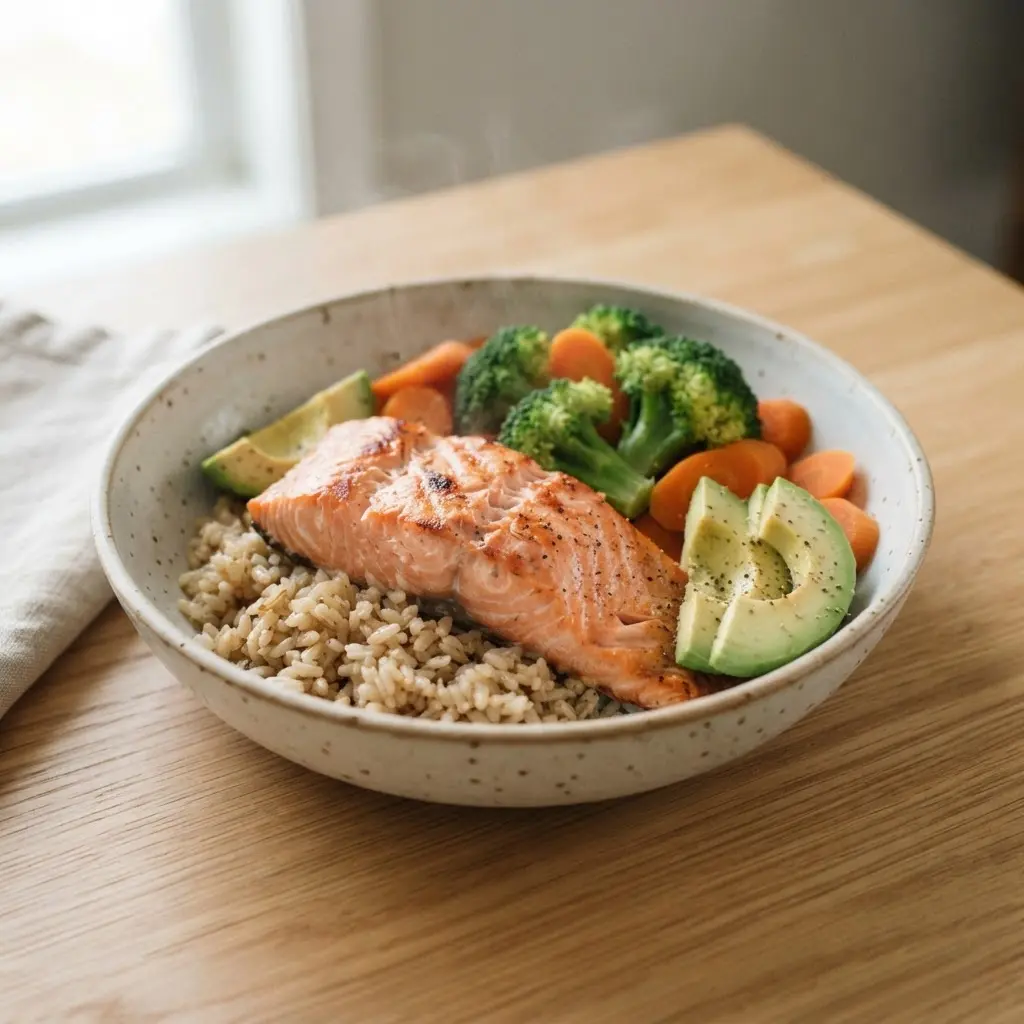
At noon after a long fast, a large plate of food often feels harder to manage than expected. Begin with a small meal built from protein, complex carbohydrates, and healthy fat, such as oatmeal with berries, Greek yogurt, and nuts, following simple healthy fasting tips for balance. Eat slowly, then wait for comfort and digestion before adding more food. This approach supports a gradual return to regular eating.
Build later meals around balanced macronutrients. Include chicken or tofu, quinoa or sweet potato, olive oil or avocado, plus leafy greens or broccoli. Add colorful fruit during the day. Protein supplies amino acids for tissue repair. Fiber supports fullness and normal bowel function. A balanced plate provides steady energy and broader micronutrient intake than a meal centered on refined sugar.
Keep smart post-fast snack choices small, such as apple slices with almond butter or a hard-boiled egg with almonds. Increase portions and meal frequency in stages as appetite returns. Drink water throughout the day. Broth or an unsweetened electrolyte drink supports fluid and sodium intake after heavy depletion.
Research suggests balanced meals with protein, fiber, and fat support satiety and steadier energy. Time carbohydrates and protein near workouts to support exercise energy and muscle recovery. Significant nutritional or electrolyte depletion, or poor digestion, requires professional guidance before normal portions resume. Always consult a healthcare professional before making changes to your health routine.
4. Sleep and Hunger Hormone Regulation for Better Rest

A common belief says one poor night always raises ghrelin and lowers leptin. The evidence does not support such a fixed response. Ghrelin stimulates hunger, while leptin is linked with fullness, so healthy fasting tips focus on steady rest instead. Acute sleep restriction has raised ghrelin in some studies, yet short-term leptin findings are mixed. Treat post-sleep-loss hunger as a real signal, not a willpower failure.
Protect a regular sleep schedule after a short night. A single period of restricted sleep differs from repeated sleep loss. Research indicates chronic insufficient sleep has a more limited effect on daily hunger patterns and fasting metabolic hormone rhythms. Blood-sampling time also shapes results, so one measurement does not explain every appetite change.
Use hunger cues alongside sleep quality. Higher ghrelin after acute restriction has been associated with stronger appetite, especially for snacks and sweet foods. Such eating patterns involve more than hormones. Stress, food availability, routine, and personal biology influence choices. BMI and the timing of blood collection are associated with differences in study findings, so hormone results do not predict every person’s response.
Set a consistent wake time and keep sleep timing steady across the week. After poor sleep, assess hunger before extending a fast or choosing highly palatable snacks. Use a balanced meal plan rather than assuming hormone control is predictable. Always consult a healthcare professional before making changes to your health routine.
5. Medical Safety and Contraindications Before Fasting

Is fasting safe for everyone? No. Schedule a medical review before fasting if you have diabetes, kidney or liver disease, a heart or blood vessel condition, or a history of eating disorders. Pregnancy, breastfeeding, frailty, being underweight, fever, and recent illness also raise concern. Children and teenagers need medical guidance because growth and development require steady energy and nutrients.
Diabetes needs special care. Fasting lowers food intake and changes blood glucose control. Insulin and sulfonylureas raise the risk of hypoglycemia, or dangerously low blood sugar. Cutting medicine too much can lead to high blood sugar. People with type 1 diabetes face a serious risk of diabetic ketoacidosis. Poorly controlled diabetes, including an A1C of 9 or higher, generally makes fasting unsafe. Never change medication doses independently.
Review every prescription medicine, over-the-counter product, and supplement with a qualified healthcare professional. Diuretics and SGLT-2 inhibitors increase concern about fluid loss. Metformin, pioglitazone, and DPP-4 inhibitors often have a lower low-blood-sugar risk, yet the full fasting plan still matters. A fixed daily schedule is often easier to manage than a changing schedule because medicine timing stays more predictable.
Maintain fluid intake whenever the chosen fast permits drinks. Stop fasting if you develop dizziness, faintness, confusion, severe weakness, vomiting, worsening illness, or signs of dehydration. Seek medical care for severe symptoms or suspected diabetic ketoacidosis. Research on fasting safety supports risk screening and shared decisions rather than a single plan for everyone. Always consult a healthcare professional before making changes to your health routine.
Adapting Fasting Around Social Meals
Place your eating window around one regular social meal rather than extending a fast to compensate afterward. A shared meal gives you an anchor, and these healthy fasting tips help you join without stress. Check the meal time before setting your fasting hours, then leave enough room for a calm plate with protein, vegetables, fiber-rich carbohydrates, and unsaturated fat. Water remains suitable during fasting, while unsweetened tea or coffee fits some approaches and goals.
At the table, slow your pace and pause before taking more food, since fast eating makes fullness harder to notice. If a late event ends outside your usual window, a shorter fast the next day often supports consistency better than compensatory restriction. People with diabetes, pregnancy, breastfeeding, or eating disorder history should ask a clinician before changing timing for social plans.
Conclusion
Fasting often feels personal because it touches your meals, schedule, energy, and daily plans. Healthy fasting tips work best when they fit your health needs and routine, not when they push you toward longer periods. Choose one small change for your next attempt, such as ending the fast with a balanced meal and keeping water nearby. Write down how you feel before and after, then adjust with support from a healthcare professional if symptoms continue.
If you take medicine, manage a health condition, or have a history of disordered eating, seek guidance before changing your eating pattern. Give yourself room to learn. A steady approach, regular meals, restful sleep, and honest attention to your body create a kinder way to work toward your goals. Start with a plan you trust today, and keep your next step simple.
FAQs
Q: Is fasting safe for everyone?
A: Fasting is not suitable for every person. People who are pregnant, nursing, underweight, managing diabetes, or living with an eating disorder need medical guidance before fasting.
Q: How much water should I drink during a fast?
A: Drink water regularly during the fasting window, with more fluid during heat or exercise. Ask a healthcare professional about electrolyte products, especially if you take medicine or have a health condition.
Q: What should I eat after a fast?
A: Begin with a modest meal containing protein, fiber-rich carbohydrates, vegetables, and some healthy fat. Eat slowly and wait before adding more food.
Q: Why do I feel dizzy while fasting?
A: Dizziness might signal dehydration, low blood sugar, or a fasting window longer than your body handles well. Stop the fast, sit down, and seek medical help if symptoms are strong, persistent, or paired with fainting.
Q: Who should avoid fasting?
A: People with diabetes, pregnancy, a history of eating disorders, or certain medical conditions need personal medical guidance. Children and older adults also need extra care before fasting.