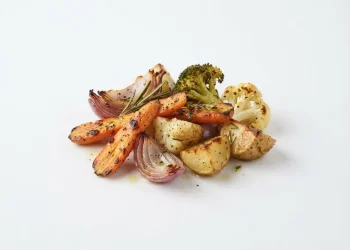
Need filling food during a packed day? High-protein on the go foods include dried meat, nuts, seeds, yogurt, cheese, whole-grain snacks, plant-based kits, protein powder, and cooked eggs. They travel well, need little preparation, and help you stay satisfied between meals.
Busy schedules often make regular meals hard to plan. A small protein-rich snack keeps hunger from taking over during work, school, travel, or training. Pairing protein with fiber, such as fruit, vegetables, or whole grains, helps create a more balanced choice.
Storage matters too. Chilled foods need an insulated bag and ice pack, while dry foods fit easily in a desk drawer or carry-on bag. High-protein on the go foods fit right into these storage methods. I gathered seven practical options for different storage needs and eating styles.
Let’s make your next food break easier with choices you feel good about packing. Pick a few favorites and start your portable snack plan today.
Matching Food Texture To Travel Conditions
Choose firm, low-crumb foods such as jerky or roasted chickpeas when your bag will sit beside books, laptops, or travel documents. Resealable jerky pouches keep portions contained and handle a crowded backpack better than soft yogurt cups or loose boiled eggs.
Crunchy foods need sturdier packaging because crushed nuts and crackers create mess before you reach your destination. Chewy textures also slow eating, which helps a small serving feel more satisfying during a long meeting or ride. This is why High-protein on the go foods work so well for daily travel.
For easier bites, pick individually wrapped cheese, compact protein bars, or sliced turkey in a flat container. Avoid sticky nut butter packets unless you have napkins and a clean opening method. A texture check before packing keeps your food pleasant, tidy, and easy to eat away from home.
Travel plans always change, and High-protein on the go foods adapt quickly to new schedules. Keep these texture tips in mind for your next trip.
Cold Pack Planning For Perishable Foods
Keep yogurt, cottage cheese, eggs, cooked poultry, and opened fish at 40°F (4°C) or below during transport. A well-insulated lunch bag with two frozen cold packs holds a safer temperature longer than a thin tote, especially during commutes or airport delays.
Place chilled foods beside the packs, not above them, and fill empty space with another cold source or a frozen water bottle. Pack dairy and meat in leakproof containers so melting ice does not spread across your bag. High-protein on the go foods stay fresh with this simple cooling step.
Perishable food needs prompt refrigeration when you arrive, since room-temperature travel shortens its safe holding time. For trips lasting several hours, carry shelf-stable jerky, nuts, or roasted legumes as backup instead of stretching the cold chain.
A small thermometer gives you a clear reading when travel conditions feel uncertain. High-protein on the go foods cover both chilled and dry packing styles for safer meals.
1. Shelf-Stable Dried Meat Snacks for Travel Days
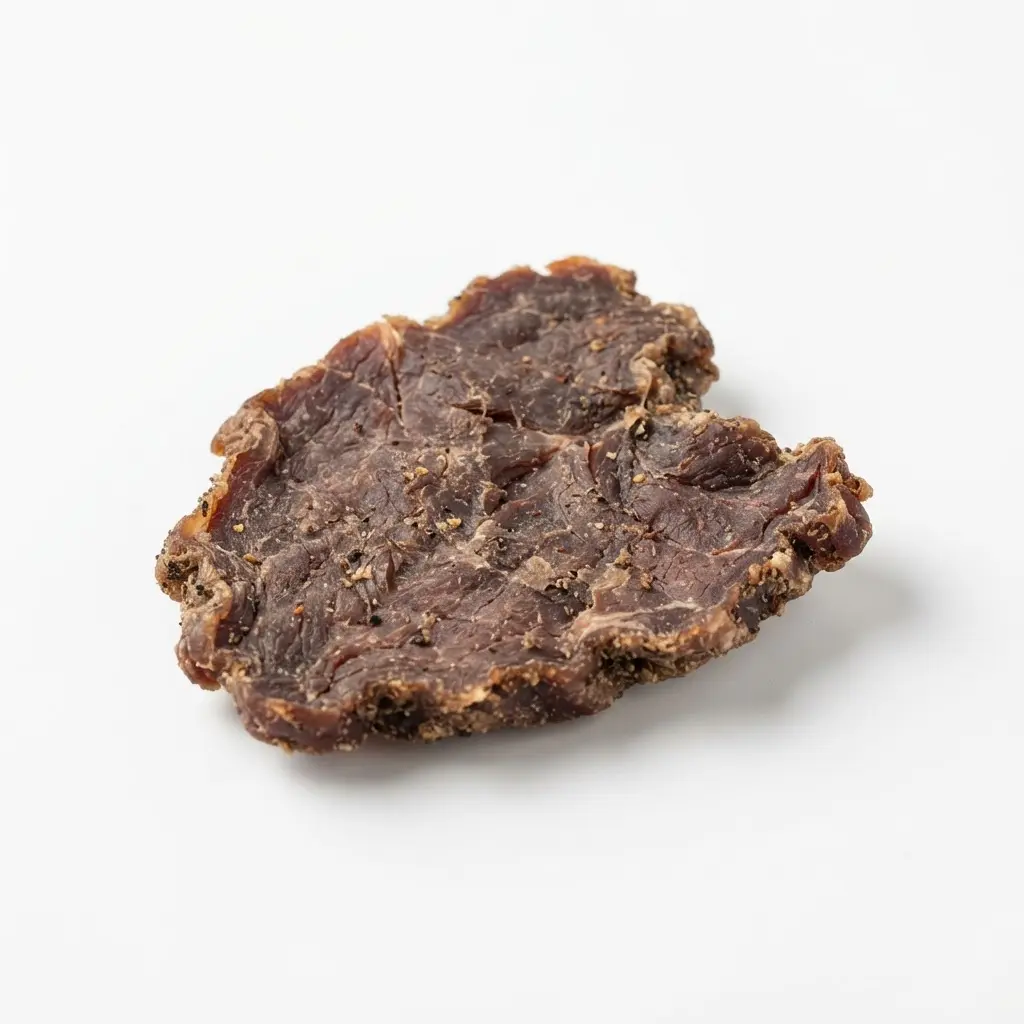
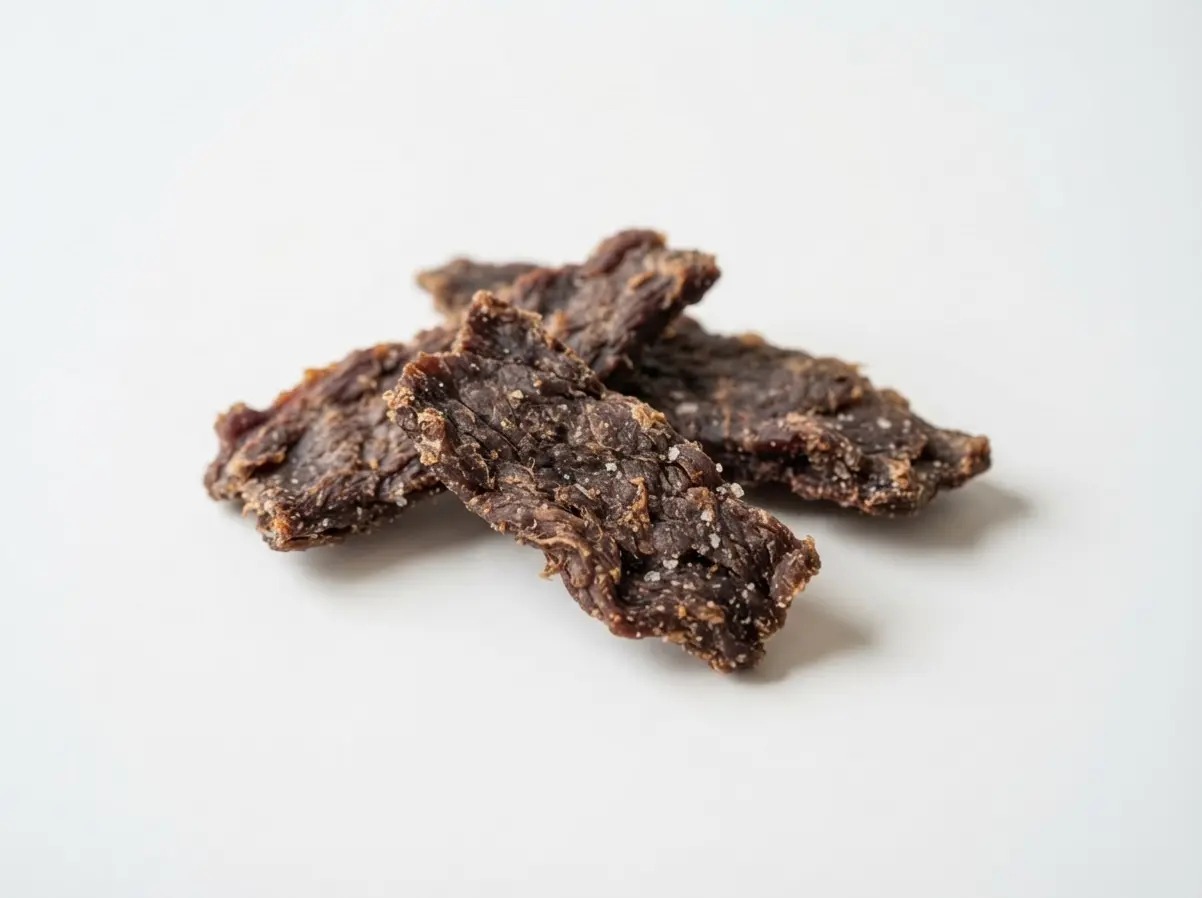
A common mistake is assuming every cured meat is safe without refrigeration. Choose shelf-stable packaging instead. Beef jerky, biltong, and meat sticks are practical choices for travel days because drying and curing remove much of the moisture needed for spoilage.
Packaged salami or prosciutto qualifies only when the label states shelf-stable before opening. Keep each package sealed until mealtime. Select intact vacuum-sealed packs for better protection inside a travel bag.
Store snacks in a cool, dry place away from direct sunlight, especially during long drives or flights. Pemmican combines dried meat with rendered fat and sometimes berries, making the food notably calorie-dense for days with limited meal access. High-protein on the go foods rely on this dry storage rule.
Compare nutrition labels before buying. Jerky often contains added sugar, while biltong is commonly less sweet and seasoned with vinegar and spices. Check sodium levels and ingredient lists when those factors matter. High-protein on the go foods require careful label reading.
Open packages only when you are ready to eat. Follow the package timeframe after opening, and refrigerate leftovers whenever possible. Pack two or three varieties for a change in texture and flavor. Never rely on a product name alone, because many cured meats still require refrigeration.
2. Nut and Seed Protein Profiles for Easy Packing
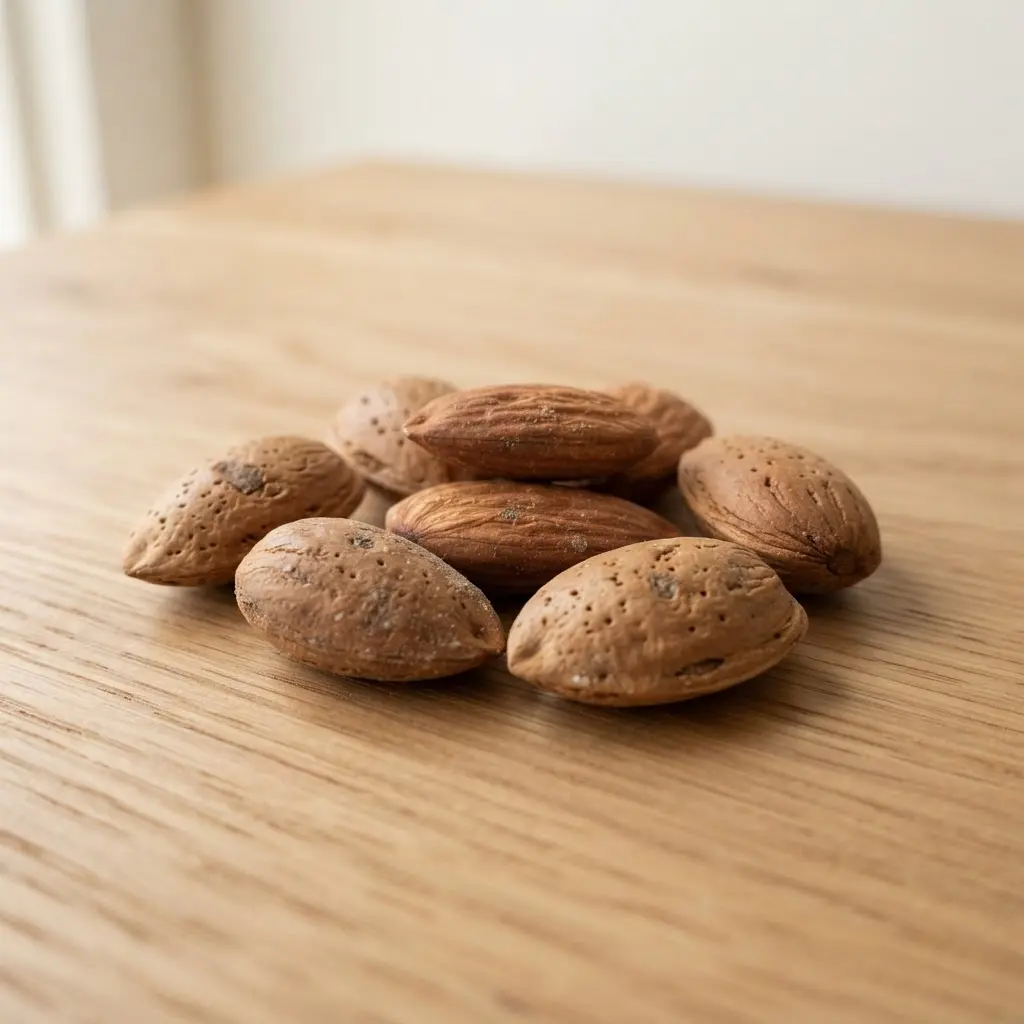
Start with a 28 g portion when packing nuts or seeds. This amount equals about one ounce and gives you a consistent way to compare protein values. High-protein on the go foods work best when measured early.
Roasted pumpkin seeds provide about 10.0 g of protein per portion. Hemp seeds provide about 9.6 g, while peanuts provide about 8.0 to 8.3 g. Almonds provide about 6.8 to 7.5 g per 28 g, followed by pistachios at about 6.4 g and cashews at about 6.0 to 6.2 g.
Choose higher-daily protein needs when a small packet needs to provide more protein. Flax seeds provide about 6.6 g, while sunflower seeds and chia seeds provide about 5.7 to 5.9 g. High-protein on the go foods include these exact seed types.
Research suggests protein density varies across nut and seed types, so the choice affects the nutrition of a portable snack. Pack portions in sealed containers or resealable bags before commuting, traveling, or leaving for a long day. Combine pumpkin seeds with almonds or pistachios for different flavors and textures.
Nuts and seeds also provide dietary fiber, essential fatty acids, and minerals, so protein should not be the only selection standard. Check the nutrition facts label before buying a packaged product. Roasting, added ingredients, and product formulation affect listed values.
A handful is not a fixed serving because hand sizes differ. Measure portions at home, then pack them individually for easier control away from home. High-protein on the go foods fit perfectly into pre-measured bags.
3. Portable Dairy-Based Snacks for Coolers and Commutes
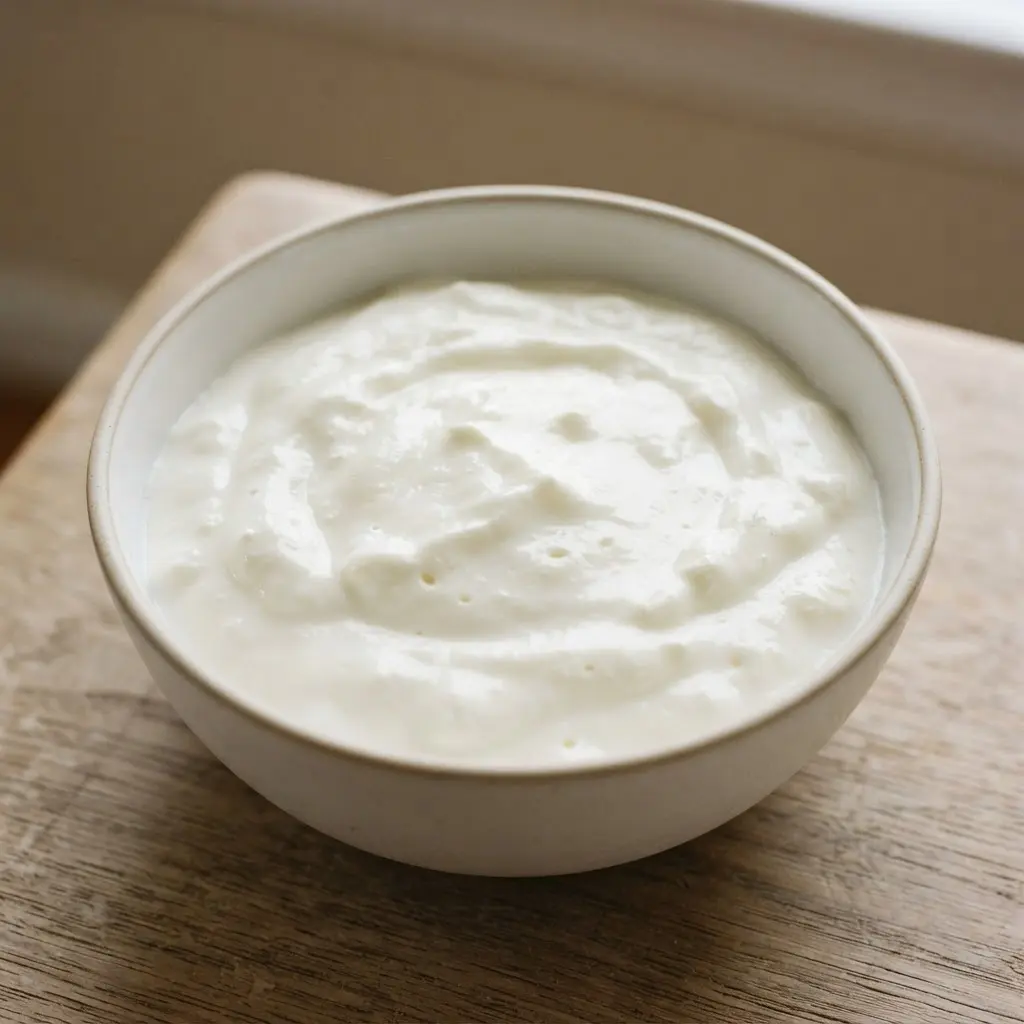
At 7:30 in the morning, a short commute can leave little time for breakfast. Pack string cheese, cheddar cubes, or mozzarella slices in an insulated cooler for a quick protein-rich snack during a work break or class. Single portions remove the need for cutting, plates, or serving tools.
Choose thick yogurt in a sealed cup or tube. Pre-freeze a yogurt tube overnight, then place it beside the other dairy foods. The frozen tube adds cooling support and should thaw by snack time.
Individual cottage cheese cups provide another simple option, especially alongside fruit or whole-grain crackers. Pack dairy foods in sturdy containers or leave them in sealed packages. Place a frozen-solid ice pack beside the food rather than at the bottom of a loosely packed bag.
Maintain cold storage throughout the commute, travel period, or school day. Thin yogurt in a weak container is more likely to spill, while firm containers protect cheese from crushing. Research suggests high-protein snacks support fullness between meals, which makes portable dairy useful during long gaps between breakfast and lunch.
High-protein on the go foods also give busy travelers a practical way to include cheese, yogurt, or cottage cheese without extensive preparation. Cream cheese packets serve as a spread for crackers or bagels, not as a standalone snack. Use sealed dairy portions and check the cooler before leaving home.
4. Protein-Rich Whole-Grain Options for Steady Energy
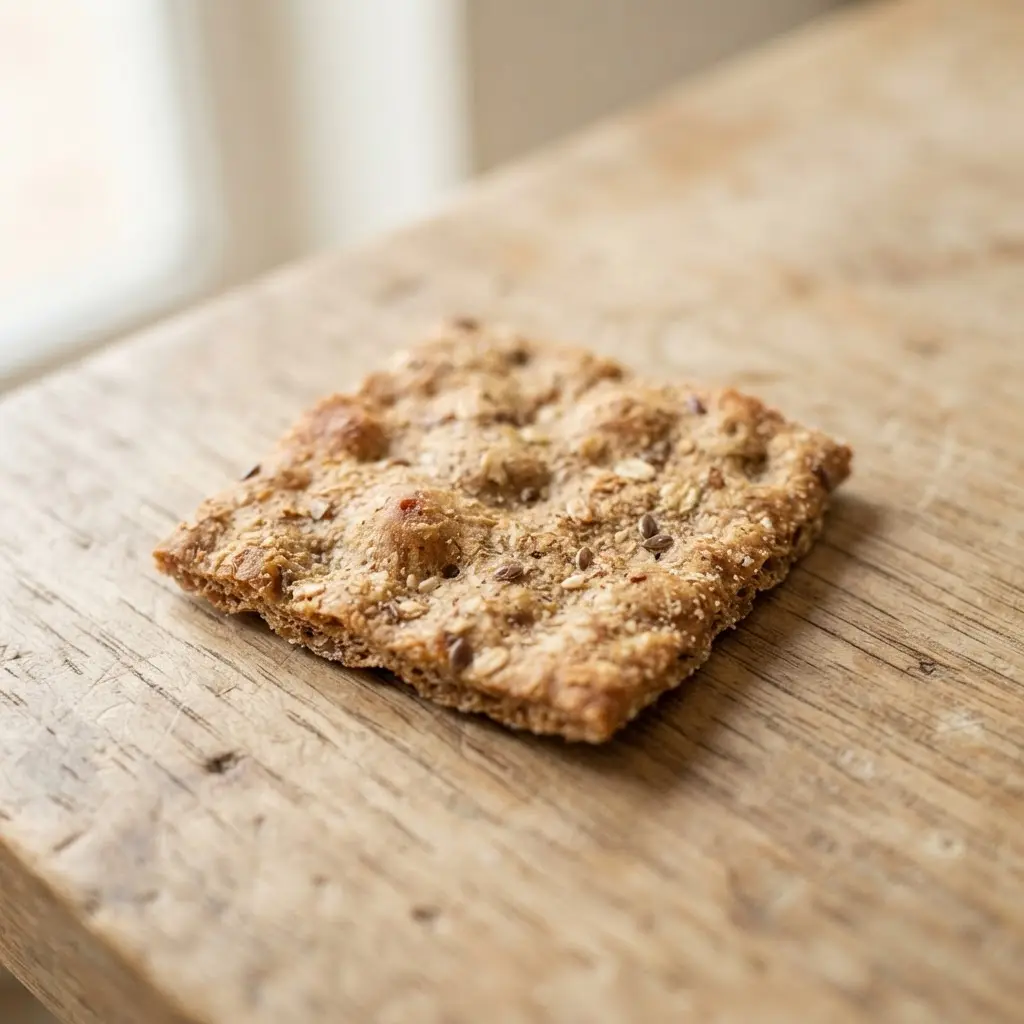
Many people believe whole grains provide energy but little protein. The truth is that several grains combine protein, complex carbohydrates, and fiber in one portable food. High-protein on the go foods prove this point with every serving.
Quinoa and amaranth are complete proteins, meaning they contain all nine essential amino acids. Pack prepared quinoa in a container for a filling meal during a long workday. Choose complete protein grains when you need more than a quick carbohydrate source.
Oats and barley provide soluble fiber, including beta-glucan. Soluble fiber slows digestion, which supports a steadier release of energy after eating. Prepare overnight oats in a sealed jar, or pack a barley salad with vegetables and a protein-rich topping.
Research suggests fiber-rich meals support fullness and blood sugar control. Select oats or barley when your schedule leaves several hours between meals. Brown rice, buckwheat, and 100% whole-wheat foods offer practical choices for packed meals.
Brown rice supplies complex carbohydrates, fiber, and some protein. Buckwheat is not related to wheat, despite its name. Choose bread or pasta labelled 100% whole wheat because the label confirms use of the entire grain kernel. A general whole-grain claim does not always provide the same clear information.
Build a portable meal around one grain, then add beans, eggs, yogurt, nuts, or seeds for more protein. Keep portions chilled when food safety requires refrigeration. Pack these choices alongside fruit or yogurt, then use sustained energy foods as a practical reference for busy-day planning. Check labels and choose combinations with both protein and fiber rather than relying on refined grains alone.
5. Convenient Plant-Based Snack Kits for Busy Schedules
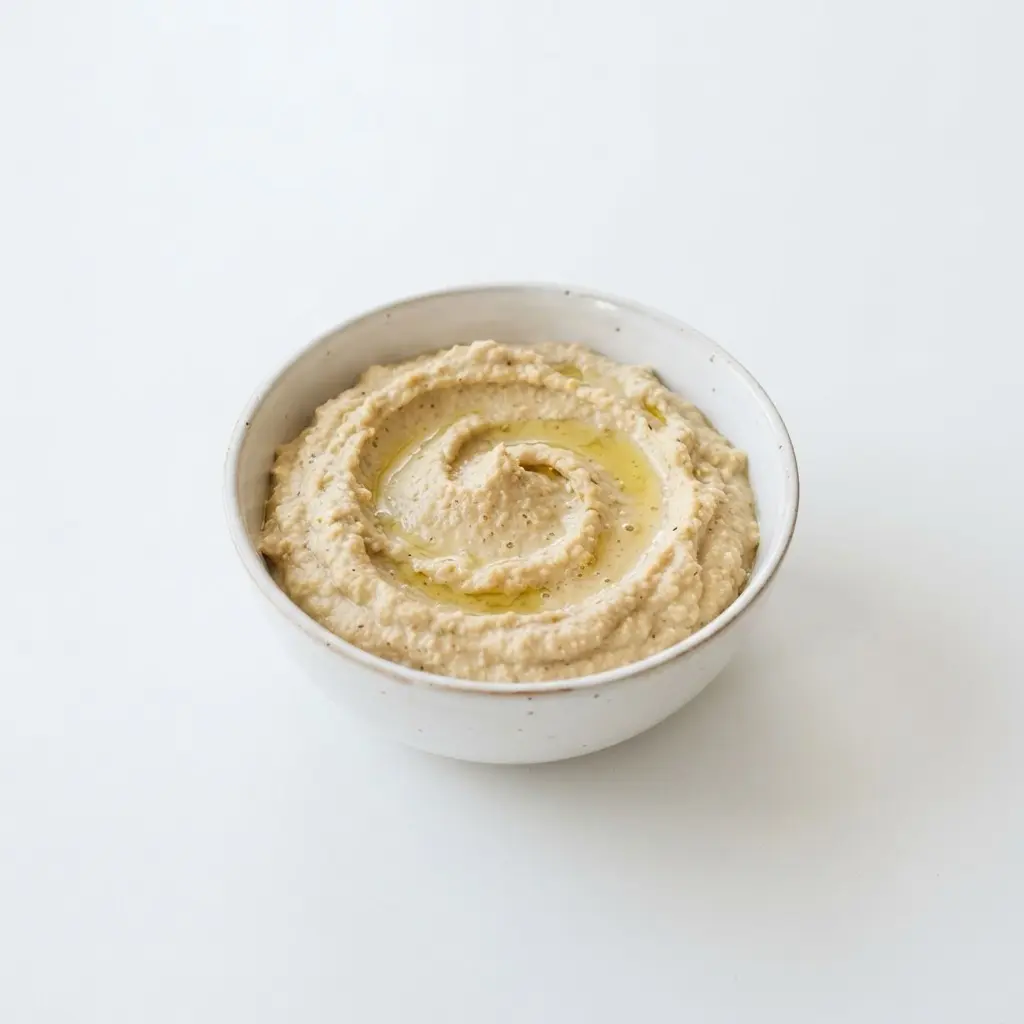
What makes a plant-based snack kit useful on a crowded day? Pre-portioned servings make food easy to grab during a commute, work shift, study session, or travel day. Pack nuts, seeds, dried fruit, granola, whole-grain crackers, or homemade sustained energy foods in small airtight containers.
Each portion stays organized and needs little preparation. Build a kit at home or choose a prepared subscription box with clearly labeled vegan options. Combine foods with different textures, such as crunchy almonds, chewy dried apricots, crisp crackers, and seed-based granola.
Rotate the contents every week or two to keep meals varied and prevent snack fatigue. Match each selection to your taste, dietary needs, and access to storage. Choose shelf-stable foods for a backpack, desk drawer, or travel bag.
Refrigerated items need a cooler with ice packs. Read ingredient lists carefully because plant-based products can share equipment with common allergens or contain milk, honey, or other animal-derived ingredients. High-protein on the go foods often use these safe packing rules.
Research suggests advance food preparation reduces last-minute food decisions and supports more consistent eating patterns. Keep portions moderate, especially with calorie-dense nuts, seeds, dried fruit, and granola. A balanced kit pairs a protein-rich food with a carbohydrate source for steadier fullness.
Reusable snack bags reduce clutter and make restocking simple. Label each portion with the packing date, then replace foods past their freshness period.
6. Single-Serve Protein Powder Packets for Quick Mixing
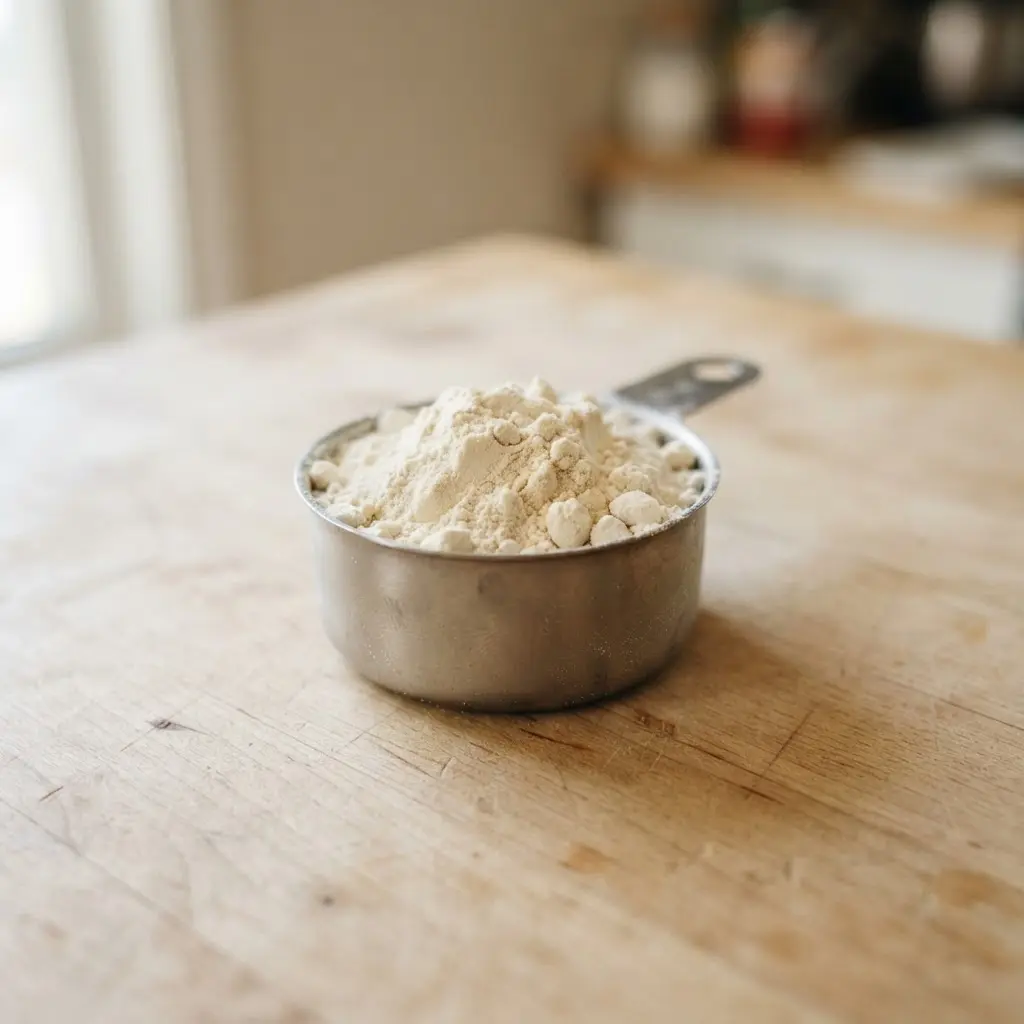
A packet is easier to carry than a full tub and faster to prepare than measuring powder from a large container. Keep single-serve packets in a desk drawer, travel bag, or gym kit for quick protein away from home. Each sachet contains one measured serving, which reduces guesswork during a busy day.
Empty the powder into a shaker cup or glass, then add water or another compatible drink according to the package directions. Shake until the powder blends evenly. A shaker cup usually works best during commuting or travel because vigorous shaking breaks up clumps quickly. Some formulas mix well with a spoon.
Most researched packet options provide about 20–27 grams of protein per serving. Whey, whey isolate, clear protein, and plant-based formulas differ in taste, thickness, and solubility. Read the package label for serving size, protein amount, liquid volume, and preparation steps. Research suggests premeasured portions make regular protein intake easier for people with demanding schedules.
Use more liquid when a drink feels too thick, but follow the stated mixing ratio first. Do not expect every powder to produce the same texture. Blend with fruit, milk, or oats when a more filling drink fits your daily protein needs. High-protein on the go foods include these quick mixes when water is available.
A protein shake supplies protein but does not automatically provide the range of nutrients found in a complete meal. Always consult a healthcare professional before making changes to your health routine.
7. Pre-Cooked Egg Protein Snacks for Short Breaks
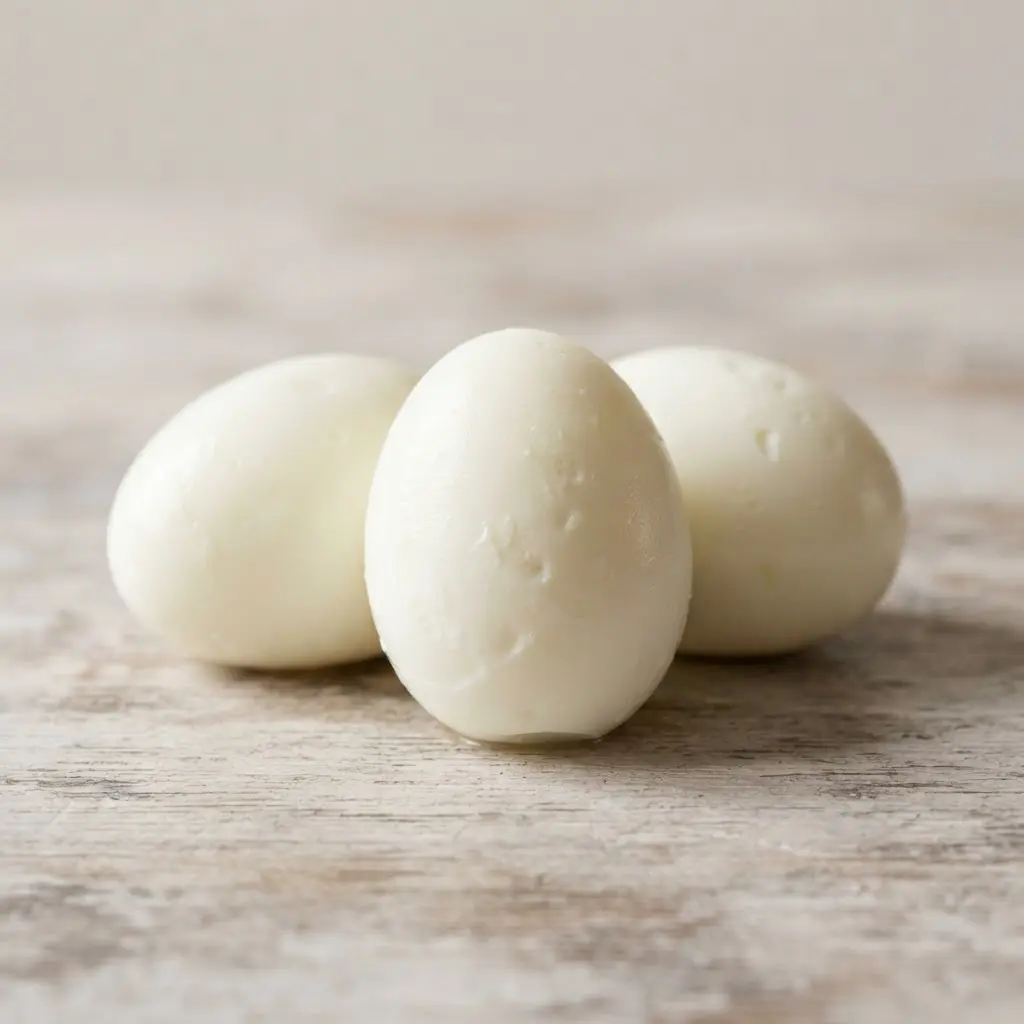
Treating every egg snack the same during transport is a common mistake. Hard-boiled eggs travel well in an individual container, while deviled eggs and egg salad need cooler storage. Choose portion-sized eggs for short breaks so eating takes only a few minutes and does not require a full meal setup.
Prepare eggs in advance by boiling, baking, or scrambling them. Egg muffins, frittatas, and scrambled egg bites fit neatly into a lunch bag and taste good cold or at room temperature. Add vegetables or a little cheese to baked portions for more flavor and texture.
Pack egg salad with whole-grain crackers or celery sticks, since a soft filling needs a practical way to eat it. Use a leak-resistant container for filled egg preparations. Divide food into single servings before leaving home.
Large portions slow down a brief break and create more mess. Two peeled hard-boiled eggs, one muffin-sized frittata, or a small container of egg salad suits a quick eating window better than one oversized serving. Research on protein-rich meals suggests protein-focused foods support fullness, which makes pre-cooked eggs useful during busy schedules.
Keep deviled eggs and egg salad cool during storage and transport. Use an insulated lunch bag with a cold pack when refrigeration is unavailable. Follow safe food handling guidance for prepared eggs, and discard food left warm for too long. Choose cool storage first for filled egg snacks, while baked egg portions offer more flexibility during a short break.
Reading Protein Food Labels With Confidence
Check the serving size before judging a bar, drink, or jerky package, since one package often contains more than one serving. The Nutrition Facts panel shows protein alongside calories, added sugar, sodium, and saturated fat, so you get a fuller picture than the front label provides.
Compare similar foods by serving size rather than by package, especially with protein bars and canned fish. Look through the ingredient list for soy, milk, egg, peanuts, tree nuts, or wheat if allergies affect your choices. High-protein on the go foods deserve careful label checks.
A short ingredient list does not automatically make food healthier, while a longer list does not automatically make it poor. Choose options with protein amounts suited to your hunger and schedule, then pair them with fruit, vegetables, or whole-grain crackers when you need a more balanced small meal.
Conclusion
Busy days do not have to leave you choosing between going hungry and grabbing the first snack nearby. High-protein on the go foods give you more control over your food breaks, whether you are heading to class, work, the gym, or a long trip. Start with two or three options you enjoy.
Keep one shelf-stable choice in your bag, then add a chilled item when you have access to an insulated lunch bag. Pair snacks with fruit, vegetables, or whole grains for more staying power. Check labels for added sugar and sodium when comparing packaged foods, while keeping your personal needs in mind.
Pack one snack tonight for tomorrow’s schedule. Small preparation steps make busy eating feel easier, and your future self will appreciate having a satisfying option ready when hunger arrives. Trust your choices and keep High-protein on the go foods within reach.
FAQs
Q: How long do portable dairy snacks stay safe without a fridge?
A: Use an insulated bag with an ice pack for yogurt, cheese, and milk drinks. Follow package storage directions and discard food left warm for too long.
Q: What is a good high-protein snack for a long trip?
A: Dried meat, nuts, seeds, roasted beans, and single-serve protein powder travel well. Add fruit or whole-grain crackers for fiber and a more balanced snack.
Q: Are protein bars a healthy portable choice?
A: Some bars fit well into a balanced eating plan. Check the protein, fiber, added sugar, and ingredient list, then choose one with a taste and texture you enjoy.
Q: How do I make plant-based snacks more filling?
A: Pair hummus, roasted edamame, tofu bites, or bean dips with vegetables, fruit, or whole grains. Combining protein with fiber helps the snack feel more satisfying.
Q: How should I pack cooked eggs for travel?
A: Chill cooked eggs before packing them in a sealed container. Use an insulated bag with an ice pack and follow safe food storage guidance.