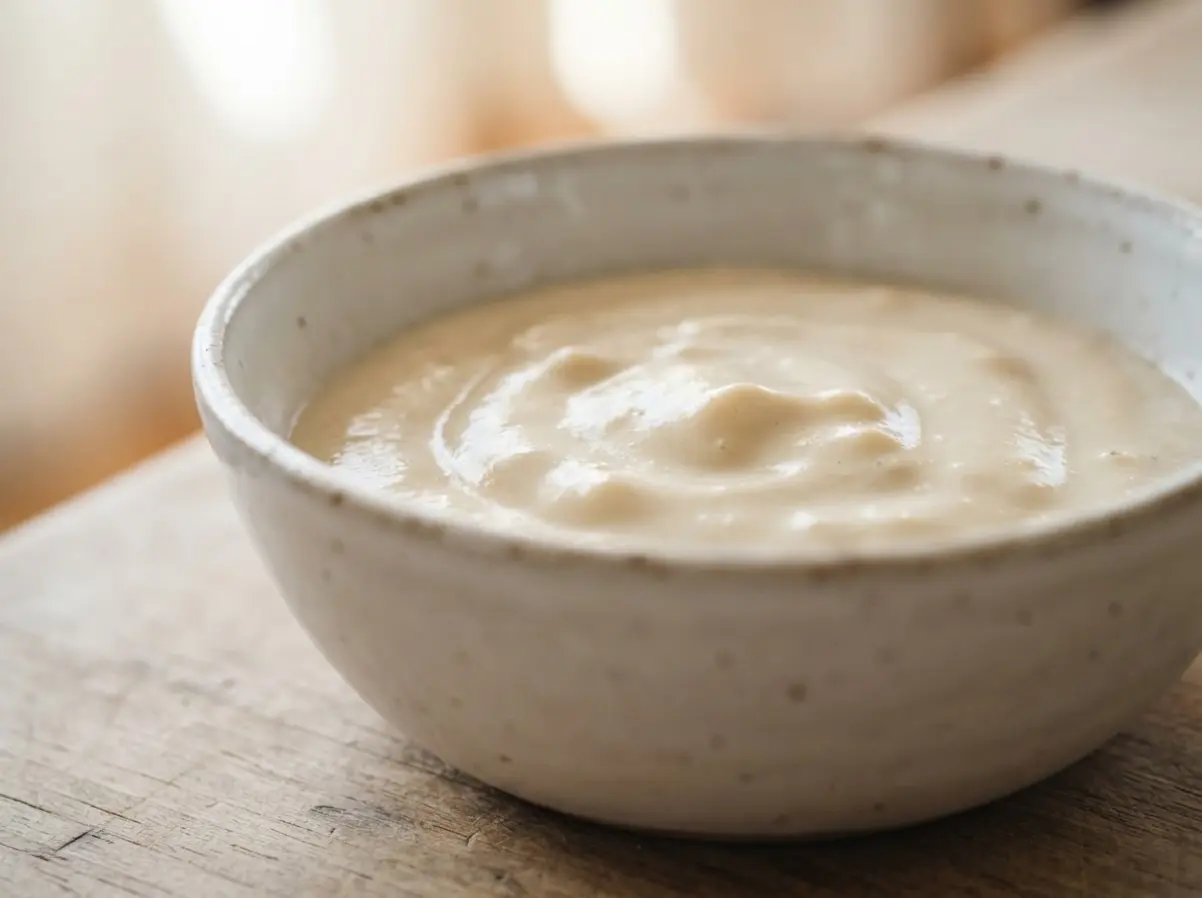
Cashew sauces suit creamy meals, while oat milk works well in coffee. Firm plant cheese, dairy-free yogurt, and vegan butter cover spreading, baking, and cooking. This guide groups options by use, so you spend less time guessing.
You’ll see which milks suit coffee, cereal, soups, and baked goods. You’ll also find cheese choices for melting, yogurt and cream swaps for sauces, and butter picks for toast and pastry. Simple label tips help you compare protein, calcium, sugar, gums, and stabilizers.
Refrigerated and shelf-stable options each have a place in a practical kitchen. Start with the swap matching your favorite meal, then build from there. Let’s find plant-based choices suited to your routine today.
Reading Protein And Fortification Labels
Choose fortified soy milk when you need a plant drink with protein close to dairy milk and added calcium. One cup often provides about 7 to 8 grams of protein, while almond and rice drinks usually provide about 1 gram. Check the panel for calcium, vitamin D, and vitamin B12, since fortification levels vary by brand, which makes tracking the best vegan dairy substitutes a smart habit.
Unsweetened versions suit savory cooking and reduce added sugar in daily meals. Oat drinks often contain less protein but offer a thicker body for coffee or cereal. Coconut beverages differ widely, so check whether the carton contains a thin drink or full-fat coconut milk, and reviewing the best vegan dairy substitutes keeps your meals balanced.
Read serving sizes carefully, since nutrition numbers often describe less than the amount in your bowl or glass.
Matching Texture To The Recipe
Use silken tofu when a sauce, soup, or dessert needs smooth thickness without a strong coconut flavor. Its soft texture blends well with lemon, herbs, cocoa, or fruit, while firm tofu suits crumbly fillings more than creamy ones. Full-fat coconut milk brings more fat and richness, yet its coconut taste needs care in savory recipes, so knowing the best vegan dairy substitutes prevents flavor clashes.
Oat beverages thicken some soups and batters, though thin rice or almond drinks often leave sauces loose. Vegan cheese shreds need enough moisture and heat to melt, while blocks and spreads serve different texture needs, which shows why checking the best vegan dairy substitutes matters for each recipe.
For baking, plant margarine with a firm texture gives better structure than liquid oil in cookies. Match the substitute to the job, such as melting, spreading, foaming, or thickening, rather than swapping by volume alone.
1. Plant Based Milk Varieties for Coffee, Cooking, and Baking

A common mistake is treating every plant-based milk as interchangeable. Match the carton to the job, and keep the best vegan dairy substitutes in mind when shopping. Choose barista-style oat milk for lattes and cappuccinos.
Oat milk creates creamy foam, while soy milk gives a fuller texture in hot drinks. Pistachio milk adds a sweet, nutty flavor and foams well, which helps you plan morning drinks with ease.
Use soy milk in yeast bread, custards, pastry cream, and frostings. Higher protein supports browning and structure during baking, which explains why it ranks high among the best vegan dairy substitutes for baked goods. Oat milk suits sauces and general savory cooking.
Cashew milk creates a smooth base for sauces and dressings, but warm the milk before adding it to a hot dish because sudden heat sometimes causes curdling. Pea milk suits soups, cheese sauces, and puddings, making it a steady choice for everyday cooking.
Choose lighter plant milks for muffins, pancakes, smoothies, and recipes calling for low-fat or skim milk. Almond and flax milk fit these uses well. For a buttermilk substitute, stir 1 tablespoon of lemon juice or white vinegar into 1 cup of plant-based milk. Let the mixture rest for 15 minutes before adding it to the batter.
Do not confuse refrigerated coconut milk with full-fat canned coconut milk. The canned version or coconut cream provides the thickness needed to replace heavy cream, so check the label before buying. Refrigerated coconut milk works better in coffee and general baking.
Evidence from food science shows protein, fat, thickness, and heat stability affect texture and structure, which helps you sort the best vegan dairy substitutes by function. Check batter consistency and add plant-based milk gradually, especially in frosting and icing.
2. Vegan Cheese Alternatives for Melting and Spreading
Choose shredded vegan cheese for pizza, quesadillas, grilled sandwiches, and baked pasta. Cook at moderate heat for a shorter time when a product turns oily or rubbery. Add a small splash of water or plant-based milk to support a smoother melt. Violife, Daiya Cutting Board, Follow Your Heart, and So Delicious offer shreds suited to cooked dishes.
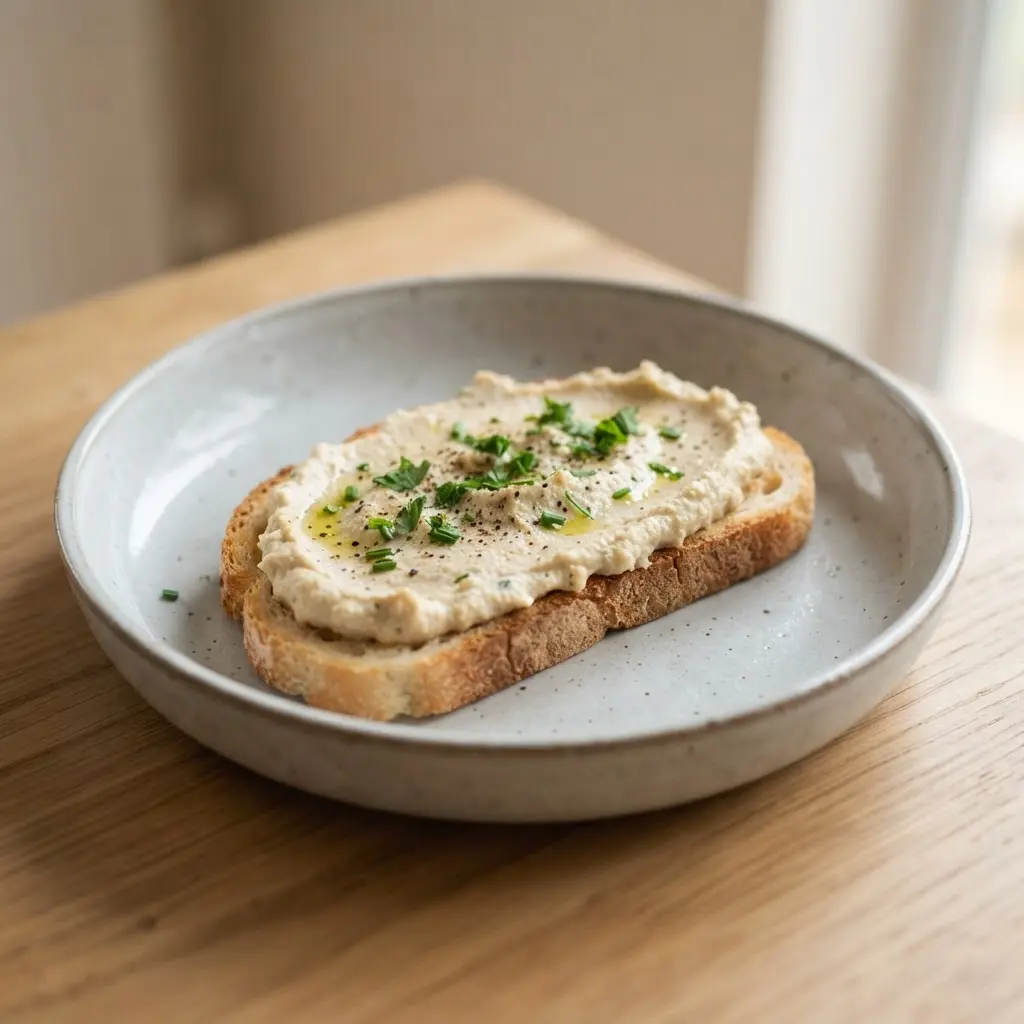
Use spreadable cheese for bagels, crackers, dips, sauces, and sweet recipes. Kite Hill uses almonds, Tofutti uses tofu, and Miyoko’s Kitchen and Treeline offer cashew-based options. Spread these products straight from the container, or stir them into a recipe for a creamy texture.
Choose a sunflower-seed spread when tree nuts do not suit your diet. Spero Foods offers a sunflower-based cream cheese alternative, which proves the best vegan dairy substitutes cover many allergy needs. Use Miyoko’s Cultured Vegan Butter on the outside of grilled cheese for a crisp, golden surface.
Research suggests product choice matters because metabolism-boosting plant foods-based cheese alternatives soften and brown in different ways. Test a small amount before serving a full dish. Keep the cooking temperature moderate, and add moisture only when the mixture needs a smoother finish.
3. Plant Based Butter Replacements for Baking and Toast

At 7 a.m., toast needs a spread, while a tray of cookies needs a firm fat. Use vegan butter sticks when one product must serve both jobs. Baking-formulated sticks often replace dairy butter at a 1:1 ratio. Check the label before measuring, since soft spreads made for toast may give cookies a different texture, which reminds you to verify the best vegan dairy substitutes before baking.
Choose refined coconut oil when a recipe needs solid fat and a mild flavour. Coconut oil changes from solid to liquid with warmth, so measure and mix according to the recipe instructions. Vegetable shortening suits cookies and flaky pastries because the firm fat supports a crisp or layered texture.
Match softer options to moist baked goods. Mashed avocado suits brownies and quick breads, though the finished food might show a greenish colour or a mild avocado taste. Nut butters add richness and a clear peanut, almond, or cashew flavour, and many home cooks list nut butters among the best vegan dairy substitutes for rich batters. Applesauce and mashed banana add moisture, so use them to reduce fat rather than replace butter equally.
For toast, spread vegan butter while the bread is warm but easy to handle. Apply nut or seed butter, hummus, tahini, mashed avocado, jam, or preserves directly to the surface, and remember that the best vegan dairy substitutes vary by spread type. Drizzle olive oil for a savoury finish.
Research suggests matching the fat and moisture level to the recipe supports a closer texture and flavour. Read the ingredient list carefully, because some margarines contain dairy ingredients.
4. Vegan Yogurt and Cream Substitutes for Everyday Meals
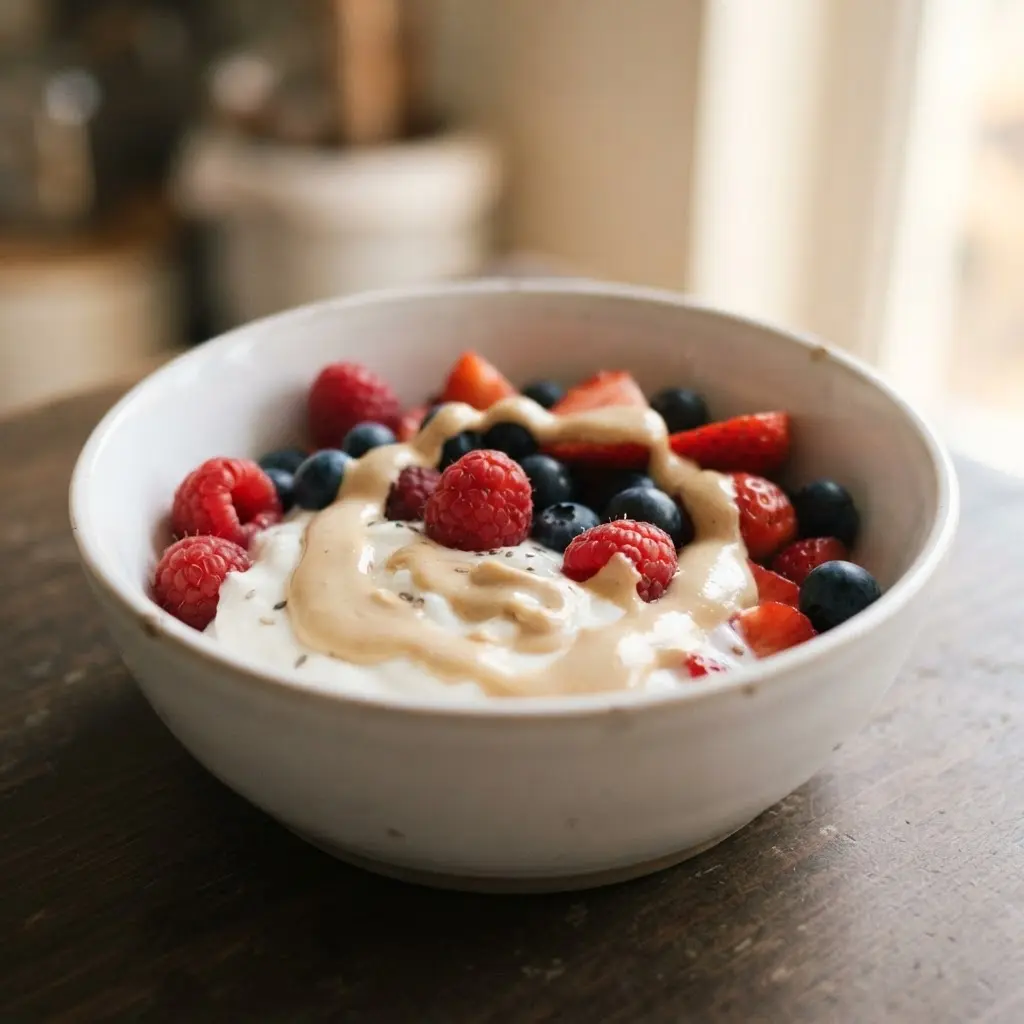
A common belief says every plant-based yogurt tastes the same. Each base has a distinct flavor and texture, so comparing the best vegan dairy substitutes prevents guesswork at the store. Soy yogurt offers a mild taste and useful protein for oatmeal, parfaits, dressings, and dips.
Coconut yogurt tastes richer and distinctly like coconut, while almond yogurt feels lighter. Oat yogurt gives everyday recipes a smooth texture and mild sweetness.
Choose yogurt according to the dish, rather than treating every option as interchangeable. Stir a plain variety into oatmeal, spoon it over spicy food, or blend it into a smoothie. Use vegan yogurt in baking mixtures for moisture and tenderness.
Cashew yogurt provides a thick, rich texture for desserts or sour cream-style uses, and blending techniques keep the texture consistent across brands. Cream substitutes serve different cooking needs. Scoop the solid portion from chilled full-fat coconut milk for soups, curries, sauces, and desserts where coconut flavor fits.
Prepare cashew cream by soaking cashews, blending them until smooth, and adding the cream to pasta sauces or stews. Blended silken tofu creates a smooth, lower-fat base for dips, puddings, mousses, and selected sauces. creamy vegan salad dressings fat to baked goods, frostings, and fillings.
Research suggests plant-based choices should match the desired flavor, texture, and nutrient profile. Soy yogurt suits neutral, protein-rich meals, while coconut products suit rich recipes. Use plain plant yogurt for creamy salad dressings, and check labels for added sugar when preparing savory food, which helps you pick the best vegan dairy substitutes for balanced meals.
5. Nutritional Considerations for Plant Alternatives and Fortification

Which plant-based milk gives the same nutrition as dairy? None by default, so tracking the best vegan dairy substitutes by nutrition facts saves time. Compare the label before choosing a product.
Unsweetened soy milk often provides more protein than almond or rice drinks, while calcium levels vary by brand. Use the product label to check protein, calories, and added sugars per cup.
Does fortification make a difference? Yes, especially for calcium, vitamin D, and vitamin B12, which makes checking the best vegan dairy substitutes a smart habit. Fortified milk has these nutrients added during processing.
Unfortified versions might provide little or none of them. Research suggests fortified products offer a practical way to fill common nutrient gaps in vegan diets. Check the nutrition label for each nutrient rather than assuming every carton matches.
Choose foods based on the nutrient you need. Tofu and tempeh provide plant protein, while beans, lentils, and some cereals provide iron. Pair iron-rich foods with fruit or vegetables containing vitamin C. Vitamin C supports iron absorption.
Compare serving sizes because one package might list nutrients for a smaller serving than you usually eat. Match the product to your dietary context, and plan grocery trips around clear nutrition targets. An athlete might need a higher-protein drink, while a pregnant person needs advice suited to pregnancy nutrition. Compare fortified and unfortified versions before changing a regular food.
Always consult a healthcare professional before making changes to your health routine, and keep your daily goals in mind while shopping.
6. Culinary Application and Functional Uses of Dairy Swaps

Choosing a swap by function works better than replacing every dairy ingredient with the same product. Select soy milk when protein and structure matter, such as in a baked dish or a lemon-based buttermilk mixture. Choose oat milk for mild flavor, almond milk for lighter sauces, and coconut milk or cream for thicker soups, dips, toppings, and whipped preparations, which highlights how the best vegan dairy substitutes match your cooking method.
Use blended cashews for smooth sauces, soups, spreads, and soft cheese alternatives. Soak the cashews before blending, then add herbs, citrus, or fermented ingredients for more flavor. Fermented plant-based yogurt develops tang and yogurt-like texture. Fermentation also reduces some sugars and improves the sensory quality of certain products, though texture and stability still vary between brands.
Match cheese and butter alternatives to the cooking method. Vegan block butter should stay chilled before baking because solid fat supports a short, flaky crumb. Choose shredded or melting-labeled vegan cheese for pizza and grilled sandwiches, and remember that the best vegan dairy substitutes perform best when temperature-controlled. Use nutritional yeast for savory, cheesy flavor in pasta, sauces, and popcorn, but do not expect a melted texture.
Refined coconut oil works for pan browning, though the lack of water changes foaming and browning. Research on protein-rich plant foods-based foods suggests that composition strongly affects cooking performance. Use soy for structure, coconut for richness, cashew for smoothness, tofu for firm or ricotta-like textures, and nutritional yeast for savory flavor. Test a small portion before serving when a recipe depends on melting, whipping, thickening, or fermentation.
Managing Allergens And Added Ingredients
Read the allergen statement before choosing a nut, soy, or oat-based substitute, since shared equipment and hidden ingredients affect safe choices. Almond, cashew, coconut, and soy products each need separate label checks, even when a recipe describes them as interchangeable. Look for wheat or gluten in flavored cheeses, malt in oat drinks, and sesame in some spreads.
Added sugar matters most in sweetened milks and yogurts, while saturated fat often rises in coconut-based creams and cheeses, which is why scanning the best vegan dairy substitutes for warnings matters. Check calcium, vitamin D, and vitamin B12 levels when a substitute replaces dairy often.
Short ingredient lists do not guarantee better nutrition, so compare serving sizes and protein grams. If a package lists a common allergen in a warning statement, choose another formula for a sensitive household.
Conclusion
Dairy-free eating feels easier when each swap fits the meal in front of you. You do not need to replace every dairy food at once. Start with one familiar choice, such as fortified soy milk for breakfast or vegan butter for toast.
Then test a second option in a meal you already enjoy, and keep testing until you find the right fit. The best vegan dairy substitutes differ in protein, calcium, sweetness, and how they respond to heat. Read the label, compare a few brands, and pick the one with a flavor and ingredient list you like.
Keep shelf-stable items for backup meals and chilled items for regular use. If a product does not suit your taste, choose another style rather than giving up on the dish. A small swap at a time helps plant-based eating feel practical, satisfying, and personal. Pick one product for your next meal and see how it fits your routine.
FAQs
Q: Which plant milk has the most protein?
A: Fortified soy milk often has protein close to dairy milk. Pea milk is another higher-protein choice. Check the nutrition panel for protein per serving.
Q: What should I check on a dairy-free milk label?
A: Check protein, calcium, added sugar, and the ingredient list. Choose unsweetened milk for savory meals and look for calcium fortification when it suits your eating pattern.
Q: Are vegan cheeses good for melting?
A: Some vegan cheeses melt better than others. Shreds made with coconut oil or starch often suit pizza, toast, and casseroles. Test a small amount before using a full batch.
Q: Which yogurt works best in sauces?
A: Unsweetened soy yogurt gives sauces a mild flavor and a thicker body. Unsweetened coconut yogurt works well when a richer taste fits the meal. Stir it in near the end of cooking.
Q: How do I replace butter in baking?
A: Use vegan butter for a close swap in cookies, cakes, and pastry. Neutral oil suits moist cakes and quick breads. Follow the recipe amount first, then adjust in later batches for taste and texture.