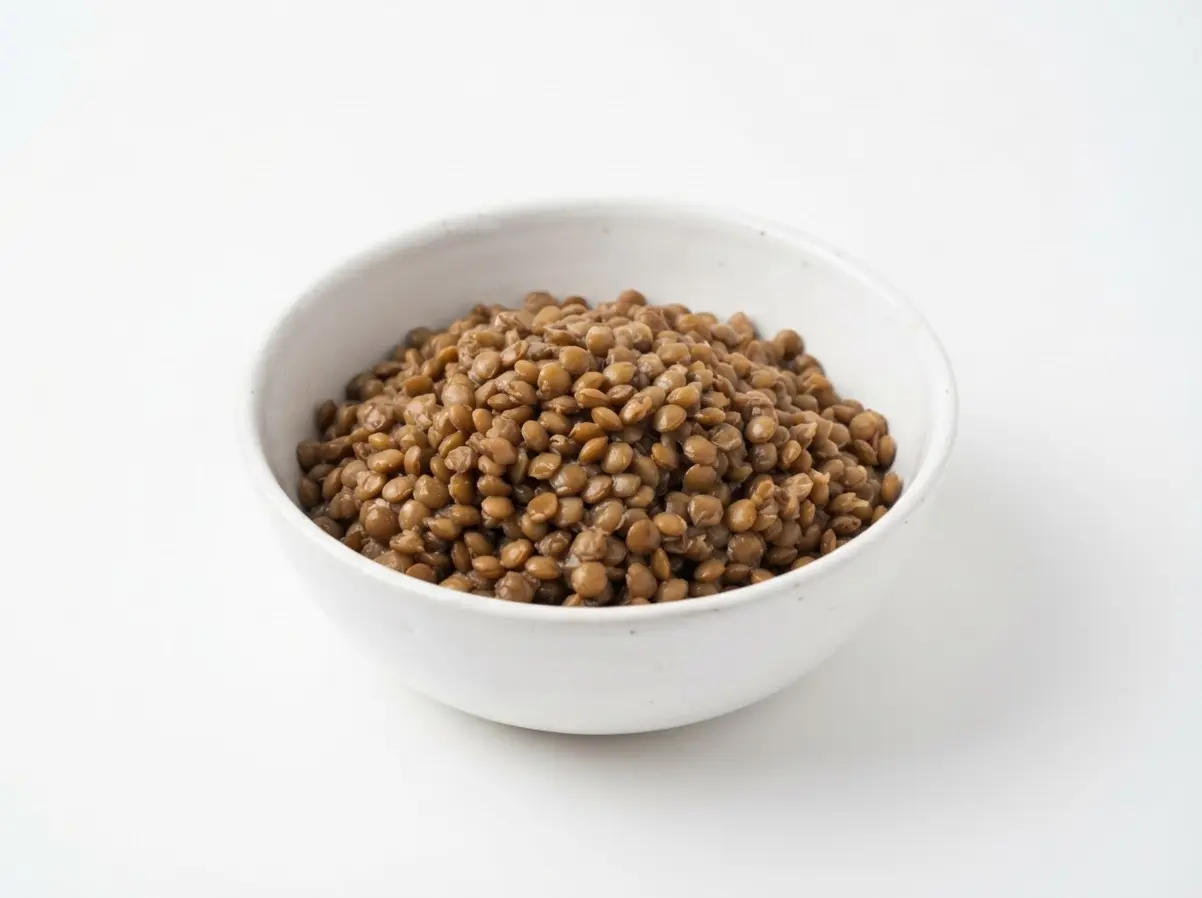
Vegetarian foods high in iron include lentils, beans, tofu, spinach, pumpkin seeds, oats, fortified cereals, and nuts. Pair these foods with vitamin C from peppers, citrus, tomatoes, or berries to help your body absorb more plant-based iron. Keep tea and coffee away from iron-rich meals when possible.
Low iron intake often starts with rushed meals or the same few ingredients each week. I know planning balanced meals feels harder when nutrition advice gets crowded. You do not need a perfect menu. A few smart pairings and easy staples give you more choices, especially when exploring Vegetarian foods high in iron. This guide covers legumes, leafy greens, grains, seeds, nuts, and fortified foods. It also explains cast-iron cookware, label reading, and simple timing tips for tea and coffee. You will also see quick meal combinations suited to breakfast, lunch, dinner, and snacks. Let’s turn everyday meals into steady sources of plant-based iron. Start with one idea below and add another this week.
Pairing Plant Iron With Vitamin C
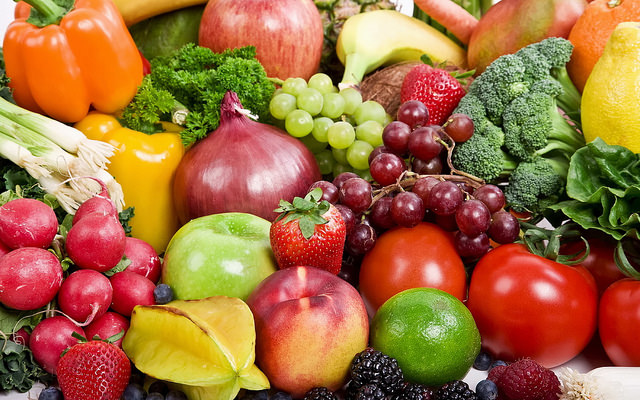
Adding sliced bell peppers to a lentil bowl helps your body absorb more non-heme iron from the meal. Vitamin C supports this process, so tomatoes, citrus, berries, kiwi, and broccoli work in similar pairings. A squeeze of lemon over chickpeas or a tomato salsa beside tofu gives plant iron a useful partner at the same meal.
Dark leafy greens pair well with red peppers in sautéed dishes, while fruit fits beside fortified cereal. Fresh produce adds flavor and texture without changing the main iron source. Vitamin C content falls with long cooking, so raw pepper strips or lightly cooked broccoli often suit this purpose, especially for Vegetarian foods high in iron. Pairing also helps meals feel varied, making legumes and grains easier to eat often.
Managing Tea Coffee And Calcium Timing
Drinking tea or coffee with a bean-based meal reduces absorption of non-heme iron because polyphenols interfere with uptake. Keep these drinks between meals when lentils, chickpeas, tofu, or leafy greens form your main iron source. Calcium also competes for absorption in some meal settings, so separate calcium-fortified plant milk or supplements from iron-focused dishes when practical.
Yogurt, cheese, and calcium-set tofu fit better at another eating time if your meals already include beans or greens. Tea and coffee still provide useful drinks, and timing matters more than removing them from your routine. Water, citrus water, or herbal tea works well beside meals. If you drink coffee at breakfast, place an iron-rich lunch later rather than pairing both, a habit that supports Vegetarian foods high in iron throughout your week.
1. Legume and Bean Varieties for Daily Iron
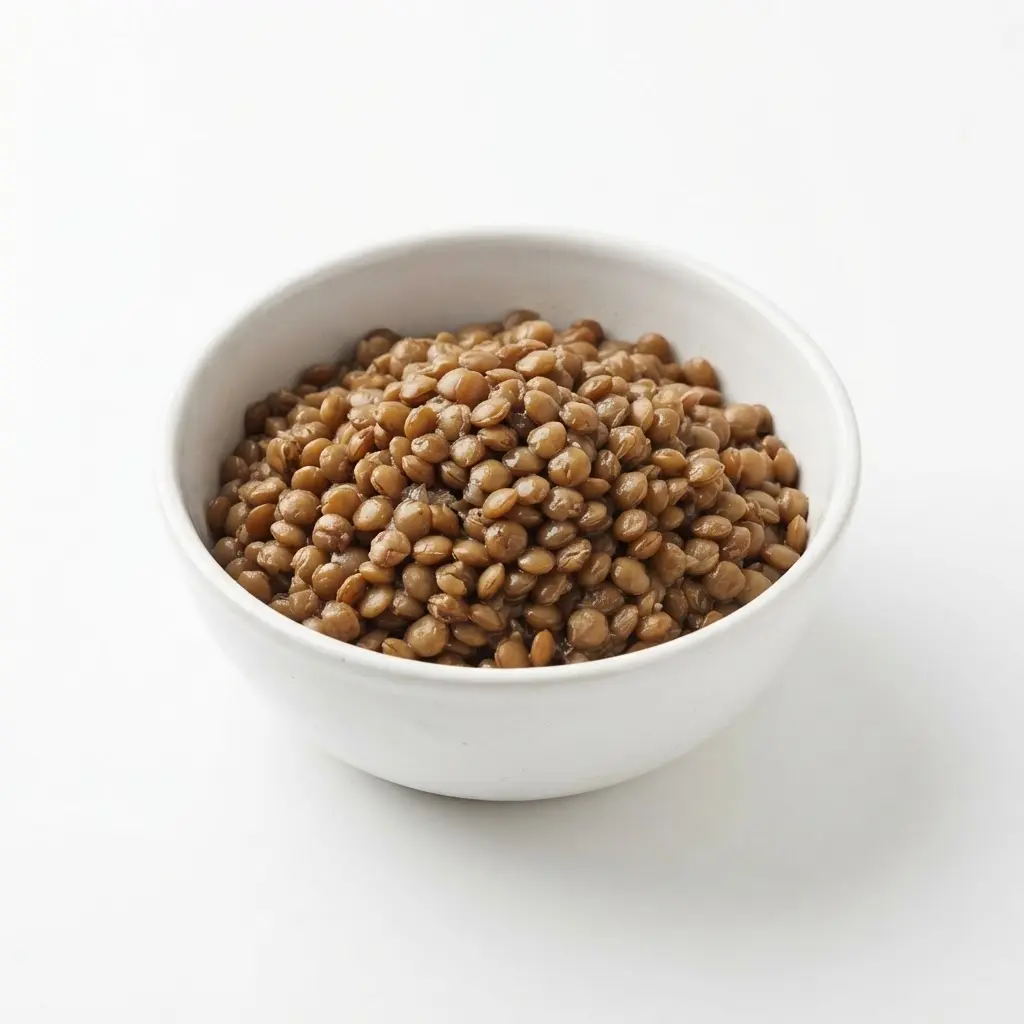
A common mistake is treating every form of iron as equally absorbable. Beans and legumes contain non-heme iron, which the body absorbs less efficiently than heme iron from animal foods. Meal composition therefore matters, which directly impacts Vegetarian foods high in iron in your daily diet. Add a vitamin C food to the same plate to support absorption.
Build meals around lentils, kidney beans, chickpeas, cannellini beans, dried peas, split peas, and common beans. Standard common beans contain about 5 mg of iron per 100 grams. Soybeans add variety as tofu or tempeh. Iron-focused meal plans can include black beans for iron alongside other legumes across the week, giving you more options among Vegetarian foods high in iron.
Choose vitamin C-rich foods with beans. Tomatoes, broccoli, oranges, lemons, grapefruit, strawberries, and spinach support non-heme iron absorption. Soak dried legumes before cooking, then cook them fully. Soaking and cooking reduce phytates, compounds which interfere with iron absorption. Keep tea and coffee away from iron-focused meals because tannins reduce absorption. Separate calcium-rich foods from these meals when practical.
High-iron bean varieties offer another option where available. Angaza, Nyota, Faida, and Metameta are examples from Kenya. NAROBEAN 1-5C comes from Uganda, while JESCA and Selian 14-15 come from Tanzania. Some varieties contain up to 90% more iron by weight than standard beans, a detail worth remembering when shopping for Vegetarian foods high in iron. Use varied legumes rather than relying on one food. Daily needs differ by age, sex, pregnancy, and lactation. Always consult a healthcare professional before making changes to your health routine.
2. Dark Leafy Green Vegetables in Simple Meals
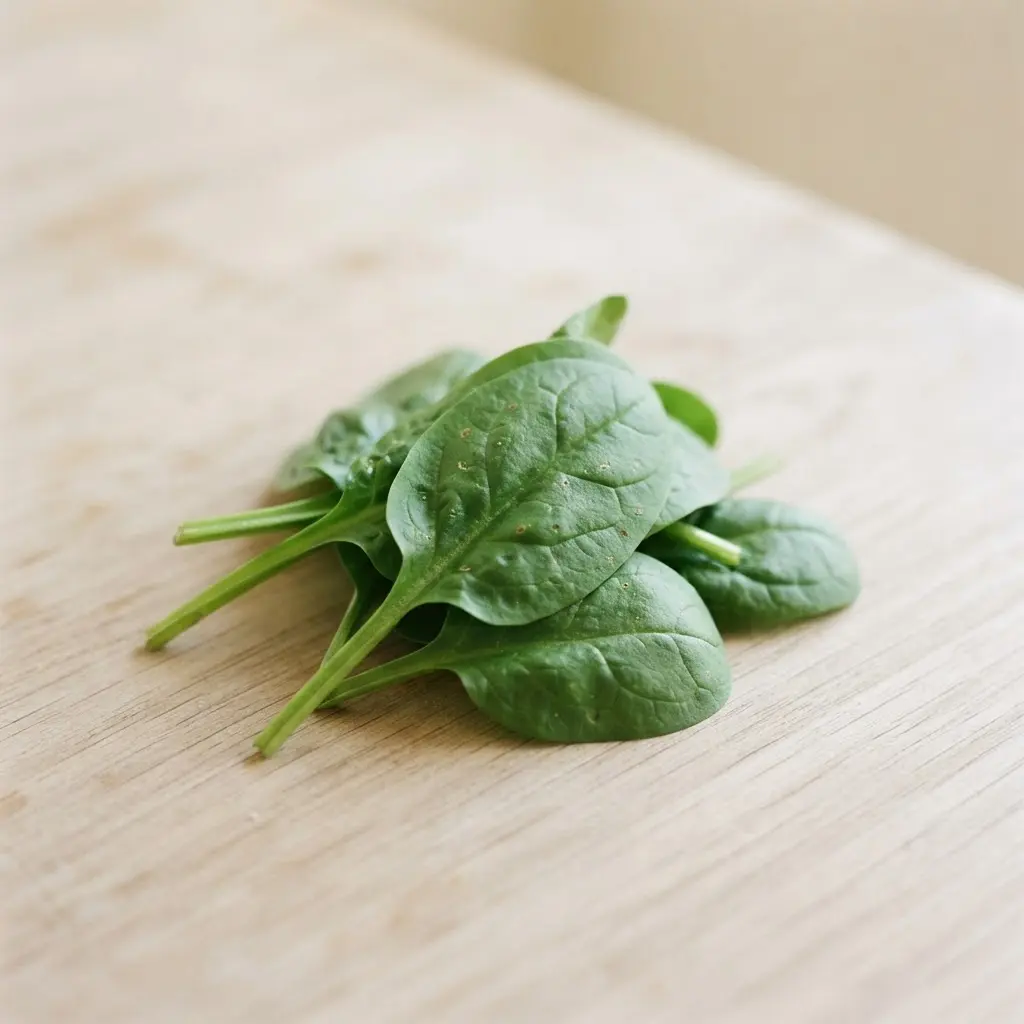
Start with spinach in one familiar meal today. Add raw spinach, arugula, romaine, or baby kale to a salad, sandwich, wrap, or pita. Pair the greens with citrus dressing, chickpeas, seeds, nuts, fruit, or cheese. A strawberry spinach salad takes only a few minutes to assemble and gives a plain lunch more variety.
Use sturdier greens in warm dishes. Sauté Swiss chard with onions and garlic, stir kale into pasta, or add bok choy to a quick stir-fry. Collard greens suit longer cooking, while spinach wilts within a minute or two. Research suggests pairing plant-based iron sources with vitamin C foods, such as citrus, tomatoes, or bell peppers, supports iron absorption, a method that works well for Vegetarian foods high in iron.
Stir leafy greens into soup near the end of cooking. Add kale to white bean and squash soup, spinach to tortellini soup, or Swiss chard to a lentil stew. Beans, lentils, and chickpeas add protein and iron, while lemon juice or a citrus dressing brings a fresh taste. This approach turns an existing soup into a more balanced meal without requiring a separate recipe.
Fold cooked spinach into scrambled eggs, quiche, egg cups, rice dishes, or casseroles. Blend kale or spinach with fruit and ginger for a smoothie, or combine greens with olive oil and garlic for pesto. Cook tougher leaves before adding them to baked dishes so their texture softens evenly, which helps Vegetarian foods high in iron fit into busy schedules.
Do not limit dark leafy vegetables to salads. Keep washed greens ready for pasta, sandwiches, soups, and simple breakfast dishes. Softer leaves suit quick meals, while kale, collards, and chard fit hearty recipes.
3. Iron Fortified Grain Products With Label Tips
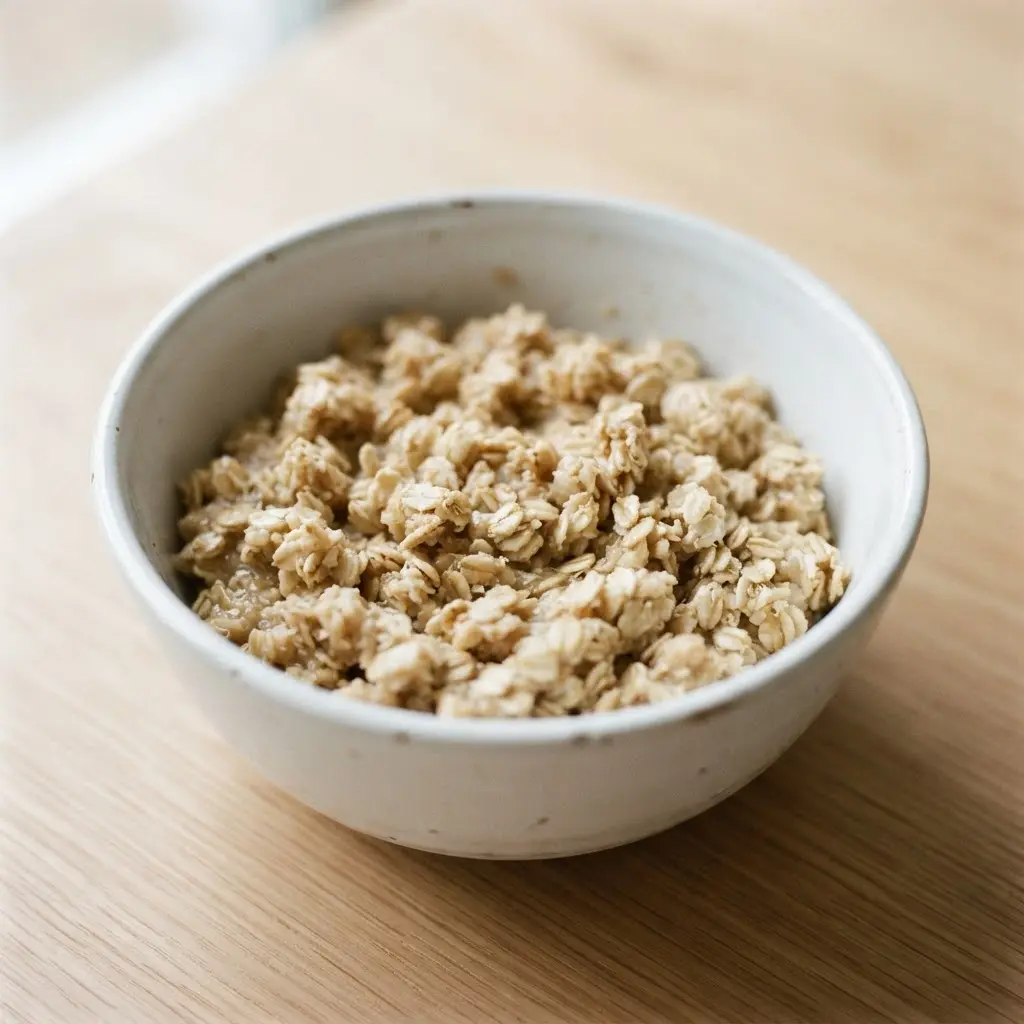
At 7 a.m., a bowl of breakfast cereal can look like an easy iron choice, yet front-of-box wording does not tell the full story. Check the Nutrition Facts panel before placing the box in your cart. Iron-fortified grain products include breakfast cereals, breads, pasta, flour, and enriched white rice. Some whole-wheat and multigrain products contain added iron, while others do not.
Read the iron line under the vitamins and minerals section. Compare both the amount per serving and the percentage Daily Value. Five percent DV or less is low. Ten to 19 percent is a good source. Twenty percent or more is high or an excellent source. Use the same serving-size basis when comparing products, because a cereal serving differs from a bread slice or a cooked pasta serving.
Front labels might say “iron fortified,” “enriched with iron,” “good source of iron,” or “excellent source of iron.” Treat these phrases as prompts for closer checking, not as the final measure. The ingredient list might name added compounds, including ferrous sulfate or reduced iron. The Nutrition Facts panel shows the quantity more directly than the ingredient list, which helps you identify true Vegetarian foods high in iron on grocery shelves.
Research on vegetarian eating patterns supports fortified grain products as a convenient way to add iron to regular meals. Choose products with a meaningful iron percentage, then match the listed serving to the portion you eat. Do not assume every whole-grain product provides added iron, and do not rely on the word “enriched” alone.
4. Nut and Seed Sources for Plant Iron
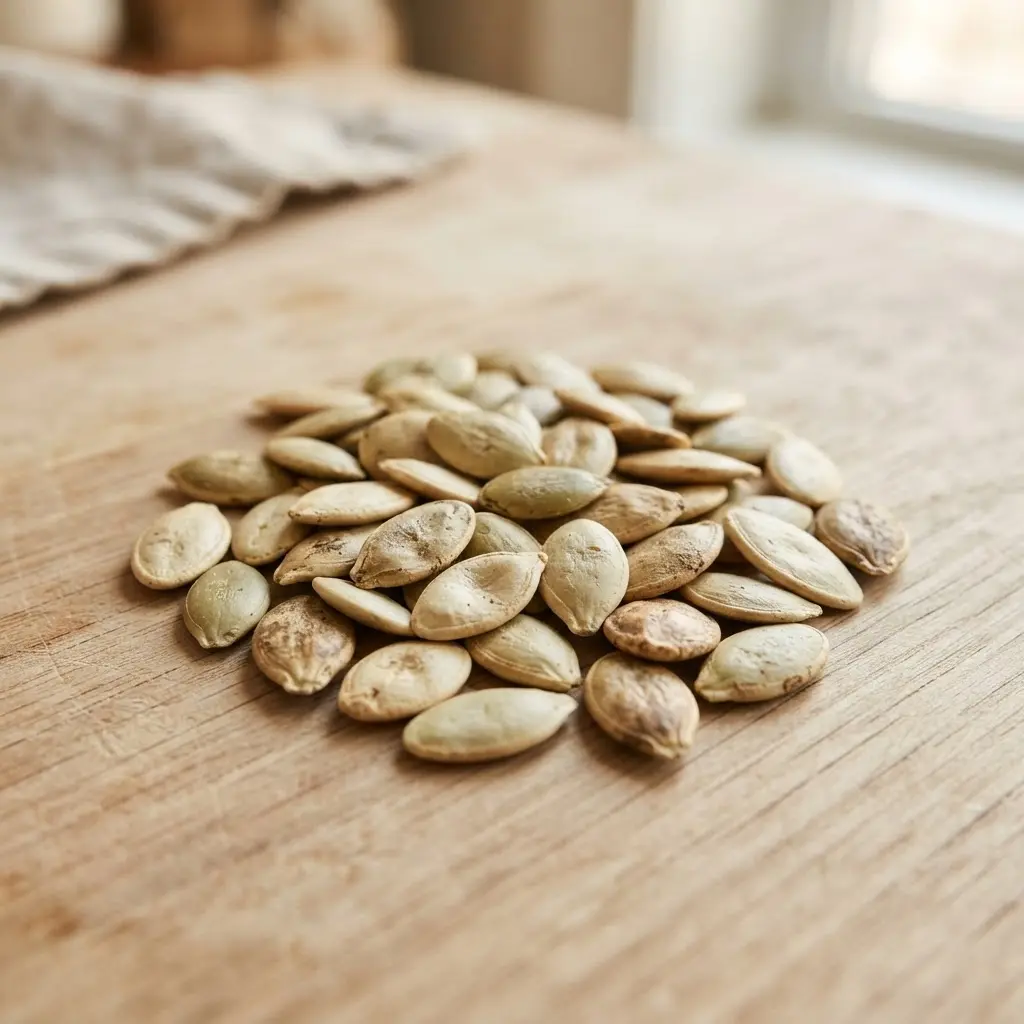
Nuts and seeds are not poor iron sources, though their iron is absorbed less readily than iron from animal foods. Sesame seeds provide about 21 milligrams of iron per dried cup, while pumpkin seeds provide about 11.4 milligrams per dried cup. These figures use large portions, so they do not represent a typical snack serving.
Choose measured portions for everyday meals. Cashews and almonds each provide about 1.9 milligrams per ounce. Peanut butter provides about 2.1 milligrams per ounce, and tahini provides about 1.3 milligrams per 2 tablespoons. Flaxseeds, pine nuts, hazelnuts, peanuts, pistachios, and macadamias add smaller amounts based on their listed serving sizes, a reminder that portion control matters for Vegetarian foods high in iron.
Pair iron-rich seeds with vitamin C-rich foods, such as oranges, strawberries, tomatoes, or bell peppers. Vitamin C improves absorption of non-heme iron, the form found in plant foods. Add tahini to a bean dish, sprinkle pumpkin seeds over a salad, or mix ground flaxseeds into oats with fruit. Research suggests meal pairing supports better use of plant iron.
Do not compare a cup-based value with an ounce-based value without adjusting the portion. Nuts and seeds are calorie-dense, so use them as part of a varied eating pattern rather than as the sole iron source. Pair each serving with produce and include other iron-containing foods across the day. Iron needs and vitamin C absorption facts individuals. Always consult a healthcare professional before making changes to your health routine, especially when tracking Vegetarian foods high in iron.
5. Vitamin C Pairing Techniques for Better Absorption
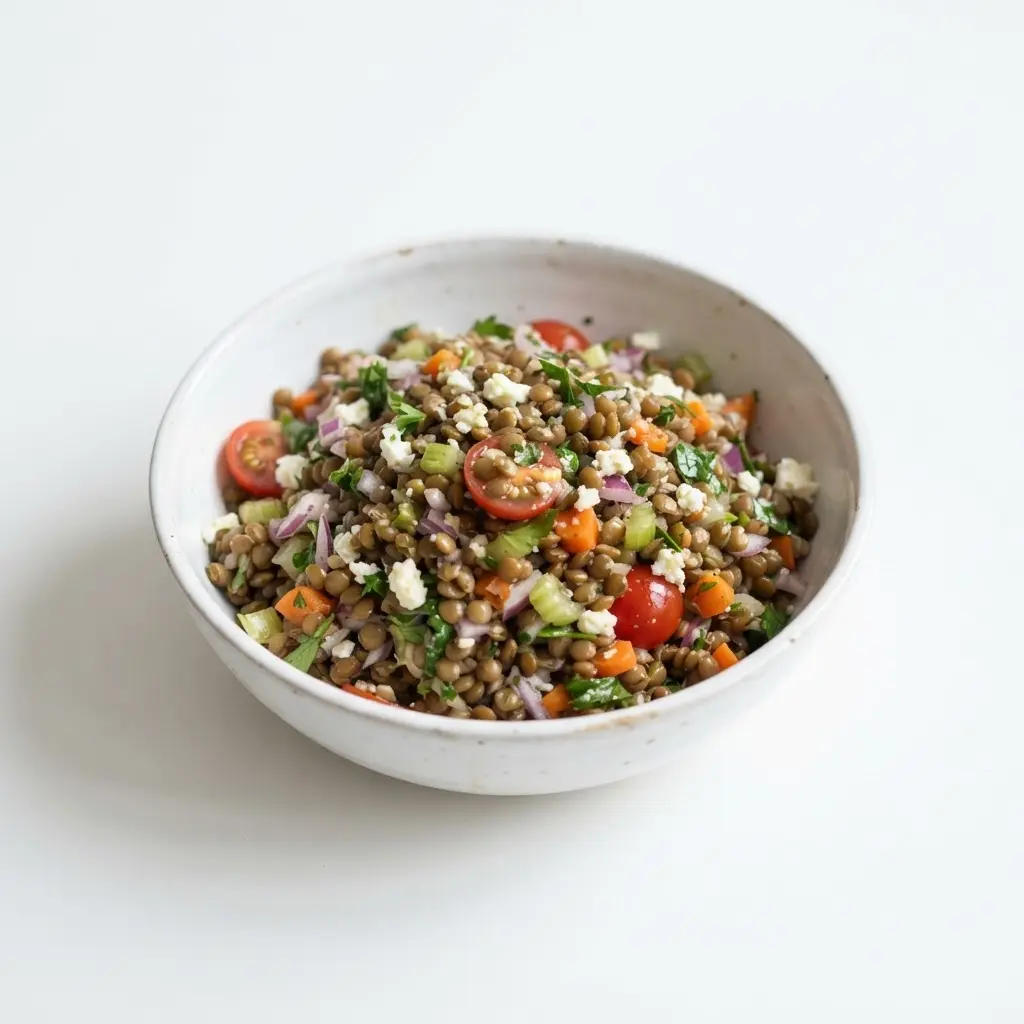
Wondering how to absorb more iron from plant foods? Pair an iron-containing meal with a fresh source of vitamin C. Vitamin C improves absorption of non-heme iron, the form found in beans, lentils, leafy greens, fortified cereals, and other Vegetarian foods high in iron. Add mandarin oranges to a spinach salad, or serve hummus with sliced bell peppers.
Choose fresh vitamin C foods beside the meal rather than eating them hours apart. Tomatoes, strawberries, melons, potatoes, cauliflower, cabbage, and citrus fruits all provide useful options. Serve cereal with strawberries, add tomato to a lentil dish, or drink lemonade with the meal. Research supports this pairing as a practical meal-planning step for improving access to plant-based iron.
Match the amount of vitamin C to the meal. A meal with low or medium levels of absorption inhibitors generally uses a 2:1 vitamin C-to-iron ratio. Meals with higher inhibitor levels, including some combinations rich in phytates, may need a ratio above 4:1. Use a stronger pairing for meals built around iron-fortified dry foods or ingredients known to limit iron absorption.
Protect vitamin C by choosing minimally processed ingredients and adding fruit or vegetables shortly before eating. Processing, storage, and cooking reduce vitamin C levels. Mix fresh fruit with fortified cereal immediately before serving. Individual absorption differs, so pairing supports a balanced diet but does not guarantee improved iron status. Always consult a healthcare professional before making changes to your health routine.
6. Iron Absorption Inhibitors in Tea and Coffee
Drinking tea or coffee between meals is safer for iron absorption than taking either beverage with an iron-rich plate. Choose between-meal timing because plant-based iron is non-heme iron, a form more affected by food and drink combinations. Polyphenols in tea and coffee bind iron in the digestive tract. These compounds form complexes less available for intestinal absorption.
The effect is strongest when a beverage accompanies the meal. Black tea reduced iron absorption by approximately 79–94% in reported research. Peppermint tea reduced absorption by about 84%, while pennyroyal tea reduced absorption by about 73%. Coffee reduced absorption from a hamburger meal by approximately 39%, with stronger coffee producing greater inhibition. Choose polyphenol-rich beverages away from meals containing beans, lentils, tofu, leafy greens, or iron-fortified foods.
Vitamin C supports iron availability because ascorbic acid binds ferric iron more readily than many polyphenols. Add citrus fruit, strawberries, tomatoes, bell peppers, or broccoli to an iron-rich meal. Do not assume milk removes the problem. Adding milk to tea or coffee does not significantly change their inhibitory action. Include vitamin C foods at meals, then reserve tea or coffee for later, a step that maximizes benefits from Vegetarian foods high in iron.
Separate tea or coffee from an iron-rich meal by about one hour before or after eating. This schedule reduces the chance of simultaneous contact in the digestive tract. The timing deserves extra care during iron deficiency or iron-deficiency anemia. Always consult a healthcare professional before making changes to your health routine, particularly if your diet relies heavily on Vegetarian foods high in iron.
Checking Labels And Discussing Individual Iron Needs
Check the iron line on a fortified cereal label because serving sizes and iron amounts differ across brands. Look for milligrams per serving, then compare the number with your usual bowl size rather than assuming every cereal provides the same amount. Fortified breads, plant-based burgers, and meat alternatives also need label checks, since recipes vary by brand and portion.
A clinician or registered dietitian should guide you after a diagnosed deficiency, during pregnancy, or when heavy menstrual bleeding raises concern. Age, health conditions, and digestion issues also affect individual needs. Food choices support intake, yet one ingredient does not prevent deficiency. Blood tests and professional advice help identify whether supplements fit your situation.
Conclusion
Feeding yourself well as a vegetarian does not need to feel complicated. A few familiar foods, used often, support meals with more iron and more variety. Lentils in soup, beans in tacos, seeds on oatmeal, and leafy greens in a stir-fry all fit easily into a normal week. Vitamin C pairings add a simple step, while label checks help you choose fortified grains and cereals. If you use tea or coffee, enjoy them between meals rather than with an iron-focused plate. Cooking in cast iron is another small option for your kitchen. Start by choosing one meal today and pair its iron source with peppers, citrus, tomatoes, or berries. Keep a short list of favorite combinations on your phone or fridge. Vegetarian foods high in iron become easier to enjoy when they match your tastes, schedule, and budget. Give yourself room to repeat easy meals while you build a routine that feels good and lasts.
FAQs
Q: Which vegetarian foods contain the most iron?
A: Good choices include lentils, white beans, tofu, tempeh, pumpkin seeds, sesame seeds, fortified cereal, and cooked spinach. Serving size and food preparation affect the amount in each meal.
Q: Why pair plant-based iron foods with vitamin C?
A: Vitamin C helps the body absorb non-heme iron from plant foods. Add bell peppers, citrus, tomatoes, strawberries, or broccoli to an iron-focused meal.
Q: Should tea or coffee stay away from iron-rich meals?
A: Tea and coffee contain compounds linked with lower iron absorption during meals. Drink them between meals when possible, especially after an iron-focused plate.
Q: Does cooking with cast iron add iron to food?
A: Cooking in cast iron adds some iron to certain foods. The amount varies with the food, cooking time, and pan condition, so treat it as one small support rather than your only source.
Q: How do I know if my iron intake is enough?
A: Tiredness and weakness have many possible causes, so symptoms do not confirm low iron. A blood test and guidance from a qualified health professional give clearer answers.